
Best Composting Methods for Clay-Rich Soil
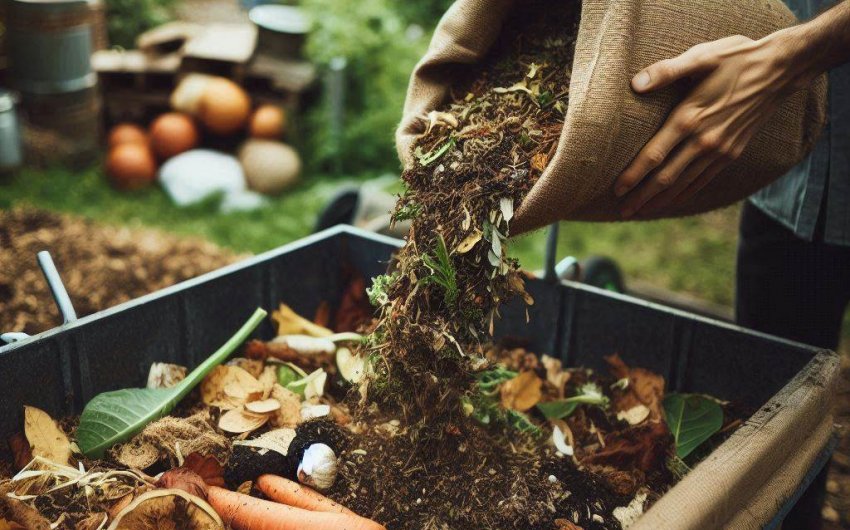
If you're a gardener battling clay-rich soil, you know the struggle is real. It's tough to dig, drains poorly, and can feel like working with concrete when dry or sticky mud when wet. But there's a superhero ready to rescue your garden: compost! Adding plenty of well-rotted organic matter is the absolute best way to improve heavy clay soil. This guide will dive into the best composting methods specifically designed to help you create the perfect amendments for your challenging garden.
Understanding Clay Soil and Why Compost is Its Best Friend
Let's first understand why clay soil is so difficult and how compost works its magic.
What is Clay Soil?
Clay soil is made up of very tiny, flat soil particles packed tightly together.
- Pros: It holds nutrients well and can retain a lot of water.
- Cons: Because its particles are so small and tight, clay soil has very little space for air. This leads to:
- Poor Drainage: Water sits on top or drains very slowly, leading to soggy, waterlogged roots.
- Compaction: It easily compacts, becoming hard like a brick when dry.
- Difficult to Work: It's sticky when wet, hard when dry, and generally a pain to dig or cultivate.
- Low Aeration: Lack of air means roots can't breathe, and beneficial soil microbes struggle.
How Compost Transforms Clay Soil
Compost is decomposed organic matter, a gardener's "black gold." When you mix compost into clay soil, it does incredible things:
- Improves Structure: The chunky bits of compost act like tiny wedges, prying apart those tightly packed clay particles. This creates larger air pockets and drainage channels. This process is called "flocculation."
- Enhances Drainage: With better structure, water can move more freely through the soil, preventing waterlogging.
- Increases Aeration: More air means roots can breathe, and beneficial soil organisms thrive.
- Boosts Fertility: Compost is packed with nutrients that are slowly released, feeding your plants naturally.
- Attracts Earthworms: Earthworms absolutely love compost. As they tunnel through the soil, they further loosen it and create natural pathways for air and water.
- Makes it Easier to Work: Clay soil amended with compost becomes much more crumbly, workable, and pleasant to dig.
Essentially, compost transforms heavy clay soil from a dense, lifeless brick into a fertile, friable, and breathable medium where plants can truly flourish.
Key Principles of Composting for Clay Soil
While all composting is good, a few tweaks can make it even better for clay soil.
1. Focus on Coarse Organic Matter
For clay soil, you want compost that really helps "open up" the soil structure. This means using a good amount of materials that break down slowly and leave larger, coarser particles.
- Think less finely shredded material, and more chunky browns.
- This creates stable "aggregates" (clumps) in the clay, improving aeration and drainage more effectively than very fine compost.
2. High Carbon-to-Nitrogen (C:N) Ratio
A balanced C:N ratio is always important, but when thinking about what you're adding to clay, consider tipping the scales slightly towards "browns" (carbon-rich materials).
- Browns (Carbon): Woody materials, dried leaves, straw, shredded cardboard. These break down slower and provide the bulk that clay needs.
- Greens (Nitrogen): Grass clippings, food scraps, fresh plant trimmings. These speed up decomposition.
- Aim for roughly 2 parts browns to 1 part greens by volume for a good compost mix.
3. Consistency and Quantity
To truly change clay soil, you need to add a significant amount of compost, and do it consistently over time.
- Don't just sprinkle a thin layer. Dig in several inches of compost.
- Plan to add compost every year or two to maintain and continue improving your soil structure.
Best Composting Methods for Clay-Rich Soil
Here are several effective composting methods, with notes on how they benefit clay soil.
1. Hot Composting (Active Composting)
This method aims for rapid decomposition, creating usable compost quickly.
- How it works: Requires a balanced mix of "greens" (nitrogen) and "browns" (carbon), proper moisture, and regular turning to provide aeration. The pile heats up significantly (130-160°F or 55-70°C), speeding up decomposition and killing weed seeds and pathogens.
- Benefits for Clay Soil: Produces a large volume of finished compost relatively quickly. The intense decomposition breaks down materials well, but if you include coarser browns, the finished product will still have enough structure to open up clay.
- Ideal for: Gardeners with a lot of organic waste (grass clippings, leaves, food scraps) and who want usable compost in 1-3 months.
- Set up: Needs a bin or pile that can be easily turned. A compost tumbler is great for hot composting, allowing easy turning. A 3-bin system for larger volumes is also good, letting you turn from one bin to another.
- Tips for Clay Soil:
- Chop materials: Break down larger materials into smaller pieces (1-2 inches) for faster decomposition, but don't shred them too finely.
- Add Bulky Browns: Include materials like shredded wood chips, small twigs, or coarser dried leaves. These contribute to the overall structure of the finished compost, which is beneficial for heavy clay.
- Monitor Moisture: Keep the pile as damp as a wrung-out sponge. Clay soil itself tends to stay wet, so ensure your compost pile isn't soggy.
2. Cold Composting (Passive Composting)
This is the easiest method – essentially a "pile it and wait" approach.
- How it works: You just pile up organic materials and let nature do its thing. No turning or strict layering required. Decomposition is slower and less complete.
- Benefits for Clay Soil: Produces compost with coarser, less decomposed materials, which are excellent for adding significant bulk and large air pockets to tight clay. Good for gardeners with a lot of yard waste but less time.
- Ideal for: Busy gardeners, those with large volumes of slow-to-decompose materials (like leaves or woody stems), or for rough compost to use as a mulch.
- Set up: A simple pile or an open-sided bin. A large compost bin works well.
- Tips for Clay Soil:
- Layering (Optional but Recommended): Even for cold composting, try to roughly layer greens and browns to help decomposition.
- Incorporate Woodier Materials: This is where you can really use small branches (shredded), wood chips, and tougher plant stalks. They will break down slowly, but their presence will create the desired bulk for clay.
- Patience: Expect finished compost in 6 months to 2 years. The less you turn, the longer it takes.
3. Trench Composting (In-Situ Composting)
This method involves burying organic materials directly into your garden beds.
- How it works: Dig a trench or hole, bury food scraps and plant waste, and cover with soil. The decomposition happens underground, directly where the nutrients are needed.
- Benefits for Clay Soil: It directly adds organic matter deep into the clay, helping to loosen it from within. It avoids the need for a separate compost pile and constant turning. It also helps to aerate the soil as you dig the trench.
- Ideal for: Gardeners with limited space for a compost pile, those who want to improve specific garden beds, or anyone wanting a very discreet method.
- Set up: Just a shovel!
- Tips for Clay Soil:
- Focus on Food Scraps & Green Waste: These break down relatively quickly. Avoid woody materials as they take too long to decompose underground and can create air pockets that plants don't like.
- Don't Bury Too Close to Plants: Give the buried material some space as it decomposes.
- Rotate Locations: Don't bury in the exact same spot every time. Rotate trenches through your garden beds.
4. Sheet Composting (Lasagna Gardening)
This is about building garden beds by layering organic materials directly on the ground.
- How it works: You build layers of "browns" (cardboard, leaves, straw) and "greens" (manure, grass clippings, food scraps) directly onto your garden bed area, often over existing lawn. Over time, these layers break down into rich soil.
- Benefits for Clay Soil: This is fantastic for clay soil because it directly adds a massive amount of organic matter to the surface, which then slowly works its way down, improving the entire soil profile over time. It requires no digging of the clay initially.
- Ideal for: Creating new garden beds over clay, improving existing beds without intensive tilling, or those with access to large volumes of organic materials.
- Set up: Just layers of materials!
- Tips for Clay Soil:
- Start with Cardboard: A thick layer of wet cardboard at the bottom will help smother grass and start the process.
- Include Coarser Browns: Lay down thick layers of shredded leaves, straw, or even small wood chips (as a bottom layer if you want to delay planting).
- Build It Up: Aim for a substantial height (1-2 feet initially) as the layers will compact significantly.
- Plant Directly: Once the layers have settled a bit (a few weeks), you can often plant directly into the top layers of finished compost or potting mix.
5. Vermicomposting (Worm Composting)
Using worms (specifically red wigglers) to break down food scraps and some plant waste.
- How it works: Worms consume organic material and excrete nutrient-rich "worm castings" (their poop), which is a fantastic soil amendment.
- Benefits for Clay Soil: Produces incredibly rich, finely textured worm castings. While the castings themselves are fine, they are packed with microbes and enzymes that improve soil structure, even at a microscopic level, making clay more crumbly and workable. A worm compost bin is perfect for this.
- Ideal for: Gardeners with limited space (can be done indoors or outdoors), those wanting to process food scraps efficiently, or anyone looking for super-rich soil amendments.
- Set up: A worm farm or a multi-tiered worm bin.
- Tips for Clay Soil:
- Mix Castings In: When harvesting, sprinkle the castings directly into your clay garden beds and gently work them in.
- Worm Tea: The liquid that drains from worm bins (often called "worm tea") is a nutrient-rich fertilizer that can also benefit soil microbes.
- Don't Overload: Only add food scraps as quickly as the worms can eat them.
Compost Inputs: What to Use (and Avoid) for Clay Soil
The materials you put into your compost pile matter.
Excellent "Browns" (Carbon-Rich) for Clay Soil Improvement
- Dried Leaves: Abundant and free! They break down into excellent humus that improves soil structure. Shred them for faster breakdown or leave whole for slower, coarser compost.
- Wood Chips/Sawdust: Excellent for adding bulk and aeration. Use in moderation in hot piles (they break down slowly) or more generously in cold/sheet composting. Make sure wood is untreated.
- Straw: Provides bulk and good structure.
- Shredded Cardboard/Newspaper: Adds carbon and helps absorb excess moisture. Remove tape and glossy sections.
- Small Twigs/Prunings: Shred them if possible. These provide very coarse, long-lasting organic matter to open up clay.
Excellent "Greens" (Nitrogen-Rich)
- Grass Clippings: Fresh and nitrogen-rich. Use in thin layers to avoid compaction and odors.
- Food Scraps: Fruit and vegetable peels, coffee grounds, tea bags.
- Manure: From herbivores (cows, horses, chickens) is fantastic. Ensure it's well-aged to avoid burning plants.
- Green Plant Trimmings: From the garden (non-diseased).
What to Avoid in Your Compost Pile (especially for garden use)
- Meat, Dairy, Fats/Oils: Attract pests and can smell bad.
- Diseased Plants: Can spread disease to your garden.
- Weeds with Seeds: Hot composting might kill them, but it's safer to avoid to prevent future weeding.
- Pet Waste: Contains pathogens.
- Chemically Treated Wood or Plants: Chemicals can leach into your compost and then into your garden.
How to Apply Compost to Clay Soil
Once your beautiful compost is ready, here's how to use it effectively.
1. Digging It In (Incorporation)
This is the most direct way to amend heavy clay soil.
- Depth: For new beds or for significant improvement, spread a 2-4 inch (5-10 cm) layer of compost over the area.
- Mixing: Use a garden fork or broadfork to gently incorporate the compost into the top 6-12 inches (15-30 cm) of your clay soil. Don't "rototill" too much, as this can destroy soil structure over time. Gentle turning is best.
- Timing: Best done in fall or early spring before planting.
2. Top-Dressing
For established beds, top-dressing is a great way to provide continuous improvement.
- Spread a Layer: Spread a 1-2 inch (2.5-5 cm) layer of finished compost over the surface of your garden beds, around plants.
- Earthworm Magic: Earthworms and other soil organisms will gradually pull the compost down into the soil, improving its structure from the top.
- Benefits: This also acts as a mulch, suppressing weeds and conserving moisture.
3. Compost Tea
- Nutrient Boost: While it won't change soil structure significantly, "compost tea" (liquid extracted from compost) can be used as a liquid fertilizer and to add beneficial microbes to your clay soil.
By embracing composting as a core garden practice, especially with methods that focus on creating coarse, structured organic matter, you can truly conquer the challenges of clay-rich soil. Your plants will thank you with healthier growth, and you'll enjoy a garden that's easier to work and much more productive. Start composting today, and watch your clay soil transform into gardening gold!