
How to Layer a Compost Bin for Maximum Efficiency?
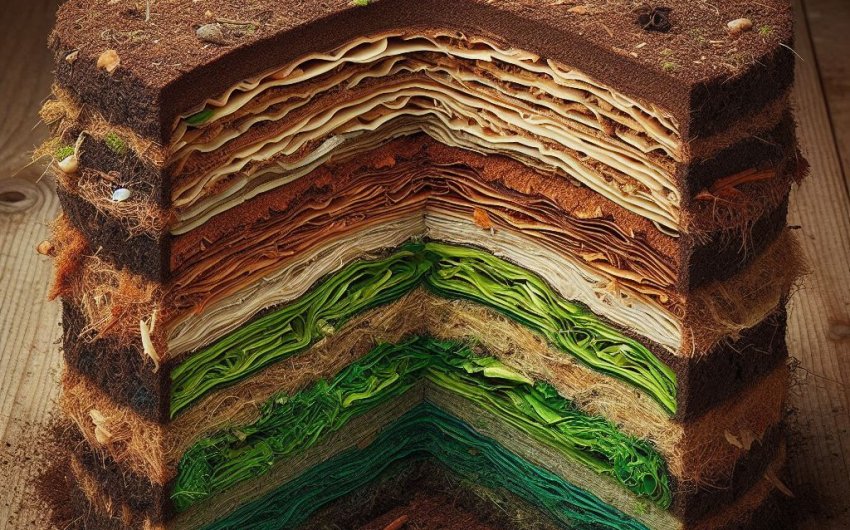
Composting is like magic for your garden. It turns kitchen scraps and yard waste into rich, dark "black gold" that feeds your plants and improves your soil. But sometimes, a compost pile can be slow, smelly, or just not work right. The secret to making fantastic compost quickly and easily? Layering your compost bin for maximum efficiency! This isn't just about throwing stuff in; it's about giving your compost pile the right ingredients in the right order.
Why Layering Your Compost Bin Matters
You might think composting is just tossing everything into a pile, and eventually, it will break down. While that's true for "cold composting," layering is the key to hot composting and getting finished compost much faster.
The Science Behind Layering
Composting is a process driven by tiny microorganisms (bacteria, fungi, etc.) that munch on your organic waste. Like all living things, these microbes need a balanced diet and good living conditions.
- Balance of Nutrients (Greens & Browns): Microbes need both carbon (energy, from "browns") and nitrogen (protein, from "greens") to thrive. Too much of one, and the process slows down. Layering helps ensure this balance.
- Airflow: Microbes need oxygen. Layering different textures helps create air pockets throughout the pile, preventing it from becoming a dense, suffocating mess.
- Moisture: Microbes need water to do their work. Proper layering helps distribute moisture evenly.
- Heat: When the conditions are just right (balanced nutrients, enough moisture, good airflow), the microbes work so hard they generate heat. This "hot composting" speeds up decomposition, kills weed seeds and pathogens, and produces compost much faster. Layering helps achieve and maintain this heat.
So, layering for efficient composting isn't just a gardening tip; it's a science-backed method to create the perfect home for your compost microbes.
Essential Ingredients: Browns, Greens, Water, and Air
Before you start layering, you need to know what goes into your compost. Think of them as your primary ingredients.
1. Browns (Carbon-Rich Materials)
These are the "energy" for your compost pile. They are usually dry, coarser, and provide structure.
- Examples: Dried leaves, straw, wood chips, sawdust (untreated), shredded cardboard, newspaper (plain black ink), pine needles, dry plant stalks.
- Role: Provide carbon for microbial energy, create air pockets, and add bulk.
- Too much brown: Slows down decomposition, can make the pile dry.
- Why they are important for clay soil (bonus!): Composts with a good amount of coarse browns create bulk and structure that really help open up dense clay soils.
2. Greens (Nitrogen-Rich Materials)
These are the "protein" for your compost pile. They are usually fresh, moist, and often green.
- Examples: Fresh grass clippings, fruit and vegetable scraps, coffee grounds, tea bags, fresh plant trimmings, manure (from herbivores like cows, chickens, horses).
- Role: Provide nitrogen for microbial growth and reproduction, help heat up the pile.
- Too much green: Can make the pile smelly, soggy, and slow.
3. Water
Essential for microbial activity.
- Ideal Moisture: Your compost pile should feel like a wrung-out sponge – damp, but not dripping wet.
4. Air (Oxygen)
Microbes need oxygen for aerobic decomposition (the kind that doesn't smell bad!).
- Source: Achieved through turning the pile and by the structure provided by "browns."
The Ideal Ratio: The Magic Formula for Composting
The most commonly recommended ratio for hot composting is roughly 2 parts browns to 1 part greens by volume.
- This means if you add a 6-inch layer of leaves, you'd follow it with a 3-inch layer of grass clippings or food scraps.
- Don't get too hung up on exact measurements. It's an art, not a precise science. A rough visual estimation is usually fine. Your nose and the temperature of the pile will tell you if you're off.
Step-by-Step Guide: How to Layer Your Compost Bin for Maximum Efficiency
Let's build that perfect compost pile!
Step 1: Choose Your Compost Bin
The type of bin affects how easy it is to layer and turn.
- Compost Tumbler: Great for easy turning and hot composting. Perfect for layering in batches. A dual-chamber compost tumbler lets you fill one side while the other cures.
- Single Bin (Wire, Plastic, Wood): Common and effective. You'll need a fork or shovel to turn. A plastic backyard compost bin is easy to set up.
- Multi-Bin System: Ideal for larger gardens, allowing you to have one pile "cooking," one pile "curing," and one for adding new material.
- Open Pile: Simple, but harder to manage moisture and contain heat without sides.
Step 2: Location, Location, Location!
- Shade/Part Shade: Keeps the pile from drying out too quickly.
- Well-Drained: Avoid soggy ground.
- Accessible: Easy to add materials and turn.
- Away from House: To prevent odors (though a well-managed pile won't smell bad) and pests.
Step 3: The Base Layer (Foundation)
- Purpose: Ensures good airflow from the bottom and promotes drainage.
- Materials: Start with a 4-6 inch (10-15 cm) layer of coarse, chunky brown materials. Think small branches, twigs, straw, or coarsely chopped corn stalks. Don't use anything too fine here.
- Placement: Place this layer directly on the ground or at the bottom of your bin.
Step 4: The First Green Layer
- Purpose: Introduces nitrogen and moisture to kickstart decomposition.
- Materials: Add a 2-3 inch (5-8 cm) layer of "greens." This could be fresh grass clippings, food scraps, or garden trimmings.
- Placement: On top of your brown base layer.
Step 5: Repeat the Layers (Brown, Green, Water)
This is the core of efficient layering.
- Brown Layer: Follow the green layer with a 4-6 inch (10-15 cm) layer of "browns." This could be dried leaves, shredded cardboard, or wood chips.
- Green Layer: Then add another 2-3 inch (5-8 cm) layer of "greens."
- Water Each Layer: As you add each layer (especially the brown ones), lightly moisten it with water until it's damp, but not soggy. A watering can or a hose with a gentle spray nozzle works well. This is crucial for microbial activity.
- Aim for the Ratio: Keep that 2 parts brown to 1 part green ratio in mind as you build your pile.
Step 6: Keep Adding Layers and Growing Your Pile
- Continue the process of adding layers: coarse browns, then greens, then finer browns, always moistening as you go.
- Mix New Scraps: When you add daily kitchen scraps, always bury them in the middle of the pile or cover them with a layer of browns (like leaves or a scoop of existing compost) to prevent odors and pests. This is also a good opportunity to quickly turn over that section.
Step 7: Reach the Right Size
- For optimal hot composting, your pile needs to be a certain size to generate and hold heat. A minimum of 3x3x3 feet (1x1x1 meter) is often recommended. If it's too small, it won't heat up. If it's too large, it can become difficult to turn and oxygen might not reach the center.
Step 8: Turn Your Pile Regularly (Aeration is Key!)
This is perhaps the most crucial step for fast composting and maximum efficiency.
- Why Turn? Turning mixes the materials, introduces oxygen (which feeds the aerobic microbes), and helps distribute moisture and heat. Without oxygen, anaerobic decomposition occurs, which is slow and smelly.
- How Often: For hot composting, aim to turn your pile every few days to once a week. You'll notice the pile getting hot; turn it when the temperature starts to drop.
- How to Turn: Use a pitchfork or a compost aerator tool. For tumblers, just spin the drum. Break up any compacted clumps.
- Monitor Temperature: You can even use a compost thermometer to track your pile's heat. When it hits 130-160°F (55-70°C), you know the microbes are working hard! Turn it when the temperature starts to drop below 100°F (38°C).
Troubleshooting Your Compost Pile
Even with the best intentions, your compost might run into issues.
1. Pile is Smelly
- Cause: Too much nitrogen (greens), not enough oxygen, or too wet. Anaerobic decomposition is occurring.
- Fix: Add more "browns" (leaves, straw, shredded cardboard). Turn the pile vigorously to introduce air. If soggy, open it up and let it dry out a bit.
2. Pile is Not Heating Up
- Cause: Not enough nitrogen (greens), too dry, pile is too small, or not enough aeration.
- Fix: Add more "greens" (grass clippings, food scraps). Moisten the pile until it's damp. Make sure the pile is at least 3x3x3 feet. Turn the pile to introduce air.
3. Pile is Dry and Dusty
- Cause: Not enough moisture.
- Fix: Add water slowly as you turn the pile, ensuring it's evenly distributed.
4. Attracting Pests (Rodents, Flies)
- Cause: Exposed food scraps, meat/dairy/fats in the pile.
- Fix: Always bury food scraps deeply in the middle of the pile and cover with browns. Avoid adding meat, dairy, or oily foods. Turn regularly to keep things decomposing fast.
When Is Compost Ready?
Your compost is ready when it meets these criteria:
- Color: Dark brown or black.
- Texture: Crumbly, earthy, no recognizable food scraps or plant matter (except perhaps some very woody pieces if you included them).
- Smell: Smells like fresh earth or woodland soil, not rotten or sour.
- Temperature: The pile no longer heats up after turning; it's cooled to ambient temperature.
This mature compost, often called "humus," is ideal for amending your garden soil, especially that challenging clay-rich soil.
Tips for Composting Success for Clay Soil
- Smaller Pieces Decompose Faster: While you want some coarse material, chopping your browns and greens into 1-2 inch pieces will speed up the hot composting process significantly. A garden shredder can be a great investment.
- Collect Browns in Advance: Stockpile dried leaves, straw, or shredded paper, so you always have enough carbon material when you add greens. A separate "browns" bin or pile is useful.
- Be Patient (for cold composting): If you're going for cold composting, understand it will take longer. Just keep adding layers and let nature do its work.
- Know Your Worms: If vermicomposting, use red wigglers, not garden earthworms, as they are surface dwellers that thrive in compost bins.
- Compost Tea: You can also use "compost tea" (liquid runoff from your finished compost or from soaking compost) as a liquid feed for your plants, though it won't impact soil structure like incorporating solid compost will.
Mastering the art of layering your compost bin for maximum efficiency is one of the most rewarding gardening skills you can learn. It transforms your waste into a valuable resource, helps the environment, and, most importantly, provides your garden with the rich, life-giving organic matter it needs to thrive, especially if you're dealing with stubborn clay-rich soil. So get layering, and enjoy your homegrown black gold!