
How to Speed Up Decomposition in a Compost Tumbler?
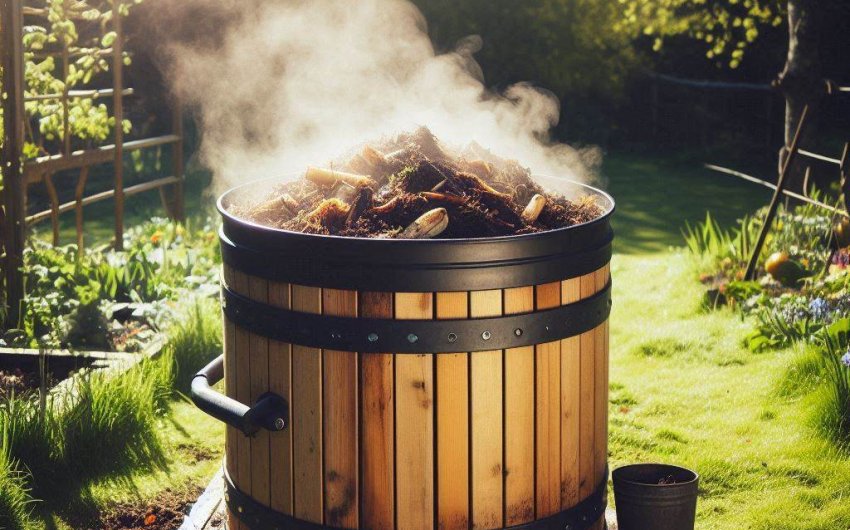
A compost tumbler is a fantastic tool for any gardener. It takes the hard work out of turning your compost pile, and if used correctly, it can churn out rich, beautiful "black gold" (finished compost) much faster than a traditional static pile. But sometimes, tumbling isn't enough, and your compost seems to just sit there. If you're wondering how to speed up decomposition in a compost tumbler, you've come to the right place! This guide will unlock the secrets to creating hot, active compost and getting usable soil amendment in weeks, not months.
Why Use a Compost Tumbler?
First, let's appreciate why a compost tumbler is such a great choice for many gardeners.
Easy Turning
This is the biggest advantage! Instead of wielding a pitchfork and straining your back, you just give the tumbler a few spins. This makes aeration (adding oxygen) effortless, which is crucial for fast composting.
Pest Control
Because the composting materials are contained and often sealed, tumblers generally do a better job of deterring rodents and other pests that might be attracted to an open pile of food scraps.
Odor Reduction
When properly managed, a tumbler is less likely to produce unpleasant odors compared to an open pile. The easy turning ensures plenty of oxygen, preventing the smelly anaerobic (without oxygen) decomposition.
Faster Composting
With consistent turning and proper balance, a compost tumbler can produce finished compost in as little as 2-4 weeks, especially when working on a "hot batch."
Neat and Tidy
Tumblers keep your composting materials contained, leading to a much tidier composting area in your garden.
The Science of Hot Composting (and Why Your Tumbler Needs It!)
To truly speed up decomposition, you need to understand the basic recipe for hot composting. This is what makes your tumbler work like a champ.
The Four Key Ingredients for Rapid Composting
- Greens (Nitrogen): These are fresh, moist materials like food scraps (fruit and vegetable peels, coffee grounds), fresh grass clippings, and green plant trimmings. Nitrogen fuels the growth of the compost microbes and helps heat up the pile.
- Browns (Carbon): These are dry, coarser materials like dried leaves, straw, shredded paper or cardboard, wood chips (untreated), and dry plant stalks. Carbon provides energy for the microbes, and also creates the structure that allows air to flow through the pile.
- Water (Moisture): Microbes need moisture to live and work. The compost should feel like a wrung-out sponge – damp, but not dripping wet.
- Air (Oxygen): The beneficial microbes responsible for fast, odor-free decomposition are "aerobic," meaning they need oxygen. Turning your tumbler is how you get air into the mix.
When these four elements are in the right balance, the microbes get to work, multiply rapidly, and generate heat. This heat is the sign that your compost tumbler is actively breaking down materials at lightning speed!
How to Speed Up Decomposition in a Compost Tumbler: Top Strategies
Here are the best strategies to get your tumbler working its magic and churning out compost quickly.
1. Master the Greens-to-Browns Ratio
This is the most critical factor.
- The Golden Rule: Aim for a ratio of approximately 2-3 parts browns to 1 part greens by volume.
- If you add a bucket of grass clippings (green), follow it with 2-3 buckets of dry leaves or shredded cardboard (brown).
- Why it matters: Too many greens make the pile wet and smelly (anaerobic). Too many browns make it dry and slow to decompose. Getting this balance right is key to generating heat.
- Consistency: Try to add browns along with your greens. Don't just dump a week's worth of food scraps in without adding some dry material.
- Correction:
- If it smells rotten/like ammonia: Add more browns and turn vigorously.
- If it's not heating and looks dry/sluggish: Add more greens (or a nitrogen source like a handful of garden soil or aged manure) and water.
2. Chop Materials into Smaller Pieces
- Surface Area: Microbes break down materials from the outside in. The smaller your pieces, the more surface area they have to work on, and the faster they'll decompose.
- How-to:
- Chop large fruit and vegetable scraps (e.g., melon rinds, cabbage leaves) into 1-2 inch (2.5-5 cm) chunks.
- Shred dried leaves with a leaf shredder or by running them over with a lawnmower.
- Tear cardboard and newspaper into small strips.
- Avoid adding large sticks or branches unless you're prepared for them to take a very long time to break down.
- Tools: A food scrap chopper or even a strong blender (for very wet scraps) can help. A leaf shredder is excellent for browns.
3. Maintain Optimal Moisture Levels
- The Wrung-Out Sponge Test: Your compost mix should feel like a wrung-out sponge – damp to the touch, but not dripping when squeezed.
- Check Regularly: Tumblers can dry out faster than open piles, especially if exposed to sun and wind. Check moisture levels every few days.
- How-to:
- Too Dry: Add water gradually as you tumble, or open the lid and spray with a hose.
- Too Wet: Add more dry browns (shredded paper, sawdust, dry leaves) and tumble vigorously.
4. Turn Your Tumbler Frequently and Thoroughly
This is where the tumbler really shines!
- Aeration: Regular turning provides the oxygen that aerobic microbes need for fast, odor-free decomposition.
- Frequency: For the fastest compost, aim to tumble your compost 2-3 times per day for the first week, then once a day or every other day thereafter. If you can't manage that, at least 3-4 times a week is a good goal.
- Thoroughness: Ensure all materials are getting mixed. Don't just give it a quick spin; tumble it enough so that the contents really tumble over themselves and new surfaces are exposed to air.
- Consistency: Consistent turning is more important than sporadic intense turning.
5. Start with a Critical Mass
- Volume: Your tumbler needs to be at least two-thirds full when you start a batch for it to heat up effectively. If it's too empty, it won't generate or retain enough heat.
- Batch Composting: For fastest results, it's often best to "batch compost" – fill the tumbler almost full with your balanced greens and browns at once, then let that batch cook. If you have a dual-chamber compost tumbler, fill one chamber completely, let it cook, and start filling the second.
6. Consider a "Compost Activator" or High-Nitrogen Boost
- Jumpstart: If your pile is sluggish, a boost of nitrogen can help.
- Sources:
- Alfalfa Meal: A natural, slow-release nitrogen source. A bag of alfalfa meal can be used.
- Blood Meal: A potent nitrogen source, use sparingly.
- Urine: Believe it or not, diluted urine (1 part urine to 10 parts water) is a very effective nitrogen boost.
- Finished Compost/Soil: A shovel full of finished compost or garden soil introduces beneficial microbes to your new batch. This is a great natural compost starter.
- Commercial Compost Activator: These typically contain beneficial microbes and nitrogen. Look for a compost activator powder.
- How-to: Add a small amount of your chosen activator to the pile, then tumble to mix.
7. Location, Location, Location!
- Sunlight: Place your compost tumbler in a sunny spot. The sun's heat can help raise the temperature of the compost pile, especially in cooler weather, further speeding decomposition. However, too much direct, intense sun can also dry out the pile quickly, so be sure to monitor moisture.
- Drainage: Ensure the tumbler is on level, well-drained ground.
8. Monitor Temperature (Optional but Helpful)
- Compost Thermometer: For serious speed-composting, a compost thermometer can help you monitor the internal temperature of your pile.
- Ideal Range: Aim for 130-160°F (55-70°C). When it gets in this range, the microbes are working optimally. When the temperature starts to drop (below 100°F or 38°C), it’s a good sign it needs turning or more greens/moisture.
What to Avoid in Your Compost Tumbler (for Faster Results)
Some things slow down the process or cause problems.
- Meat, Dairy, Bones, Fats/Oils: Attract pests, create odors, and break down very slowly.
- Diseased Plants: Can spread diseases to your garden.
- Weeds with Seeds: While hot composting can kill seeds, it's safer to avoid them unless you're absolutely sure your pile is consistently reaching high temperatures.
- Chemically Treated Materials: Wood, grass, or plants treated with pesticides or herbicides can harm your compost microbes and potentially transfer toxins to your garden.
- Large Woody Branches: Take too long to decompose. If you want to compost them, shred them first.
- Sawdust from Pressure-Treated Wood: Contains chemicals.
Troubleshooting Common Tumbler Problems
Even with the best efforts, you might encounter issues.
My Tumbler Smells Rotten/Like Ammonia!
- Problem: Too many greens (nitrogen) and/or not enough air. Anaerobic decomposition.
- Solution: Add a generous amount of dry, carbon-rich "browns" (shredded newspaper, dry leaves, wood chips). Tumble thoroughly to aerate.
My Tumbler Isn't Getting Hot!
- Problem: Not enough nitrogen (greens), too dry, too small of a batch, or not enough aeration.
- Solution: Add more greens (grass clippings, food scraps, a handful of finished compost/soil). Add water if dry. Ensure the tumbler is at least 2/3 full. Tumble more frequently.
My Tumbler Compost is Still Chunky After Weeks!
- Problem: Materials were too large, or ratio/moisture/aeration were off at some point, slowing the process.
- Solution: Add more water if dry. Add some new "greens" to re-invigorate the pile. Chop up any remaining large chunks as best you can. Tumble more frequently. You might need to let it "cure" longer.
When is Your Compost Ready?
You'll know your compost is ready when it looks, feels, and smells right:
- Dark Color: It will be dark brown or black.
- Earthy Smell: It should smell like rich, damp soil, not rotting food or chemicals.
- Crumbly Texture: It will be uniform and crumbly, with no recognizable bits of food scraps or plant material (except maybe some very stubborn wood chips if you added them).
- Cool Temperature: The pile will no longer be generating heat and will be at ambient temperature.
Compost tumblers are truly effective tools for speeding up decomposition and producing valuable compost. By focusing on the correct greens-to-browns ratio, ensuring optimal moisture, chopping your materials, and turning regularly, you'll be harvesting your own "black gold" in no time, ready to nourish your garden and help your plants thrive! Happy tumbling!