
Can You Compost Weeds Without Spreading Seeds?
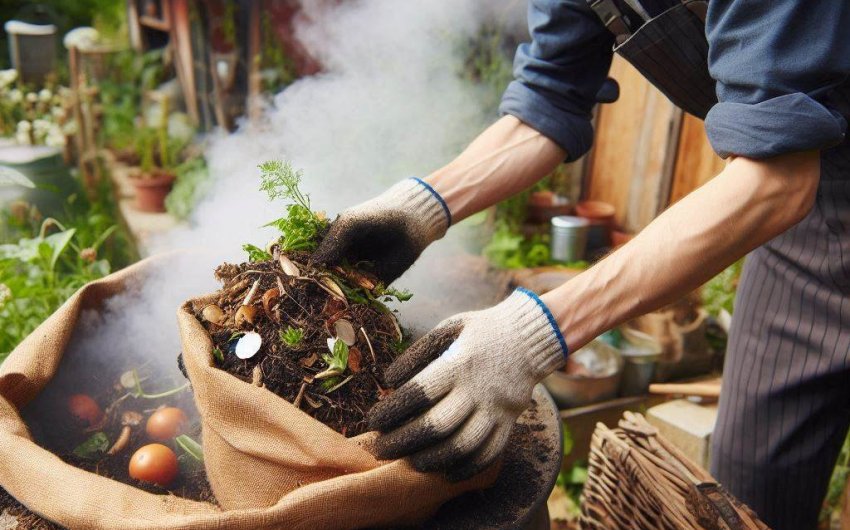
You've spent hours meticulously weeding your garden, pulling up pesky dandelions, crabgrass, and bindweed. Now what? Tossing them in the trash feels wasteful, but adding them to your precious compost pile raises a scary question: Can you compost weeds without spreading seeds all over your garden later? It's a valid concern, and the answer is a cautious yes! With the right composting methods and some smart strategies, you can turn those unwanted plants into valuable "black gold" without creating a future weed nightmare.
Understanding the Weed Seed Challenge in Composting
Weed seeds are incredibly resilient. They can survive tough conditions and lie dormant for years, just waiting for the right moment to sprout. This resilience is what makes gardeners wary of putting them in their compost.
Why Weed Seeds Are So Tricky
- Longevity: Many weed seeds can remain viable (able to sprout) in the soil for decades. Think about it – you dig up a patch of ground that hasn't been disturbed in years, and suddenly, a flurry of weeds appears. Those seeds were just waiting!
- Protection: Seeds have tough outer coatings that protect them from decomposition and environmental stress.
- Germination Triggers: They often need specific conditions (light, moisture, temperature fluctuations) to sprout. If those conditions aren't met in the compost pile, they might just "wait it out."
The primary goal of composting weeds with seeds is to kill those seeds through the composting process, specifically through heat.
The Secret Weapon: Hot Composting
If your goal is to compost weeds, especially those with seeds, hot composting is your best friend. Cold composting, while easier, simply won't generate the consistent, high temperatures needed to destroy most weed seeds.
What is Hot Composting?
Hot composting is an active process that aims to break down organic materials quickly by creating an environment where heat-loving (thermophilic) microbes thrive.
- Key Elements: It requires a proper balance of "greens" (nitrogen-rich, like fresh grass clippings and food scraps) and "browns" (carbon-rich, like dry leaves and shredded paper), consistent moisture, and plenty of aeration (oxygen) achieved through regular turning.
- Temperature: A healthy hot compost pile will reach internal temperatures of 130-160°F (55-70°C) or even higher. This is the temperature range that begins to kill weed seeds and harmful pathogens.
- Speed: With optimal conditions, you can get usable compost in 2-4 weeks, though allowing it to cure for a bit longer is often beneficial.
Strategies for Composting Weeds with Seeds Safely
So, how do you harness the power of hot composting to neutralize those sneaky weed seeds?
Strategy 1: The "Kill 'Em With Heat" Method (Hot Composting)
This is the most reliable way to compost seeded weeds.
Ensure Your Pile is Truly Hot:
- Proper C:N Ratio: Maintain a balance of about 2-3 parts browns to 1 part greens by volume. Too many greens can make it soggy and smelly; too many browns can make it dry and slow.
- Sufficient Mass: Your compost pile needs to be at least 3x3x3 feet (1x1x1 meter) to generate and hold enough heat. Smaller piles struggle to get hot.
- Adequate Moisture: The pile should be consistently damp, like a wrung-out sponge. Too dry, and microbial activity slows; too wet, and it goes anaerobic.
- Regular Turning: This is critical! Turn your compost pile (or spin your compost tumbler) every few days, especially when it's hot. Turning introduces oxygen, redistributes heat, and mixes materials, ensuring all parts get exposed to the high temperatures.
- You can use a compost thermometer to monitor the internal temperature. When it consistently reaches 130-160°F (55-70°C) for several days, and then drops, it's time to turn.
Bury Them Deeply: When adding weeds with seeds, always bury them deep in the center of the compost pile, surrounded by other active composting material. This ensures they get exposed to the highest temperatures. Don't leave them on the surface.
Consistent Turning: Turn the pile frequently to move the outer, cooler materials to the hot center and vice-versa. This is essential to ensure all weed seeds are exposed to lethal temperatures. Aim for at least 3-5 turns over the composting cycle.
Allow for Curing: Even after the initial hot phase, allow your compost to "cure" or mature for a few more weeks or months. This gives any surviving weed seeds a chance to germinate (and be pulled out) before you spread the compost.
Strategy 2: Solarization (Pre-Composting)
If you're worried about seeds or dealing with a massive amount of weed material, solarization is a great pre-treatment.
- How it works: Spread the weed material (especially seeded weeds) in a thin layer on a dark surface (like concrete or asphalt) or inside black plastic bags. Leave them in direct sunlight for several weeks during the hottest part of summer. The intense heat under the plastic will effectively "cook" and kill most weed seeds.
- Benefits: Reduces the risk of spreading seeds, breaks down tough weed matter before it enters the compost pile.
- Tips: Ensure the plastic is well-sealed if using bags to trap heat. The material should become dry and brittle. After solarization, you can add the "cooked" weeds to your compost pile or directly as a mulch.
Strategy 3: Drowning (Anaerobic Decomposition)
This method is less about traditional composting and more about suffocating weed seeds.
- How it works: Place weeds (especially root weeds like bindweed or seeded annuals) in a bucket or large container, fill it with water, and put a lid on it to seal it. Let it sit for several weeks or months. The lack of oxygen will kill the seeds and roots, and the plant material will decompose into a liquid "tea."
- Benefits: Kills persistent weed seeds and roots, creates a nutrient-rich liquid.
- Cons: Can be very smelly due to anaerobic decomposition. Not suitable for large volumes.
- Use: Once the material has fully decomposed and the liquid is dark, you can strain the liquid to use as a fertilizer (diluted) and discard the remaining sludge (which should be weed-free) or add it to a hot compost pile for final breakdown.
Strategy 4: Vermicomposting (Worm Bin)
While worms don't generate high heat, they can help.
- How it works: Red wigglers (composting worms) will eat small weed seedlings and some soft weed seeds. However, large, tough weed seeds may pass through undigested or survive.
- Benefits: Excellent for small amounts of weed seedlings or chopped-up weeds without mature seeds.
- Cons: Not reliable for killing all weed seeds, especially tough ones.
- Tips: If using a worm bin, stick to weeds that are pulled very young, before they go to seed. Avoid adding large quantities of mature weed seeds to your worm bin. A worm compost bin is great for food scraps.
Types of Weeds: To Compost or Not to Compost?
Not all weeds are created equal when it comes to composting.
OK to Compost (with precautions if seeded):
- Annual Weeds (before going to seed): Dandelions (before they go to seed!), chickweed, lamb's quarters, plantain (before flowering). If they have seeds, use hot composting or solarize.
- Green Grass Clippings: Great "green" material.
- Weed-free Garden Debris: Pulled annuals, spent vegetable plants (if disease-free).
Compost with EXTREME Caution (requires high heat or special treatment):
- Weeds with Mature Seeds: Dandelions that have gone to seed, crabgrass, foxtail, smartweed, etc. Only hot compost if you are confident your pile reaches and maintains lethal temperatures (140°F+ / 60°C+) throughout. Otherwise, solarize them or use the drowning method.
- Perennial Weeds with Rhizomes/Roots: Bindweed, quackgrass, Bermuda grass, horsetail, ground ivy, comfrey. These can sprout from root fragments.
- Best Practice: Do NOT add these to cold compost. For hot composting, they must be completely dried out (solarize first!), roasted, or finely chopped and consistently exposed to very high temperatures for extended periods. It's often safer to dispose of these in yard waste or solarize them completely.
NEVER Compost:
- Diseased Plants: Fungal spots, powdery mildew, blight, rust. These diseases can survive composting and reinfect your garden. Bag them and put them in the trash.
- Chemically Treated Weeds: If you've sprayed weeds with herbicides, do not put them in your compost. The chemicals can persist and harm your garden plants.
- Invasive Species: Some highly invasive plants, like Japanese Knotweed, can resprout from tiny fragments even after seemingly harsh treatment. It's usually best to bag and dispose of these.
Maintaining a Healthy, Hot Compost Pile
To consistently kill weed seeds, your compost pile needs to be a powerhouse of microbial activity.
1. The Right Mix of Materials
- Variety: Don't just add one type of green or brown. A diverse mix of materials creates a more balanced diet for the microbes and a more nutrient-rich finished compost.
- Avoid Compaction: Don't let your green layers get too thick and wet, as they can compact and reduce airflow. Always layer greens with browns.
2. Adequate Aeration (Turning, Turning, Turning!)
- Frequent Turning: This is the most crucial step for maintaining high temperatures and ensuring oxygen saturation throughout the pile.
- Compost Aerator: For static piles, a compost aerator tool can help introduce air without full turning.
3. Consistent Moisture
- Damp, Not Soggy: Check moisture levels regularly, especially during dry spells or if you've added a lot of dry browns. Add water if needed.
- Cover (Optional): A tarp or lid over your compost pile can help retain moisture and heat, especially in hot, dry, or very wet climates.
4. Size Matters
- Minimum Volume: Remember the 3x3x3 feet minimum for hot composting. If your pile is too small, it won't generate enough heat.
Beyond Composting: Other Weed Disposal Methods
If you're still unsure about composting particular weeds with seeds, here are safer alternatives:
- Bag and Dispose: For highly tenacious weeds, heavily seeded weeds, or diseased plants, bagging them securely and sending them to the landfill (via your municipal waste collection) is the safest option.
- Burn (Check Local Regulations): In some areas, small amounts of yard waste can be burned. This effectively destroys seeds. Always check local fire regulations and exercise extreme caution.
- Chicken Feed: If you have chickens, many common garden weeds (like dandelions and chickweed) are excellent, nutritious snacks for them (avoid anything toxic to chickens). They'll eat the greens and process the seeds.
- "Weed Tea" (Caution!): This is different from compost tea. It involves soaking weeds in water (often anaerobically) to extract nutrients. While the resulting liquid can be a fertilizer, it can also be very smelly, and there's a risk of viable seeds if not done long enough. Use with extreme caution.
Composting weeds without spreading seeds is entirely possible with the right approach. By committing to hot composting principles – focusing on the right C:N ratio, ensuring adequate moisture, chopping materials, and especially turning your pile frequently – you can effectively kill most weed seeds. This allows you to transform those garden nuisances into valuable, weed-free organic matter that will enrich your soil and lead to a healthier, more productive garden. Happy composting!