
Best Containers for Indoor Food Scrap Composting
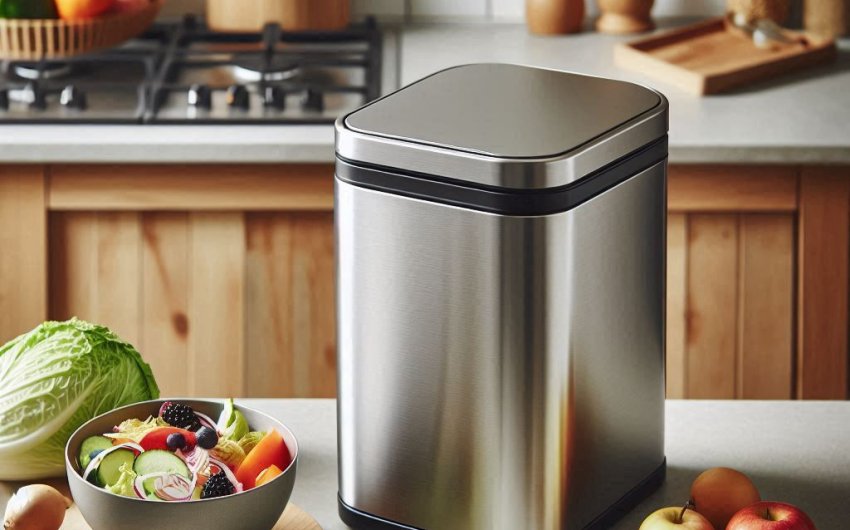
The best containers for indoor food scrap composting are typically airtight kitchen counter bins for temporary storage, or larger specialized systems like worm composting bins (vermicomposting) and Bokashi buckets for active decomposition. Each type offers distinct advantages in managing odors and accelerating the breakdown of organic waste in an indoor environment.
Why Should I Compost Food Scraps Indoors?
Composting food scraps indoors might seem unconventional, especially if you associate composting with large outdoor piles. However, it offers a surprising array of benefits, making it an increasingly popular and practical choice for reducing waste and enriching your garden. Understanding why you should compost food scraps indoors highlights the value of the best containers for indoor food scrap composting.
1. Significant Waste Reduction
The most compelling reason to compost food scraps indoors is the dramatic reduction in household waste.
- Diverting Landfill Waste: Food waste is a major component of municipal solid waste, often ending up in landfills where it decomposes anaerobically (without oxygen). This process produces methane, a potent greenhouse gas that contributes to climate change. By composting, you divert these scraps from landfills.
- Reduced Trash Volume: Less food waste in your trash bin means less overall garbage. This can lead to fewer trash bags used, potentially lower waste collection fees, and a lighter conscience.
- Environmental Impact: Every bit of organic waste diverted from a landfill helps mitigate climate change and conserve landfill space.
2. Producing Nutrient-Rich Soil Amendments
Composting isn't just about waste reduction; it's about transformation.
- "Black Gold": Your composted food scraps indoors become nutrient-rich "black gold" – a fantastic soil amendment for your houseplants, outdoor garden beds, or even potted plants on your balcony.
- Enhances Soil Health: Compost improves soil structure, increases water retention in sandy soils, enhances drainage in clay soils, and provides a slow release of essential nutrients, leading to healthier, more vigorous plant growth.
- Free Resource: You're creating a valuable, free resource for your gardening efforts, reducing the need to buy synthetic fertilizers or soil amendments.
3. Year-Round Composting Capability
Unlike traditional outdoor composting, which can slow down or freeze completely in colder climates, indoor food scrap composting operates year-round.
- Consistent Production: You can continuously process your food scraps regardless of external weather conditions.
- No Seasonal Gaps: This ensures a steady supply of compost and allows you to maintain your waste reduction efforts even in winter.
4. Convenience and Accessibility
- Easy Access: Having a composting system conveniently located in your kitchen or utility room makes it easy to toss in scraps as you cook or clean up meals. This proximity encourages consistent participation.
- No Outdoor Trip Needed: You don't need to venture outside in bad weather to dispose of your organic waste.
- Apartment/Small Space Friendly: Even if you live in an apartment, condo, or a home with a small yard, indoor food scrap composting is entirely feasible. The best containers for indoor food scrap composting are designed to fit comfortably in various living situations.
5. Educational and Engaging
- Learning Opportunity: Composting can be a fascinating educational experience for both adults and children, teaching about decomposition, nutrient cycles, and environmental responsibility.
- Connection to Nature: It fosters a deeper connection to where your food comes from and where waste goes, promoting a more mindful consumption cycle.
6. Odor and Pest Control (With the Right System)
While some worry about odors or pests, the best containers for indoor food scrap composting are specifically designed to minimize these issues.
- Sealed Systems: Many indoor systems (like Bokashi bins) are airtight, preventing odors and pests.
- Worms Do the Work: Vermicomposting systems use worms, which are incredibly efficient at consuming scraps with minimal odor when properly maintained.
By choosing one of the best containers for indoor food scrap composting, you're not just managing waste; you're actively participating in a sustainable lifestyle that benefits your garden, your home, and the planet.
What Are the Main Types of Indoor Food Scrap Composting Containers?
When considering indoor food scrap composting, you'll primarily encounter two main categories of containers, each with its own method of decomposition and suited for different needs. Understanding these different types of indoor food scrap composting containers is key to choosing the best system for your home and lifestyle.
1. Kitchen Countertop Food Scrap Collection Bins
These are not active composting systems themselves, but rather temporary storage solutions for fresh food scraps before they are moved to a larger outdoor compost pile, a municipal composting program, or an active indoor system (like a worm bin or Bokashi).
- Purpose: To conveniently collect scraps during meal prep and cleanup, preventing multiple trips to the main composting system.
- Characteristics:
- Small Size: Designed to fit neatly on a kitchen counter, under the sink, or in a pantry.
- Lid: Must have a tight-fitting lid to contain odors and deter fruit flies.
- Material: Often made of stainless steel, ceramic, or BPA-free plastic.
- Filters: Some models include activated charcoal filters in the lid to absorb odors.
- Capacity: Ranges from 0.8 to 2 gallons, holding a few days' worth of scraps.
- Advantages:
- Convenience: Highly accessible for daily use.
- Odor Control: Good lids and filters keep odors at bay for a few days.
- Cleanliness: Easy to clean.
- Aesthetics: Many designs are attractive enough to sit on a counter.
- Disadvantages:
- Not a Composting System: Scraps are still raw and need further processing.
- Requires Emptying: Needs to be emptied frequently (every 2-4 days) before contents start to significantly decompose or smell.
- Examples:
- Stainless Steel Compost Bin for Kitchen Counter (often with charcoal filters)
- Ceramic Kitchen Compost Bin
- Plastic Countertop Compost Pail
2. Active Indoor Composting Systems
These containers facilitate the actual breakdown of food scraps using specific methods.
A. Vermicomposting Bins (Worm Composting)
- Process: Uses specialized composting worms (Red Wigglers, Eisenia fetida) to consume food scraps and other organic matter, converting them into nutrient-rich worm castings (worm poop) and "worm tea" (leachate). This is a cold composting method.
- Characteristics:
- Stacked Trays or Single Bin: Often multi-tiered systems where worms migrate upwards to new food, or single, larger bins.
- Ventilation: Requires air holes for oxygen, but small enough to keep worms contained.
- Drainage: Often have a spigot at the bottom to collect worm tea.
- Lid: A solid, secure lid to keep worms in and pests out.
- Material: Usually plastic or wood.
- Advantages:
- Excellent Compost: Produces high-quality, nutrient-rich castings that are superb for plants.
- Fast Decomposition: Worms are very efficient at breaking down scraps.
- Handles Most Scraps: Can process a wide variety of fruit and vegetable scraps.
- Low Odor (when managed correctly): A healthy worm bin has an earthy smell.
- Educational: Great for kids!
- Disadvantages:
- Requires Worms: You need to purchase and maintain a colony of worms.
- Care Sensitive: Requires some learning and consistent management (feeding amounts, moisture, bedding).
- Cannot Process All Scraps: Avoid meat, dairy, oily foods, and citrus in large quantities.
- Examples:
- Worm Factory 360 Worm Composter
- Urban Worm Bag (fabric bag system)
- DIY bins from plastic totes.
B. Bokashi Bins
- Process: An anaerobic fermentation process that "pickles" food scraps using a special Bokashi bran inoculated with Effective Microorganisms (EM). It's not true composting (decomposition) until the fermented scraps are buried in soil.
- Characteristics:
- Airtight Bucket: Typically a simple plastic bucket with an airtight lid and a spigot at the bottom to drain "Bokashi tea" (a liquid byproduct).
- Inoculant: Requires specific Bokashi bran to activate the fermentation.
- Advantages:
- Handles All Food Scraps: Can process meat, dairy, bones, and cooked food scraps that worms or traditional compost can't.
- Odor-Free (when sealed): The anaerobic process produces very little odor once sealed.
- Fast Initial Processing: Scraps are "fermented" relatively quickly (1-2 weeks).
- Nutrient Retention: Fermentation preserves more nutrients than traditional composting.
- Disadvantages:
- Not Finished Compost: The fermented product (pre-compost) needs to be buried in soil (outdoors or in a large container) for 2-4 weeks to break down completely before it can be used as a soil amendment.
- Requires Bran: Ongoing cost for Bokashi bran.
- "Bokashi Tea" Management: Needs to be drained regularly.
- Examples:
Choosing among these best containers for indoor food scrap composting depends on your comfort level with worms, the types of scraps you want to compost, and your access to outdoor space for burying fermented Bokashi material.
What Are the Best Kitchen Countertop Food Scrap Collection Bins?
While not active composting systems themselves, kitchen countertop food scrap collection bins are the first and most used step for indoor food scrap composting. They bridge the gap between your kitchen waste and your main composting system, keeping odors at bay and making the process convenient. The best containers for indoor food scrap composting at this stage combine functionality, aesthetics, and ease of cleaning.
Key Features to Look For:
- Airtight Lid: Essential for containing odors and deterring fruit flies. A well-designed lid is the most important feature.
- Capacity: Enough to hold 2-4 days' worth of scraps for your household size without being too large or heavy. Common sizes range from 0.8 to 1.3 gallons.
- Material: Choose a durable and easy-to-clean material.
- Stainless Steel: Durable, rust-resistant, often includes charcoal filters, looks sleek.
- Ceramic: Attractive, heavy (less likely to tip), but can chip or break.
- Plastic: Lightweight, inexpensive, durable, but can sometimes stain or retain odors over time if not well-designed. BPA-free is preferred.
- Odor Control:
- Charcoal Filters: Many stainless steel bins include activated charcoal filters in the lid, which absorb odors. These need to be replaced periodically (every 2-3 months).
- Sealed Design: A truly airtight seal is often more effective than filters alone.
- Ease of Cleaning: Should be easy to rinse out or put in the dishwasher.
- Ventilation Holes (Rare for Countertop): Some might have very small vent holes with filters, but generally, airtight is preferred for countertop to prevent fruit flies.
- Inner Bucket/Liner (Optional): Some come with a removable inner bucket for easier emptying and cleaning. Compostable bags can also be used as liners.
Top Picks for Kitchen Countertop Compost Bins:
| Container Name | Material | Capacity (approx.) | Key Features | Ideal For |
|---|---|---|---|---|
| Simplehuman Compost Caddy | Stainless Steel | 1.2 Gallons | Magnetic dock on Simplehuman trash cans, airtight lid, removable inner bucket, charcoal filter slot. | Seamless integration with Simplehuman trash cans, sleek design. |
| Epica Stainless Steel Compost Bin | Stainless Steel | 1.3 Gallons | Sturdy handle, activated charcoal filter, attractive design. | Classic, elegant look, effective odor control. |
| Bamboozle Composter | Bamboo Fiber | 1.3 Gallons | Eco-friendly material, sleek minimalist design, no filters needed (relies on tight lid). | Eco-conscious consumers, minimalist kitchens. |
| Full Circle Scrap Happy Compost Collector | Recycled Plastic | 1.5 Gallons | Fits over cabinet doors, silicone rim seal for odor, dishwasher safe. | Space-saving, discreet placement under sink/on cabinet door. |
| OXO Good Grips Compost Bin | Plastic | 1.75 Gallons | Smooth interior (easy cleaning), soft-close lid, secure handle, compact. | Larger families, frequent cooking, easy cleaning. |
Detailed Examples:
Simplehuman Compost Caddy: This innovative solution is ideal if you already own a Simplehuman kitchen trash can. It magnetically docks onto the side of the trash can, keeping it off the counter but easily accessible. It features an airtight lid and a charcoal filter slot. The removable inner bucket makes emptying and cleaning a breeze. For those who prioritize a seamless, integrated kitchen look, this is a top contender for managing food scraps indoors.
Epica Stainless Steel Compost Bin: A classic, no-frills, highly effective choice. Made entirely of stainless steel, it's durable, rust-resistant, and aesthetically pleasing. It comes with an activated charcoal filter in the lid that effectively absorbs odors. Its sturdy handle makes it easy to carry. This is a solid, reliable option that blends well with most kitchen decors for collecting food scraps indoors.
Bamboozle Composter: For the environmentally conscious gardener, this bin is made from bamboo fiber, a sustainable and biodegradable material. It offers a sleek, modern, minimalist design. It relies purely on its tight-fitting lid for odor control, without the need for charcoal filters, which reduces ongoing costs and waste. It's surprisingly durable for a plant-based material.
Full Circle Scrap Happy Compost Collector: This unique bin is designed to hang over a cabinet door, making it ideal for those who want to keep their countertop clear or have limited space. It has a silicone rim seal for excellent odor control and is made from recycled plastic, making it eco-friendly. It's also dishwasher safe for easy cleaning.
OXO Good Grips Compost Bin: Known for its thoughtful design, the OXO bin features a smooth interior for easy cleaning (less sticking). Its soft-close lid ensures quiet operation and a tight seal for odor control. The larger capacity makes it suitable for families or those who generate more food scraps.
When selecting the best containers for indoor food scrap composting at the countertop level, consider your kitchen size, aesthetic preferences, and how frequently you plan to empty the bin into your larger composting system.
What Are the Best Worm Composting Bins (Vermicomposters) for Indoor Use?
Worm composting bins, also known as vermicomposters, are highly effective active systems for indoor food scrap composting. They utilize special composting worms, typically Red Wigglers (Eisenia fetida), to break down organic waste into nutrient-rich castings (worm manure) and liquid "worm tea." The best containers for indoor food scrap composting via vermicomposting are designed for ease of use, efficient worm activity, and odor control.
Key Features to Look For in an Indoor Vermicomposter:
- Multi-Tiered Design: Most popular models feature stacked trays. This allows worms to migrate upwards to fresh food, leaving behind finished castings in lower trays. This makes harvesting castings easier.
- Drainage System: A spigot at the bottom for collecting "worm tea" (leachate), which is a liquid byproduct often used as a diluted liquid fertilizer. Good drainage prevents the bin from becoming waterlogged.
- Ventilation: Adequate air holes (small enough to prevent worm escape) are crucial for oxygen flow, preventing anaerobic conditions and odors.
- Lid: A secure, tight-fitting lid to keep worms contained and deter pests like fruit flies.
- Material: Durable, food-grade plastic is common, as it retains moisture well. Some wooden bins are also available.
- Capacity: Choose a size appropriate for your household's food scrap output. Begin with a smaller system if new to vermicomposting.
- Ease of Harvest: The design should make it relatively easy to separate worms from finished castings.
Top Picks for Indoor Worm Composting Bins:
| Vermicomposter Name | Type | Material | Capacity (approx.) | Key Features | Ideal For |
|---|---|---|---|---|---|
| Worm Factory 360 Worm Composter | Stackable Tray | Recycled Plastic | 4-5 Trays | Expandable capacity, built-in spigot, educational materials, durable. | Beginners and experienced alike, scalable for increasing food scrap volume. |
| The Urban Worm Bag | Continuous Flow | Breathable Fabric | 15 Gallons (flexible) | Breathable fabric sides for aeration, zipper bottom for easy harvesting, lightweight, flexible. | Those prioritizing breathability, continuous harvesting, and portability. |
| VermiHut Worm Composter | Stackable Tray | Recycled Plastic | 3-5 Trays | Compact design, good air circulation, easy to assemble. | Smaller spaces, balconies, or those with moderate food scrap output. |
| Uncle Jim's Worm Farm Worm Bin | Single Bin | Plastic | 10 Gallons | Simple, large single compartment, suitable for larger households or starting with a lot of worms. | Budget-conscious, those wanting a simpler system, larger households. |
Detailed Examples:
Worm Factory 360 Worm Composter: This is one of the most popular and versatile vermicomposters for indoor use. Its modular, stackable tray design allows you to easily expand capacity as your worm population grows or as your food scrap volume increases. It features a built-in spigot for collecting worm tea and good ventilation. It's incredibly user-friendly for both beginners and experienced composters, making it a top choice among the best containers for indoor food scrap composting. Find it here: Worm Factory 360 Worm Composter.
The Urban Worm Bag: A more unique continuous-flow system, this vermicomposter is made from a durable, breathable fabric bag. Its soft sides provide excellent aeration, which is crucial for healthy worms and odor prevention. The zippered bottom allows for continuous harvesting of finished castings without disturbing the active composting layers. It's lightweight, flexible, and can fit into smaller spaces. Ideal for those who prefer a less rigid system and easy, continuous harvesting of food scrap compost. Find it here: Urban Worm Bag.
VermiHut Worm Composter: Similar in design to the Worm Factory, the VermiHut is a stackable tray system made from recycled plastic. It's known for its compact size, making it suitable for smaller indoor spaces like apartments or utility rooms. It offers good air circulation and is generally easy to assemble and manage for converting food scraps indoors.
Uncle Jim's Worm Farm Worm Bin: For those looking for a very simple, economical, and large-capacity option, this is a basic single-compartment plastic bin. While it lacks the stacked tray system for easy harvesting, it's a workhorse for converting a substantial amount of food scraps indoors. It requires manual separation of worms from castings, but it's a budget-friendly way to get started.
When choosing a worm composting bin, consider your budget, how much food scrap waste your household generates, the space available, and your comfort level with managing the worms. All these options can successfully help you compost food scraps indoors.
What Are the Best Bokashi Composting Bins for Indoor Use?
Bokashi composting bins offer a unique, odor-free, and versatile approach to indoor food scrap composting. Unlike vermicomposting, Bokashi is an anaerobic (oxygen-free) fermentation process that "pickles" food scraps using a special bran inoculated with Effective Microorganisms (EM). While it doesn't produce finished compost immediately, it processes a wider range of food waste than worm bins. The best containers for indoor food scrap composting via Bokashi are designed to maintain an airtight seal and allow for drainage of the liquid byproduct.
Key Features to Look For in a Bokashi Bin:
- Airtight Seal: This is the most critical feature. The bin must have a perfectly airtight lid to ensure the anaerobic fermentation process occurs correctly and to prevent odors and pests.
- Spigot/Drainage System: A spigot at the bottom to drain off the "Bokashi tea" (also called leachate or "liquid fertilizer"). This liquid needs to be drained regularly to prevent the bin from becoming too wet and to use as a plant tonic.
- Inner Drain Plate: Most good Bokashi bins have an inner perforated plate that separates the solid food scraps from the liquid, preventing the scraps from sitting in the tea.
- Durable Material: Typically made from sturdy, food-grade plastic that can withstand the mild acidity of the fermentation process.
- Capacity: Ranges from 2 to 5 gallons, choose a size based on your household's food scrap output. Many users opt for a two-bin system for continuous processing (one filling, one fermenting).
- Ease of Use: Simple to open, close, and drain.
Top Picks for Indoor Bokashi Composting Bins:
| Bokashi Bin Name | Material | Capacity (approx.) | Key Features | Ideal For |
|---|---|---|---|---|
| Bokashi Organko 2 Kitchen Composter | Recycled Plastic | 2.4 Gallons | Sleek, modern design, airtight lid, easy-to-use spigot, includes measuring tool. | Aesthetically conscious users, those with moderate food scrap output. |
| All Seasons Indoor Composter (ASIC) | Plastic | 5 Gallons | Large capacity, durable, robust design, very reliable airtight seal, often sold as a kit with bran. | Larger households, those who generate a lot of food waste, first-time Bokashi users. |
| SCD Probiotics Bokashi Compost System | Plastic | 2.5 Gallons | Similar to ASIC, reliable seal, integrated handle, good starter system. | General home use, effective and straightforward. |
| DIY 5-Gallon Bucket System | Food-Grade Plastic | 5 Gallons | Most economical, customizable, requires basic DIY skills. | Budget-conscious, experienced DIYers, those needing maximum capacity. |
Detailed Examples:
Bokashi Organko 2 Kitchen Composter: This popular choice for indoor food scrap composting blends aesthetics with function. It's made from recycled plastic and features a sleek, modern design that won't look out of place in a contemporary kitchen. It has an excellent airtight seal, a user-friendly spigot for draining liquid, and often includes a measuring tool for the bran. It's perfect for consistent, moderate food scrap output. Find it here: Bokashi Organko 2 Kitchen Composter.
All Seasons Indoor Composter (ASIC) by SCD Probiotics: The ASIC is a robust and reliable option, often considered a workhorse for Bokashi composting. Its 5-gallon capacity is generous for most households, allowing you to go longer between "batches." The design is straightforward and highly effective at maintaining an anaerobic environment. It often comes as a kit with a supply of Bokashi bran, making it a great starter option for managing food scraps indoors. Find it here: All Seasons Indoor Composter (Bokashi).
SCD Probiotics Bokashi Compost System: Similar to the ASIC but often in a slightly smaller size (around 2.5 gallons), this system offers the same reliable airtight seal and spigot design. It's a solid, straightforward choice for daily food scrap collection and fermentation, offering a good balance of capacity and ease of handling for indoor composting.
DIY 5-Gallon Bucket System: For the budget-conscious or DIY enthusiast, creating your own Bokashi bin from two stacked 5-gallon food-grade buckets is a viable option. One bucket needs holes drilled in the bottom, and a spigot can be added to the lower bucket. While it requires some effort, it offers maximum capacity and cost savings for large amounts of food scraps indoors.
Regardless of the specific bin chosen, remember that Bokashi requires the use of Bokashi bran to inoculate the food scraps. The fermented material then needs to be buried in soil (either outdoors or in a large container) for a few weeks to fully break down into usable compost. This two-step process makes Bokashi ideal for those with limited outdoor space or those who want to process a wider variety of waste than vermicomposting allows.
How Do I Choose the Best Container for My Indoor Food Scrap Composting Needs?
Choosing the best container for your indoor food scrap composting needs involves evaluating several factors unique to your household, lifestyle, and gardening goals. There's no single "best" option among the different types of indoor food scrap composting containers; it's about finding the perfect fit for you.
1. Consider Your Household Size and Food Waste Volume
This is perhaps the most practical starting point.
- Small Household (1-2 people) / Low Waste:
- Countertop Bin: Sufficient for collecting daily scraps.
- Small Vermicomposter (e.g., 2-tray system or small bag): Can handle moderate amounts of fruit and vegetable scraps.
- Single Bokashi Bin (2-2.5 gallon): A good size for intermittent batches.
- Medium Household (3-4 people) / Moderate Waste:
- Larger Countertop Bin (1.5-2 gallons): Reduces frequency of emptying.
- Medium-to-Large Vermicomposter (e.g., 3-4 tray system, Urban Worm Bag): Can process a significant amount of suitable scraps.
- Two Bokashi Bins (for continuous use) or One Large Bokashi Bin (5 gallon): Allows one batch to ferment while you fill another.
- Large Household / High Waste:
- Largest Countertop Bin: For daily convenience.
- Large Vermicomposter: Crucial for efficient breakdown of volume.
- Multiple Bokashi Bins or Large DIY Buckets: To manage high volumes and ensure continuous processing of all types of food scraps.
2. What Types of Food Scraps Do You Generate?
This is a critical distinguishing factor between vermicomposting and Bokashi.
- Mainly Fruit and Vegetable Scraps, Coffee Grounds, Tea Bags:
- Vermicomposting is excellent for these. Worms efficiently break them down.
- Bokashi also works well for these, often faster.
- All Food Scraps (Including Meat, Dairy, Cooked Food, Bones, Oily Foods):
- Bokashi is the clear winner here. Its anaerobic fermentation process can handle virtually all types of food waste.
- Vermicomposting should AVOID these items, as they can attract pests, smell foul, or harm the worm bin environment.
3. Do You Have Access to Outdoor Soil for Burying?
This directly impacts the feasibility of a Bokashi system.
- Yes (Garden, Yard, Large Containers): Bokashi is a viable and excellent option. You'll need space to bury the fermented material for its final decomposition stage.
- No (Apartment with no outdoor space): Vermicomposting is likely a better fit, as it produces finished compost directly in the bin. While you could bury Bokashi material in large indoor pots, it's not ideal for very limited space. Alternatively, look for a local community garden or municipal composting service that accepts Bokashi pre-compost.
4. Your Comfort Level and Desired Level of Involvement
- Minimal Effort / Set-and-Forget (for collection): A good countertop bin is perfect for daily convenience.
- Comfortable with Worms / "Pet Project": Vermicomposting can be engaging and rewarding, but it requires some basic knowledge and ongoing care (managing moisture, feeding, harvesting). It's a living system.
- Hands-Off Fermentation / OK with a Two-Step Process: Bokashi is less about "active" management once set up, but it requires regular draining of tea and a final burial step.
- Want Finished Compost Directly in the Bin: Vermicomposting delivers this.
- Want Fastest Initial Processing for All Scraps: Bokashi offers this.
5. Budget and Aesthetics
- Budget-Friendly: DIY plastic bins (for both worms and Bokashi) are the most economical. Some basic countertop bins are also inexpensive.
- Mid-Range: Popular stacked vermicomposters and manufactured Bokashi bins fall here.
- High-End / Aesthetic: Designer countertop bins or premium vermicomposters (e.g., wooden ones) might cost more.
Decision Matrix:
| Feature/Need | Kitchen Countertop Bin | Vermicomposting Bin (Worms) | Bokashi Bin |
|---|---|---|---|
| Purpose | Temporary Storage | Active Composting | Active Fermentation (Pre-Compost) |
| Food Scraps Processed | All (temporarily) | Fruits, Veggies, Coffee, Tea | ALL Food Scraps (Meat, Dairy, Cooked, Bones) |
| End Product | Still Raw Scraps | Worm Castings & Worm Tea | Fermented Pre-Compost & Bokashi Tea |
| Requires Outdoor Burial? | Yes, eventually | No, finished in bin | Yes, for final breakdown |
| Odor Control | Good (with lid/filter) | Excellent (if balanced) | Excellent (airtight) |
| Pest Attraction | Can attract (if not emptied) | Minimal (if managed) | Minimal (if sealed) |
| Maintenance Level | Low (daily emptying) | Moderate (feeding, moisture) | Moderate (draining tea, burying) |
| Learning Curve | Very Low | Moderate | Moderate |
| Cost | Low | Mid-Range | Mid-Range (plus bran cost) |
By carefully considering these factors, you can confidently choose the best containers for indoor food scrap composting that aligns with your specific needs and helps you effectively manage your organic waste indoors.