
How to Make Compost with No Smell in Urban Areas?
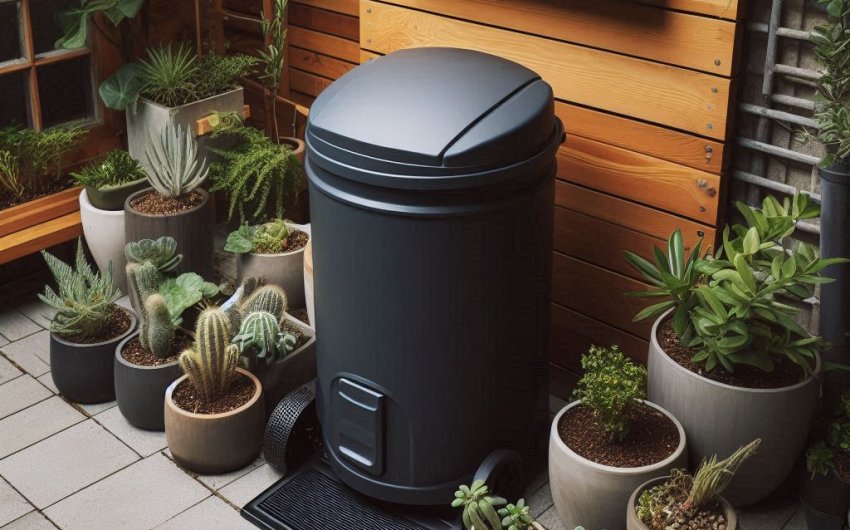
Composting is a cornerstone of sustainable living, turning kitchen scraps and yard waste into nutrient-rich "black gold" for your plants. But if you live in an urban area with close neighbors, limited space, or perhaps a small patio, the thought of starting a compost bin often comes with a big concern: smell. Nobody wants to be that neighbor whose compost pile makes the whole block wrinkle their nose! The good news is, you absolutely can make compost with no smell in urban areas. It all comes down to understanding the science of odor and implementing smart, proactive composting practices. This guide will show you how to keep your compost fresh and your neighbors happy.
The Science of Smelly Compost (and How to Avoid It)
A healthy compost pile should smell earthy, like a forest floor. If your compost stinks, it's a clear sign that something is wrong with the decomposition process.
The Culprit: Anaerobic Decomposition
- No Oxygen = Bad Smell: The most common cause of foul compost odors is anaerobic decomposition. This happens when your compost materials don't get enough oxygen.
- Bad Bacteria: Instead of beneficial aerobic (oxygen-loving) microbes doing the work, different anaerobic microbes take over. These produce foul-smelling gases like methane, hydrogen sulfide (rotten egg smell), and ammonia.
- Why It Happens: Typically, this results from a compost pile that is:
- Too Wet/Soggy: Water fills all the air pockets.
- Too Dense/Compact: Materials are packed too tightly together.
- Too Much Nitrogen ("Greens"): An excess of wet, "green" materials (like fresh grass clippings or lots of juicy food scraps) without enough "brown" materials quickly leads to a soggy, oxygen-deprived environment.
The Solution: Aerobic Decomposition
- Oxygen is Key: The goal is to encourage aerobic decomposition. This means providing plenty of oxygen throughout your compost pile. When aerobic microbes are happy, they work fast, produce heat, and create an earthy smell.
Best Composting Methods for Urban Areas (Odor-Free Focus)
Choosing the right composting system is your first step to a smell-free experience.
1. Compost Tumblers (Highly Recommended for Urban Use)
- Why They're Great:
- Enclosed & Odor-Proof: Most tumblers are sealed, preventing odors from escaping and keeping pests out.
- Easy Aeration: Their main feature is easy turning. Just a few spins a day (or every few days) thoroughly aerates the compost, providing essential oxygen and preventing anaerobic conditions.
- Efficient Heat: Tumblers, especially if properly balanced, can generate and maintain heat for faster decomposition, further reducing odor potential.
- Neat & Tidy: They keep the composting process contained and attractive, important for small spaces.
- Considerations: Choose a size that suits your waste volume. A dual-chamber compost tumbler is great for having one batch cooking while you fill the other.
2. Vermicomposting (Worm Composting)
- Why They're Great:
- Indoor/Outdoor: Can be done indoors (kitchen, basement, apartment balcony) with virtually no smell if managed properly.
- Efficient Food Waste: Worms (red wigglers) are fantastic at breaking down food scraps.
- No Turning: Worms do the aerating for you.
- Nutrient-Rich Output: Produces valuable "worm castings" (worm poop) which are a super-rich soil amendment.
- Considerations: Requires specific "composting worms" (red wigglers, not garden earthworms). You need to be mindful of what you feed them (avoid meat, dairy, excessive oily foods). Temperature sensitivity.
- System: A multi-tiered worm compost bin is ideal.
3. Enclosed Bins with Lids
- Why They're Good: Better than open piles for odor control and pest deterrence. A plastic backyard compost bin with a secure lid works well.
- Considerations: Still require manual turning with a pitchfork or compost aerator. Make sure they have ventilation holes for air circulation without allowing pests in easily.
4. Bokashi Composting (Pre-Composting System)
- Why They're Great:
- Indoor Use: This is a fermentation process that happens in an airtight bucket. It can handle ALL food scraps, including meat, dairy, and oils, without smell.
- Compact: Very small footprint.
- Fast: Ferments scraps quickly.
- Considerations: It's a two-step process. After fermentation, the fermented waste still needs to be buried in the garden soil or added to a traditional compost pile to fully break down into compost. It doesn't produce finished compost directly.
- System: A Bokashi composting kit includes the bucket and bran.
Essential Strategies for Odor-Free Composting (Applies to All Methods!)
No matter your system, these practices are crucial for preventing smells.
1. Balance "Greens" (Wet) with "Browns" (Dry) - The Golden Rule!
This is the most fundamental aspect of odor-free composting.
- Greens (Nitrogen): Food scraps, fresh grass clippings, coffee grounds, fresh plant trimmings. These are usually wet and decompose quickly. Too many cause smells.
- Browns (Carbon): Dried leaves, straw, shredded cardboard, newspaper (plain black ink), sawdust (untreated), dry plant stalks. These absorb moisture and create air pockets.
- The Problem: Too many "greens" without enough "browns" makes the compost soggy, dense, and oxygen-deprived, leading to anaerobic smells.
- The Solution:
- Ideal Ratio: Aim for roughly 2-3 parts browns to 1 part greens by volume. Don't be afraid to add more browns if your greens are particularly wet.
- Layering is Key: Always alternate layers of greens with generous layers of browns. When adding kitchen scraps, always add a layer of browns on top.
- Have Browns Ready: This is critical for urban composters. Collect and store dry "browns" in a separate bin or bag. Shredded newspaper, torn cardboard, or a bag of collected autumn leaves are invaluable. A paper shredder is an excellent investment for urban composters.
2. Bury All Food Scraps Deeply
- Pest and Odor Prevention: Exposed food scraps are an open invitation for fruit flies, ants, and other pests, and they release odors into the air before decomposition fully starts.
- How: Whenever you add new food scraps (especially juicy or cooked ones), dig a hole in the existing compost material, dump the scraps in, and then immediately cover them with at least 6-8 inches (15-20 cm) of other compost material, ideally dry "browns." For tumblers, add, then spin immediately.
3. Chop Materials into Smaller Pieces
- Speed Up Breakdown: Smaller pieces of organic matter (1-2 inches or 2.5-5 cm) break down much faster, reducing the time they spend sitting around and potentially becoming smelly.
- How: Quickly chop large fruit peels, vegetable scraps, and garden trimmings. For materials like bread, always tear it into small pieces to prevent it from clumping and becoming dense.
4. Ensure Excellent Aeration
- Oxygen for Aerobic Microbes: This is fundamental.
- Turning: For traditional bins/piles, turn your compost every few days or at least once a week with a compost fork or aerator. For tumblers, spin it 5-10 times each day or every other day. This introduces fresh oxygen and prevents compaction.
- Structure from Browns: The coarse structure of "browns" (like shredded cardboard, straw, wood chips) creates air pockets within the pile, preventing it from becoming a dense, airless mass.
5. Control Moisture Levels
- The "Wrung-Out Sponge" Test: Your compost pile should be consistently damp to the touch, like a wrung-out sponge, but never soggy or dripping wet.
- Adjust as Needed:
- Too Wet: If it's soggy, smells like rotten eggs, or is attracting flies, add more dry "browns" and turn vigorously to absorb excess moisture and introduce air.
- Too Dry: If it's dusty and decomposition has stalled, add water slowly as you turn.
- Drain Wet Scraps: For very juicy fruit scraps (like melon rinds), let them drain in a colander for a bit before adding to the compost.
6. What NOT to Compost (for Odor & Pest Control in Urban Areas)
These materials are highly prone to causing odors and attracting pests, especially in urban environments.
- Meat, Bones, Fish: Decompose slowly, produce strong, putrid odors, and attract rodents, raccoons, and flies. Avoid these entirely in home compost bins, unless using a specialized Bokashi system (and then burying the fermented waste).
- Dairy Products: Milk, cheese, yogurt. Attract pests and produce strong odors.
- Fats and Oils: Cooking oil, butter, greasy foods. Slow to break down, can go rancid, and attract pests.
- Pet Waste: Contains pathogens. Avoid.
- Diseased Plants: Can spread diseases. Avoid.
- Weeds with Seeds: While not an odor issue, they can spread weeds in your garden. Only add to a hot compost pile that consistently reaches 140°F+ (60°C+) throughout, or solarize them first.
7. Empty Your Kitchen Compost Pail Regularly
- Frequency: The small bin you keep on your kitchen counter should be emptied into your main outdoor compost system frequently – every 2-3 days for maximum odor control, or at least once a week.
- Cleanliness: After emptying, give your kitchen compost bin a quick rinse with warm, soapy water. A splash of diluted vinegar or baking soda can help neutralize lingering smells. Ensure it's dry before adding new scraps. A kitchen compost bin with a charcoal filter helps keep the counter container fresh.
Troubleshooting Urban Compost Odors
If your compost does start to smell, here's a quick checklist.
- Ammonia Smell: Too much "greens." Add more "browns" (shredded paper!), mix thoroughly.
- Rotten Egg/Sour Smell: Too wet, not enough air. Add lots of dry "browns," turn vigorously.
- Fruity/Sweet Smell with Flies: Exposed food scraps. Bury everything. Use a lid.
- General Musty/Stale Smell: Not enough aeration, or too much dense material. Turn more frequently. Add some coarser browns.
Making compost with no smell in urban areas is completely achievable with proactive planning and consistent effort. By choosing the right system (like a compost tumbler or vermicompost bin), balancing your "greens" and "browns," chopping materials, burying food scraps, and ensuring plenty of aeration, you can enjoy all the benefits of composting without any unpleasant odors for you or your neighbors. Start composting today and turn your urban waste into garden gold!