
Can You Compost Animal Bones? A Beginner’s Guide
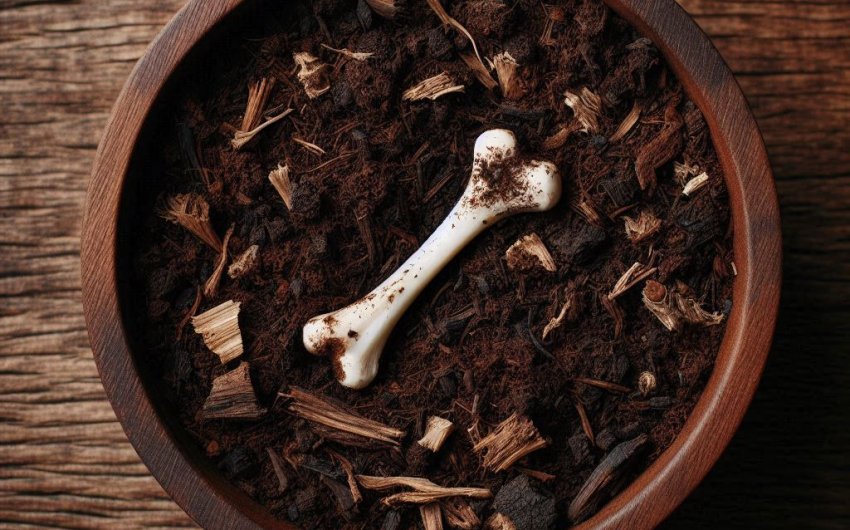
After a delicious meal, you're left with chicken bones, fish skeletons, or maybe a beef rib. As a composting enthusiast, your first thought might be: "Can these go in the compost bin?" The question of can you compost animal bones is a common one, and it often leads to conflicting advice. While many composting guides warn against them, the truth is, it is possible to compost bones, but it's not always simple, especially for beginners or in standard home compost bins. This guide will provide a beginner's understanding, separating myths from facts, and outlining the best methods and precautions for adding bones to your compost.
Why the Hesitation with Composting Bones?
You've probably heard the advice: "No meat, no bones, no dairy!" This common caution is well-founded for most casual home composters.
Main Reasons for Avoiding Bones in Home Compost:
- Pest Attraction: This is the biggest concern. Bones, especially those with any lingering meat or fat, produce strong odors as they decompose. This attracts scavengers like rats, raccoons, opossums, and even neighborhood dogs, which can tear apart your compost pile looking for a meal.
- Odors: Even without pests, the decomposition of meat and bone can create very unpleasant, putrid smells if not composted properly. This is often due to anaerobic conditions (lack of oxygen).
- Slow Decomposition: Bones are primarily made of calcium phosphate, a very hard mineral structure. They break down extremely slowly in typical home compost piles, often remaining intact for years.
- Incomplete Breakdown: You might end up with recognizable bone fragments in your finished compost, which can be unsightly and undesirable for garden use.
- Pathogens: While proper hot composting can kill pathogens, the risk of potentially harmful bacteria (like E. coli or Salmonella) from animal products is higher if temperatures aren't consistently maintained.
The Facts: Bones Can Compost, But How?
Despite the challenges, bones are organic and will eventually break down. It just requires specific conditions or a different approach.
What Bones Bring to Compost (If Decomposed)
- Calcium and Phosphorus: Bones are rich sources of calcium phosphate, two essential plant nutrients. When fully broken down, they contribute these minerals to your soil, benefiting plant growth, cell structure, and root development.
- Trace Minerals: They also contain trace amounts of other minerals.
The Ideal Conditions for Bone Decomposition
To break down bones effectively, you need:
- Very High and Consistent Heat: True hot composting, where the pile consistently reaches and maintains temperatures of 140-160°F (60-70°C) for several weeks, is ideal. This heat helps break down fats/meat and softens the bone structure.
- Small Particle Size: This is the most crucial factor. Large bones simply won't decompose quickly. They need to be as small as possible.
- Active Microbial Population: A thriving community of diverse microorganisms (bacteria and especially fungi) is needed to tackle these tough materials.
- Long Decomposition Time: Even under ideal conditions, bones will take significantly longer than most other compost materials.
Methods for Composting Animal Bones (From Beginner to Advanced)
Here are several approaches, ranging from safest for beginners to more advanced techniques.
Method 1: Do Not Compost Bones (Beginner-Friendly / Standard Home Composting)
- Recommendation: For most new composters or those with basic backyard bins/tumblers, the simplest and safest advice is to avoid composting animal bones altogether.
- Why: This completely eliminates the risk of odors, pests, and long decomposition times.
- Alternative Disposal: Wrap them securely and put them in your regular trash, or check if your municipal composting program accepts meat and bones.
Method 2: Burying (Trench Composting - Use with Caution)
- How it Works: Dig a hole or trench in a non-planting area of your garden, place the bones in, and cover them deeply with soil (at least 12-18 inches / 30-45 cm).
- Pros: Hides bones from view and surface pests, eliminates odor.
- Cons:
- Still Attracts Burrowing Pests: Animals like rats, raccoons, or even your own dogs might still dig them up.
- Very Slow Decomposition: Without active composting conditions, bones buried directly in soil will take years to break down.
- Localized Nutrient Release: Nutrients are released very slowly and in one spot.
- Best For: Small, clean bone fragments (e.g., from small fish) if you absolutely want to avoid throwing them out, in an area far from the house and pets. Not recommended for large bones or if you have persistent pest issues.
Method 3: Pre-Treating Bones (for Faster Breakdown)
This step is essential for any method where you intend to add bones to an active compost pile.
- Clean Thoroughly: Scrape off any meat, fat, or grease as much as possible. Rinse the bones well. Any remaining organic matter will attract pests and cause odors.
- Cook Them (Optional but Recommended): Boiling bones for several hours (to make broth) or roasting them breaks down some of the organic material and makes the bones more brittle and porous. This makes them easier to break and allows microbes to access them better.
- CRUSH THEM INTO AS SMALL PIECES AS POSSIBLE: This is the most critical step for bone decomposition. Large bones take forever. The smaller they are, the faster they will decompose and release nutrients.
- Hammer/Mallet: Place clean, dry bones (especially chicken or fish bones) in a sturdy bag (like a canvas bag or multiple plastic bags) and smash them with a hammer or mallet.
- Blender/Food Processor: For brittle, cooked chicken or fish bones, a heavy-duty blender or food processor might be able to pulverize them into very small fragments or powder.
- Mortar and Pestle: For very small, brittle pieces, a mortar and pestle can create bone powder.
Method 4: Hot Composting (for Pulverized Bones)
If you're confident in your hot composting abilities and have gone through the pre-treatment steps.
- Pulverize Bones: Ensure bones are as small as possible (ideally bone meal or tiny fragments) using Method 3.
- Add Sparingly: Don't add a huge quantity of bones at once. Incorporate small amounts (a handful or two) at a time.
- Bury Deeply and Centrally: Always bury the crushed bones deep in the center of your hot compost pile. This is where temperatures are highest and best for breaking down organic matter. Cover them with at least 6-8 inches (15-20 cm) of active compost material.
- Maintain High Heat: Ensure your compost pile consistently reaches and maintains hot composting temperatures (140-160°F or 60-70°C) for several weeks. This requires a balanced mix of greens/browns, optimal moisture, and frequent turning. A compost thermometer is essential for monitoring.
- Turn Regularly: Frequent turning helps distribute the bones, ensures they are exposed to heat, and maintains aeration.
- Patience: Even pulverized bones will take a while to completely disappear. Expect them to be one of the last materials to fully break down.
Method 5: Using a Dedicated Bone Composter (Advanced/Specific)
Some specialized systems are designed for meat and bone composting, often relying on anaerobic digestion or very controlled hot composting. These are generally for larger-scale or very dedicated composters and are not typical backyard solutions.
What Bones Are Easiest to Compost?
- Small, Brittle Bones: Fish bones, chicken bones (especially if cooked and crushed), small bird bones. These are easier to pulverize and break down faster.
- Avoid Large, Dense Bones: Beef bones, pork bones, large animal bones. These are much harder to break down and are more attractive to pests.
Troubleshooting Bone Composting
If you're attempting to compost bones and encounter problems:
Problem: Odor (Foul/Putrid)
- Cause: Not enough oxygen (anaerobic conditions), or too much meat/fat still on the bones.
- Fix:
- Immediately add a large amount of dry "brown" material (shredded leaves, straw, shredded cardboard).
- Turn the pile vigorously to introduce air.
- If possible, identify and remove any very fatty/meaty pieces.
- Ensure future bone additions are thoroughly cleaned and very small.
Problem: Attracting Pests (Rodents, Dogs, Raccoons)
- Cause: Exposed bones/meat, or strong odors due to insufficient burial/anaerobic conditions.
- Fix:
- Immediately bury ALL exposed bones/meat deeply in the center of the pile, covered by fresh, active compost material.
- Ensure your compost bin has a secure, tight-fitting lid.
- If the problem persists, stop composting bones (or any meat/dairy/oily food) in that system. Remove any visible bones and dispose of them in the trash. You might need to trap/deter the animals.
Problem: Bones are not breaking down (still whole/large fragments)
- Cause: Bones were too large, pile not hot enough, or insufficient time.
- Fix:
- Remove large bone fragments and re-crush them into much smaller pieces.
- Ensure your compost pile is actively hot and well-aerated.
- Accept that it takes a long time. Bone fragments might remain even in finished compost; you can screen them out and return them to a new compost batch for further breakdown.
Alternatives to Composting Bones
If composting bones proves too challenging or attracts pests, here are alternatives:
- Municipal Composting: Many cities now offer municipal composting programs that accept meat and bones, as they use industrial-scale hot composting systems.
- Burying in Dedicated Pet Area: If you have pets and wish to return their bones to the earth, bury them deeply in a designated pet-only area of your yard where they won't be disturbed.
- Boil and Crush for Direct Soil Amendment: Boil bones (to remove all organic material and make them brittle). Then crush them into a fine powder (bone meal). This homemade bone meal can then be applied directly to garden beds as a slow-release source of phosphorus and calcium. This is a common organic fertilizer practice. A bone meal fertilizer can also be purchased.
Can you compost animal bones? Yes, with significant caveats. For the average beginner or standard backyard composter, it's generally best to avoid them due to the high risk of pests and odors and their very slow decomposition. However, for experienced hot composters willing to thoroughly pre-treat bones by pulverizing them and diligently maintain very high pile temperatures, it is a feasible way to return these nutrients to the earth. Ultimately, weigh the effort and risk against the benefits for your specific composting setup.