
How to Use Compost Accelerators Safely and Effectively?
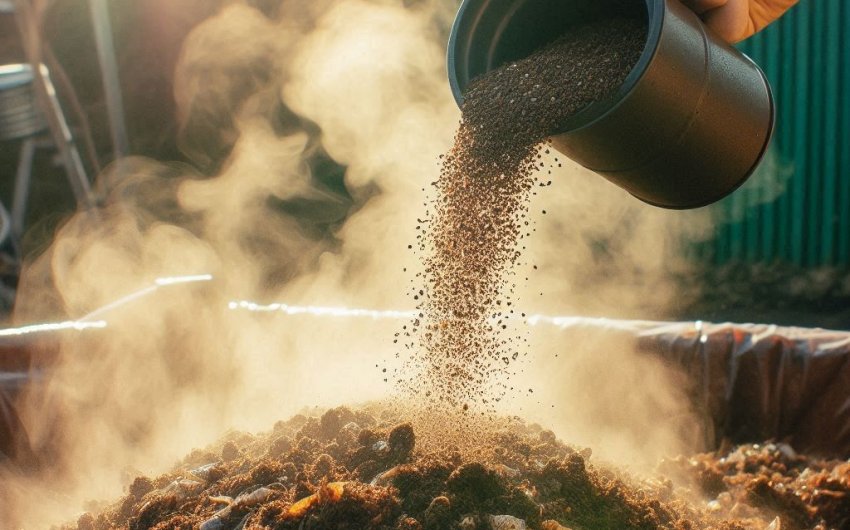
To use compost accelerators safely and effectively, understand their specific type (microbial or nutrient-based), apply them according to package directions, ensure proper compost pile conditions (moisture, aeration, carbon-to-nitrogen balance), and prioritize safety measures like wearing gloves and avoiding inhalation. These products boost microbial activity, speeding up decomposition.
What are Compost Accelerators and How Do They Work?
Compost accelerators (also known as compost activators or compost starters) are products designed to speed up the natural decomposition process in a compost pile. They essentially give your compost bin a "boost" by enhancing the activity of the microorganisms responsible for breaking down organic matter. Understanding how to use compost accelerators safely and effectively begins with knowing what they are and their mechanisms.
How They Work:
Compost accelerators primarily work in two main ways:
- Introducing/Boosting Microorganisms: Many accelerators contain concentrated amounts of beneficial microorganisms (bacteria and fungi) that are naturally found in healthy compost. When added to a pile, these microorganisms immediately begin to break down organic materials. This is particularly useful if your pile is new, lacking diverse microbial life, or struggling to heat up.
- Providing Key Nutrients (Especially Nitrogen): Some accelerators provide a concentrated source of nutrients, particularly nitrogen. Nitrogen is a critical "food" source for the decomposing microorganisms. By making nitrogen readily available, these accelerators help the microbes multiply and work more efficiently, speeding up the breakdown of "brown" (carbon-rich) materials like leaves and wood chips.
In essence, accelerators optimize the environment for decomposition by either populating the pile with the right workers (microbes) or giving those workers a hearty meal (nutrients), thereby quickening the composting process.
Why Would You Use a Compost Accelerator?
While composting is a natural process that will eventually happen on its own, using a compost accelerator can be highly beneficial in specific situations. Understanding these scenarios helps you decide how to use compost accelerators safely and effectively in your own composting journey.
- Speeding Up Decomposition: This is the most common reason. If you need finished compost quickly (e.g., for spring planting), an accelerator can significantly reduce the time it takes for your organic waste to transform into nutrient-rich soil amendment. A hot compost pile might finish in a few weeks instead of months.
- Restarting a Sluggish Pile: If your compost pile isn't heating up, smells bad (too much nitrogen, not enough air), or simply seems to be sitting there without much activity, an accelerator can kickstart the process by introducing a fresh surge of microbes and nutrients.
- Balancing Carbon-to-Nitrogen (C:N) Ratio: If your pile has too many "browns" (carbon-rich materials like dry leaves, wood chips) and not enough "greens" (nitrogen-rich materials like food scraps, grass clippings), decomposition slows down. Many accelerators provide a high-nitrogen boost, helping to balance this ratio.
- Composting Difficult Materials: Accelerators can sometimes aid in breaking down tougher materials like woody stems, although these still require more time and proper shredding.
- New Composting Setup: If you're just starting a compost pile from scratch and don't have existing compost or "starter" material (like a handful of garden soil or finished compost), an accelerator can effectively inoculate your pile with the necessary microbial life.
- Reducing Odors: A well-balanced, actively decomposing compost pile generates less objectionable odors. By speeding up the process and improving microbial balance, accelerators can sometimes help mitigate unpleasant smells.
- Enhancing Finished Compost Quality: By promoting a more efficient decomposition process, accelerators can help ensure a more uniform and nutrient-rich finished compost.
Ultimately, a compost accelerator is a tool to optimize an already good composting system. It works best when combined with proper composting practices, maximizing your efficiency in how to use compost accelerators safely and effectively.
What are the Different Types of Compost Accelerators?
To learn how to use compost accelerators safely and effectively, it's important to know that these products come in a few different forms, each with a slightly different composition and application method.
1. Microbial-Based Accelerators:
- What they are: These products contain a concentrated blend of beneficial bacteria, fungi, and other microorganisms that are naturally involved in decomposition. Some may also include enzymes that help break down organic matter.
- How they work: They directly inoculate your compost pile with a high population of the "worker" microbes, especially useful for new piles or those lacking diverse microbial life.
- Forms: Usually available as a powder or liquid concentrate.
- Examples: Many commercial "compost starter" products fall into this category. They might list ingredients like Bacillus subtilis, Trichoderma species, or various enzymes. You can find Microbial Compost Starter.
- Best Used When: You're starting a new pile, your pile is struggling to heat up, or you suspect a lack of microbial activity.
2. Nutrient-Based Accelerators (High-Nitrogen Boosters):
- What they are: These accelerators are primarily a source of readily available nitrogen, often combined with other essential nutrients for microbial growth (like phosphorus and potassium).
- How they work: They provide a quick and easy food source for existing microbes, encouraging them to multiply rapidly and speed up decomposition, especially of carbon-rich (brown) materials.
- Forms: Often granular, pelletized, or powdered.
- Examples: Common ingredients include:
- Urea or Ammonium Sulfate: Synthetic nitrogen sources (check if certified organic if that's a concern).
- Alfalfa Meal: An organic nitrogen source.
- Blood Meal: Another organic nitrogen source.
- Manure: Dried, aged manure can act as a natural accelerator, providing both microbes and nitrogen.
- Best Used When: Your pile has a high proportion of "brown" materials (leaves, wood chips) and needs a nitrogen boost to balance the C:N ratio, or when you want to quickly fire up a pile.
3. Combination Products:
- What they are: Many commercial compost accelerators are a blend of both microbial cultures and nutrient sources, offering a synergistic effect.
- How they work: They provide both the "workers" and the "food" to optimize decomposition.
- Forms: Can be granular, powder, or liquid.
- Examples: Look for products that list both microbial ingredients and nutrient percentages on their labels. All-in-One Compost Activator will often be a blend.
Understanding these types helps you select the right product for your specific composting needs and use it most effectively, which is a key part of how to use compost accelerators safely and effectively.
How Do You Prepare Your Compost Pile for an Accelerator?
For a compost accelerator to work effectively, your compost pile needs to meet certain basic conditions. Think of it like inviting guests to a party – you need to set the stage for them to have a good time and do their job (decompose!). Proper preparation is crucial for how to use compost accelerators safely and effectively.
1. Ensure Proper Moisture:
- Optimal Level: Your compost pile should be consistently moist, like a wrung-out sponge. Neither too dry (microbes can't move or work) nor too wet (becomes anaerobic and smelly).
- Check: Squeeze a handful of material. A few drops of water should emerge.
- Adjust: If too dry, add water as you turn the pile. If too wet, add more dry, carbon-rich materials (like shredded leaves, straw, or dry wood chips).
- Why Important: Microorganisms need water to survive and perform their metabolic processes. An accelerator won't work on a dry pile.
2. Provide Good Aeration:
- Optimal Airflow: Composting is an aerobic process, meaning it requires oxygen. Lack of oxygen slows decomposition and leads to foul odors.
- How to Achieve:
- Turning: Regularly turn your compost pile (every few days to once a week). This introduces oxygen throughout the pile.
- Structure: Ensure your materials are not too compacted. Layer coarse materials (like chopped twigs) with finer ones.
- Compost Bin Design: Use a compost bin that allows for good airflow (e.g., wire mesh bin, pallet bin with gaps).
- Why Important: Accelerators boost aerobic microbes; without oxygen, they can't thrive, and anaerobic (smelly) bacteria will take over.
3. Balance Carbon ("Browns") and Nitrogen ("Greens"):
- Optimal Ratio: The ideal Carbon-to-Nitrogen (C:N) ratio for rapid composting is roughly 25-30 parts carbon to 1 part nitrogen.
- Browns (High Carbon): Dry leaves, straw, wood chips, shredded paper, cardboard.
- Greens (High Nitrogen): Grass clippings, food scraps, coffee grounds, fresh manure.
- Check Balance: If your pile is mostly brown, it will be slow. If mostly green, it might be slimy and smelly.
- Adjust: Aim for a good mix, often a 2:1 or 3:1 ratio of browns to greens by volume.
- Why Important: Accelerators work best when the basic C:N ratio is reasonably balanced. Nutrient-based accelerators help correct a high-carbon imbalance, but they can't compensate for a severely out-of-whack pile.
4. Chop or Shred Materials:
- Surface Area: Break down large pieces of organic material into smaller ones (e.g., 1-2 inch pieces).
- Why Important: Smaller pieces have more surface area for microbes to colonize and break down, speeding up the process regardless of an accelerator.
By ensuring these basic composting conditions are met, you create the perfect environment for your chosen compost accelerator to thrive, making it an effective tool in how to use compost accelerators safely and effectively.
How Do You Apply Compost Accelerators Effectively?
Applying a compost accelerator effectively means ensuring it gets distributed properly throughout your compost pile so the microbes and nutrients can reach all the organic matter. This is a key part of how to use compost accelerators safely and effectively.
General Application Guidelines:
- Read the Label First: Always, always read and follow the specific instructions on your chosen compost accelerator product. Ratios and methods can vary.
- Timing of Application:
- New Piles: Apply when starting a new pile, especially if you don't have existing compost or manure to kickstart it.
- Sluggish Piles: Apply when your compost pile seems to have stalled, isn't heating up, or decomposition is very slow.
- When Adding New Layers: A good practice is to sprinkle accelerator on fresh layers of organic material (especially carbon-rich browns) as you add them to the pile.
- Layering Method (Recommended):
- This is the most effective way to ensure even distribution.
- As you build or add to your compost pile, create layers of organic material (alternating greens and browns).
- Between each layer (e.g., every 6-12 inches of material), sprinkle the recommended amount of compost accelerator over the surface.
- If using a liquid accelerator, you might dilute it and spray it over the layers.
- Why it works: This method ensures the accelerator is integrated throughout the pile, not just on the top, allowing it to contact more material and kickstart decomposition evenly.
- Mixing into Existing Piles:
- If you're adding accelerator to an already built or sluggish pile, you'll need to work it in.
- As you turn your compost pile, sprinkle the accelerator over the material being turned. This helps distribute it throughout.
- After adding, ensure the pile is thoroughly mixed and moistened to activate the accelerator.
- Moisten After Application: After applying a granular or powdered accelerator, lightly water the area to help the product dissolve and activate the microbes. The moisture also helps carry the nutrients or microbes down into the pile.
- Don't Overdo It: Using more than the recommended amount of accelerator will not necessarily speed up composting further and can be a waste of product. Stick to the advised dosage.
- Consider Shredding/Chopping: Remember that smaller pieces of organic matter (shredded leaves, chopped food scraps) provide more surface area for the accelerator and microbes to work on, making the process even faster.
By following these application guidelines, you ensure your compost accelerator works to its full potential, making your composting efforts more efficient and effective, and demonstrating how to use compost accelerators safely and effectively.
What are the Safety Precautions When Using Compost Accelerators?
While compost accelerators are generally safe products designed for organic waste, it's still important to follow basic safety precautions. Understanding these is a key part of learning how to use compost accelerators safely and effectively.
1. Always Read the Label:
- Product-Specific Instructions: This is the most important rule. Different brands and types of accelerators will have specific application rates, dilution instructions, and safety warnings. Read them carefully before you open the package.
- Ingredients: Be aware of the ingredients. If you have allergies or specific environmental concerns (e.g., only organic-certified products), ensure the ingredients align with your needs.
2. Personal Protective Equipment (PPE):
- Gloves: When handling powdered or granular compost accelerators, it's a good practice to wear Gardening Gloves. This prevents skin irritation and keeps your hands clean.
- Dust Mask: For powdered accelerators, consider wearing a Dust Mask for Gardening to avoid inhaling fine particles. While not usually toxic, inhaling any fine dust can cause respiratory irritation.
- Eye Protection: If there's a risk of splashing (with liquid concentrates) or blowing dust, wear Safety Glasses.
3. Avoid Inhalation:
- When opening packages or sprinkling powdered products, avoid putting your face directly over the container.
- Work in a well-ventilated area, especially if applying to an indoor worm bin or smaller closed compost system.
4. Avoid Contact with Eyes and Skin:
- If the product comes into contact with your skin, wash the affected area thoroughly with soap and water.
- If it gets into your eyes, flush with plenty of clean water for several minutes and seek medical attention if irritation persists.
5. Storage:
- Original Container: Store compost accelerators in their original, tightly sealed containers.
- Cool, Dry Place: Keep them in a cool, dry place away from direct sunlight and extreme temperatures.
- Out of Reach: Store out of reach of children and pets. Although generally low-toxicity, they are not intended for consumption.
6. Environmental Safety:
- Proper Disposal: Dispose of empty containers according to local regulations.
- Don't Overapply: Using excessive amounts does not speed up the process further and could potentially lead to nutrient imbalance in the finished compost or runoff issues.
By diligently following these safety precautions, you can confidently and responsibly integrate compost accelerators into your composting routine, ensuring how to use compost accelerators safely and effectively in your garden.
What are the Limitations and Misconceptions of Compost Accelerators?
While compost accelerators can be beneficial tools, it's important to understand their limitations and clear up common misconceptions. They are not magic bullets and work best when integrated with proper composting techniques. This awareness is key to learning how to use compost accelerators safely and effectively.
Misconception 1: "Compost accelerators work on any pile, regardless of conditions."
- Reality: Accelerators will have minimal to no effect on a compost pile that is too dry, too wet, lacking aeration, or has a severely imbalanced carbon-to-nitrogen ratio. They boost existing microbial activity or add new microbes, but those microbes still need the right environment to thrive.
- Takeaway: Accelerators are a boost to a healthy composting system, not a fix for a poorly managed one. Always ensure proper moisture, aeration, and C:N balance first.
Misconception 2: "The more accelerator you use, the faster it will compost."
- Reality: Once the microbial population in your compost pile is optimal, adding more accelerator will not significantly speed up the process. There's a saturation point. Over-application can be a waste of money and may lead to excess nutrients in the pile, potentially causing odor issues if not properly managed.
- Takeaway: Stick to the recommended dosage on the product label.
Misconception 3: "Compost accelerators can break down any material quickly."
- Reality: While they can aid in breaking down tougher materials, accelerators won't instantly decompose large branches, whole logs, or materials like meat and dairy (which should generally be avoided in home compost anyway). These materials will still take a long time to break down, even with an accelerator.
- Takeaway: Shredding or chopping tough materials into smaller pieces is far more effective at speeding up decomposition than relying solely on an accelerator.
Misconception 4: "You absolutely need a compost accelerator to make compost."
- Reality: Compost can be made perfectly well without any commercial accelerator. Nature provides all the necessary microorganisms (from soil, existing plant matter, food scraps). A properly balanced, moist, and aerated pile will naturally heat up and decompose on its own.
- Takeaway: Accelerators are a convenience tool for speed or troubleshooting, not a necessity for basic composting.
Limitation 1: They Don't Replace Turning:
- Accelerators can kickstart microbial activity, but they don't replace the need for turning your compost pile. Turning introduces oxygen, mixes materials, and helps regulate temperature, all of which are vital for a hot, fast compost.
Limitation 2: Cost:
- While not expensive per application, the cost of accelerators can add up over time. Natural "accelerators" like a shovel full of garden soil (to add microbes) or a handful of fresh manure (for nitrogen and microbes) are often free.
By understanding these limitations and misconceptions, you can make informed decisions about whether and how to use compost accelerators safely and effectively as part of your overall composting strategy.
Can Natural Materials Act as Compost Accelerators?
Absolutely! Many readily available natural materials can act as compost accelerators, providing the necessary nitrogen boost or microbial inoculation to speed up your composting process. Often, these are as effective, if not more so, than commercial products, and they come with the added benefit of being free and completely organic. Knowing these alternatives is crucial for understanding how to use compost accelerators safely and effectively without necessarily relying on purchased products.
1. High-Nitrogen "Green" Materials:
These materials are rich in nitrogen, which fuels the rapid reproduction of composting microorganisms.
- Fresh Grass Clippings: An excellent nitrogen source. Add in thin layers to avoid creating a dense, slimy, anaerobic mat.
- Fresh Manure: Chicken, cow, horse, or rabbit manure are fantastic compost activators. They provide both nitrogen and a rich source of diverse microbes. Ensure it's not from animals treated with persistent herbicides if you plan to use the compost on edible plants.
- Urine: Believe it or not, urine is very high in nitrogen and can be used (diluted) to kickstart a compost pile. It's often diluted 1:10 with water and sprinkled onto brown layers.
- Coffee Grounds: Rich in nitrogen and also add acidity.
- Alfalfa Meal / Blood Meal: If you're buying organic fertilizers, these are high-nitrogen organic amendments that can be sprinkled into the pile. Organic Alfalfa Meal or Organic Blood Meal.
2. Microbial Inoculants:
These materials introduce a diverse range of microorganisms into your pile.
- A Shovel Full of Garden Soil: Your garden soil is teeming with the very same bacteria and fungi that break down compost. Adding a small amount to a new pile (especially layered with green and brown materials) effectively "seeds" it with microbes.
- Finished Compost: If you have any finished compost, a handful sprinkled into a new pile is an excellent microbial starter. It's the ultimate compost accelerator!
- Existing Compost Pile: Simply turning your active compost pile introduces existing microbes to new materials.
3. Water:
- While not an "accelerator" in the nutrient sense, water is absolutely essential. A dry compost pile will not decompose. Ensuring consistent moisture (like a wrung-out sponge) is the most fundamental way to keep microbes active.
How to Use Natural Accelerators Effectively:
- Layering: Integrate these materials into your compost pile in thin layers, alternating with "brown" materials.
- Mixing: Ensure they are well mixed when you turn the pile.
- Moisture: Always ensure adequate moisture after adding any of these materials.
By leveraging these readily available and often free natural materials, you can effectively accelerate your composting process, demonstrating a truly sustainable approach to how to use compost accelerators safely and effectively. This helps transform your organic waste into valuable garden gold more quickly.