
How to Compost Eggshells for Better Calcium in Soil?
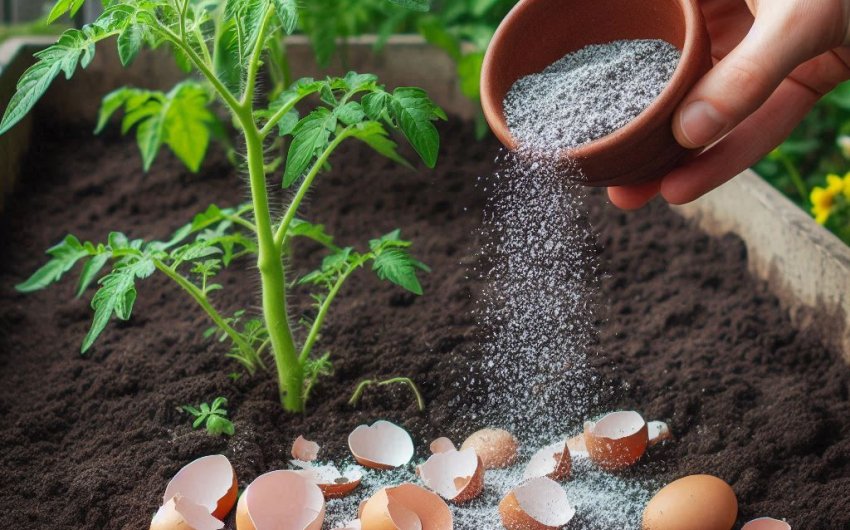
Every time you crack an egg, you're left with a perfect little package of garden potential: the eggshell. While many people toss them in the trash, eggshells are a fantastic, free, and natural source of calcium for your garden. But simply throwing whole shells into your compost bin won't unlock their full benefits. Knowing how to compost eggshells for better calcium in soil effectively is key to turning this common kitchen waste into a powerful plant fortifier. This guide will explain the benefits, debunk myths, and provide simple steps to make your eggshells a superstar amendment for your garden.
Why Calcium is Crucial for Healthy Soil and Plants
Before diving into eggshells, let's understand why calcium is so important in the first place.
The Role of Calcium in Soil
- Nutrient Availability: Calcium helps improve soil structure, allowing for better air and water movement. It also aids in balancing soil pH, which makes other essential nutrients more available to plants.
- Microbial Health: It contributes to a healthy environment for beneficial soil microorganisms.
The Role of Calcium in Plants
- Cell Wall Strength: Calcium is a vital "macronutrient" (though needed in smaller amounts than N-P-K) that strengthens plant cell walls. Think of it as the building block for sturdy plant tissue.
- Disease Resistance: Stronger cell walls help plants resist various diseases.
- Blossom End Rot Prevention: For fruiting vegetables like tomatoes, peppers, squash, and melons, calcium deficiency is the primary cause of blossom end rot – that frustrating black, sunken spot on the bottom of the fruit. Adequate calcium helps prevent this.
- Overall Plant Vigor: Calcium plays a role in root development, enzyme activity, and nutrient uptake, contributing to overall plant health and productivity.
Eggshells: A Natural Source of Calcium
Eggshells are almost entirely made of calcium carbonate (about 95%), which is the same compound found in agricultural lime. This makes them a natural, slow-release source of calcium.
Benefits of Composting Eggshells
- Free Calcium: A readily available, free resource from your kitchen.
- Natural and Organic: A chemical-free way to supplement calcium.
- Waste Diversion: Keeps eggshells out of landfills.
- Slow-Release: Calcium from eggshells becomes available gradually, preventing sudden nutrient imbalances.
- Pest Deterrent (Minor): Some gardeners believe crushed eggshells sprinkled around plants can deter soft-bodied pests like slugs and snails (though this effect is usually minimal compared to other methods).
The Myth About Eggshells in Compost
There's one persistent myth about eggshells that needs debunking.
Myth: Whole Eggshells Take Too Long to Break Down in Compost!
- The Myth: People often observe whole eggshell pieces remaining in finished compost for a long time and conclude that they don't break down or release calcium.
- The Fact: Eggshells do break down and release calcium, but they are very slow to do so if left whole. The tough, crystalline structure of the shell needs to be broken mechanically to speed up decomposition and calcium availability. They don't have the same high cellulose/lignin structure that fungal microbes eagerly break down, so they need a physical assist.
How to Compost Eggshells for Better Calcium in Soil: Best Practices
To get the most calcium benefit from your eggshells, follow these essential steps.
Step 1: Clean Your Eggshells
- Why? Removing any residual egg white or yolk is important to prevent odors and deter pests (like flies and rodents) in your compost bin. Egg residue can also slow down decomposition in a localized area.
- How:
- Rinse: Give the eggshells a quick rinse under running water after cracking them.
- Dry: Allow them to air dry completely, or even better, bake them.
Step 2: Dry Your Eggshells (Optional, but Recommended)
- Why? Drying makes the shells brittle, which makes them much easier to crush. It also removes any lingering moisture or residue that could cause odor or mold.
- How:
- Air Dry: Leave them on a counter or windowsill for a few days until completely dry.
- Bake (Best Method): Spread cleaned eggshells on a baking sheet and bake them in your oven at 200-250°F (93-120°C) for 10-20 minutes, or simply after you've finished baking something else and the oven is cooling down. They should be brittle and easy to crush.
Step 3: Crush Your Eggshells into a Fine Powder (MOST IMPORTANT STEP!)
- Why? This is the single most critical step for making calcium available to your plants. Whole or large pieces of eggshell can take years to break down in compost. Crushing them dramatically increases their surface area, allowing microbes, water, and soil acids to work on them faster.
- How:
- Mortar and Pestle: For smaller amounts, a mortar and pestle works well.
- Blender or Coffee Grinder: For larger quantities, a dedicated (or well-cleaned) blender or coffee grinder can turn dried eggshells into a fine powder in seconds. A spice and coffee grinder can be used.
- Rolling Pin/Bag: Place dried shells in a sturdy plastic bag and crush them with a rolling pin or hammer. This takes more effort but is effective.
- Aim for: A consistency like fine sand or powder.
Step 4: Add Crushed Eggshells to Your Compost Bin
Once finely crushed, eggshells are ready for your compost.
- "Brown" or "Green"? Eggshells are not technically a "green" or "brown" in the traditional sense, as they are mineral-based. They are an amendment. However, add them with your food scraps.
- Layering: When adding your daily "greens" (food scraps), sprinkle a handful of your finely crushed eggshell powder over them.
- Bury It: Always ensure that any food scraps, and the eggshell powder mixed with them, are buried deeply within the compost pile to deter pests and ensure they are in the active decomposition zone.
- Ratio: There's no strict ratio for eggshells, but a few eggshells per week from a typical household are fine for most compost bins. Don't add massive quantities that might overwhelm the other materials.
Step 5: Maintain a Healthy, Active Compost Pile
Even perfectly crushed eggshells won't release calcium if your compost pile isn't active.
- Balance: Maintain your compost pile's overall balance of 2-3 parts browns to 1 part greens (by volume).
- Moisture: Keep the pile consistently damp, like a wrung-out sponge.
- Aeration: Turn your compost pile (or spin your compost tumbler) regularly to ensure plenty of oxygen.
- Heat (Hot Composting): A hot compost pile (130-160°F or 55-70°C) will accelerate all decomposition, including the breakdown and release of calcium from eggshells.
How Compost Makes Calcium Available
The magic of compost doesn't just break down the eggshells; it prepares the calcium for your plants.
- Microbial Action: As organic matter decomposes, it creates mild organic acids. These acids, combined with the continuous activity of soil microbes, slowly dissolve the calcium carbonate in the eggshells.
- Chelation: Microbes also help in a process called chelation, where they bind nutrients (like calcium) into forms that are more easily absorbed by plant roots.
- Improved Soil pH: While the eggshells themselves have a basic (alkaline) pH, when fully integrated into a healthy compost pile, the overall compost remains neutral. When this compost is added to slightly acidic garden soil, it helps to balance the pH, further enhancing nutrient availability, including calcium.
Using Eggshell-Enriched Compost in Your Garden
Once your compost is finished, it's ready to provide calcium to your plants.
- For General Garden Beds: Mix the finished compost into your garden soil before planting. This will provide a slow, steady release of calcium.
- For Tomatoes, Peppers, Squash, Melons (Blossom End Rot Prevention):
- Add a handful of your eggshell-enriched compost to the bottom of the planting hole when transplanting.
- Top-dress around the base of established plants with the compost.
- For extra calcium, you can also use your pure crushed eggshell powder directly around these plants and gently work it into the top inch of soil.
- Container Plants: Mix into potting soil for container plants that need a calcium boost.
- Soil Amendment: Use as a general soil amendment for overall soil health and structure.
Alternatives and Companion Uses for Eggshells
If composting isn't your only goal, eggshells have other garden uses.
1. Direct Application (Powdered)
- How-to: If you don't compost, you can still use crushed eggshell powder directly in your garden. Just sprinkle it around plants that need calcium (especially tomatoes) and gently work it into the top inch of soil.
- Benefits: Direct calcium delivery, but won't offer the other benefits of composted organic matter.
2. Around Plants for Pest Control (Minimal Effect)
- Theory: Some gardeners believe the sharp edges of crushed eggshells deter soft-bodied pests like slugs and snails from crossing.
- Reality: This effect is often minimal once the shells get wet or soil fills in the gaps. It's not a reliable standalone pest control method. If trying, use very coarsely crushed shells for sharper edges.
3. Add to Bird Feeders
- Calcium for Birds: Crushed, baked eggshells can be added to bird feeders. The calcium is beneficial for female birds during egg-laying season.
Composting eggshells for better calcium in soil is a simple, effective, and sustainable way to enhance your garden's fertility. By cleaning, drying, and, most importantly, finely crushing your eggshells, you unlock their calcium potential. When added to a healthy, active compost pile, they transform into a valuable, slow-release amendment that helps build strong plant cell walls, prevents blossom end rot, and contributes to overall soil health. So next time you enjoy your breakfast eggs, remember their incredible potential for your garden!