
Can You Compost Bread Without Attracting Mold?
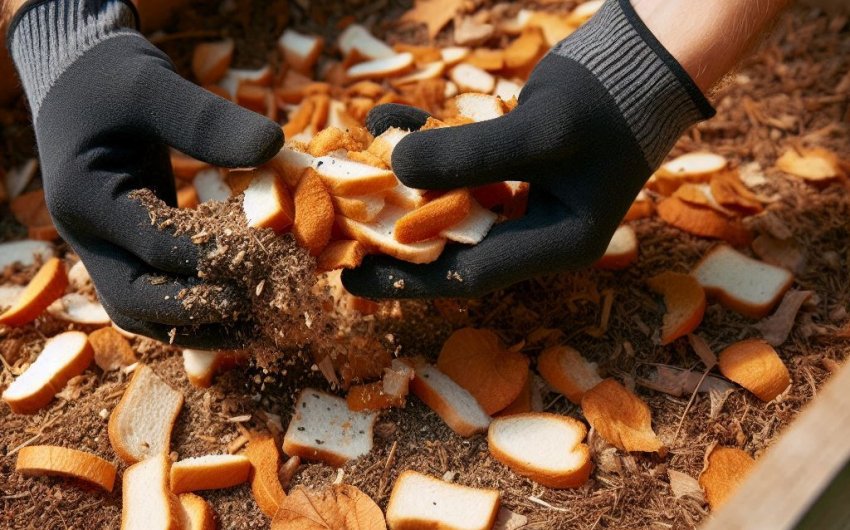
That stale bread, leftover toast, or forgotten bagel often ends up in the trash. But for environmentally conscious gardeners, the question arises: Can you compost bread? You might worry about it attracting mold, pests, or becoming a clumpy, smelly mess. The good news is, with the right techniques, you absolutely can compost bread without attracting mold or other common composting issues! Bread is a "green" (nitrogen-rich) material that can be a valuable addition to your compost pile when handled correctly. This guide will separate the myths from the facts and show you how to successfully turn bread waste into garden gold.
Understanding Bread in the Compost Pile
Let's clarify what bread contributes and why it can sometimes be problematic if not managed well.
What Bread Brings to Compost
- "Green" Material: Bread is primarily made from grains, which are high in carbohydrates. These quickly digestible components make bread a "green" (nitrogen-rich) material in composting terms, even if it looks brown. It provides a readily available energy source for compost microbes.
- Moisture: Bread contains moisture, which contributes to the overall dampness of the compost pile.
- Nutrients: As it breaks down, bread adds various nutrients to the compost.
Why Bread Can Be Problematic (If Not Managed)
- Rapid Mold Growth: Bread is highly susceptible to mold, especially when wet. While mold is a decomposer and not inherently "bad" in compost, a large, visible mold colony can be off-putting and signal potential problems.
- Pest Attraction: The high carbohydrate content and potential for mold make exposed bread a magnet for fruit flies, ants, and potentially rodents.
- Compaction: Large pieces of bread can become dense and clumpy when wet, reducing airflow and leading to anaerobic (smelly) decomposition.
The key to composting bread without attracting mold or other issues is to manage these potential drawbacks proactively.
The Myths About Composting Bread
Let's debunk some common misconceptions about bread in compost.
Myth 1: Bread Causes Too Much Mold in Compost!
- The Myth: People worry that adding bread will lead to an uncontrollable outbreak of unsightly mold throughout their compost.
- The Fact: Mold is a natural and beneficial part of the decomposition process! Fungi (including molds) are crucial decomposers, especially for breaking down tougher materials like cellulose. The visible mold you see on bread is just an initial stage of decomposition. The problem isn't the mold itself, but what the mold might signal about your compost (too wet, too exposed) or what it attracts (pests). A healthy, active compost pile will quickly break down moldy bread into unrecognizable material.
Myth 2: Bread Attracts Rats and Other Rodents!
- The Myth: Bread's attractiveness to pests makes it unsafe for compost.
- The Fact: Any exposed food scrap (especially carbohydrate-rich ones like bread or cooked grains) can attract rodents. The problem isn't the bread itself, but its exposure. The solution is to always bury food scraps properly, not to avoid composting them altogether.
Myth 3: Bread Makes Compost Stinky and Gooey!
- The Myth: Bread will turn into a sticky, smelly mess.
- The Fact: This happens if bread is added in large pieces, becomes overly wet, and creates anaerobic conditions due to lack of oxygen. It's a symptom of improper composting (too many greens, not enough browns, insufficient turning), not an inherent problem with bread itself.
How to Compost Bread Without Issues: Best Practices
Follow these guidelines to successfully add bread to your compost without problems.
1. Chop or Tear Bread into Small Pieces (Most Important Tip)
- Why? Large pieces of bread will quickly become soggy, clump together, and create anaerobic pockets, leading to odors and attracting pests.
- How: Break or tear bread into small, 1-2 inch (2.5-5 cm) pieces. Smaller pieces offer more surface area for microbes and integrate better with other compost materials.
- Avoid Whole Loaves/Slices: Never add whole slices or large chunks of bread.
2. Bury Bread Scraps Deeply and Immediately!
- Pest and Odor Control: This is absolutely critical. Exposed bread (and any food scrap) is an open invitation for fruit flies and other pests.
- How: When adding bread to your compost bin, dig a hole in the middle of your compost pile or open your compost tumbler, dump the bread pieces in, and then immediately cover them with at least 6-8 inches (15-20 cm) of other compost material, ideally dry "browns" (like shredded leaves, straw, or shredded paper).
- Rule of Thumb: If you can see it, a pest can find it. Cover it!
3. Balance with "Browns" (Dry, Carbon-Rich Materials)
- The Golden Ratio: Bread is a "green" material. For every layer of "greens" (including bread), you need 2-3 layers of "browns" (carbon-rich materials like dry leaves, shredded cardboard, newspaper, straw).
- Why: Browns absorb excess moisture from the bread (and other wet scraps) and create vital air pockets, preventing anaerobic conditions and odors.
- Have Browns Ready: Always have a supply of dry "browns" next to your compost bin for easy layering. A bag of shredded paper for composting or collected autumn leaves are excellent.
4. Ensure Good Aeration (Turn Your Pile Regularly)
- Oxygen is Key: Frequent turning ensures your compost pile gets enough oxygen. This promotes fast, odor-free (aerobic) decomposition.
- How: Turn your compost pile (or spin your compost tumbler) every few days for hot composting, or at least once a week for slower methods. This mixes the bread with other materials and introduces fresh air.
- Break Up Clumps: If you notice bread pieces clumping, break them up during turning.
5. Maintain Optimal Moisture Levels
- Wrung-Out Sponge: Your compost pile should feel like a wrung-out sponge – damp, but not dripping wet when squeezed.
- Adjust: If the bread (and other materials) makes your compost too wet, add more dry "browns." If the pile is too dry, add water as you turn.
6. Consider Hot Composting
- Speed: For the fastest breakdown of bread (and all other materials), aim for a hot compost pile (reaching 130-160°F or 55-70°C). The high temperatures will rapidly break down bread and deter pests.
- Initial Batching: If you have a larger quantity of stale bread, consider adding it all at once (chopped, balanced with browns) to a hot compost batch to get it processing quickly.
What Kinds of Bread to Avoid (or Be Very Careful With)
While plain bread is fine, some bread-related items should be used with extreme caution or avoided.
- Greasy/Oily Bread: Garlic bread with lots of oil, heavily buttered toast. Large amounts of fats/oils can slow decomposition and attract pests.
- Moldy Bread (Heavily): While mold is okay, if the bread is covered in colorful, fuzzy mold, it's a sign it's already in an undesirable decomposition state. Best to chop it small, mix it well, and ensure good compost conditions immediately.
- Bread with Meat/Dairy/Cheese: Garlic bread with cheese, leftover pizza crust with cheese/pepperoni. These should always be avoided in compost (especially home compost) as they attract serious pests and cause very bad odors.
- Heavily Processed Breads with Preservatives: While even these will eventually break down, they may take slightly longer due to added chemicals. Stick to plain bread.
Composting Bread in Different Systems
The principles apply universally, but here's how they fit various setups.
1. Traditional Compost Bins/Piles
- Effective: Ideal for layering chopped bread with other greens and browns.
- Burying is Easy: Simple to dig a hole and cover.
- Requires Manual Turning: Use a pitchfork to mix.
2. Compost Tumblers
- Convenient: Bread breaks down quickly in a tumbler when chopped and mixed.
- Enclosed: The sealed nature helps contain any initial odors from rapid decomposition.
- A compost tumbler makes frequent turning (and thus aeration) very easy.
3. Vermicomposting (Worm Bins)
- Use Sparingly: Red wigglers will eat bread, but it can quickly become dense and moldy if added in large quantities.
- Chop Fine: Always tear or chop bread into very small pieces.
- Bury: Bury it under the bedding material.
- Balance: Ensure a good supply of carbon-rich bedding (shredded paper/cardboard) to balance the bread.
- A worm compost bin can handle some bread.
Troubleshooting Common Bread-Related Problems
If you encounter issues, here's how to fix them.
- Problem: Very Visible Moldy Bread (after burying):
- Cause: This is usually normal initially as fungi are breaking it down. But if it persists or is accompanied by bad smells, it suggests a lack of air.
- Fix: Add more dry browns and turn the pile vigorously to introduce more oxygen. Ensure smaller pieces.
- Problem: Odor (Ammonia or Rotten):
- Cause: Too much bread (greens) without enough browns, leading to an anaerobic, overly wet condition.
- Fix: Immediately add a large amount of dry "browns" (shredded cardboard, dry leaves). Turn thoroughly to introduce air and help dry out the pile.
- Problem: Attracting Ants/Flies/Rodents:
- Cause: Bread (or other food scraps) is exposed or not buried deeply enough.
- Fix: Always bury new additions completely. Ensure your compost bin has a tight-fitting lid. If severe, avoid certain food items temporarily.
Can you compost bread without attracting mold or other issues? Absolutely! By understanding bread's role as a "green" material and consistently applying best composting practices – chopping it small, burying it deep, balancing with browns, and ensuring good aeration – you can confidently add your bread waste to your compost bin. Not only will you reduce food waste, but you'll also enrich your garden with valuable, homemade "black gold." So go ahead, don't let that stale bread go to waste; let it become a building block for healthy soil!