
The Role of Fungi in Healthy Compost Piles
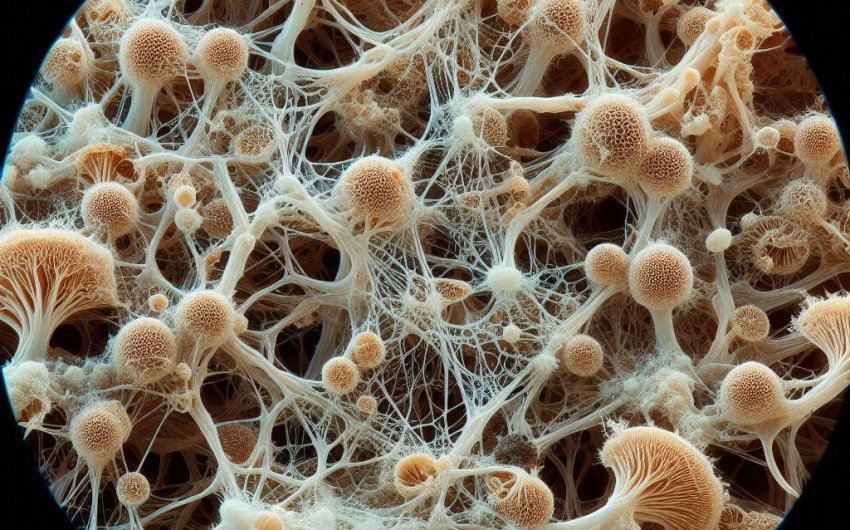
Fungi play an absolutely essential role in healthy compost piles by acting as primary decomposers, especially of tough, woody materials. They break down complex organic matter that bacteria often struggle with, transforming it into nutrient-rich compost.
What are Fungi in the Context of Composting?
In composting, fungi are microscopic organisms, part of a diverse group that includes molds, yeasts, and mushrooms. Unlike plants, they don't perform photosynthesis; instead, they act as decomposers, breaking down dead organic matter to obtain nutrients. You might see them as fuzzy patches of mold or even small mushrooms growing in your compost pile. Their primary function in a compost pile is to recycle nutrients and transform raw organic waste into stable, usable compost. Understanding their activity is key to appreciating their contribution to a healthy compost pile.
Why Are Fungi So Important for Decomposing Organic Matter?
Fungi are incredibly important in decomposing organic matter because they possess unique enzymes that allow them to break down some of the toughest components found in plant materials. While bacteria are excellent at breaking down soft, green materials, fungi excel at tackling the more stubborn "brown" materials in your compost pile.
Breaking Down Lignin and Cellulose
- Lignin: This is the complex organic polymer that gives plants their rigidity and woody structure. Think of the tough stems of old plants, wood chips, or tree branches. Lignin is very resistant to bacterial decomposition. Fungi, particularly white-rot fungi, are among the few organisms capable of efficiently breaking down lignin.
- Cellulose: This is the main component of plant cell walls, making up a large part of leaves, paper, and stalks. While some bacteria can break down cellulose, fungi are also very effective at this task, especially in cooler or drier conditions than bacteria might prefer.
Expanding the Decomposer Team
Fungi essentially expand the range of materials that can be effectively composted. Without them, woody materials would decompose much more slowly, if at all. Their ability to penetrate dense materials with their hyphae (thread-like structures) allows them to access nutrients locked within plant tissues that might be out of reach for bacteria. This makes fungi indispensable to the decomposition process within a healthy compost pile.
What Do Fungi Look Like in a Compost Pile?
Recognizing fungi in a compost pile is easier than you might think, though their appearance can vary depending on the type and stage of decomposition.
Mycelial Growth
- White, Fuzzy Patches: The most common form you'll see is mycelium, which is the vegetative part of a fungus, consisting of a network of fine white, thread-like structures called hyphae. This often appears as a fuzzy or cottony growth, spreading throughout the compost material. It can look like white cobwebs or thick white mats. This indicates active fungal decomposition.
- Grey or Blackish Molds: As fungi work on different materials, or in varying moisture conditions, you might also see grey, black, or even greenish molds. These are still types of fungi actively breaking down organic matter.
Mushrooms and Toadstools
- Fruiting Bodies: Occasionally, especially in a mature or cooler compost pile, you might see small mushrooms or toadstools sprout. These are the fruiting bodies of some fungi, which appear when conditions are right for them to reproduce. Their presence is a sign of a thriving fungal community underneath. They often appear after rain or when the pile has cooled down after a hot phase.
- Location: You might find them growing on woody pieces or in areas that are slightly cooler and consistently moist within the pile.
Visible Spores
- Sometimes, if you disturb a patch of mold, you might see a puff of dusty material. These are spores, the reproductive units of fungi, which are usually microscopic but can become visible in large quantities.
Seeing these signs is a positive indication that fungi are actively working and contributing to the health and efficiency of your compost pile. It confirms that a crucial part of your decomposer community is thriving.
How Do Fungi Work in the Composting Process?
Fungi's work in the composting process is fascinating and distinct from that of bacteria. They employ a specific strategy to break down tough organic materials.
Hyphae and Enzyme Secretion
- Exploratory Growth: Fungi grow by extending their hyphae, which are incredibly thin, thread-like structures. These hyphae can penetrate deep into plant tissues, including dense wood or stalks, allowing fungi to access nutrients locked within. Think of them as tiny, root-like structures that spread through the compost.
- External Digestion: Unlike animals, fungi don't "eat" their food internally. Instead, they secrete powerful enzymes directly onto the organic matter outside their bodies. These enzymes are like biological scissors, breaking down complex molecules (like lignin and cellulose) into simpler sugars and compounds.
- Nutrient Absorption: Once the complex molecules are broken down into smaller, soluble forms, the fungi then absorb these simpler nutrients through the walls of their hyphae.
The Role of Aeration
Fungi, especially the types that break down woody materials, are largely aerobic, meaning they need oxygen to thrive. This is why proper aeration is important for a healthy compost pile. If a pile becomes too compacted and anaerobic (lacks oxygen), fungal activity will slow down significantly, impacting the decomposition of brown materials. Turning your compost pile regularly helps provide the oxygen fungi need to perform their vital work.
Symbiotic Relationships
Fungi also participate in complex symbiotic relationships within the compost pile, often working alongside bacteria. While bacteria might initiate the breakdown of softer materials, fungi then take over for the tougher components, creating a more complete and efficient decomposition process. This collaborative effort ensures a comprehensive breakdown of all organic materials, leading to rich, dark compost and highlighting the vital role of fungi in creating a healthy compost pile.
What Types of Materials Do Fungi Prefer in Compost?
Fungi have a strong preference for certain types of materials in a compost pile, especially those rich in carbon and complex structures that are difficult for bacteria to break down. These are often referred to as "brown" materials.
Carbon-Rich "Browns"
- Woody Stems and Branches: This includes prunings from shrubs, old flower stalks, and small branches. Fungi are particularly adept at breaking down the lignin in these materials.
- Wood Chips and Sawdust: While these can take longer to decompose, fungi are the primary agents for their breakdown. Using a Wood Chipper Shredder can help speed this up by increasing surface area.
- Fallen Leaves: Especially tougher, drier leaves like oak or maple leaves, which contain significant amounts of lignin and cellulose.
- Straw and Hay: These materials are high in cellulose and hemicellulose, which fungi readily decompose.
- Paper and Cardboard: Shredded newspaper, cardboard (without glossy coatings), and paper towels are excellent carbon sources for fungal activity.
- Conifer Needles: Their waxy coating and complex structure make them slow to decompose, but fungi are the main organisms capable of breaking them down.
Conditions They Thrive In
Fungi tend to thrive in conditions that are slightly acidic to neutral pH and can tolerate a wider range of moisture conditions than some bacteria, although they still prefer adequate moisture. They are also active in cooler temperatures than the thermophilic bacteria that drive the initial hot phase of composting, meaning they continue working even when your pile has cooled down. This makes them crucial for the long-term maturation of a healthy compost pile.
By providing a good mix of these carbon-rich "browns" in your compost, you are actively encouraging a robust fungal community, ensuring efficient and complete decomposition of organic matter.
How Can You Encourage Fungi in Your Compost Pile?
Encouraging a thriving fungal population in your compost pile is straightforward and involves providing the right conditions and materials. A healthy compost pile relies on this diverse microbial community.
1. Provide Plenty of "Brown" Materials
- Woody Cuttings: Include small branches, twigs, and old plant stems. Chopping them into smaller pieces (1-2 inches) will increase their surface area, making it easier for fungi to access and break them down. A Garden Shredder can be very helpful for this.
- Leaves: Autumn leaves, especially tougher ones like oak, maple, or sycamore, are excellent fungal food.
- Straw and Hay: These fibrous materials are perfect for fungal growth.
- Paper and Cardboard: Shredded non-glossy paper and cardboard add carbon and create good structure.
2. Ensure Adequate Aeration
- Turn Your Pile Regularly: Fungi are aerobic, meaning they need oxygen. Turning your compost pile every few days or weeks, depending on its activity, introduces fresh air throughout the mass. Tools like a Compost Aerator Tool can make this easier for static piles.
- Layering Materials: When building your pile, layer browns and greens to create pockets of air and prevent compaction.
- Good Structure: Incorporate coarser materials like small twigs or shredded branches to create air passages within the pile.
3. Maintain Consistent Moisture
- "Damp Sponge" Consistency: Fungi, like all decomposers, need moisture to thrive. Your compost pile should feel like a wrung-out sponge – damp but not soggy. If it's too dry, fungal activity will slow or stop. If it's too wet, it can become anaerobic.
- Monitor and Water: Check the moisture content regularly and add water if necessary, especially during dry spells.
4. Avoid Harmful Chemicals
- Skip Pesticides and Herbicides: Don't compost materials that have been treated with persistent pesticides or herbicides, as these can kill or inhibit beneficial fungi and other microbes.
- Chemical-Free Inputs: Stick to organic, untreated materials to keep your compost pile healthy and its microbial inhabitants thriving.
By focusing on these practical steps, you'll naturally foster a robust fungal community, ensuring a more efficient and complete breakdown of organic matter for a truly healthy compost pile.
What Role Does Temperature Play for Fungi in Compost?
Temperature plays a significant role in determining which types of microbes are most active in a compost pile, and this certainly applies to fungi. While bacteria often dominate the initial hot phase, fungi are crucial for the later, cooler stages of decomposition.
Mesophilic Fungi (Moderate Temperatures)
- Initial Colonizers: As you build your compost pile, mesophilic fungi (those that prefer moderate temperatures, typically between 20°C and 45°C or 68°F and 113°F) are among the first decomposers to colonize the material. They work alongside mesophilic bacteria to start the breakdown process.
- Early Decomposition: These fungi begin to soften and break down the easier-to-access carbohydrates and some cellulose.
Thermophilic Fungi (Hot Temperatures)
- Limited Role in "Hot" Phase: While the internal temperature of a compost pile can reach thermophilic ranges (above 45°C or 113°F, often up to 60°C or 140°F, sometimes even higher), most fungal species are not true thermophiles. The intense heat of this phase is primarily driven by thermophilic bacteria, which rapidly break down readily available organic matter.
- Survival and Sporulation: Some fungal spores can survive these high temperatures, and certain thermotolerant fungi might persist, but their active decomposition is less significant during the peak heat.
Fungi Shine in the Curing Phase
- Cool-Down Activity: Fungi become especially important again as the compost pile starts to cool down, moving into the curing or maturation phase. As temperatures drop to mesophilic ranges, fungal populations rebound and become the dominant decomposers of the remaining stubborn materials.
- Breaking Down Lignin: This is when fungi really excel at tackling the lignin and more resistant forms of cellulose that survived the hot bacterial phase. They continue to refine the compost, breaking down larger particles into finer, more stable humus.
In essence, fungi contribute to decomposition throughout the composting process, but their most distinct and indispensable role is in the breakdown of tough, woody materials during the cooler, more stable phases of a healthy compost pile. This ensures a thorough and complete decomposition.
Can a Compost Pile Be Too Hot for Fungi?
Yes, a compost pile can definitely get too hot for many types of fungi. While fungi are vital for decomposition and the overall health of a compost pile, they have temperature limits just like other organisms.
Thermophilic Phase Dominance
- Bacterial Supremacy: The initial, intense heating phase in a compost pile (often reaching 55°C to 70°C or 130°F to 160°F) is primarily driven by thermophilic bacteria. These bacteria are specifically adapted to thrive in such high temperatures and rapidly break down easily digestible organic matter.
- Fungal Activity Slows: Most fungal species, even those considered mesophilic (moderate temperature lovers), will have their activity significantly slowed or even halted at these extreme temperatures. While fungal spores can often survive the heat, the active mycelial growth and enzyme production largely pause.
The "Cooking" Effect
Think of the hot compost pile as a "cooking" process. Just as extreme heat can sterilize or kill off many organisms, it temporarily suppresses a lot of fungal activity. This doesn't mean fungi are absent, but rather that their active role is less prominent during the very hottest periods.
Fungi Return as the Pile Cools
As the readily available "fast food" for thermophilic bacteria runs out and the pile begins to cool down (moving back into the mesophilic range), fungi once again become major players. They take over the more challenging decomposition of lignin and complex carbohydrates that were not fully broken down by the bacteria or required a cooler environment.
So, while a hot pile isn't "bad" for fungi in the long run (their spores survive and they return to activity), it does mean that their primary role in decomposition is concentrated in the cooler, maturation stages of a healthy compost pile. Ensuring your pile eventually cools and cures properly allows these fungi to do their essential finishing work.
What Happens When Fungi Are Lacking in Compost?
When fungi are lacking or their activity is suppressed in a compost pile, the decomposition process becomes incomplete and significantly slower, especially concerning certain types of organic matter. This impacts the overall health and quality of the final compost.
Incomplete Breakdown of "Brown" Materials
- Woody Materials Persist: Without robust fungal activity, woody stems, branches, and high-lignin materials like tough leaves or straw will break down very slowly or not at all. You'll end up with a compost pile that has many recognizable, undecomposed "brown" components even after a long time.
- Fibrous Material Accumulation: Fibrous materials like paper and cardboard also struggle to fully decompose, leaving chunky, less desirable compost.
Slower Overall Composting
- Extended Composting Time: The entire composting process will take much longer, as a crucial segment of the decomposer community is underperforming. What might take a few months with active fungi could take a year or more.
- Less Nutrient Release: The complex nutrients locked within lignin and cellulose won't be as readily released and made available in the finished compost, reducing its overall value as a soil amendment.
Reduced Humus Formation
- Lower Quality Compost: Fungi are instrumental in the formation of humus, the stable, dark, nutrient-rich end-product of decomposition that improves soil structure and fertility. A lack of fungi means less humus formation, resulting in a coarser, less beneficial compost.
Imbalanced Microbial Community
- Reliance on Bacteria: The pile becomes overly reliant on bacterial activity, which can lead to issues if the conditions (like aeration) aren't perfectly suited for them. Anaerobic conditions are more likely if fungi aren't there to help with aeration and structure maintenance.
In essence, a compost pile lacking a healthy fungal population will be an underperforming one. The absence of their specialized decomposition abilities means you won't achieve the rich, finished product that is the hallmark of a truly healthy compost pile where fungi play their essential role in decomposition.
How Can Fungi Indicators of Healthy Compost?
The presence and activity of fungi are excellent indicators of a healthy compost pile and a successful decomposition process. Their visual cues tell a lot about what's happening within your pile.
1. Visible Mycelial Growth
- Sign of Active Decomposition: Seeing white, fuzzy, or cobweb-like mycelial threads spreading through your compost material is a strong positive sign. It means fungi are actively colonizing and breaking down the organic matter. This is especially indicative of their work on the "brown" (carbon-rich, woody) materials.
- Good Aeration: The presence of extensive mycelial networks often indicates good aeration within the pile, as most beneficial composting fungi are aerobic. If your pile is too wet and anaerobic, you'll see less of this beneficial fungal growth and more putrid smells.
2. Presence of Mushrooms or Toadstools
- Maturity Indicator: While sometimes surprising, the appearance of small mushrooms or toadstools on the surface or within the pile, particularly in the later stages or during cooler periods, is a sign that a robust fungal community is thriving. These are the fruiting bodies of the fungi that are working underneath.
- Curing Phase: Their presence is often a sign that the compost is moving into or is already in its curing or maturation phase, where fungi are doing their vital work of breaking down tougher materials and stabilizing the compost.
3. Breakdown of Tough Materials
- Proof of Lignin and Cellulose Decomposition: If you're consistently adding woody stems, leaves, and other fibrous "browns" to your pile, and you see them gradually disappearing and becoming part of the dark, homogeneous compost, that's direct evidence of fungal activity. Without fungi, these materials would persist much longer.
4. Earthy, Forest-Floor Smell
- Pleasant Odor: A healthy compost pile smells earthy, like a forest floor after rain. This pleasant, clean smell is often associated with the breakdown of organic matter by a diverse microbial community, including fungi. Foul, sulfurous, or putrid smells usually indicate anaerobic conditions, which suppress beneficial fungal growth.
By observing these indicators, you can gauge the health of your compost and confirm that fungi are playing their essential role in creating a healthy compost pile.
What are Some Myths About Fungi in Compost?
There are a few common myths and misunderstandings about fungi in compost that can lead to unnecessary worry or incorrect practices. Let's clear them up to better appreciate the role of fungi in a healthy compost pile.
Myth 1: Fungi in Compost Are a Sign of a Problem or Disease
- Reality: The opposite is true! Visible fungi, especially white, fuzzy mycelium or occasional mushrooms, are a sign of a healthy, active, and efficient compost pile. They are essential decomposers, particularly for tough, woody materials. Don't mistake their presence for a disease that needs to be "cured."
Myth 2: All Molds in Compost Are Bad
- Reality: While some molds (like those that form slime in overly wet, anaerobic conditions) can be undesirable, most molds you see in compost are beneficial fungi doing their job. Different colors of mold (white, grey, green) simply reflect different species or stages of decomposition. Unless accompanied by foul odors, they are generally a good sign.
Myth 3: You Need to Add Special Fungal Inoculants to Your Compost
- Reality: While there are products marketed as compost activators or inoculants, they are rarely necessary for a typical home compost pile. Fungi (and bacteria) are ubiquitous in the environment. They are present on almost all organic matter you add to your pile, and spores are floating in the air. Given the right conditions (moisture, aeration, carbon/nitrogen balance), they will naturally colonize and thrive in your compost pile.
- Benefit of Starting Materials: Adding a shovelful of old compost or healthy garden soil to a new pile can introduce a diverse microbial population, including fungi, but it's not strictly required.
Myth 4: Fungi Make Compost Acidic
- Reality: While some fungal processes can temporarily lower pH, fungi overall contribute to a finished compost that is generally close to neutral pH (around 6.5-7.5). The entire decomposition process, involving both bacteria and fungi, works to buffer the pH. Concerns about wood ash or other specific materials making compost too alkaline or acidic are usually overblown in a well-managed pile.
Understanding these realities helps demystify the role of fungi and allows you to confidently manage your healthy compost pile, letting nature do its incredible work.
What is the Difference Between Bacteria and Fungi in Compost?
While both bacteria and fungi are essential decomposers in a compost pile, they have distinct roles, preferences, and methods of operation. Understanding these differences helps appreciate their complementary work in creating a healthy compost pile.
| Feature | Bacteria | Fungi |
|---|---|---|
| Size/Structure | Microscopic, single-celled organisms, some forming colonies. | Multicellular, thread-like structures (hyphae) forming visible networks (mycelium) and sometimes fruiting bodies (mushrooms). |
| Preferred Materials | Easily digestible, "green" materials: soft plant tissues, food scraps, fresh manure. High in nitrogen. | Tough, woody, "brown" materials: wood, straw, leaves, paper. High in carbon, especially lignin and cellulose. |
| Enzyme Action | Secrete a wide array of enzymes, often more active on simple sugars and proteins. | Secrete powerful enzymes, particularly effective at breaking down complex, resistant compounds like lignin and cellulose that bacteria struggle with. |
| Temperature Preference | Diverse. Many are thermophilic (heat-loving) during the hot phase (50-70°C). Also mesophilic. | Primarily mesophilic (moderate temperature, 20-45°C). Less active in very hot phases but rebound in cooler, curing stages. Can tolerate wider pH ranges. |
| Aeration Needs | Vary. Many are aerobic (need oxygen); some are anaerobic (thrive without oxygen), leading to foul odors. | Primarily aerobic (need oxygen). Their presence often indicates good aeration in the pile. Anaerobic conditions suppress most beneficial composting fungi. |
| Visible Signs | Usually not visible to the naked eye; rapid heating is a key sign of their activity. | Often visible as white, fuzzy mycelial growth, grey/black molds, or occasional mushrooms, especially on woody material. |
| Main Role | Rapid initial breakdown of easily degradable materials; primary drivers of the "hot" phase. | Breakdown of resistant woody materials; crucial for long-term breakdown and humus formation; active during cooler, curing phases. |
In essence, bacteria are the sprinters, quickly breaking down the easy stuff and generating heat, while fungi are the marathon runners, patiently tackling the tough materials and completing the long-haul decomposition process. Both are indispensable for turning raw organic matter into the rich, stable soil amendment that defines a truly healthy compost pile.
How Does Carbon-to-Nitrogen Ratio Affect Fungal Growth?
The carbon-to-nitrogen (C:N) ratio of your compost materials is a critical factor influencing the activity of all decomposers, including fungi. While fungi are particularly good at breaking down carbon-rich materials, a balanced C:N ratio is still vital for their overall growth and a healthy compost pile.
Ideal C:N Ratio
- Optimal Range: For efficient composting, a C:N ratio of around 25:1 to 30:1 is generally recommended. This means about 25-30 parts carbon for every 1 part nitrogen.
- "Browns" vs. "Greens":
- "Browns" (e.g., wood chips, straw, dried leaves, paper) are high in carbon (e.g., C:N ratio of 50:1 to 500:1). These are the preferred food for fungi.
- "Greens" (e.g., grass clippings, food scraps, fresh manure) are high in nitrogen (e.g., C:N ratio of 10:1 to 20:1). These are primarily food for bacteria and help balance the carbon.
How C:N Ratio Impacts Fungi
- Too Much Carbon (High C:N Ratio): If your pile has too many "browns" and not enough "greens," the overall nitrogen content will be low. While fungi specialize in breaking down carbon, they still need nitrogen for their own growth and enzyme production. A very high C:N ratio will slow down overall decomposition, including fungal activity, because the decomposers won't have enough nitrogen to build their cells. The pile might be slow to heat up or remain cool, and breakdown will be sluggish.
- Too Much Nitrogen (Low C:N Ratio): If there are too many "greens" and not enough "browns," the C:N ratio will be too low. This can lead to rapid bacterial decomposition, but it can also result in excess nitrogen being converted into ammonia gas, leading to unpleasant odors. While fungi will still be present, the rapid bacterial action might dominate, and the lack of complex carbon structures (their preferred food) might limit their specific role in decomposition.
Maintaining the Balance
To encourage a vibrant fungal community and a healthy compost pile, aim for that balanced C:N ratio. This ensures there's enough nitrogen for the fungi (and bacteria) to thrive while providing plenty of carbon-rich "browns" for the fungi to work their magic on. Regular turning also helps distribute materials and ensure all microbes have access to a balanced diet.
How Does Compost Fungi Benefit Garden Soil?
The fungi that thrive in a healthy compost pile don't just magically disappear once the compost is finished. They, along with the other beneficial microbes and the transformed organic matter, become an incredible asset when added to garden soil, offering numerous benefits.
1. Continued Decomposition and Nutrient Cycling
- Slow Release of Nutrients: Once compost is added to soil, the fungal community within it continues to break down any remaining tougher organic matter. This provides a slow, steady release of nutrients for your plants, rather than a quick flush that can leach away.
- Nutrient Availability: Fungi excel at breaking down complex organic molecules that store essential plant nutrients. By doing so, they convert these nutrients into forms that plants can readily absorb, improving overall nutrient cycling in your garden soil.
2. Improved Soil Structure and Aeration
- Aggregation: Fungal hyphae literally bind soil particles together, forming stable aggregates (small clumps of soil). These aggregates improve soil structure, creating pore spaces for better air and water infiltration. This means healthier roots and reduced compaction.
- Water Retention: Well-aggregated soil, aided by fungal activity, can hold more water, reducing the need for frequent irrigation.
3. Disease Suppression
- Competitive Exclusion: The diverse and abundant fungal populations introduced with compost can outcompete or directly antagonize harmful soil-borne pathogens. By occupying ecological niches and consuming available resources, they make it harder for disease-causing organisms to establish themselves.
- Antibiotic Production: Some beneficial fungi produce compounds that act as natural antibiotics, further suppressing pathogens.
4. Support for Plant Roots
- Mycorrhizal Fungi: While some fungi in compost are decomposers, adding finished compost helps foster a soil environment that is welcoming to mycorrhizal fungi. These are symbiotic fungi that form partnerships with plant roots, extending the plant's root system and greatly enhancing its ability to absorb water and nutrients, particularly phosphorus.
- Rhizosphere Health: Fungi contribute to a vibrant rhizosphere (the area directly around plant roots), making it a more fertile and disease-resistant environment for plant growth.
In essence, adding compost rich in fungal activity to your garden soil is like injecting it with life, improving its physical, chemical, and biological properties, and ultimately leading to healthier, more productive plants. This underscores the profound role of fungi beyond just the compost pile, extending their benefits directly into your garden.