
Best Plants for Indoor Air Quality: Improve Your Home’s Atmosphere
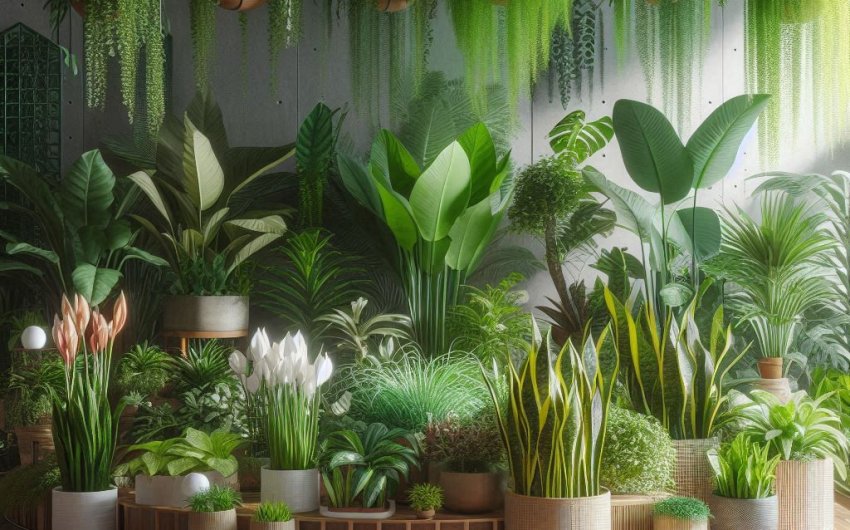
Indoor plants do more than just beautify your home. They can significantly improve air quality by absorbing pollutants and releasing fresh oxygen. Adding the right plants to your indoor space can create a healthier, more pleasant atmosphere. Whether you're dealing with dust, mold, or volatile organic compounds (VOCs), certain plants excel at filtering the air and making your home a better place to breathe.
In this guide, we'll explore the best plants for indoor air quality. Each plant is easy to care for and brings a host of benefits. If you're looking for ways to make your living environment healthier, these indoor plants are an excellent start.
1. Snake Plant (Sansevieria)
The Snake Plant, also known as the "Mother-in-Law's Tongue," is a great choice for improving indoor air quality. It is known for its ability to absorb toxins like formaldehyde, benzene, and xylene. Unlike most plants, the snake plant releases oxygen at night, making it perfect for bedrooms. It’s also incredibly low-maintenance and can tolerate low light and infrequent watering.
- Key benefits: Removes toxins, releases oxygen at night, requires minimal care.
- Care tips: Keep in indirect sunlight and water sparingly.
Shop Snake Plant priced between $15 and $40 for a low-maintenance, air-purifying plant.
2. Spider Plant (Chlorophytum comosum)
The Spider Plant is another top performer when it comes to purifying air. It’s especially good at removing carbon monoxide and formaldehyde, two common pollutants found in homes. The spider plant is safe for pets and children, making it an ideal option for family homes. It produces small white flowers and is easy to propagate, so you can grow additional plants from its offshoots.
- Key benefits: Removes toxins, non-toxic to pets, easy to grow.
- Care tips: Place in bright, indirect light and water regularly.
Find Spider Plants priced between $10 and $30 for a pet-friendly air purifier.
Advertisement
3. Peace Lily (Spathiphyllum)
The Peace Lily is not only a beautiful plant but also a powerful air purifier. It’s effective at removing ammonia, formaldehyde, and trichloroethylene from the air. The peace lily also increases indoor humidity, which helps reduce airborne microbes that can cause allergies. This plant blooms lovely white flowers, adding elegance to any room while cleaning the air.
- Key benefits: Filters multiple toxins, increases humidity, produces beautiful blooms.
- Care tips: Keep in a shaded area and water when the soil feels dry.
Explore Peace Lilies priced between $15 and $50 for an attractive and air-purifying houseplant.
4. Aloe Vera
Famous for its healing properties, Aloe Vera is also great for air quality. This succulent can remove benzene and formaldehyde, which are often found in household cleaners. It thrives in bright, sunny conditions, making it perfect for sunny windowsills. In addition to its air-purifying qualities, the gel inside its leaves can be used to treat burns, cuts, and skin irritations.
- Key benefits: Removes toxins, has medicinal properties.
- Care tips: Keep in bright sunlight and water sparingly.
Check out Aloe Vera plants priced between $10 and $25 for a multi-purpose air purifier.
5. Bamboo Palm (Chamaedorea seifrizii)
The Bamboo Palm is a tropical plant that can grow quite large, making it a great statement piece in your living room or office. It’s highly effective at filtering toxins such as formaldehyde, benzene, and carbon monoxide. It also adds moisture to the air, which is especially helpful in drier environments. The bamboo palm thrives in indirect sunlight and can grow up to 12 feet tall.
- Key benefits: Filters multiple toxins, adds moisture to the air, grows large.
- Care tips: Place in indirect sunlight and water regularly to keep the soil moist.
Shop Bamboo Palms priced between $30 and $80 for a large, air-purifying indoor plant.
6. English Ivy (Hedera helix)
English Ivy is a versatile plant that can be grown in hanging baskets, pots, or even as a climbing vine. It’s highly effective at reducing airborne mold, making it ideal for bathrooms or damp areas. English ivy can also remove benzene, formaldehyde, and trichloroethylene from the air, improving the overall atmosphere in your home. It’s easy to care for and can thrive in both low and indirect light.
- Key benefits: Reduces airborne mold, removes toxins, versatile for hanging or climbing.
- Care tips: Keep in indirect light and water when the soil is slightly dry.
Explore English Ivy plants priced between $10 and $25 for a versatile, air-cleaning plant.
7. Boston Fern (Nephrolepis exaltata)
The Boston Fern is one of the best plants for increasing humidity and removing pollutants such as formaldehyde and xylene from the air. It also helps combat dry air, making it a great addition during winter months when indoor heating can cause low humidity. With its lush, arching fronds, the Boston fern adds a tropical feel to any room. It does require a bit more attention, as it needs high humidity and consistent watering.
- Key benefits: Removes toxins, increases humidity, adds a tropical aesthetic.
- Care tips: Keep in a humid area and water regularly to maintain moist soil.
Shop Boston Ferns priced between $20 and $50 for a humidity-boosting plant.
8. Rubber Plant (Ficus elastica)
The Rubber Plant is not only a striking addition to your home decor but also an effective air purifier. It’s particularly good at removing formaldehyde from indoor air. The large, shiny leaves of the rubber plant also help increase oxygen levels and improve air quality. It’s relatively easy to care for and can tolerate lower light levels, although it thrives in bright, indirect sunlight.
- Key benefits: Removes formaldehyde, improves oxygen levels, easy to care for.
- Care tips: Place in bright, indirect sunlight and water when the soil dries out.
Find Rubber Plants priced between $15 and $40 for an air-purifying houseplant with a bold look.
9. Dracaena (Dracaena marginata)
The Dracaena is another great option for improving indoor air quality. It can remove toxins like benzene, formaldehyde, and xylene from the air. There are many varieties of dracaena, including the dragon tree and corn plant, each with its unique look. This plant prefers bright, indirect light but can tolerate lower light conditions, making it suitable for different areas in your home.
- Key benefits: Removes multiple toxins, available in different varieties, easy to maintain.
- Care tips: Place in bright, indirect light and water when the top inch of soil is dry.
Check out Dracaena plants priced between $20 and $60 for a stylish air purifier.
10. Golden Pothos (Epipremnum aureum)
Known for its trailing vines and heart-shaped leaves, the Golden Pothos is one of the easiest houseplants to care for. It’s incredibly effective at removing toxins like formaldehyde, benzene, and carbon monoxide. This plant thrives in low light and can even survive neglect, making it perfect for busy households or beginners. It looks great in hanging baskets or as a climbing plant, and it’s also known for increasing indoor oxygen levels.
- Key benefits: Removes toxins, thrives in low light, easy to care for.
- Care tips: Keep in low to bright indirect light and water when the soil is dry.
Shop Golden Pothos priced between $10 and $30 for a low-maintenance, air-purifying plant.
11. Areca Palm (Dypsis lutescens)
The Areca Palm, also known as the butterfly palm, is one of the best indoor plants for purifying air and increasing humidity. It’s especially effective at removing formaldehyde, benzene, and trichloroethylene from the air. With its feathery fronds, the areca palm adds a tropical touch to any room. It thrives in bright, indirect light and needs regular watering, but it’s relatively easy to care for.
- Key benefits: Filters toxins, increases humidity, adds tropical beauty.
- Care tips: Place in bright, indirect light and water regularly to keep the soil moist.
Find Areca Palms priced between $25 and $70 for a tropical, air-purifying houseplant.
12. Philodendron
The Philodendron is a classic houseplant that’s well-known for its air-purifying abilities. It’s particularly effective at removing formaldehyde from the air. There are many varieties of philodendron, including the popular heartleaf and split-leaf types. These plants are easy to care for and can thrive in both low and bright indirect light, making them versatile for different indoor environments.
- Key benefits: Removes formaldehyde, versatile for various lighting conditions, easy to grow.
- Care tips: Place in indirect light and water when the top inch of soil is dry.
Explore Philodendron plants priced between $15 and $40 for a low-maintenance, air-purifying option.
13. Chinese Evergreen (Aglaonema)
The Chinese Evergreen is a durable plant that thrives in low-light conditions, making it a great choice for offices, bedrooms, or other indoor spaces with limited sunlight. It helps remove toxins like formaldehyde and benzene, and it’s also known for being incredibly easy to care for. The Chinese evergreen comes in a variety of leaf colors, including green, silver, and red, adding visual interest to your indoor decor.
- Key benefits: Removes toxins, thrives in low light, available in various colors.
- Care tips: Place in low to moderate light and water when the soil is dry.
Check out Chinese Evergreen plants priced between $20 and $50 for a colorful, low-light plant.
14. Gerbera Daisy (Gerbera jamesonii)
For a pop of color and cleaner air, consider the Gerbera Daisy. This flowering plant not only brightens up your space with its vibrant blooms but also helps filter out toxins like benzene and trichloroethylene. While gerbera daisies require more sunlight than other houseplants, they are an excellent option for brightening up your living room or kitchen window.
- Key benefits: Removes toxins, brightens up your space, produces colorful flowers.
- Care tips: Place in bright sunlight and water regularly to keep the soil moist.
Explore Gerbera Daisies priced between $10 and $30 for an air-purifying plant with colorful blooms.
15. Fiddle Leaf Fig (Ficus lyrata)
The Fiddle Leaf Fig is a stylish, tall indoor plant that can make a bold statement in your home. While it's primarily known for its striking appearance, it also helps improve air quality by removing formaldehyde and benzene. Fiddle leaf figs thrive in bright, indirect light and need consistent watering to keep their large, glossy leaves healthy.
- Key benefits: Removes toxins, adds a bold decorative element, improves air quality.
- Care tips: Place in bright, indirect light and water when the top inch of soil is dry.
Check out Fiddle Leaf Figs priced between $30 and $100 for a striking, air-purifying indoor tree.