
How to Grow Organic Vegetables at Home?
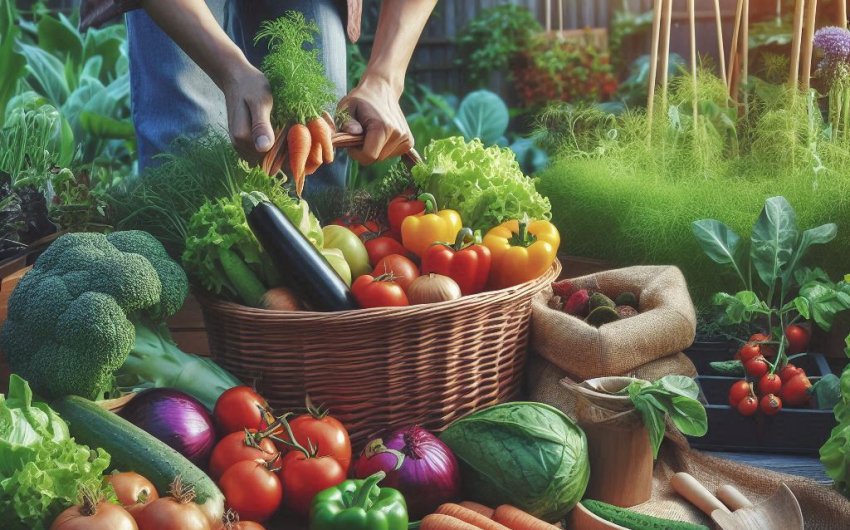
Growing organic vegetables at home is a rewarding and sustainable way to enjoy fresh produce, free from harmful chemicals and pesticides. Whether you have a small balcony, a backyard garden, or just a windowsill, it’s easier than you might think to cultivate your own organic vegetables. By following a few simple steps and using the right tools, you can harvest nutritious, flavorful vegetables straight from your garden or home.
In this guide, we’ll explore how to grow organic vegetables at home, from selecting the best seeds to harvesting your crops. Let’s dive in!
Why Grow Organic Vegetables?
Choosing to grow organic vegetables at home comes with many benefits:
- Healthier produce: Organic vegetables are grown without synthetic pesticides or fertilizers, meaning they’re free from harmful chemicals.
- Better taste: Homegrown vegetables often taste better because they’re harvested at peak ripeness.
- Cost savings: Growing your own vegetables can be cheaper than buying organic produce from the store.
- Environmental impact: Organic gardening supports soil health and reduces the need for harmful chemicals that can harm the environment.
Start with organic vegetable seeds priced between $10 and $30 to ensure chemical-free growth from the beginning.
Getting Started: Planning Your Organic Vegetable Garden
Before you start planting, it’s important to plan your garden. Consider the following steps:
1. Choose the Right Location
The first step in growing organic vegetables is finding the right spot. Vegetables need plenty of sunlight to thrive, so choose a location that gets at least 6-8 hours of direct sunlight per day.
- Balconies or patios: If you have limited outdoor space, use containers or raised beds on a sunny balcony or patio.
- Backyards: For larger gardens, select an area with well-drained soil and good sunlight exposure.
- Indoors: If you don’t have outdoor space, you can grow some vegetables indoors using grow lights and indoor planters.
Find grow lights for indoor gardening priced between $30 and $80 for sufficient lighting indoors.
2. Pick the Right Vegetables
Next, decide what vegetables you want to grow. Some vegetables are easier to grow than others, making them perfect for beginners. Here are a few options:
- Leafy greens: Spinach, lettuce, and kale are easy to grow and great for small spaces.
- Root vegetables: Carrots, beets, and radishes grow well in raised beds or containers.
- Tomatoes and peppers: These are perfect for warm, sunny spots and are rewarding to harvest.
- Herbs: Basil, cilantro, and parsley are ideal for small pots and can enhance any dish.
Check out organic vegetable starter kits priced between $20 and $50 for a convenient way to begin growing multiple varieties.
3. Prepare the Soil
Healthy soil is the foundation of any successful organic garden. Since you won’t be using synthetic fertilizers, you’ll need to enrich your soil naturally. Here’s how:
- Compost: Add compost to improve soil structure, retain moisture, and supply nutrients. You can make your own by composting kitchen scraps like vegetable peels, coffee grounds, and eggshells.
- Organic fertilizers: Use natural fertilizers like worm castings or fish emulsion to provide essential nutrients.
- Mulch: Mulch helps retain moisture, suppresses weeds, and adds organic matter to the soil as it breaks down.
Purchase organic compost priced between $15 and $40 for nutrient-rich soil amendments.
Planting Your Organic Vegetables
Once you’ve planned your garden and prepared your soil, it’s time to start planting. Here’s what you need to know:
1. Choose Seeds or Seedlings
You can grow organic vegetables from either seeds or seedlings (young plants). Here are the benefits of each:
- Seeds: Starting from seeds gives you more control over the growing process, and it’s often cheaper.
- Seedlings: If you want faster results or are new to gardening, seedlings are an excellent option. They’ve already started growing, which reduces the time and effort required.
Find organic vegetable seedlings priced between $10 and $50 for a head start on your gardening.
2. Plant at the Right Time
Timing is crucial when planting your garden. The best planting time depends on your climate and the type of vegetables you’re growing. Follow these general guidelines:
- Cool-season crops: Vegetables like spinach, lettuce, and peas can be planted in early spring or fall.
- Warm-season crops: Tomatoes, peppers, and cucumbers thrive in late spring or early summer when the soil has warmed up.
Use a planting calendar or refer to the seed packet for specific planting instructions.
Explore planting calendars priced between $10 and $20 to help plan your planting schedule.
3. Planting Depth and Spacing
Make sure you plant your seeds or seedlings at the correct depth and with enough space for growth. Follow these tips:
- Seeds: Generally, plant seeds at a depth twice their size. For example, a small seed like lettuce should be planted shallowly, while larger seeds like beans can be planted deeper.
- Spacing: Give your plants enough room to grow. Crowding can lead to poor air circulation and encourage diseases. Check seed packets or gardening guides for spacing recommendations.
Check out gardening tools for planting priced between $15 and $50 for trowels, seed markers, and more.
Caring for Your Organic Vegetable Garden
Once your vegetables are planted, they’ll need care and attention to thrive. Proper watering, pest control, and weeding are essential to a successful organic garden.
1. Watering Your Vegetables
Watering is one of the most important aspects of gardening. Here are a few tips to ensure your vegetables get the right amount of moisture:
- Consistent watering: Keep the soil consistently moist, but not waterlogged. Overwatering can cause root rot, while underwatering can stunt growth.
- Morning watering: Water your plants in the morning to give them time to absorb moisture before the heat of the day.
- Drip irrigation: Consider using a drip irrigation system to ensure water goes directly to the roots, minimizing waste and preventing water from sitting on the leaves, which can lead to disease.
Find drip irrigation systems priced between $20 and $70 to make watering more efficient.
2. Organic Pest Control
Since you’re growing organically, you’ll want to avoid synthetic pesticides. Fortunately, there are plenty of natural methods to control pests in your garden:
- Companion planting: Some plants, like marigolds and basil, naturally repel pests. Plant these alongside your vegetables to deter insects.
- Beneficial insects: Encourage helpful insects like ladybugs and lacewings, which feed on harmful pests.
- Neem oil: Neem oil is a natural insecticide that can help control pests like aphids and spider mites without harming your plants.
Shop for organic neem oil priced between $10 and $30 for natural pest control.
3. Weeding
Weeds compete with your vegetables for nutrients, water, and sunlight, so it’s important to keep them under control. Here are some organic ways to manage weeds:
- Mulching: Adding mulch around your plants helps prevent weeds from growing while retaining moisture in the soil.
- Hand weeding: Regularly pull weeds by hand, especially when they’re young and easy to remove.
- Hoeing: Use a hoe to slice off weeds just below the surface. This is particularly useful for larger gardens.
Check out garden hoes priced between $20 and $50 for effective weeding tools.
Harvesting Your Organic Vegetables
After weeks of care, your hard work will finally pay off as your vegetables become ready for harvest. Knowing when and how to harvest your vegetables is key to ensuring maximum flavor and nutrition.
1. When to Harvest
Each vegetable has its own optimal harvest time. Here are a few guidelines for some common vegetables:
- Leafy greens: Harvest lettuce, spinach, and kale when the leaves are large enough to eat but before they become too tough or bitter.
- Tomatoes: Pick tomatoes when they are fully red (or yellow, depending on the variety) and slightly soft to the touch.
- Root vegetables: Carrots and radishes should be harvested when their roots reach the desired size. You can gently pull one from the soil to check.
- Peppers: Harvest peppers when they reach full size and color. Green peppers can be picked early, but leaving them on the plant allows them to ripen and turn red, yellow, or orange.
Explore harvesting tools priced between $15 and $40 for easy and efficient vegetable picking.
2. How to Harvest
Use the right technique to avoid damaging your plants while harvesting:
- Cutting: For leafy greens and herbs, use scissors or a sharp knife to cut the leaves, leaving the roots intact so the plant can continue to grow.
- Pulling: For root vegetables like carrots and radishes, gently pull the vegetable from the soil. If it’s difficult to remove, loosen the soil with a garden fork first.
- Twisting: For vegetables like peppers and tomatoes, gently twist the fruit from the stem to avoid breaking the plant.
Purchase garden scissors priced between $10 and $25 for precise harvesting.
Storing and Using Your Harvest
Once you’ve harvested your organic vegetables, it’s time to enjoy them! Here are some tips for storing and using your produce:
1. Proper Storage
Different vegetables require different storage methods to stay fresh:
- Leafy greens: Store in the refrigerator in a damp paper towel or a produce bag to keep them crisp.
- Root vegetables: Store in a cool, dark place, such as a root cellar or refrigerator, to extend their shelf life.
- Tomatoes: Keep tomatoes at room temperature to maintain their flavor and texture. Avoid refrigerating unless they’re fully ripe.
Shop for produce storage bags priced between $10 and $30 to keep your vegetables fresh longer.
2. Enjoying Your Harvest
Freshly harvested organic vegetables taste best when used in simple, healthy dishes. Here are a few ideas:
- Salads: Mix fresh lettuce, tomatoes, and cucumbers for a vibrant garden salad.
- Stir-fries: Use your harvested greens and peppers in a quick stir-fry with garlic and olive oil.
- Roasted vegetables: Carrots, beets, and radishes can be roasted with herbs for a delicious side dish.
Whether you’re enjoying a crisp salad or a flavorful stir-fry, the taste of homegrown organic vegetables is unbeatable. Plus, knowing that your produce is free from harmful chemicals adds extra peace of mind.
Check out cookbooks for garden vegetables priced between $15 and $40 for recipe inspiration.