
What Are the Best Practices for Watering a Newly Seeded Lawn?
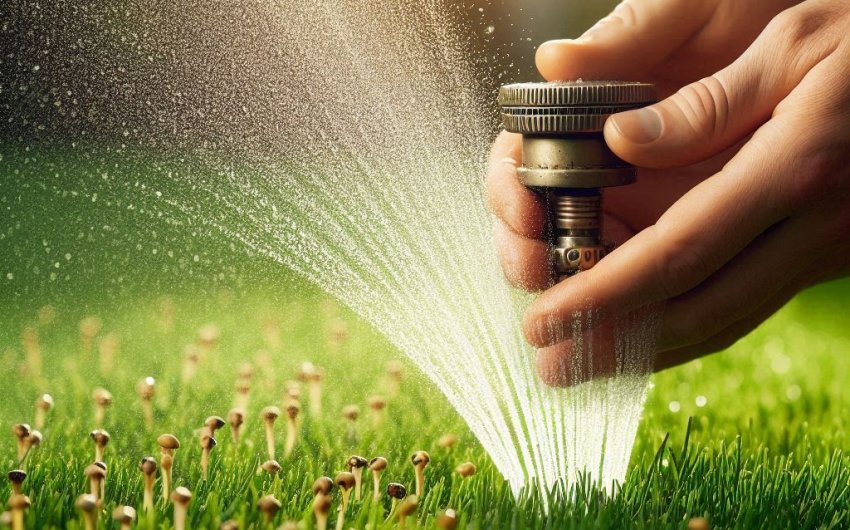
Establishing a lush, verdant lawn from seed is one of the most satisfying achievements for any homeowner. The promise of a thick, green carpet beneath your feet begins with meticulous preparation, careful seeding, and, perhaps most crucially, an understanding of precise hydration. A newly seeded lawn is a delicate ecosystem in its infancy, where every tiny seed holds the potential for future beauty, yet is incredibly vulnerable to extremes. Getting the watering regimen just right during these critical early weeks can mean the difference between a sparse, patchy expanse and a dense, thriving turf.
The journey from dormant seed to vibrant blade of grass is a marvel of nature, driven by the consistent provision of moisture. Too little water, and the seeds fail to germinate or young sprouts wither; too much, and they can drown, wash away, or succumb to fungal diseases. This period demands patience, observation, and adherence to specific techniques. Understanding what are the best practices for watering a newly seeded lawn is not just about turning on the sprinkler; it's about creating the perfect microclimate for germination, nurturing fragile seedlings, and building the foundation for a resilient, long-lasting lawn that will be the envy of the neighborhood.
What Are the Best Practices for Watering a Newly Seeded Lawn?
Watering a newly seeded lawn is the single most important factor for success. It's not like watering an established lawn. The rules are different because those tiny seeds and fragile new sprouts need constant, gentle moisture. So, what are the best practices for watering a newly seeded lawn?
The golden rule for newly seeded lawns is to keep the top 1 inch of soil consistently moist, but not soggy. This means frequent, light waterings, rather than infrequent, heavy soakings. Those grass seeds need continuous moisture to swell up and germinate, and once they sprout, the tiny rootlets are very shallow and will dry out quickly.
Here's a breakdown of the best practices:
- Water Lightly, Frequently: Instead of drenching the lawn, apply water in short bursts multiple times a day. You want to moisten just the top inch of soil without creating puddles or runoff that could wash away seeds.
- Aim for 2-3 Times Per Day (or More in Hot Weather): In most climates, especially when temperatures are mild, watering 2-3 times a day is a good starting point. If it's very hot, sunny, or windy, you might need to water 4-5 times a day. The goal is to keep the surface damp.
- Water During the Coolest Parts of the Day: The best times are early morning (before 10 AM) and late afternoon/early evening (around 4-6 PM). Watering in the middle of the day loses a lot of water to evaporation. Watering too late at night can leave the seedlings wet for too long, encouraging fungal diseases.
- Use a Gentle Sprinkler: Avoid powerful, strong sprays that can displace seeds. A gentle oscillating sprinkler or a rotating sprinkler with a fine spray is ideal. You can find a good oscillating sprinkler like this Melnor Oscillating Sprinkler.
- Monitor Soil Moisture: Don't just follow a schedule blindly. Stick your finger into the soil. Does it feel damp? If it's drying out, it's time to water again. Pay attention to how quickly the surface dries.
- Avoid Puddles and Runoff: If you see water pooling or running off, you're watering too heavily or too quickly. Break up your watering times into shorter bursts.
- Transition Gradually: Once the grass sprouts are 1-2 inches tall, you can start to gradually reduce the frequency and increase the duration of waterings. This encourages roots to grow deeper. We'll cover this transition in more detail later.
Consistent, gentle moisture is the secret to a successful new lawn. It's an investment of time, but it pays off with a thick, green carpet.
Why is Consistent Moisture So Important for Seeds?
Consistent moisture is absolutely paramount for a newly seeded lawn because of the way grass seeds work. Without steady hydration, those tiny seeds simply won't sprout, or the fragile new sprouts will die quickly.
Here's why consistent moisture is so critical for grass seeds:
Germination Trigger: Grass seeds are dormant (asleep) until they receive enough water. When they absorb moisture, it triggers internal processes that tell the seed it's time to wake up and grow. This is called germination. If the seeds dry out even for a short period during this critical initial swelling and activation phase, the process can stop, and the seed might die.
Weak Roots: Once a grass seed sprouts, it first sends out a tiny rootlet. This rootlet is incredibly fragile and very shallow. It can only draw moisture from the immediate surface of the soil. If that top layer dries out, even for a few hours, the delicate rootlet shrivels and dies because it can't reach deeper water sources yet.
No Reserve Water: Unlike mature plants with extensive root systems and the ability to store some water, a seed and a newly sprouted seedling have no such reserves. They are entirely dependent on the immediate availability of water in the soil.
Continuous Process: Germination isn't an instant event. It's a continuous process that requires steady moisture from start to finish. From the moment the seed swells until the first true blade of grass emerges and the root system begins to develop, constant dampness is necessary.
Imagine a baby that needs constant feeding. A grass seed is similar – it needs continuous sips of water to grow. This is why the practice of frequent, light waterings, keeping the top inch of soil consistently damp, is the cornerstone of watering a newly seeded lawn. Any lapse in moisture during this critical phase can lead to patchy germination and a failed lawn.
What Equipment Do I Need for Watering?
Having the right equipment for watering your newly seeded lawn makes the job much easier and more effective. You need tools that can deliver water gently and efficiently.
Hose: A good quality, kink-resistant garden hose is essential. Make sure it's long enough to reach all areas of your newly seeded lawn without stretching or kinking excessively. A lightweight garden hose can make maneuvering easier, like this Flexzilla Garden Hose.
Gentle Sprinkler: This is probably the most important piece of equipment for a newly seeded lawn. You need a sprinkler that delivers a fine, even spray without powerful streams that could wash away seeds or flatten delicate seedlings.
- Oscillating sprinklers: These spray water in a fan pattern back and forth. They are generally gentle and cover rectangular areas well.
- Rotating or stationary sprinklers with adjustable spray patterns: Look for options that allow for a gentle rain-like setting.
- Avoid: Impulse sprinklers (which often have strong, forceful streams) and hand-held nozzles with powerful jet settings, especially for the initial days.
- An excellent choice for broad, gentle coverage is this Melnor Oscillating Sprinkler.
Water Timer (Optional but Highly Recommended):
- A water timer connects to your outdoor faucet and automatically turns the water on and off at set times and durations. This is a game-changer for a newly seeded lawn because it allows you to consistently provide those frequent, short bursts of water, even when you're busy or away. It prevents you from forgetting to water or overwatering.
- Look for a timer that allows for multiple watering cycles per day. A good quality Digital Hose Timer can save you a lot of time and effort.
Rain Gauge (Optional but Helpful):
- A simple rain gauge can help you measure how much water your lawn is actually receiving from your sprinklers and from natural rainfall. This helps you ensure you're meeting that "top 1 inch moist" goal. A Basic Rain Gauge is inexpensive and useful.
With these tools, you'll be well-equipped to provide the precise and consistent moisture your newly seeded lawn needs to flourish.
Should I Water with a Handheld Nozzle?
Using a handheld nozzle to water a newly seeded lawn is generally not recommended for the initial germination phase. While it might seem convenient to direct the water precisely, it carries significant risks that can harm your efforts.
Here's why a handheld nozzle is often a poor choice for newly seeded lawns:
Displacing Seeds: Even with a "gentle" spray setting, the direct force of water from a nozzle can easily dislodge or wash away tiny grass seeds. This leads to uneven germination, bare patches, and wasted seed. The goal is to keep seeds in place, not move them around.
Flattening Seedlings: Once the grass seeds have germinated and put out their fragile new sprouts, a direct spray from a nozzle can easily flatten or even snap these delicate seedlings, damaging them before they have a chance to establish.
Uneven Watering: It's very difficult to achieve consistent and even watering across a large area with a handheld nozzle. You'll likely overwater some spots and miss others entirely, leading to patchy growth. Maintaining that "consistently moist top inch of soil" is hard when you're manually trying to cover everything.
Time and Effort: Watering an entire newly seeded lawn by hand, multiple times a day, is incredibly time-consuming and labor-intensive. It's easy to get tired or distracted, leading to inconsistent watering.
When a handheld nozzle might be acceptable (with extreme caution):
- Very small, localized areas: If you have a tiny patch that you seeded by hand, you might use a nozzle with a very fine mist setting, held far away from the ground, but even then, an oscillating sprinkler is usually better.
- Touch-ups on established areas: Once the grass is much taller and established, a handheld nozzle can be fine for spot watering, but not for germination.
For the best results with your newly seeded lawn, investing in a gentle sprinkler (like an oscillating or rotating sprinkler) and ideally, a water timer, will ensure even, consistent, and gentle watering without disturbing your precious seeds and seedlings. An appropriate sprinkler, such as this Green Mount Lawn Sprinkler, will be far more effective and save you hassle.
How Often Should I Water in the First 7-10 Days?
In the crucial first 7-10 days after seeding, the goal for watering a newly seeded lawn is all about keeping the soil surface continuously moist. This is the prime germination period, and any drying out can be fatal to the sprouting seeds.
Here's a detailed approach for this initial phase:
Frequency: Plan to water your newly seeded lawn 2 to 3 times per day, minimum. In very hot, sunny, or windy conditions, you might need to increase this to 4 to 5 times a day, or even more if the surface looks like it's drying. The exact number of times depends on your climate and daily weather.
Duration: Each watering session should be very short and light. You are not trying to soak the ground deeply. You just want to moisten the top 1 inch of soil. This might mean watering for only 5-10 minutes per session, depending on your water pressure and sprinkler type. The key is to avoid puddles and runoff. If you see water pooling, shorten the duration and water more frequently.
Best Times: Aim for early morning (around 6-8 AM), midday (12-2 PM), and late afternoon/early evening (4-6 PM).
- Morning: Gives the seeds a good start for the day.
- Midday (if needed): Prevents drying out during the hottest part of the day.
- Late Afternoon/Early Evening: Rehydrates before nightfall, but allows foliage to dry a bit to prevent fungal issues. Avoid watering too late at night.
Monitor Constantly: Walk across your newly seeded area frequently. Look at the soil surface. Does it look dark and damp? If it's starting to look light brown and dry, it's time to water again. This visual check is more important than a rigid schedule.
Use a Timer: A water timer is highly recommended for this phase. It ensures consistency, even if you're busy. You can program it for those frequent, short bursts, making it easy to stick to the plan. This Orbit Digital Hose Faucet Timer offers multiple programming options.
This intense watering schedule is crucial for giving your grass seeds the best chance to germinate successfully and establish their fragile initial root systems. Once you see widespread germination and the grass is about 1-2 inches tall, you can begin to transition your watering schedule, which we'll cover in the next section.
How Does Weather Affect Watering Frequency?
The weather plays a huge role in determining how often you should water a newly seeded lawn. You can't just stick to a fixed schedule because nature has its own plans. Understanding how different weather conditions affect soil moisture is key to successful watering a newly seeded lawn.
Hot and Sunny Days:
- Increased Frequency: On hot, sunny, and especially windy days, water evaporates from the soil surface much more quickly. Your newly seeded lawn will need more frequent watering, perhaps 4-5 times a day or even more.
- Increased Duration: You might also need to water slightly longer during each session to counteract the rapid evaporation, but still avoid puddling.
- Monitoring is Key: On these days, it's critical to constantly monitor the soil surface to ensure it doesn't dry out.
Cloudy and Cool Days:
- Reduced Frequency: On cloudy, cooler days, evaporation slows down considerably. You will likely need to water less frequently, perhaps only 1-2 times a day, depending on how long the soil stays moist.
- Shorter Duration: Each watering session might also be a bit shorter.
- Risk of Overwatering: Be careful not to overwater on these days, as soggy conditions can promote fungal diseases in the young seedlings.
Rainfall:
- Adjust Accordingly: If it rains, you can skip a scheduled watering or reduce the duration of subsequent waterings.
- Measure Rainfall: A rain gauge can help you determine if the rainfall was sufficient to moisten the top inch of soil. A light drizzle might not penetrate enough. If you get a good, soaking rain, you might be able to skip watering for a full day or more.
- Don't Rely Solely on Rain: Be prepared to supplement natural rainfall, as it's often not consistent enough for new seedlings.
Wind:
- Drying Effect: Wind significantly increases the rate of evaporation, similar to hot, sunny weather. If it's windy, you'll need to water more frequently, even if temperatures are moderate.
Essentially, your watering strategy needs to be flexible and responsive to the daily weather conditions. The guiding principle remains: keep the top inch of soil consistently moist, but not soggy. This requires paying close attention to your lawn's needs rather than adhering rigidly to a set schedule.
How Do I Transition Watering as the Grass Grows?
Once your newly seeded lawn starts to sprout and the grass blades reach 1-2 inches tall, it's time to transition your watering schedule. This gradual change is crucial to encourage deeper root growth and build a more resilient lawn.
This transition usually takes place over several weeks, gradually reducing the frequency of waterings while increasing their duration.
Phase 2: Once Grass Sprouts are 1-2 Inches Tall (Weeks 2-4, roughly)
- Reduce Frequency, Increase Duration: Instead of frequent, very short waterings, you'll start to water less often (e.g., once a day, or every other day), but for longer durations (e.g., 15-30 minutes per session).
- Encourage Deeper Roots: The goal now is to encourage the young grass roots to grow downwards, searching for water. If you keep the surface constantly wet, the roots will stay shallow. Watering longer and less frequently forces them to chase the moisture deeper into the soil.
- Continue Monitoring: Still, check the soil regularly. You want the top 1-2 inches to dry out slightly between waterings before you water again. This allows oxygen to reach the roots and prevents constantly soggy conditions.
- Best Time: Continue watering in the early morning to allow leaves to dry before nightfall.
Phase 3: Once Grass is 2-4 Inches Tall (Weeks 5-8, roughly)
- Further Reduce Frequency: You can now move to watering every 2-3 days, or even less frequently if temperatures are moderate.
- Deep Soaks: Each watering session should be a deep soak, aiming to moisten the soil down to 4-6 inches. This will encourage the root system to become well-established and deep. This might mean watering for 30-45 minutes or longer, depending on your sprinkler and soil type.
- First Mow: Once the grass reaches a mowable height (typically 3-4 inches), you can do your first mow. Ensure the soil is dry when you mow.
Phase 4: Established Lawn (After 8+ Weeks)
- Infrequent, Deep Watering: Once your lawn is fully established, the best practice is to water deeply and infrequently. This typically means watering once or twice a week, depending on your climate, soil type, and grass species. The goal is to moisten the soil down to 6-8 inches.
- Look for Signs of Thirst: An established lawn will tell you when it needs water. Symptoms include a dull, bluish-grey color, footprinting (where footprints remain visible after walking on the grass), or blades starting to curl.
This gradual transition is key to developing a strong, drought-tolerant root system, ensuring your newly seeded lawn becomes a robust and resilient part of your landscape.
How Deep Should the Water Penetrate?
The depth that water should penetrate changes as your newly seeded lawn grows. Understanding these depths is key to successful watering a newly seeded lawn and developing a strong root system.
Phase 1: Initial Germination (First 7-10 days, or until widespread sprouting)
- Target Depth: In this phase, you only need the water to penetrate the top 1 inch of soil.
- Why: The grass seeds are very small and either on the surface or buried just barely beneath it. Their tiny rootlets are extremely shallow. You just need to keep that immediate surface moist to trigger germination and prevent the nascent roots from drying out. Deeper watering at this stage is unnecessary and can cause runoff or soggy conditions.
Phase 2: Young Seedlings (Once sprouts are 1-2 inches tall, roughly Weeks 2-4)
- Target Depth: As the seedlings grow, you'll want the water to penetrate 2-3 inches deep.
- Why: The grass has now germinated, and its roots are starting to grow downwards. Gradually increasing the watering depth (while decreasing frequency) encourages those young roots to chase the moisture deeper into the soil, building a slightly more established root system.
Phase 3: Developing Lawn (Once grass is 2-4 inches tall, roughly Weeks 5-8)
- Target Depth: Now, you should be aiming for a deep soak, moistening the soil down to 4-6 inches.
- Why: The goal is to continue encouraging the development of a strong, extensive root system. Deep and infrequent watering trains the roots to grow far down, making the grass more resilient to dry spells.
Phase 4: Established Lawn (After 8+ weeks)
- Target Depth: For a fully established lawn, you should aim for water to penetrate 6-8 inches deep (or even deeper for certain grass types and climates).
- Why: Deep watering promotes the deepest possible root growth, creating a very drought-tolerant and healthy lawn that can withstand dry periods better and outcompete weeds.
You can check the penetration depth by using a screwdriver or a soil probe. After watering, push it into the soil; it will go easily as far as the water has penetrated. This helps you calibrate your sprinkler and watering duration. The correct water penetration depth is a key element in transforming a newly seeded patch into a robust, beautiful lawn.
What Are Common Watering Mistakes to Avoid?
When watering a newly seeded lawn, it's easy to make mistakes that can hinder your success. Avoiding these common pitfalls is just as important as following the best practices. Knowing what are the best practices for watering a newly seeded lawn means knowing what not to do.
Overwatering (Too Much Water at Once / Too Frequently Later On):
- Mistake: Creating puddles, runoff, or keeping the soil perpetually soggy. While initial surface moisture is key, prolonged saturation is deadly.
- Problem: Drowns seeds, washes them away, promotes fungal diseases (like damping-off) in young seedlings, and suffocates developing roots.
- Solution: Water lightly and frequently in the initial stage. Transition to less frequent, deeper watering later. Never let water pool.
Underwatering (Not Enough Water / Letting Surface Dry Out):
- Mistake: Allowing the top inch of soil to dry out completely, especially during the crucial germination phase.
- Problem: Seeds won't germinate, or newly sprouted roots will quickly shrivel and die. Leads to patchy or failed germination.
- Solution: Consistent moisture is non-negotiable for seeds and young seedlings. Monitor closely.
Watering at the Wrong Time of Day:
- Mistake: Watering in the middle of the hot, sunny day or too late at night.
- Problem: Midday watering leads to excessive evaporation and wasted water. Late-night watering leaves foliage wet for too long, encouraging fungal diseases like brown patch.
- Solution: Water in the early morning and late afternoon/early evening for best results.
Using a High-Pressure Sprinkler/Nozzle:
- Mistake: Using a strong spray from a garden hose nozzle or an aggressive impulse sprinkler.
- Problem: Dislodges and washes away seeds, damages delicate new seedlings, and creates uneven watering.
- Solution: Use a gentle oscillating or rotating sprinkler that delivers a fine, rain-like spray.
Lack of Consistent Monitoring:
- Mistake: Setting a timer and forgetting about it, or not checking soil moisture due to changing weather conditions.
- Problem: Leads to either over or under-watering as needs fluctuate with sun, heat, wind, and rain.
- Solution: Regularly check the soil surface and adjust watering frequency and duration based on actual conditions. Your finger or a Soil Moisture Meter are your best guides.
By being aware of and actively avoiding these common mistakes, you significantly increase your chances of successfully establishing a thick, healthy, and vibrant new lawn from seed.
Can I Walk on My Newly Seeded Lawn?
No, you should avoid walking on your newly seeded lawn as much as possible, especially during the first few weeks after seeding and while the grass is actively germinating and establishing.
Here's why walking on a newly seeded lawn is a significant mistake:
Displacing Seeds: In the very early stages, any pressure can move or bury tiny grass seeds too deeply, preventing them from germinating properly. Even a light step can shift them.
Compacting Soil: Walking on wet, loose soil compacts it. Compacted soil makes it harder for oxygen to reach the seeds and new roots, which can stunt growth or prevent germination entirely. It also hinders water penetration later on.
Damaging Fragile Sprouts: Once the grass seeds germinate and send out their delicate new rootlets and first blades, they are incredibly fragile. Walking on them can easily crush or snap these tender seedlings, leading to bare spots and uneven growth. Imagine stepping on tiny, brand-new plants – they simply aren't strong enough to withstand the pressure.
Creating Depressions: Your footprints can create small depressions in the soil where water might collect, potentially leading to overwatering or fungal problems in those specific spots.
When is it OK to walk on it?
- Absolutely necessary (with extreme caution): If you must walk on it to adjust a sprinkler or remove debris, do so very carefully and try to step only where absolutely necessary. Wear flat, soft-soled shoes to minimize impact.
- After the first mow (but still minimize): Once the grass is tall enough for its first mow (typically 3-4 inches and the soil is dry), you can walk on it to mow. However, continue to minimize foot traffic as much as possible for at least the first 8 weeks.
- Once fully established: After about 8-10 weeks, when the grass has thickened up and has a well-established root system, it can handle light foot traffic. Full activity should still wait until the lawn is truly mature and dense.
For the best results with your newly seeded lawn, plan your watering and maintenance so you can largely stay off the area during the critical initial establishment phase.