
What Type of Soil Is Best for Monstera Deliciosa?
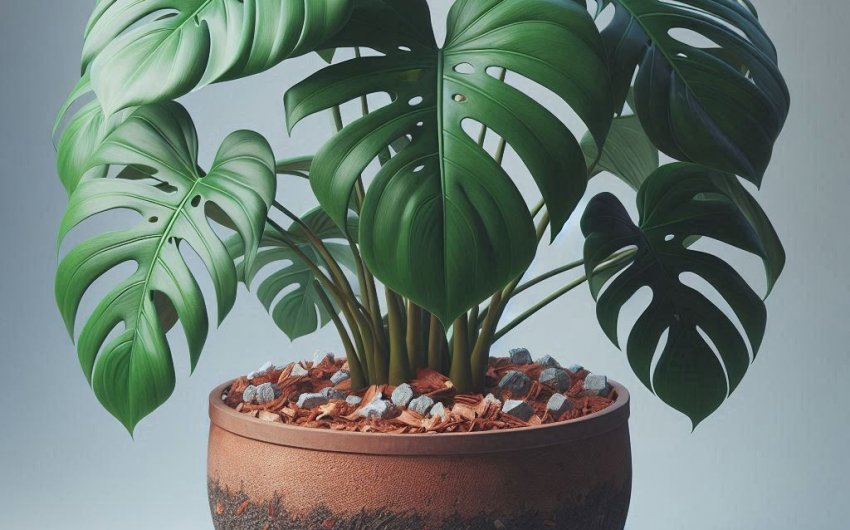
The Monstera deliciosa, often affectionately called the Swiss Cheese Plant, has captured the hearts of houseplant enthusiasts worldwide with its iconic, glossy, fenestrated leaves and impressive, sprawling growth. It's a plant that brings a touch of the tropics and a sophisticated architectural element to any indoor space. While its striking appearance is what first draws people in, the secret to a thriving Monstera isn't just about light and water; it largely depends on providing the right foundation: the perfect soil. An unsuitable growing medium can quickly lead to a host of problems, from stunted growth to the dreaded root rot.
Understanding the ideal soil for Monstera deliciosa is crucial because it directly mimics their natural habitat. In the wild, these plants are epiphytic or semi-epiphytic, meaning they climb trees and their roots often attach to bark, drawing nutrients from decaying organic matter and getting plenty of air. This tells us they need a mix that's very different from typical dense potting soil. Getting the soil mix just right ensures proper drainage, adequate aeration for those vital roots, and just enough moisture retention to keep your beautiful Monstera happy and healthy. Let's delve into what makes the best home for your green giant.
Why is the Right Soil So Important for Monstera Deliciosa?
The type of soil for Monstera deliciosa isn't just a minor detail; it's one of the most critical factors determining the plant's health, growth, and longevity. Using the wrong soil can quickly lead to problems, even if everything else (light, water) seems perfect.
1. Preventing Root Rot: The Biggest Danger
- Monstera Roots' Needs: Monstera deliciosa is native to tropical rainforests. In their natural habitat, they often grow as epiphytes or hemi-epiphytes, meaning their roots (including many prominent aerial roots) cling to tree trunks, rocks, or grow in very loose, airy pockets of decaying organic matter on the forest floor. They are accustomed to excellent aeration around their roots.
- The Problem with Dense Soil: Standard potting soils are often too dense and hold too much water. When a Monstera's roots sit in constantly wet, oxygen-deprived soil, they cannot breathe. This creates the perfect environment for harmful anaerobic bacteria and fungi to thrive, leading to root rot.
- Signs of Root Rot: Yellowing leaves, mushy stem base, foul smell from the soil, stunted growth, and eventually, the plant collapsing.
2. Ensuring Proper Aeration
- Oxygen for Roots: Roots need oxygen to function properly and take up water and nutrients. A heavy, compacted soil chokes off oxygen supply.
- Benefits of Aeration: An airy, chunky soil mix allows for good air circulation around the roots, preventing suffocation and promoting healthy root development. This is why you often see ingredients like perlite and orchid bark in Monstera mixes.
3. Providing Excellent Drainage
- Quick Water Flow: The ideal Monstera soil drains quickly. When you water, excess water should flow freely out of the drainage holes within seconds, not sit in the pot.
- Avoiding Standing Water: This prevents the roots from sitting in stagnant water, which is the direct cause of root rot.
4. Retaining Just Enough Moisture
- Balanced Act: While good drainage is crucial, the soil shouldn't dry out instantly. It needs to retain some moisture to provide water to the roots between waterings.
- Optimal Hydration: The right mix allows you to water thoroughly without fear of waterlogging, knowing that the excess will drain away, but enough will be held for the plant.
5. Supporting Growth and Stability
- Anchoring: A good soil mix provides a stable medium for the plant to anchor its root system as it grows.
- Nutrient Delivery: While soil mix itself isn't the primary source of nutrients (that comes from fertilizer), a healthy, well-aerated soil structure allows roots to efficiently absorb the nutrients you provide.
In essence, the right soil for Monstera deliciosa mimics its natural environment, providing the perfect balance of aeration, drainage, and moisture retention to keep its sensitive roots happy and prevent the most common houseplant killer: root rot.
What Are the Key Components of the Best Monstera Soil Mix?
To create the ideal soil for Monstera deliciosa, you need to think beyond generic potting soil. The best mixes are chunky, airy, and well-draining, mimicking the organic debris and tree bark they'd encounter in their natural habitat. Here are the essential components:
1. A High-Quality Potting Mix (Base)
- Not the Only Ingredient: Start with a good quality, peat-based or coco coir-based indoor potting mix. This provides a base that holds some moisture and nutrients.
- Avoid Cheap Mixes: Cheap, heavy potting soils are often too dense and can compact easily, leading to poor drainage and aeration. Look for something that already feels relatively light and airy.
- Example: A general all-purpose indoor potting mix is fine, but it needs to be amended significantly. Some premium potting mixes are designed for tropical plants and might be a better starting point. FoxFarm Ocean Forest Potting Soil is a popular choice for many houseplants.
2. Orchid Bark or Pine Bark Fines (Crucial for Chunky Texture)
- Why it's essential: This is one of the most important components. Orchid bark (fir bark) or pine bark fines add significant aeration and create large air pockets in the mix. They also break down slowly, releasing some nutrients over time.
- Benefits: Prevents compaction, improves drainage dramatically, and allows those precious aerial roots to breathe.
- Type: Look for medium to coarse-grade bark. Avoid very fine "mulch" type bark, as it can still compact.
- Ratio: Aim for about 20-30% of your total mix. Orchid Bark Potting Media is usually ready to use.
3. Perlite (For Aeration and Drainage)
- Why it's essential: Perlite is those small, white, lightweight volcanic rock pieces often found in potting mixes. It's fantastic for improving drainage and aeration.
- Benefits: It creates tiny air pockets within the soil, preventing compaction and helping water drain quickly. It doesn't hold water itself, so it's purely for improving structure.
- Ratio: Aim for about 20-30% of your total mix. Perlite is readily available.
4. Coir (Coco Coir - Sustainable Moisture Retention)
- Why it's beneficial: Coco coir (fibers from coconut husks) is a sustainable alternative to peat moss. It's excellent at retaining moisture while still allowing for good drainage when mixed with other chunky ingredients. It also resists compaction.
- Benefits: Holds moisture, provides good aeration, and has a neutral pH.
- Ratio: Can replace or supplement peat moss in your base potting mix.
- Preparation: If using compressed coco coir bricks, you'll need to rehydrate them first according to package directions. Coco Coir Substrate.
5. Activated Charcoal (Optional, for Fresher Soil)
- Why it's optional: Activated charcoal is not strictly necessary but can be a beneficial addition. It helps absorb impurities, excess salts, and can reduce odors in the soil. It also contributes to drainage.
- Type: Use horticultural charcoal, not barbecue charcoal.
- Ratio: A small amount, perhaps 5-10% of the total mix. Horticultural Activated Charcoal.
6. Worm Castings (Optional, for Organic Nutrients)
- Why it's optional: Worm castings are worm poop – a natural, slow-release organic fertilizer. They are rich in beneficial microbes and trace minerals, boosting soil health without the risk of fertilizer burn.
- Benefits: Provides gentle nutrients and enhances microbial activity.
- Ratio: A small handful per pot or about 5-10% of the total mix. Worm Castings are a great organic addition.
By combining these components, you can create a custom soil mix that provides the perfect environment for your Monstera deliciosa to flourish, ensuring strong roots and beautiful, healthy leaves.
How Do I Mix the Best Soil for My Monstera? (Recipe Included!)
Creating your own Monstera soil mix isn't complicated, and it gives you complete control over the quality of your plant's environment. Here's a simple, effective recipe that provides excellent drainage, aeration, and moisture retention.
The Monstera Soil Mix Recipe (The "Aroid Mix")
This recipe is often referred to as an "aroid mix" because it's ideal for many plants in the Aroid family, which includes Monstera, Philodendron, Pothos, and Alocasia – all of which appreciate chunky, well-draining conditions.
- 1 part High-Quality Potting Mix: This forms the base. Look for one that's relatively lightweight and airy, ideally peat-free or with coco coir.
- 1 part Orchid Bark (or Pine Bark Fines): Essential for chunky texture, aeration, and drainage.
- 1 part Perlite: For additional aeration and to prevent compaction.
Optional Additions (can add 1/2 part each or a small handful):
- Horticultural Activated Charcoal: For purifying the mix and improving drainage.
- Worm Castings: For gentle, slow-release organic nutrients.
How to Mix Your Soil: Step-by-Step
- Gather Your Ingredients: Have all your chosen components ready.
- Choose a Mixing Container: Use a large bucket, a tote, or even a tarp spread out on the floor. You'll need plenty of space to mix thoroughly.
- Measure Your Parts: Use a standard container (like a small pot, a scoop, or even a clean yogurt container) to measure "parts." For example, if your "part" is one cup, you'd use one cup of potting mix, one cup of bark, and one cup of perlite. Adjust the quantity based on how much soil you need for your pot size.
- Combine Ingredients: Pour all the measured ingredients into your mixing container.
- Mix Thoroughly: Use your hands (wearing gloves is recommended, especially for perlite dust) or a small garden trowel to mix everything together. You want to ensure an even distribution of all components. The goal is for the mix to look consistently chunky, not like separate layers.
- Slightly Moisten (Optional but Recommended): Before potting, it's a good idea to lightly moisten the mix. This makes it easier to work with, prevents dust (especially from perlite), and ensures the initial watering after potting is effective. Add a little water and mix again until it's just damp, like a wrung-out sponge, not soaking wet.
Visualizing the Result
Your finished Monstera soil mix should not look like dense garden dirt. It should be:
- Chunky: You should clearly see distinct pieces of bark and perlite.
- Lightweight: It should feel much lighter than standard potting soil.
- Free-Draining: If you grab a handful and squeeze, only a tiny bit of water should come out, and when you release, it should spring back and feel airy.
This custom aroid mix will provide the perfect conditions for your Monstera deliciosa to develop a strong, healthy root system, preventing common issues and promoting vigorous growth for those magnificent fenestrated leaves.
When Should I Repot My Monstera and Change Its Soil?
Even with the perfect soil for Monstera deliciosa, it won't last forever. Over time, potting mixes degrade, nutrients get used up, and the plant simply outgrows its home. Knowing when to repot and refresh the soil is crucial for your Monstera's long-term health.
Signs Your Monstera Needs Repotting
- Roots Growing Out of Drainage Holes: This is the most obvious sign. If you see a dense mat of roots coming out of the bottom of the pot, your plant is root-bound and has exhausted its current space.
- Stunted Growth: If your Monstera's growth has slowed significantly, and new leaves are smaller than usual despite proper watering and feeding, it might be running out of room for its roots to expand.
- Frequent Watering: If you find yourself watering much more often than before (e.g., daily or every other day), it means the soil volume is too small for the root mass, and it's drying out too quickly.
- Soil Compaction: Over time, potting mix breaks down and compacts, losing its aeration and drainage. If the soil surface looks dense, hard, or shrinks away from the sides of the pot, it's time for new soil.
- Nutrient Deficiency Symptoms: Even with regular feeding, if your plant is showing signs of nutrient deficiencies (like yellowing leaves that aren't related to overwatering), it could be because the soil can no longer effectively hold or provide nutrients.
- Top-Heavy Plant: As the Monstera grows, if it starts tipping over easily due to its size relative to the pot, it needs a larger, more stable base.
How Often to Repot
- Young, Fast-Growing Monsteras: May need repotting every 12-18 months.
- Mature, Established Monsteras: May only need repotting every 2-3 years, or even less frequently if their growth has slowed.
- The "Goldilocks" Rule: It's better to repot slightly too late than too early. Monsteras prefer to be a little bit snug in their pots.
The Best Time to Repot
- Spring or Early Summer: This is the ideal time. It's when your Monstera is naturally entering its most active growing period. Repotting stress will be minimized, and the plant will quickly establish new roots in its fresh soil.
- Avoid Winter: Do not repot during fall or winter when the plant's growth slows down or it's dormant. It will be much harder for it to recover from the stress.
Repotting Steps
- Choose the Right Pot: Select a pot that is only 1-2 inches larger in diameter than the current pot. Going too large can lead to excess moisture and root rot. Ensure it has excellent drainage holes.
- Prepare Your Soil Mix: Have your fresh, custom Monstera soil mix ready.
- Hydrate the Plant: Water your Monstera thoroughly a day or two before repotting. This makes it easier to remove from the old pot and reduces stress.
- Remove the Plant: Gently tip the pot on its side and carefully slide the plant out. If it's stubborn, you might need to run a knife around the inner edge of the pot.
- Inspect Roots: Gently loosen any circling roots at the bottom. Trim away any mushy, dark, or rotting roots with sterilized shears.
- Add Soil to New Pot: Add a layer of your new Monstera soil mix to the bottom of the new pot.
- Place Plant: Center the plant in the new pot, ensuring the top of the root ball is at the same level as (or slightly below) the rim of the pot, leaving room for watering.
- Backfill: Fill around the root ball with more new soil, gently tamping down to remove large air pockets. Do not compact it too tightly.
- Water Thoroughly: Water the plant well until water drains from the bottom.
- Stake (Optional): If your Monstera is large, add a moss pole or coir pole at this time for support, guiding the aerial roots to attach. Moss Pole for climbing.
Repotting correctly with fresh, airy Monstera soil will provide your plant with the refreshed environment and space it needs to continue its impressive growth journey.
Can I Use Regular Potting Mix for Monstera Deliciosa?
This is a common question for new Monstera deliciosa owners, and the short answer is: no, not by itself. While you can start with a regular potting mix as a base, you absolutely must amend it heavily to make it suitable for a Monstera.
Why Regular Potting Mix is a Problem on its Own
- Too Dense: Standard potting mixes are designed to hold a lot of water and nutrients for plants with different root structures (like annual flowers or vegetables). For a Monstera, this density quickly leads to compaction.
- Poor Drainage: Because they hold so much water and compact easily, regular potting mixes drain very slowly. This means the soil stays wet for too long.
- Lack of Aeration: The dense nature of regular potting mix starves the Monstera's roots of vital oxygen.
- Risk of Root Rot: All of these factors combined create the perfect storm for root rot, which is the most common cause of death for Monsteras in unsuitable soil. The roots effectively drown and become susceptible to fungal infections.
Why Amending is Essential
Amending a regular potting mix with chunky, aerating ingredients transforms it from a death trap into a suitable home for your Monstera deliciosa. You are essentially modifying its physical properties to mimic the airy, fast-draining, yet moisture-retentive conditions found in its natural, tropical habitat.
What to Add to Regular Potting Mix
If you only have regular potting mix on hand and need to make it work for your Monstera, here's how to amend it (and aim for at least 50% amendments to the mix):
- Orchid Bark (or Pine Bark Fines): Add a significant amount. Think at least 1 part orchid bark to 1 part potting mix. This is the most crucial amendment for aeration and drainage.
- Perlite: Add about 1/2 to 1 part perlite for additional lightness and drainage.
- Coco Coir (Optional): If your potting mix is very heavy, or if you want to replace some of the peat, coco coir can be added for improved structure and moisture retention without compaction.
Example Amended Mix:
- 1 part Regular Potting Mix
- 1 part Orchid Bark
- 1/2 part Perlite
Even with these amendments, if your "regular potting mix" is exceptionally dense and low quality, it might still not be ideal. Investing in the proper individual components (potting mix base, orchid bark, perlite) and mixing your own is always the best option for guaranteed success with Monstera deliciosa.
Using plain, regular potting mix for your Monstera deliciosa is one of the quickest ways to send it into decline. Always prioritize a chunky, airy, and fast-draining soil mix to ensure its roots stay happy and healthy.