
Can Parlor Palms Tolerate Low Light Conditions?
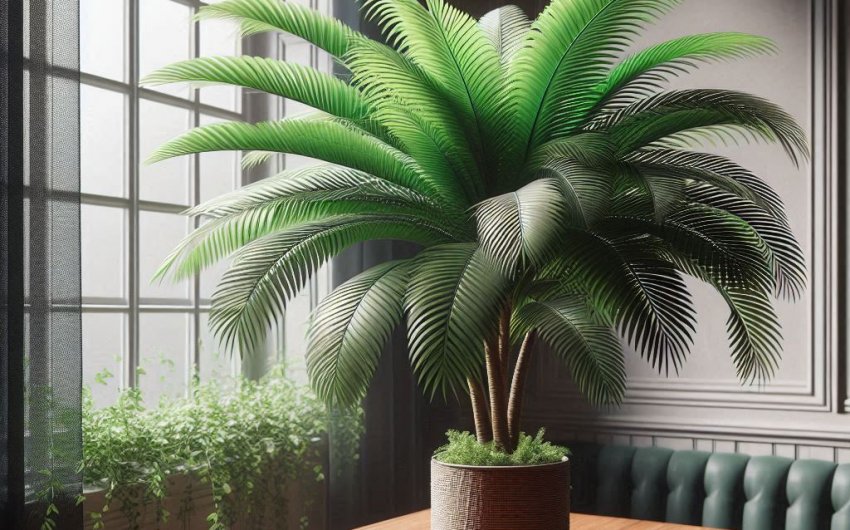
The parlor palm (Chamaedorea elegans) holds a special place in the hearts of houseplant enthusiasts, often celebrated as one of the easiest and most forgiving indoor plants. Its elegant, feathery fronds bring a touch of tropical serenity to any interior space, effortlessly enhancing decor from minimalist to bohemian. What truly sets the parlor palm apart, however, is its reputation for resilience, particularly its purported ability to thrive in less-than-ideal lighting conditions. This makes it a go-to choice for those tricky corners of a room or for offices where bright, natural light is a luxury.
But just how much low light can a parlor palm truly endure? While it's certainly more tolerant than many other tropical plants, there's a nuanced understanding required to keep it not just surviving, but truly flourishing in dimmer environments. This guide will explore the fascinating world of the parlor palm's light requirements, delve into the science behind its low light tolerance, and provide practical tips to ensure your green companion stays vibrant and healthy, even when sunlight is a scarce commodity. Discover the secrets to making your parlor palm happy in almost any indoor setting.
What Does "Low Light" Actually Mean for Plants?
Before we talk about whether a parlor palm can handle low light, it's important to understand what "low light" means in the world of plants. It's not the same as a completely dark closet, and there are different levels of dimness.
How Do Plants Use Light to Grow?
Plants are amazing because they make their own food through a process called photosynthesis.
- Sunlight as Energy: They use sunlight as energy to turn carbon dioxide (from the air) and water (from the soil) into sugars (their food) and oxygen.
- Chlorophyll: The green stuff in leaves, called chlorophyll, captures the sun's energy.
- Importance of Light: Without enough light, a plant can't make enough food to grow, stay healthy, or even survive. It's like trying to run a car without enough fuel. Different plants need different amounts of "fuel" (light) to be happy. Some are sun-hungry, while others prefer shadier spots.
What are the Different Levels of Indoor Light?
When talking about indoor light for plants, we usually break it down into a few main categories:
- Bright, Direct Light: This is like a spot right in a south-facing window, where the sun's rays hit the plant directly for several hours a day. It's often too much for parlor palms.
- Bright, Indirect Light: This is ideal for many houseplants. It's a spot near a bright window, but the direct sun rays don't hit the plant. The light is filtered by a sheer curtain, or the plant is a few feet away from the window. This is usually the best light for a parlor palm.
- Medium Light: This is a spot a bit further from a window, perhaps across the room from a bright window, or near a window that only gets indirect light. You can still read comfortably in this light during the day.
- Low Light: This is a spot where natural light is very dim. It's typically far from any window, or near a window that is very small or faces north and is shaded by outside buildings or trees. It's enough light to see clearly, but not enough to read a book without extra lights. A parlor palm is one of the few plants that can survive, but not necessarily thrive, in such conditions.
A simple test: If you can't easily read a book in a spot during the day without turning on a lamp, it's likely a low light area for a plant. A light meter for plants can give you a more accurate reading.
Is Low Light the Same as No Light?
No, low light is NOT the same as no light.
- No Light = Death: No plant can survive in truly "no light" conditions for very long. If you put a plant in a closet or a room with no windows that is always dark, it will eventually die because it cannot perform photosynthesis.
- Low Light = Survival (sometimes): A "low light" plant still needs some light, even if it's just ambient light bouncing around the room. The question is how much light is barely enough for survival versus enough for healthy growth. For a parlor palm, low light means it might just get by, but it won't be as vibrant or grow as much as it would in brighter, indirect light.
Understanding these light definitions helps you set realistic expectations for your parlor palm in different parts of your home.
Can Parlor Palms Really Tolerate Low Light Conditions?
The short answer is yes, parlor palms can tolerate low light conditions better than many other houseplants. This is a big reason why they are so popular. However, there's a difference between "tolerating" and "thriving."
What Makes Parlor Palms Low Light Tolerant?
Parlor palms (Chamaedorea elegans) are native to the rainforests of Southern Mexico and Guatemala.
- Understory Plants: In their natural habitat, they grow as understory plants. This means they live on the forest floor, beneath the dense canopy of much taller trees. They are naturally adapted to receiving filtered, dappled, or dim light.
- Efficient Photosynthesis: Over time, they have evolved to be very efficient at converting the limited light they receive into energy. Their broad, dark green fronds are good at capturing scarce light.
- Slow Growth: Because they are adapted to lower light, they also grow more slowly than plants that demand high light. This slower growth means they don't need as much energy (and thus as much light) to maintain themselves.
These adaptations make the parlor palm one of the best choices for indoor spaces where natural light isn't abundant.
What are the Signs of Too Little Light?
Even though they are low light tolerant, there's a limit. If your parlor palm isn't getting enough light, you'll start to see some warning signs:
- Slowed or Stunted Growth: This is one of the first indicators. If your palm seems to have stopped growing altogether, or new fronds are very small, it might need more light.
- Pale Green or Yellowing Fronds: Instead of a rich, deep green, the fronds might look pale or even start to yellow, especially older ones. The plant isn't producing enough chlorophyll.
- Leggy Growth: New fronds might appear thin and stretched out, with large gaps between the leaflets, as the plant "reaches" for more light.
- Increased Susceptibility to Pests/Diseases: A stressed plant (from too little light) is weaker and less able to fight off common houseplant pests like spider mites or scale.
- No New Growth: If your palm isn't putting out any new fronds over a long period, it's definitely struggling for light or other resources.
If you see these signs, it's a good idea to move your parlor palm to a slightly brighter location.
What is the "Ideal" Light for a Parlor Palm?
While they tolerate low light, parlor palms will truly thrive in medium to bright, indirect light.
- Best Location: This often means a few feet away from a bright, sunny window (like a south or west-facing window), or near a north or east-facing window where direct sun is less intense. The light should be bright enough for you to read comfortably without any artificial lights.
- No Direct Sun: Avoid placing them in direct, harsh afternoon sun (like a scorching south or west-facing window without any curtain). This can cause their fronds to scorch or burn, turning brown or yellow with crispy spots. Their understory nature means they're not built for intense, direct rays.
Providing this "ideal" light will result in a healthier, fuller, and more vibrant parlor palm with consistent new growth, proving that tolerating isn't always the same as truly loving a spot.
How Does Low Light Affect Watering and Other Care?
When your parlor palm is in low light conditions, its needs for water and fertilizer change significantly. Understanding these adjustments is crucial, as many plant problems in dim environments stem from unchanged care routines.
How Do I Adjust Watering in Low Light?
This is arguably the most important adjustment you'll make for a parlor palm in low light.
- Slower Water Usage: In low light, a plant's photosynthesis rate slows down dramatically. This means it uses much less water from the soil than a plant in bright light. Water also evaporates more slowly from the soil surface in dim conditions.
- Increased Risk of Overwatering: Because the soil stays wet for longer, the risk of root rot from overwatering becomes much higher. This is the most common killer of parlor palms in low light.
- The Finger Test is Key: You MUST rely on the finger test, not a schedule. Stick your finger 1-2 inches (for small pots) or 2-3 inches (for larger pots) into the soil. Only water when the soil feels mostly dry at that depth. For a palm in very low light, this might mean watering only once every 3-4 weeks, or even longer, especially in winter.
- Ensure Drainage: Always use a pot with drainage holes and a well-draining potting mix for palms. If water collects in the saucer, empty it immediately.
Never stick to a weekly watering schedule for a low-light parlor palm – you will almost certainly overwater it.
Do I Need Less Fertilizer in Low Light?
Yes, absolutely. Fertilizing a parlor palm in low light should be done very sparingly, if at all.
- Reduced Growth = Reduced Need: Since the plant's growth slows significantly in low light, its demand for nutrients also decreases.
- Salt Buildup: Fertilizers contain salts. If the plant isn't actively using those nutrients, the salts can build up in the soil, leading to fertilizer burn on the roots, which can manifest as crispy brown leaf tips or edges.
- Recommendation: Many experts recommend not fertilizing parlor palms in low light at all. If you do fertilize, do so only once or twice a year during its peak growing season (spring/summer) at a very diluted strength (quarter or half strength of the recommended amount). A liquid houseplant fertilizer is usually best for controlled application.
How Does Humidity and Airflow Change in Low Light Spots?
Humidity and airflow also play a role, and low-light spots often have their own challenges.
- Humidity: While parlor palms love humidity, very low-light areas can sometimes be more stagnant or have fluctuating humidity depending on their proximity to vents or entryways. Browning leaf tips can still be a sign of low humidity.
- Solution: Consider a pebble tray for plants or occasional misting (though misting is a temporary solution for humidity).
- Airflow: Low-light corners can sometimes have poor airflow, which can create slightly higher humidity directly around the plant, potentially increasing the risk of some fungal issues if the plant is also overwatered. Good airflow is important for overall plant health.
Adjusting these care routines for low light ensures your parlor palm receives exactly what it needs, preventing common issues and promoting its long-term survival in dimmer conditions.
What Are Practical Tips for Growing Parlor Palms in Low Light?
If you want your parlor palm to do its very best in a low light spot, there are a few practical tricks you can use. These tips help make up for the lack of sunshine and keep your palm looking its best, even in dimmer settings.
Can I Use Artificial Lighting?
Yes, artificial lighting can be a game-changer for parlor palms in truly low-light areas.
- Supplement Natural Light: A grow light isn't just for growing seeds. You can use it to supplement the existing natural light in a dim corner. Even a few hours of artificial light per day can make a big difference.
- Type of Grow Light: You don't necessarily need a super powerful, full-spectrum grow light designed for heavy-blooming plants. A simple LED grow light bulb (that fits a standard lamp fixture) or a small clip-on grow light can provide enough light for a parlor palm to be happier in a low-light spot.
- Duration: Aim for 8-12 hours of artificial light per day, mimicking natural daylight hours.
- Placement: Place the light a foot or two above the plant, ensuring it's not too close to cause scorching. Artificial light helps your palm perform more photosynthesis, leading to better health and growth.
Should I Clean the Leaves Regularly?
Yes, cleaning the leaves of your parlor palm is especially important in low-light environments.
- Dust Accumulation: Dust can easily settle on the broad fronds of a parlor palm.
- Blocked Light: This layer of dust actually blocks sunlight from reaching the leaves, making it even harder for the plant to perform photosynthesis in already dim conditions.
- Pest Check: Wiping down leaves also gives you a chance to inspect for any early signs of pests like spider mites or mealybugs.
- How to Clean: Gently wipe down each frond with a soft, damp cloth. You can use plain water or a very dilute solution of mild soap. Don't use leaf shine products, which can clog pores. A clean plant not only looks better but can also absorb more light. A small plant mister can help keep humidity up and make cleaning easier.
How Does Rotating the Plant Help?
Rotating your parlor palm helps ensure even growth and light exposure, even in a dim spot.
- Even Growth: Plants naturally lean towards the light source. If you don't rotate it, one side of your parlor palm might become denser and fuller while the other side becomes sparse or leggy as it stretches for light.
- Consistent Light Exposure: Even in a low-light corner, light levels can vary slightly. Rotating the plant every few weeks ensures all parts of the plant get some exposure to the best available light. Just a quarter turn every week or two is enough to keep your parlor palm looking balanced and symmetrical.
What are Signs of Stress and How to React?
Being able to recognize signs of stress early is crucial for any plant, especially one in less-than-ideal conditions.
- Persistent Yellowing/Browning: While a few old fronds might yellow naturally, widespread or persistent yellowing (especially of new growth) usually indicates a problem.
- Crispy Tips: Often a sign of low humidity or chemical buildup from water/fertilizer, but can also be from extreme underwatering.
- Stunted Growth: If your palm isn't producing new fronds for a long time (months), it's stressed.
- Pests: Stressed plants are magnets for pests. If you see signs of spider mites or scale, it often means something else is wrong with the environment.
- How to React:
- Reassess Light: Is it truly getting enough ambient light? Can you move it closer to a window or add a grow light?
- Check Watering: Perform the finger test diligently. Is it over or underwatered?
- Humidity: Is the air too dry?
- Fertilizer: Have you over-fertilized?
- Drainage: Is the pot draining well? By methodically checking these factors, you can usually pinpoint the issue and make the necessary adjustments to get your parlor palm back on track. With these tips, your parlor palm can indeed thrive, even in challenging low light conditions.