
What Causes Brown Spots on Fiddle Leaf Fig Leaves?
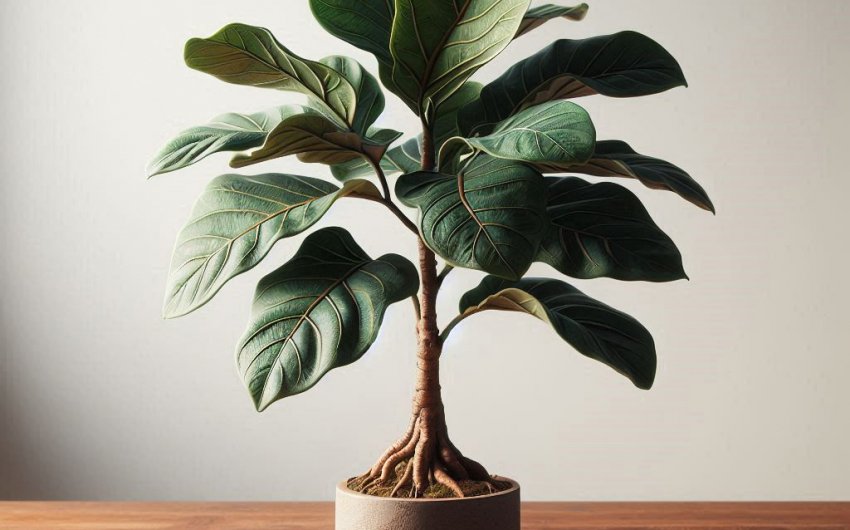
Observing brown spots on Fiddle Leaf Fig leaves is a common yet often alarming issue for enthusiasts of this popular houseplant, signaling a potential problem with its care or environment. These beautiful plants, known for their large, violin-shaped foliage, can be quite particular, and various factors, from watering imbalances to environmental stressors, can lead to discoloration. Deciphering the exact cause of these brown blemishes is crucial for restoring your Fiddle Leaf Fig to its vibrant, healthy state.
What Are Fiddle Leaf Figs and Why Are They Popular?
The Fiddle Leaf Fig (Ficus lyrata) is a highly sought-after indoor plant known for its striking, large, violin-shaped leaves that boast a deep green, leathery texture. Originating from the rainforests of West Africa, it has become a staple in modern interior design due to its architectural form and ability to make a bold statement in any space. Its popularity, however, is often matched by its reputation for being somewhat "fussy" or particular about its care.
Characteristics of the Fiddle Leaf Fig
- Leaf Shape: The most distinctive feature is its large, lyrata (lyre-shaped or violin-shaped) leaves, which can grow up to 18 inches long.
- Growth Habit: In its natural habitat, it can grow into a large tree. Indoors, it can be maintained as a tree-form plant with a single trunk or as a bushier, multi-stemmed specimen, reaching heights of 6-10 feet or more.
- Demanding Nature: Despite its beauty, the Fiddle Leaf Fig is notorious for being sensitive to changes in its environment, particularly regarding light, water, and humidity. This sensitivity often manifests as leaf discoloration or drop, making brown spots on Fiddle Leaf Fig leaves a common concern for owners.
Why the Popularity?
The allure of the Fiddle Leaf Fig lies in several factors:
- Striking Aesthetics: Its bold, oversized leaves and upright growth habit create an instant focal point in any room, complementing various decor styles, from minimalist to bohemian.
- Architectural Statement: It acts as living sculpture, adding height, texture, and natural elegance to indoor spaces.
- Status Symbol: For a period, owning a thriving Fiddle Leaf Fig became a sign of gardening prowess and trendy interior design.
- Air Purification: Like many indoor plants, it contributes to better indoor air quality by filtering toxins.
What Are the Main Causes of Brown Spots on Fiddle Leaf Fig Leaves?
The appearance of brown spots on Fiddle Leaf Fig leaves is typically a distress signal from the plant, indicating an imbalance in its care routine or environmental conditions. Pinpointing the exact cause often requires a bit of detective work, as multiple factors can lead to similar-looking symptoms. However, the most common culprits revolve around watering, light, and temperature.
1. Overwatering and Root Rot
This is, by far, the most frequent reason Fiddle Leaf Fig leaves turn brown. Fiddle Leaf Figs are highly susceptible to root rot if their roots sit in consistently wet soil.
- How it Happens: When the soil stays soggy for too long, the roots are deprived of oxygen and begin to suffocate and decay. Rotted roots cannot absorb water or nutrients, even though the soil may be wet, leading to dehydration of the foliage.
- Symptoms:
- Dark Brown or Black Spots: Typically appear on the lower leaves first, often around the edges or scattered in irregular patches. The spots may be mushy to the touch.
- Yellowing: Leaves may also show yellowing in conjunction with the brown spots, especially around the margins.
- Drooping: Leaves may appear limp or droopy, even if the soil is wet.
- Foul Odor: A distinct musty or rotten smell from the soil indicates severe root rot.
- Leaf Drop: Severely affected leaves will eventually fall off.
- Solution for Overwatering:
- Check Soil Moisture: Always check the soil before watering. Stick your finger 2-3 inches deep. Only water when the top 2-3 inches feel dry.
- Ensure Drainage: Make sure your pot has adequate drainage holes. Remove any standing water from the saucer.
- Improve Potting Mix: Use a well-draining potting mix specifically formulated for Ficus or other houseplants that prefer good drainage.
- Inspect Roots (for Root Rot): If brown spots are severe and the soil smells, gently unpot the plant. Healthy roots are light-colored and firm. Rotted roots are dark, mushy, and may smell.
- Prune Rotted Roots: Use sterile scissors to trim away all diseased roots.
- Repot: Repot into fresh, well-draining soil and a clean pot (or the same one after sterilizing).
- Adjust Watering Schedule: Water deeply but less frequently. Consider a moisture meter to guide your watering.
2. Underwatering
While less common to cause extensive browning than overwatering, consistent underwatering can also lead to brown spots on Fiddle Leaf Fig leaves.
- How it Happens: The plant doesn't receive enough water, leading to dehydration. Leaf cells dry out and die, particularly at the tips and edges where water transport is most challenging.
- Symptoms:
- Crispy Brown Edges and Tips: Spots usually appear on the leaf margins and tips, starting small and spreading. The brown areas will feel dry and brittle.
- Drooping/Limp Leaves: The entire leaf may sag and feel leathery.
- Soil Pulls Away from Pot: The soil surface may look cracked, and the soil ball may shrink from the pot sides.
- Overall Dullness: The plant lacks its usual vibrant green.
- Solution for Underwatering:
- Water Thoroughly: Water deeply until excess water drains from the bottom.
- Consistent Schedule: Establish a regular watering routine. Check the soil every few days until you learn your plant's needs.
- Bottom-Watering (if soil is very dry): If the soil has become compacted or extremely dry, place the pot in a basin of water for 30 minutes to an hour to allow the soil to rehydrate from the bottom up.
3. Bacterial or Fungal Leaf Spot (Bacterial Leaf Spot)
This is a specific type of infection that can cause distinct brown spots on Fiddle Leaf Fig leaves.
- How it Happens: Often caused by a bacteria (e.g., Xanthomonas campestris) that thrives in consistently wet conditions, especially on foliage. It can be spread by splashing water.
- Symptoms:
- Small, Dark Brown/Black Spots: Often circular or irregular, sometimes with a yellow halo around them.
- Appear Anywhere on the Leaf: Unlike root rot which often starts at the bottom, these can appear on any leaf.
- Wet Look: The spots may initially look water-soaked or translucent before turning dark.
- Rapid Spread: Can spread quickly from leaf to leaf if conditions remain favorable.
- Solution for Bacterial Leaf Spot:
- Isolate: Immediately isolate the affected plant to prevent spread.
- Prune Affected Leaves: Remove and discard all infected leaves and any heavily spotted ones using sterile pruning shears. Disinfect tools after use.
- Improve Air Circulation: Ensure good air movement around the plant to dry out leaves.
- Avoid Overhead Watering: Water only at the soil level, avoiding splashing water onto the leaves.
- Reduce Humidity: While Fiddle Leaf Figs like some humidity, excessively high humidity combined with poor air circulation can promote disease.
- No Cure: Unfortunately, there's no chemical cure for bacterial leaf spot in houseplants. Focus on cultural control to stop the spread.
Other Reasons for Brown Spots on Fiddle Leaf Fig Leaves
Beyond the primary causes of watering and fungal issues, several other environmental stressors and care habits can contribute to the appearance of brown spots on Fiddle Leaf Fig leaves. These often relate to light, humidity, or sudden changes in their surroundings.
4. Direct Sunburn
While Fiddle Leaf Figs love bright light, direct, intense sunlight can actually scorch their leaves, leading to brown patches.
- How it Happens: Unfiltered, harsh sunlight, especially through a window that magnifies the intensity, can be too strong for their leaves, which are adapted to dappled light in their native rainforest understory.
- Symptoms:
- Bleached or Light Brown Spots: Often irregular in shape and appear on the parts of the leaves directly exposed to the sun.
- Crispy Texture: The affected areas will feel dry and brittle.
- Located on Sun-Facing Leaves: Damage is usually on leaves nearest the window or in the path of direct sunbeams.
- Solution for Sunburn:
- Relocate: Move the plant to a spot with bright, indirect light. A few feet away from a south-facing window, or near an east or west-facing window, is often ideal.
- Filter Light: If moving isn't an option, use sheer curtains or blinds to filter the intense midday sun.
5. Low Humidity
Fiddle Leaf Figs are tropical plants and prefer moderate to high humidity. Very dry indoor air can cause brown spots on Fiddle Leaf Fig leaves, particularly at the tips.
- How it Happens: In very low humidity, the plant loses water through its leaves (transpiration) faster than its roots can absorb it, leading to localized dehydration, especially at the leaf tips.
- Symptoms:
- Crispy Brown Tips and Edges: Similar to underwatering, but often distinctively at the very tips of the leaves, not necessarily spreading inwards in large patches. The rest of the leaf may appear healthy.
- No Wilting: Unlike severe underwatering, the leaves usually won't wilt entirely.
- Solution for Low Humidity:
- Increase Humidity: Use a room humidifier near your plant.
- Pebble Tray: Place the pot on a pebble tray filled with water, ensuring the pot doesn't sit in the water.
- Group Plants: Grouping your Fiddle Leaf Fig with other plants can create a small microclimate of higher humidity.
- Avoid Dry Air Sources: Keep away from heating vents, radiators, and drafty windows.
6. Cold Drafts or Temperature Swings
Fiddle Leaf Figs are sensitive to sudden temperature changes and cold air, which can cause stress and browning.
- How it Happens: Exposure to cold drafts (e.g., from an open window in winter, AC vents, or cold outdoor temperatures during transport) can shock the plant, causing cells to rupture and turn brown.
- Symptoms:
- Dark Brown Patches: Irregularly shaped spots that can appear anywhere on the leaf.
- Sudden Leaf Drop: The plant may shed healthy-looking leaves rapidly after a cold shock.
- Solution for Temperature Stress:
- Stable Environment: Maintain a consistent room temperature, ideally between 65-75°F (18-24°C).
- Avoid Drafts: Place the plant away from drafty windows, doors, and heating/AC vents.
- Protect During Transport: When bringing a new plant home, ensure it's protected from cold during transport.
7. Over-Fertilization (Fertilizer Burn)
Too much of a good thing can be bad. Excess fertilizer can "burn" the roots, leading to browning leaves.
- How it Happens: High concentrations of fertilizer salts in the soil can draw water out of the plant's roots, causing dehydration and tissue damage.
- Symptoms:
- Crispy Brown Edges and Tips: Often appears similar to underwatering, but with no signs of underwatering.
- White Crust on Soil Surface: A visible buildup of fertilizer salts.
- Stunted Growth: Even with regular feeding.
- Solution for Fertilizer Burn:
- Flush the Soil: Take the plant to a sink or tub and slowly pour a large volume of clean, dechlorinated water through the soil (at least 2-3 times the pot's volume). This flushes out excess salts.
- Reduce Fertilizing: Use a more diluted solution (half strength) or fertilize less frequently, especially during the dormant season (fall/winter).
- Follow Directions: Always adhere to the Fiddle Leaf Fig fertilizer package instructions.
8. Pests (Less Common for Brown Spots, More for Yellowing/Damage)
While pests typically cause yellowing, stippling, or distorted growth, severe infestations can lead to widespread stress that might result in some browning.
- Spider Mites: Can cause tiny yellow or brown stippling, usually accompanied by fine webbing.
- Mealybugs/Scale: Can weaken the plant, leading to overall decline and yellowing that progresses to browning if severe.
- Solution: Inspect your plant regularly, especially the undersides of leaves. Treat with neem oil spray or insecticidal soap if pests are found.
How to Prevent Brown Spots on Fiddle Leaf Fig Leaves
Preventing brown spots on Fiddle Leaf Fig leaves is about understanding and consistently meeting the plant's specific needs. A proactive approach to care can significantly reduce stress and promote the lush, healthy foliage these plants are known for.
1. Consistent Watering is Key
This is the most important factor for preventing brown spots on Fiddle Leaf Fig leaves.
- Check Soil Moisture: Always feel the soil before watering. Use your finger to check the top 2-3 inches of potting mix. Water only when this top layer is dry. For larger pots, a moisture meter can be helpful.
- Water Thoroughly: When you do water, water until excess liquid drains from the bottom of the pot. This ensures the entire root ball is hydrated.
- Empty Saucer: Never let the plant sit in standing water in its saucer. This is a direct path to root rot.
- Potting Mix: Use a well-draining potting mix that promotes aeration. Amend with extra perlite or bark if needed.
- Drainage Holes: Always use pots with drainage holes.
2. Provide Bright, Indirect Light
Optimal light is crucial for photosynthesis and overall plant vigor.
- Placement: Position your Fiddle Leaf Fig near a bright window (east or west-facing is often ideal). A few feet back from a south-facing window is also good if the light is too intense directly at the window.
- Filter Harsh Light: If direct sun is unavoidable, use sheer curtains to diffuse the light.
- Rotate Regularly: Rotate the plant every few weeks to ensure all sides receive adequate light, promoting even growth.
3. Maintain Consistent Temperature and Humidity
Sudden changes are a Fiddle Leaf Fig's nemesis.
- Stable Temperature: Keep the plant in a room with a consistent temperature, ideally between 65-75°F (18-24°C).
- Avoid Drafts: Keep away from cold drafts from windows or doors, and hot blasts from heating vents or radiators.
- Increase Humidity: In dry homes, especially during winter, use a room humidifier or a pebble tray near the plant.
4. Fertilize Judiciously
Provide nutrients during the growing season, but don't overdo it.
- During Growing Season: Fertilize every 2-4 weeks during spring and summer (active growth period) with a balanced liquid fertilizer for Ficus, diluted to half strength.
- Dormant Season: Reduce or stop fertilizing in fall and winter.
- Flush the Soil: Periodically flush the soil with clean water to prevent salt buildup from fertilizers.
5. Repot When Necessary
Regular repotting into fresh soil prevents compaction and nutrient depletion.
- Frequency: Repot every 1-2 years, or when the plant becomes root-bound (roots circling the pot or growing out of drainage holes).
- Pot Size: Choose a pot only 1-2 inches larger in diameter than the previous one. Too large a pot can hold too much moisture.
6. Clean Leaves Regularly
Dust accumulation can block stomata, hindering photosynthesis.
- Wipe Leaves: Gently wipe down the large leaves with a damp cloth every few weeks to remove dust. This also allows you to inspect for pests.
By understanding what causes brown spots on Fiddle Leaf Fig leaves and proactively implementing these care strategies, you can minimize issues and enjoy a thriving, beautiful plant that enhances your home for years.