
How Do I Repot a Snake Plant?
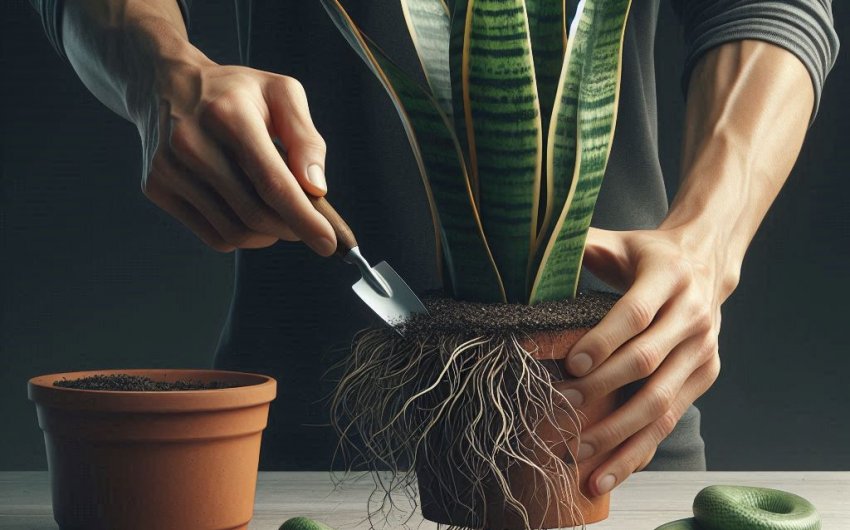
Repotting your Sansevieria trifasciata, commonly known as a Snake Plant or Mother-in-Law's Tongue, is a straightforward process that helps ensure its continued health and vibrant growth. These popular, resilient houseplants are known for their striking upright foliage and ability to thrive in various indoor conditions, yet even the most low-maintenance plants benefit from a fresh environment occasionally. Understanding how to repot a snake plant correctly will give it the space and nutrients it needs to flourish, whether it's becoming root-bound or simply needs a refresh.
Why and when should you repot a snake plant?
Snake plants are notoriously low-maintenance and can tolerate being root-bound for quite some time. However, there comes a point where repotting becomes necessary for the plant's overall health and continued growth.
Why repot a snake plant?
- Nutrient replenishment: Over time, the soil in a pot loses its nutrients, even with regular fertilizing. Fresh soil provides a new supply of essential elements for your plant.
- Prevent root bound issues: While snake plants don't mind being a little snug, extreme root-binding can lead to stunted growth, inefficient water absorption, and even cause the pot to crack from the pressure of the rhizomes (underground stems that store energy and produce new growth).
- Improved drainage: Old soil can become compacted, hindering drainage and aeration. Repotting with fresh, well-draining soil helps prevent root rot.
- Plant division: Repotting offers a perfect opportunity to divide larger, clumpy snake plants into multiple smaller ones, propagating new plants effortlessly.
When is the best time to repot a snake plant?
Snake plants, like most houseplants, are best repotted during their active growing season, which is typically spring or early summer. This allows the plant to recover quickly from the stress of repotting and establish itself in its new home.
What are signs your snake plant needs repotting?
- Roots growing out of drainage holes: This is the most obvious sign that your plant has outgrown its current pot.
- Cracked or bulging pot: The sheer force of the growing rhizomes can put pressure on the pot, especially if it's plastic or ceramic, causing it to crack or bulge.
- Stunted growth: If your plant's growth has significantly slowed or stopped, it might be due to a lack of space or nutrients.
- Water runs straight through: If water seems to rush through the soil without soaking in, it could mean the soil is compacted or there are more roots than soil.
- Plant falling over: As the plant gets top-heavy or the root ball becomes dense, it might become unstable.
- Visible rhizomes: You might see thick, orange rhizomes pushing up against the soil surface.
How often do snake plants need repotting?
Snake plants are slow growers and tolerate being root-bound well. You'll likely only need to repot them every 2-5 years, or even less frequently if you prefer a more compact plant. Some enthusiasts allow their snake plants to become quite pot-bound to encourage denser growth.
What type of soil is best for repotting a snake plant?
The correct soil is crucial for your snake plant's health, as it's highly susceptible to root rot if left in soggy conditions. Replicating its natural well-draining, somewhat arid environment is key.
Why is drainage so important for snake plants?
Snake plants are succulents (though they don't look like typical desert succulents) and store water in their thick, fleshy leaves and rhizomes. They originate from dry, rocky regions of West Africa. If their roots sit in constantly wet soil, they quickly succumb to rot.
What are the characteristics of ideal snake plant soil?
- Well-draining: Water should pass through quickly, not pool.
- Aerated: Loose enough to allow air circulation to the roots.
- Slightly gritty: Adds to drainage and mimics their natural habitat.
What ingredients make a good snake plant soil mix?
You can purchase a specialized mix or create your own.
- Cactus and Succulent Potting Mix: This is the easiest option. A cactus and succulent potting mix is pre-formulated to provide the necessary drainage.
- DIY Soil Mix: If you want to make your own, a good ratio is:
- 2 parts regular potting soil: A good quality, general indoor potting soil as the base.
- 1 part perlite: Horticultural perlite dramatically improves drainage and aeration.
- 1 part coarse sand or pumice/grit: Coarse sand (not play sand, which is too fine and compacts) or small, gritty particles like pumice for plants or chicken grit further enhance drainage.
This mix ensures excellent drainage, preventing water from sitting around the sensitive roots.
What is the best pot for repotting a snake plant?
The choice of pot material and size significantly impacts the success of your snake plant repotting. Proper drainage is paramount.
Why is a drainage hole essential?
Regardless of the material, your new pot must have drainage holes. Without them, water will accumulate at the bottom, creating a waterlogged environment that will almost certainly lead to root rot. Never use a pot without a drainage hole, even if you plan to add a layer of gravel at the bottom (this actually makes drainage worse by creating a perched water table).
What pot material is best?
- Terracotta/Unglazed Clay: These are highly recommended for snake plants. Terracotta pots are porous, meaning they allow air and moisture to pass through their walls. This helps the soil dry out faster, which is ideal for a drought-loving plant like the snake plant. The heavier weight of a terracotta pot also provides stability for a top-heavy snake plant.
- Glazed Ceramic/Plastic: While beautiful, glazed ceramic pots and plastic pots are non-porous and retain moisture longer. If you choose one of these, you'll need to be extra careful with your watering schedule and ensure excellent drainage from the soil mix. Plastic pots are lighter, which might be an issue for very tall snake plants that could tip over.
What size pot should you choose?
- Go up by one size: When repotting, only go up one pot size from the current one. For example, if your plant is in a 6-inch pot, move it to an 8-inch pot.
- Avoid overly large pots: A pot that is too large holds too much excess soil, which will retain too much moisture. This greatly increases the risk of root rot, as the soil will stay wet for too long, suffocating the roots.
- Consider the plant's size: For very tall snake plants, a wider base in the new pot can also help with stability.
What tools and materials do you need for repotting?
Having all your supplies ready before you start will make the snake plant repotting process smooth and less stressful for you and your plant.
Essential Tools and Materials:
- New Pot: As discussed, choose a pot that is one size larger than the current one and must have drainage holes.
- Appropriate Potting Mix: A cactus and succulent potting mix or your DIY well-draining blend.
- Gloves: Snake plant leaves can be sharp, and the rhizomes can be tough. Gardening gloves will protect your hands.
- Trowel or Small Shovel: For adding and moving soil. A sturdy hand trowel works well.
- Clean, Sharp Knife or Pruning Shears: Essential for cutting apart root-bound plants or dividing rhizomes if you plan to propagate. Ensure your pruning shears are sharp and sterilized with rubbing alcohol to prevent disease spread.
- Newspaper or Tarp: To protect your work surface from soil spills.
- Watering Can: For watering the plant after repotting.
- Optional: Rooting Hormone: If you plan to take cuttings or divisions without roots, rooting hormone powder can help stimulate root growth.
How do you repot a snake plant step-by-step?
Follow these steps carefully to ensure a smooth and successful snake plant repotting experience for your plant.
Step-by-Step Repotting Process:
- Prepare your workspace: Lay down newspaper or a tarp to protect your floor or table. Gather all your tools and materials.
- Water lightly (optional, but recommended): Give your snake plant a light watering a day or two before repotting. This makes the soil slightly pliable and easier to remove from the pot, but avoid soaking it, as wet soil can be messy and contribute to root rot during the process.
- Gently remove the plant from its old pot:
- Turn the pot on its side.
- Gently rock the pot back and forth, or gently squeeze plastic pots, to loosen the soil.
- If stubborn, try running a dull knife around the inside edge of the pot.
- Carefully slide the plant out. You may need to firmly pull the base of the plant. If the pot is cracked or disposable, you can cut it away.
- Be cautious: Snake plant leaves can be sharp, and heavy plants can be unwieldy.
- Inspect the root ball:
- Gently shake off as much old soil as possible, especially if it's compacted or doesn't drain well.
- Examine the roots and rhizomes. They are typically thick and orange.
- Trim off any soft, mushy, or black roots (signs of rot) using your sterilized knife or shears. If you cut into healthy roots or rhizomes, allow the cut surfaces to dry and callus over for a few hours (or even overnight) before proceeding to the next step. This prevents new rot from forming.
- If the plant is severely root-bound and you want to loosen the roots, gently tease them apart with your fingers, but avoid excessive disturbance.
- Decide on division (if desired): This is the ideal time to divide your snake plant.
- Look for natural separations in the rhizome clumps.
- Using your sharp, sterilized knife, cut through the rhizome to separate sections. Ensure each division has a good portion of roots and at least 3-4 leaves.
- You can then pot these divisions into their own smaller pots.
- Add fresh soil to the new pot:
- Place a layer of your well-draining snake plant soil mix at the bottom of the new pot. The amount depends on the size of your plant and the depth of the new pot. You want the top of the plant's root ball to be about 1 inch below the rim of the new pot once it's in place.
- Position the snake plant:
- Place the snake plant (or the largest division) in the center of the new pot.
- Adjust the soil level underneath so that the base of the plant's leaves is at the same level as, or slightly above, the previous soil line. Do not bury the leaves or the green part of the plant in the soil, as this can lead to rot.
- Fill with soil:
- Carefully fill around the root ball with fresh potting mix.
- Gently pat down the soil to remove large air pockets, but avoid compacting it too much. Ensure the soil level remains consistent around the base of the plant.
- Leave about an inch of space between the top of the soil and the rim of the pot to allow for watering.
- Do NOT water immediately: This is a crucial step for snake plants. After repotting, wait at least 5-7 days before your first watering. This allows any damaged roots or cut surfaces to heal and callus, significantly reducing the risk of root rot.
- Place in suitable location: Return your repotted snake plant to its preferred location with bright, indirect light.
What is post-repotting care for a snake plant?
Proper care after repotting ensures your snake plant settles into its new home smoothly and continues to thrive.
Initial Watering:
- Delay Watering: As mentioned, do not water immediately after repotting. Wait at least 5-7 days for roots to heal. This is the most important post-repotting tip for snake plants to prevent root rot.
- First Watering: When you do water, do so thoroughly until water drains from the bottom. Discard any excess water from the saucer.
Lighting and Temperature:
- Consistent Environment: Place your repotted snake plant back in its usual spot with bright, indirect light.
- Avoid Extremes: Try to keep the temperature stable and avoid sudden temperature drops or hot/cold drafts immediately after repotting, as the plant is already undergoing stress.
Fertilization:
- Delay Fertilizing: The fresh potting mix provides a new supply of nutrients, so your plant won't need immediate fertilization. Wait at least 4-6 weeks before resuming your regular fertilization schedule (which for snake plants is typically once or twice during the growing season with a diluted balanced fertilizer).
What to expect during recovery?
- Temporary Stress: It's normal for snake plants to show some signs of stress after repotting, such as temporarily stunted growth or a slight droop in leaves. Don't worry, this is usually temporary.
- New Growth: Once the plant has recovered and settled, you should start to see new growth emerging from the soil. This indicates that the repotting was successful and the plant is thriving.
How do you propagate a snake plant during repotting?
Repotting is an excellent opportunity to divide a larger, clumpy snake plant into multiple smaller plants. This is a very common and successful way to propagate them.
What is propagation by division?
Division involves separating the plant's rhizomes and root ball into distinct sections, each with its own leaves and root system. This method often results in a faster-growing new plant than leaf cuttings because it already has an established root system.
Step-by-Step Division Process:
- Remove plant from pot: Follow steps 1-3 from the main repotting guide.
- Identify natural divisions: Look for distinct clumps of leaves and rhizomes. Often, the plant will naturally separate into a few sections.
- Separate the clumps:
- Gently try to pull the clumps apart with your hands.
- If they are tightly bound, use a sharp, sterilized knife or pruning shears to cut through the rhizomes connecting the sections. Ensure each new section has a good portion of roots and at least 3-4 healthy leaves.
- Allow cuts to callus: If you made any significant cuts to the rhizomes, allow the cut surfaces to dry and callus over for a few hours (or even overnight) in a dry, shaded place. This is crucial to prevent rot when you replant.
- Pot up divisions:
- Plant each new division into its own small pot with fresh, well-draining snake plant soil. The pot size should be appropriate for the size of the division.
- Follow the same rules for adding soil and positioning the plant as in the main repotting guide.
- Do not water immediately: Just like with the parent plant, wait 5-7 days after potting divided plants before their first thorough watering. This gives any stressed roots or cut rhizomes time to heal.
- Initial Care: Place the newly potted divisions in a spot with bright, indirect light. They may show some signs of stress initially, but should perk up once established.
Other propagation methods (not during repotting, but useful to know):
- Leaf Cuttings (in water or soil): You can also propagate snake plants from leaf cuttings.
- Cut a healthy leaf: Cut a healthy, mature leaf into 2-4 inch sections. Note which end is "down" (closest to the base of the plant).
- Callus: Allow the cut ends to callus for several days or up to a week.
- Water Propagation: Place the callused "down" end of the cutting into a glass of water, ensuring only the cut end is submerged. Change the water weekly. Roots will form in a few weeks to months. Once roots are a few inches long, plant in soil. Note: Leaf cuttings of variegated snake plants (like Sansevieria trifasciata 'Laurentii') will revert to plain green when propagated in water or soil; the variegation won't carry over.
- Soil Propagation: Plant the callused "down" end of the cutting directly into well-draining succulent soil. Keep the soil barely moist (not wet) until roots form (usually in a few months).
Understanding how to repot a snake plant is an important step in providing comprehensive care for this robust and popular houseplant. By paying attention to the signs it gives you, choosing the right soil and pot, and following the proper repotting and post-repotting steps, you can ensure your Sansevieria continues to thrive, looking its best for years to come.