
Is the Peace Lily Toxic to Pets?
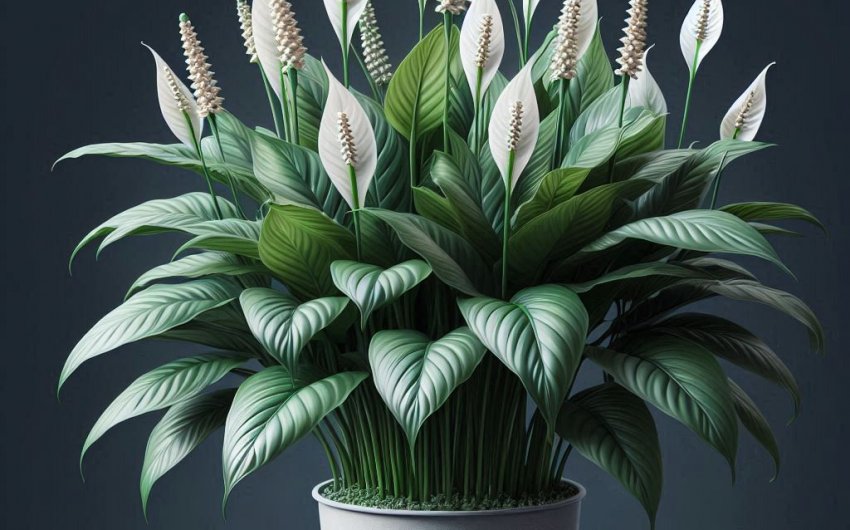
The Peace Lily (Spathiphyllum) is a beloved houseplant for many reasons. Its elegant white "flowers" (which are actually modified leaves called spathes) and lush green foliage bring a sense of calm and beauty to any room. It's also well-known for being relatively low-maintenance and an excellent air purifier. With all these wonderful qualities, it's easy to see why it's a popular choice for homes.
However, if you're a pet owner, a crucial question often comes to mind when introducing new plants into your home: Is the Peace Lily toxic to pets? This is a really important concern, as curious cats and playful dogs can sometimes nibble on houseplants. Understanding the risks and how to manage them is key to keeping both your plants and your furry friends safe and healthy. This guide will clarify the Peace Lily's toxicity to pets and provide essential advice for pet-friendly plant ownership.
What Makes the Peace Lily Toxic?
Understanding the specific compounds in the Peace Lily helps us grasp the nature of its toxicity.
What Are Calcium Oxalate Crystals?
This is the main culprit behind the Peace Lily's irritating effects.
- Insoluble Oxalates: Peace Lilies, along with many other popular houseplants in the Araceae family (like Pothos, Philodendron, Dieffenbachia, Monstera, and Calla Lily), contain insoluble calcium oxalate crystals. These are tiny, sharp, needle-shaped crystals.
- Irritation, Not Poison: It's important to understand that these crystals cause mechanical irritation rather than a systemic poisoning (affecting internal organs). When an animal (or human) bites into or chews on a Peace Lily leaf or stem, these microscopic, sharp crystals are immediately released.
- Immediate Pain and Irritation: The crystals embed themselves into the soft tissues of the mouth, throat, and digestive tract. This causes an immediate, intense burning sensation, irritation, and pain.
What Happens if a Pet Ingests a Peace Lily?
The symptoms are usually localized and quick to appear.
- Oral Irritation: The primary symptoms are usually related to the mouth and throat. These can include:
- Intense burning sensation
- Oral pain
- Drooling or excessive salivation
- Paw*ing at the mouth
- Swelling of the mouth, tongue, or lips
- Vomiting (due to irritation or trying to get rid of the plant material)
- Difficulty swallowing
- Loss of appetite
- Self-Limiting: Fortunately, because the pain and irritation are immediate, most pets will stop chewing on the plant very quickly after the first bite. This often prevents them from ingesting large quantities, which helps limit the severity of the reaction.
- Rare Severe Symptoms: In very rare cases, if a large amount is ingested, or if an animal has a highly sensitive reaction, swelling could potentially affect breathing, but this is highly uncommon and usually only seen in extreme ingestion scenarios. This is why immediate veterinary attention is advised.
Which Pets Are at Risk?
Any pet that might chew on a houseplant is at risk.
Cats
Cats are often more susceptible due to their curious nature and tendency to chew.
- Curiosity and Play: Cats are often very curious about new objects and textures. They may bat at plant leaves, chew on them out of boredom, or even in an attempt to get hydration if water bowls are not consistently filled.
- Grass-Eating Instinct: Some cats have a natural instinct to chew on grass or leafy material, which can sometimes lead them to munch on houseplants.
- Grooming: If calcium oxalate crystals get on their fur, they can ingest them during grooming, leading to oral irritation.
Dogs
While perhaps less likely to nibble on leaves than cats, dogs can still be affected.
- Puppies: Young dogs are often more prone to mouthing and chewing on everything, including houseplants, as part of their exploration.
- Boredom or Stress: An under-stimulated or stressed dog might resort to chewing on plants.
- Accidental Ingestion: A playful romp could lead to accidental chewing if a Peace Lily is within reach.
Other Small Pets (Birds, Rabbits, Rodents)
If you have other small indoor pets, they are also at risk.
- Birds: Can pick at leaves.
- Rabbits and Guinea Pigs: These animals are herbivores and naturally chew on plants. A Peace Lily would be very dangerous for them.
- Immediate Vet Care: For small pets, even a small amount of ingestion can cause more severe symptoms due to their smaller body size. Seek veterinary attention immediately if you suspect ingestion.
What Should I Do if My Pet Eats a Peace Lily?
Act quickly, but don't panic.
1. Identify the Plant
Knowing the plant is crucial for your vet.
- Confirm It's a Peace Lily: If you're not entirely sure, try to take a photo of the plant or bring a small sample of the leaf with you to the vet. This helps them confirm the type of toxicity.
2. Assess Your Pet
Look for the tell-tale symptoms.
- Check Mouth: Gently (if your pet allows) examine their mouth, lips, and tongue for signs of irritation, redness, or swelling.
- Observe Behavior: Look for excessive drooling, paw*ing at the mouth, vomiting, or signs of discomfort.
3. Contact Your Veterinarian Immediately
Don't wait for severe symptoms to develop.
- Emergency Vet or Pet Poison Helpline: Call your veterinarian, an emergency veterinary clinic, or a pet poison helpline (like ASPCA Animal Poison Control Center or Pet Poison Helpline) right away.
- Provide Information: Tell them:
- What kind of pet you have (species, breed, age, weight).
- What plant they ingested (Peace Lily).
- How much you think they ate (even a small nibble is important to report).
- When they ate it.
- What symptoms you are observing.
- Follow Advice: Your vet will guide you on the next steps, which might include bringing your pet in for examination and supportive care. They may recommend rinsing your pet's mouth with water.
4. Do NOT Induce Vomiting Unless Instructed
This can sometimes do more harm than good.
- Risk of Further Irritation: Because the Peace Lily causes irritation due to its crystals, inducing vomiting could cause further damage to the esophagus.
- Aspiration Risk: There's also a risk of aspiration (inhaling vomit into the lungs).
- Always Consult Vet First: Only induce vomiting if explicitly told to do so by a veterinary professional.
How Can I Keep My Pets Safe Around Peace Lilies?
Prevention is always the best pet-friendly plant strategy.
1. Place Plants Out of Reach
The simplest and most effective method.
- High Shelves: Place your Peace Lilies on high shelves, mantels, or in locations that your pets cannot access, even by jumping or climbing.
- Hanging Baskets: Utilize hanging baskets to keep plants completely out of reach of curious paws and mouths. This is especially good for cats and jumping dogs. You can find indoor plant hangers.
- Dedicated "Pet-Free" Rooms: If you have a room that your pets are generally not allowed in, you can keep your Peace Lilies there.
- Terrariums or Enclosures: For smaller Peace Lilies, consider placing them inside a closed terrarium or decorative glass enclosure (ensure proper air circulation for the plant).
2. Use Deterrents
Make the plant less appealing to your pets.
- Bitter Apple Spray: You can spray the leaves of your Peace Lily with a bitter apple spray (designed for pets). The unpleasant taste can deter chewing. Reapply regularly, especially after watering. You can find bitter apple spray for pets.
- Foil or Pinecones: Place aluminum foil or prickly pinecones around the base of the plant in the pot. Many pets dislike the texture or sound, deterring them from getting too close.
- Spicy Spray (Use with Caution!): A very diluted cayenne pepper spray might deter some pets, but use extreme caution as it can irritate your pet's eyes or nose. Always do a small test patch first and never apply where your pet could rub against it and then get it in their eyes.
3. Provide Alternatives
Give your pets something else to chew on.
- Safe Chew Toys: Ensure your pets have plenty of appropriate chew toys to satisfy their natural chewing instincts.
- Cat Grass: For cats, offer a dedicated pot of cat grass (like wheatgrass or oat grass). This can redirect their desire to chew on greenery to a safe, healthy alternative. You can find cat grass seeds.
- Increase Playtime and Stimulation: A bored pet is often a destructive pet. Ensure your pets are getting enough physical exercise and mental stimulation to reduce their likelihood of chewing on plants out of boredom or stress.
4. Learn About Pet-Safe Plants
Educate yourself on safe alternatives.
- Research Before Buying: Before bringing any new plant into your home, always research its toxicity to pets. Websites like the ASPCA's toxic and non-toxic plant lists are excellent resources.
- Choose Pet-Safe Plants: If you prefer to play it completely safe, opt for houseplants that are known to be non-toxic to pets. Many beautiful options are available. Some popular pet-safe indoor plants include:
- Prayer Plant (Maranta leuconeura)
- Christmas Cactus (Schlumbergera)
- Boston Fern (Nephrolepis exaltata)
- African Violet (Saintpaulia)
- Parlor Palm (Chamaedorea elegans)
- Polka Dot Plant (Hypoestes phyllostachya)
- Money Tree (Pachira aquatica)
- Orchids (Phalaenopsis)
Is It Possible to Have Both Peace Lilies and Pets?
Yes, with awareness and precautions.
- Coexistence is Possible: Many pet owners successfully have Peace Lilies in their homes without incident. The key is understanding the type of toxicity and taking proactive steps to prevent ingestion.
- Risk Assessment: Consider your individual pet's habits. Is your cat a known plant nibbler? Does your dog chew on everything? If so, you might need stricter measures (like high placement or choosing entirely pet-safe plants). If your pets generally ignore plants, then careful placement might be sufficient.
- Awareness is Your Best Tool: The most important thing is to be aware that the Peace Lily is toxic to pets and to know what symptoms to look for. This awareness empowers you to act quickly if an accidental ingestion occurs.
While the Peace Lily is indeed toxic to pets due to its calcium oxalate crystals, it's important to understand that the toxicity primarily causes immediate irritation and pain, rather than systemic poisoning. This usually deters pets from eating large amounts. By taking proactive measures like placing Peace Lilies out of reach, using deterrents, and providing safe alternatives, pet owners can absolutely enjoy the beauty and air-purifying benefits of this elegant houseplant while keeping their furry family members safe and sound. Always prioritize prevention and consult your veterinarian immediately if you suspect your pet has ingested any part of a Peace Lily.