
Why Are the Leaves of My Pothos Turning Yellow?
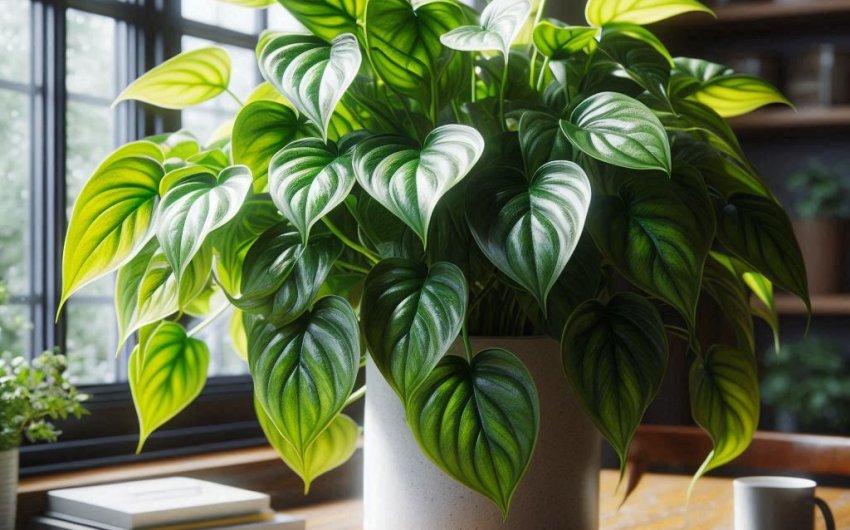
Few houseplants are as popular and seemingly resilient as the Pothos (Epipremnum aureum). Known for its trailing vines and heart-shaped leaves, it's a staple in homes and offices, celebrated for its ability to tolerate a wide range of conditions and forgive occasional neglect. Often recommended as a "beginner plant," its lush green or variegated foliage typically thrives with minimal fuss. However, even the hardiest Pothos can sometimes present a puzzling symptom: yellowing leaves.
Observing the vibrant green of your Pothos transform into sickly yellow can be disheartening, raising questions about what might be going wrong. While a single yellow leaf might be normal, widespread or rapid discoloration signals a distress call from your plant. The good news is that yellow leaves on Pothos are a common issue with several identifiable causes, most of which are easily remedied with a bit of detective work and adjustment to your care routine. Understanding the root cause is the key to restoring your Pothos to its full, verdant glory. Let's delve into the mysteries of yellowing Pothos leaves and uncover the solutions to keep your plant vibrant and healthy.
What Does Yellowing Leaves on Pothos Indicate?
When the vibrant green of your Pothos leaves turns yellow, it's a clear signal that something in its environment or care routine is off. Yellowing leaves, known as chlorosis, occur when the plant isn't producing enough chlorophyll, the green pigment essential for photosynthesis. It's the plant's way of telling you it's stressed.
What is Chlorosis and Why Does it Happen?
Chlorosis is the scientific term for yellowing leaves due to a lack of chlorophyll. Chlorophyll is crucial because it's what captures sunlight for photosynthesis, the process by which plants make their food. When a plant can't make enough chlorophyll, its leaves lose their green color and turn yellow, pale green, or even white.
Chlorosis happens when a plant is unable to effectively use nutrients or is under stress that prevents chlorophyll production. Common reasons include:
- Nutrient Deficiencies: Lack of essential nutrients like iron, magnesium, or nitrogen.
- Watering Issues: Both overwatering and underwatering.
- Light Problems: Too little or sometimes too much light.
- Temperature Stress: Extreme hot or cold temperatures.
- Pests or Diseases: Sucking insects can draw out sap and nutrients.
- Age: Older leaves naturally yellow and drop.
For your Pothos, understanding which factor is at play is the key to providing the right solution and restoring its healthy green color.
What Part of the Leaf Turns Yellow First?
Observing what part of the leaf turns yellow first can provide crucial clues to the underlying problem with your Pothos. Different patterns of yellowing often point to different causes.
- Entire Leaf Turns Yellow: If an entire leaf (or multiple leaves), including the veins, turns yellow and then often drops off, especially on older, lower leaves, it's a very common sign of overwatering. The plant is shedding leaves it can't support due to root issues.
- Yellowing Between Veins (Interveinal Chlorosis): If the tissue between the leaf veins turns yellow, but the veins themselves remain green, this often indicates a nutrient deficiency, typically iron or magnesium. This can affect new or old leaves depending on the specific nutrient.
- New Leaves Yellowing: If new leaves are coming in yellow or very pale, it could suggest a general nutrient deficiency or sometimes insufficient light for healthy growth.
- Yellowing with Crispy Edges: If the yellowing is accompanied by crispy or brown edges on the leaves, it often points to underwatering, low humidity, or sometimes fertilizer burn.
- Yellow Spots/Patches: Irregular yellow spots or patches, especially if accompanied by sticky residue or tiny insects, can indicate pest infestations or a disease.
By carefully observing the pattern of yellowing, you can narrow down the potential causes and diagnose your Pothos's issue more accurately.
Is a Single Yellow Leaf Always a Problem?
No, a single yellow leaf on your Pothos is not always a problem and is often a completely normal part of its growth cycle. Plants, like all living things, undergo natural aging.
- Natural Aging: As Pothos plants grow, especially the vining varieties, they shed older leaves, typically those at the base of the stems or furthest from the growing tip. These leaves have served their purpose and are naturally reabsorbed by the plant, turning yellow before dropping off. If it's just one or two old leaves, it's usually nothing to worry about.
- Minor Stress: Sometimes, a single yellow leaf can be a sign of minor, temporary stress, like a slight change in environment, a missed watering, or even the shock of being moved. If the rest of the plant looks healthy, monitor it.
However, if you notice multiple leaves turning yellow rapidly, especially new or mid-stem leaves, or if the yellowing is accompanied by other symptoms like wilting or stunted growth, then it's time to investigate further.
1. Watering Issues: The Most Common Cause
When it comes to yellow leaves on Pothos, watering issues are by far the most common cause. Both overwatering and underwatering can trigger this symptom, leading to stress and impacting the plant's ability to thrive.
How Does Overwatering Lead to Yellow Leaves?
Overwatering is the number one killer of Pothos plants and the most frequent reason for yellow leaves. When a Pothos is overwatered, the soil remains soggy for too long, leading to a critical problem: root rot.
- Oxygen Deprivation: Plant roots need oxygen to survive. When soil is constantly saturated with water, air pockets in the soil are displaced, and the roots essentially "drown."
- Root Rot: Lacking oxygen, roots begin to decay, a condition known as root rot. Damaged roots cannot effectively absorb water and nutrients, paradoxically leading to the plant showing symptoms of underwatering (like wilting and yellowing) even though there's plenty of water in the soil.
- Symptoms: With overwatering, you'll often see entire leaves turning yellow, especially the older, lower leaves at the base of the stems. These leaves might also feel mushy or limp before dropping off. The soil may smell sour or moldy. Stems might also turn black and mushy.
If you suspect overwatering, immediate action is crucial. Ensure your pot has drainage holes and that you're using a well-draining potting mix.
What Are the Signs and Solutions for Underwatering?
While less common than overwatering, underwatering can also cause yellow leaves on Pothos. This happens when the plant consistently doesn't receive enough moisture to support its foliage.
- Signs:
- Yellowing and Browning/Crispy Edges: Leaves might turn yellow, but usually, this is accompanied by crispy, brown edges or tips. The entire leaf might eventually dry out and shrivel.
- Drooping/Wilting: The plant will look significantly droopy or wilted, and the leaves might feel dry and brittle to the touch.
- Dry Soil: The soil will be completely bone dry and might have pulled away from the sides of the pot.
- Solutions:
- Thorough Watering: Water the plant deeply and thoroughly until water drains from the bottom of the pot.
- Soak Method (for severely dry plants): For a very dry Pothos, you can place the entire potted plant in a sink or tub filled with a few inches of water for 30 minutes to an hour. This allows the soil to rehydrate from the bottom up.
- Increase Watering Frequency (Carefully): Adjust your watering schedule based on soil moisture. Check the soil every few days. When the top inch or two of soil is dry, water again. A soil moisture meter can help guide you.
- Use Proper Potting Mix: Ensure your potting mix allows for good moisture retention without becoming overly dense.
By providing consistent, but not excessive, moisture, you can resolve yellowing leaves caused by underwatering.
How Does Potting Mix and Drainage Affect Watering Success?
The potting mix you use and the drainage of your pot are critically linked to your watering success and prevention of yellow leaves due to overwatering in your Pothos.
- Potting Mix: Standard, heavy potting mixes can retain too much moisture for Pothos, which prefer their soil to dry out between waterings. Use a light, airy, well-draining potting mix. A good mix might include:
- Standard Potting Soil: As a base, but usually needs amendments.
- Perlite: Highly recommended to improve drainage and aeration. Mix in a good amount (about 25-30% of the total volume). A bag of perlite is inexpensive and very useful.
- Orchid Bark/Coco Coir Chunks: These can also improve aeration and drainage.
- Drainage Holes: A pot without drainage holes is a recipe for disaster. Excess water has nowhere to go, leading to saturated soil and inevitable root rot. Always ensure your Pothos pot has at least one drainage hole at the bottom. If you have a decorative pot without holes, use it as a cachepot (outer decorative pot) and keep your Pothos in a nursery pot with drainage inside it.
- Empty Saucer: Always empty any excess water that collects in the saucer after watering within 15-30 minutes. Don't let your Pothos sit in standing water.
The right potting mix and drainage are fundamental to preventing overwatering and keeping your Pothos leaves green.
2. Light Conditions: Too Much or Too Little?
After watering, light conditions are the next most common culprit for yellowing leaves on Pothos. While Pothos are famously adaptable, extremes of light (both too much and too little) can cause stress.
What Happens to Pothos in Low Light Conditions?
Despite their reputation for tolerating shade, Pothos plants will get yellow leaves and struggle to thrive in truly low light conditions. They might survive, but their appearance will suffer.
- Symptoms:
- Overall Yellowing/Paleness: The entire plant, especially older leaves and those deeper in the canopy, will turn a dull, pale yellow or lime green.
- Leggy Growth: Stems will stretch out with widely spaced leaves as the plant tries to reach for more light. This makes the plant look sparse and unhealthy.
- Loss of Variegation: Variegated Pothos varieties (like 'Marble Queen' or 'N'Joy') will lose their white or yellow variegation and revert to solid green in low light, as the plant prioritizes chlorophyll production.
- Reason: Inadequate light means the plant cannot perform photosynthesis efficiently enough to produce the energy it needs for healthy growth and to maintain its vibrant green color.
- Solution: Move your Pothos to a brighter location. An east-facing window is ideal, or a few feet away from a south or west-facing window where it gets bright, indirect light. If natural light is limited, consider supplementing with a grow light for houseplants.
Providing adequate bright, indirect light is crucial for maintaining the healthy green color of your Pothos leaves.
Can Too Much Direct Sun Cause Yellowing?
Yes, ironically, too much direct sun can also cause yellowing on Pothos leaves, often accompanied by other forms of damage. While they appreciate bright light, intense, unbuffered direct sunlight can be too harsh, especially for varieties with more variegation.
- Symptoms:
- Bleached or Scorched Yellowing: Leaves exposed to direct sun might develop bleached, washed-out yellow patches, especially on variegated areas. These areas can then turn brown and crispy.
- Curling/Scorching: Leaves might curl inward or crisp up to protect themselves from intense light and heat.
- Rapid Yellowing and Dieback: Severely exposed leaves can rapidly yellow and die off.
- Reason: The intense light is too much for the chlorophyll, essentially causing it to break down. The heat from direct sun can also dry out the leaves too quickly, leading to burn.
- Solution: Move your Pothos away from harsh direct sunlight. Place it a few feet back from a south or west-facing window, or use a sheer curtain to diffuse the light. An east-facing window usually provides ideal morning sun without being too intense.
Find the sweet spot of bright, indirect light to keep your Pothos leaves a vibrant green without scorching.
What is the Ideal Light for Healthy Pothos Leaves?
The ideal light for healthy Pothos leaves is bright, indirect light. This means the plant receives plenty of ambient light without direct sunbeams hitting its foliage for extended periods.
- Examples of Ideal Locations:
- Several feet away from a south- or west-facing window.
- Next to an east-facing window (which provides gentle morning sun).
- In a brightly lit room, positioned away from direct window glare.
- Benefit: This type of light allows the Pothos to perform photosynthesis efficiently, producing abundant chlorophyll for lush green leaves. It also encourages compact, healthy growth without legginess or scorching.
- Variegation: For variegated varieties, bright, indirect light is essential for maintaining their distinct patterns. Too little light causes them to revert to green, while too much direct sun can scorch the white/yellow parts.
Providing consistent bright, indirect light is key to preventing yellowing and promoting overall vitality in your Pothos.
3. Nutrient Deficiencies: When the Soil Lacks Essentials
Just like any living organism, Pothos plants need a balanced supply of essential nutrients to maintain their health and vibrant green color. If the soil lacks these essentials, nutrient deficiencies can lead to yellowing leaves.
How Does Nitrogen Deficiency Manifest in Pothos?
Nitrogen deficiency is a common cause of yellowing leaves in many plants, including Pothos. Nitrogen is a primary macronutrient vital for chlorophyll production and overall leafy growth.
- Signs: The most telling sign of nitrogen deficiency is general yellowing of older, lower leaves. The entire leaf, including the veins, will turn uniformly yellow. This happens because the plant pulls nitrogen from older leaves to support new growth.
- Stunted Growth: Overall plant growth might also be stunted, and new leaves might be smaller or paler than usual.
- Solution:
- Fertilize: Apply a balanced liquid houseplant fertilizer or one slightly higher in nitrogen, according to the package directions. A general houseplant liquid fertilizer can address this.
- Compost Tea: For an organic boost, use diluted compost tea as a liquid feed.
- Repotting: If the plant hasn't been repotted in a long time (more than 2 years), the potting mix might be depleted of nutrients. Repotting into fresh, nutrient-rich soil can help.
Ensure consistent, but not excessive, fertilization during the growing season (spring and summer) to prevent nitrogen deficiency.
What About Iron or Magnesium Deficiencies?
Iron and magnesium deficiencies are other nutrient issues that can cause yellowing leaves in Pothos, often with a distinct pattern.
- Iron Deficiency:
- Signs: Typically causes interveinal chlorosis (yellowing between the veins, while veins remain green) on newest leaves or growth at the tips of the stems.
- Causes: Can be due to truly low iron in the soil, but more often, it's a result of high soil pH (alkaline soil) locking up the iron, making it unavailable to the plant.
- Solution: For potted plants, ensure your potting mix has a slightly acidic pH. If using tap water with high pH, let it sit out for 24 hours, or use rainwater/filtered water. Apply a chelated iron supplement if needed. A liquid iron plant supplement is readily available.
- Magnesium Deficiency:
- Signs: Also causes interveinal chlorosis, but usually on older, lower leaves first. The yellowing might start at the leaf margins and move inward.
- Causes: Can be truly low magnesium or a nutrient imbalance (e.g., too much potassium or calcium competing for absorption).
- Solution: Use Epsom salts (magnesium sulfate). Dissolve 1 teaspoon of Epsom salts in 1 gallon of water and water your plant with this solution once a month. A bag of Epsom salts for gardening is very economical.
Observing the pattern of interveinal chlorosis helps differentiate between these nutrient deficiencies.
When Should You Fertilize Your Pothos?
Fertilizing your Pothos is essential for preventing nutrient deficiencies and ensuring vibrant green leaves, but timing and moderation are key.
- Growing Season: The best time to fertilize your Pothos is during its active growing season, which is typically spring and summer. This is when the plant is putting out new growth and actively using nutrients.
- Frequency: A balanced liquid houseplant fertilizer applied every 2-4 weeks during the growing season is usually sufficient. Always follow the product's instructions, and it's often safer to dilute to half the recommended strength to avoid fertilizer burn.
- Dormant Season: Do not fertilize your Pothos in fall and winter. During these cooler, darker months, the plant's growth slows down significantly (it goes into a semi-dormant state). Applying fertilizer can stress the plant and lead to salt buildup in the soil, which can cause yellowing leaves and tip burn.
- Repotting: If you've recently repotted your Pothos into fresh potting mix, it generally won't need fertilizer for the first 1-2 months, as the new soil provides ample nutrients.
Consistent, mindful fertilization during the right season will keep your Pothos well-fed and its leaves lush green.
4. Temperature Stress and Environmental Factors
Beyond water and light, temperature stress and other environmental factors can also contribute to yellowing leaves on Pothos. These plants prefer stable, moderate conditions.
How Do Cold Temperatures Affect Pothos Leaves?
Cold temperatures can be a significant stressor for Pothos, leading to rapid yellowing leaves and potential damage. As tropical plants, they are sensitive to chill.
- Symptoms:
- Sudden Yellowing and Dropping: Leaves may quickly turn yellow, become limp, and drop off in response to cold shock.
- Blackening/Browning: In severe cases (near freezing), leaves can turn black or mushy.
- Stunted Growth: Overall growth will cease.
- Causes:
- Cold Drafts: Placing the plant near a drafty window or door in winter, or too close to an air conditioning vent in summer.
- Low Room Temperatures: Temperatures consistently below (55^\circ\text{F}) ((13^\circ\text{C})).
- Overnight Cold: Leaving plants outside too late in the fall or bringing them in too early after a cold night.
- Solution:
- Maintain Stable Temperatures: Keep your Pothos in a room where temperatures remain consistently between (65^\circ\text{F}) and (80^\circ\text{F}) ((18^\circ\text{C}) and (27^\circ\text{C})).
- Avoid Drafts: Move the plant away from drafty windows, doors, or vents.
- Insulate: For plants near cold windows, use curtains for insulation at night.
Protecting your Pothos from cold temperatures is crucial to prevent yellowing leaves and other signs of stress.
Can Dry Air Lead to Yellowing Leaves on Pothos?
While Pothos are relatively tolerant of average household humidity, extremely dry air can still lead to stress and sometimes yellowing leaves, especially for older foliage or if other stressors are present.
- Symptoms:
- Crispy Edges/Tips: More commonly, very dry air causes leaf edges and tips to turn brown and crispy before the whole leaf might yellow or shrivel.
- Overall Dullness: The plant might generally look less vibrant and healthy.
- Increased Pest Risk: Dry air also makes Pothos more susceptible to pests like spider mites, which can cause yellowing and stippling.
- Causes: Heating systems in winter are a common cause of very low indoor humidity.
- Solution:
- Increase Humidity: While Pothos doesn't need tropical humidity, if your air is extremely dry (below 30%), consider placing the plant on a pebble tray with water, or grouping it with other plants. A plant humidifier can also help if you have many humidity-loving plants.
- Consistent Watering: Ensure proper soil moisture, as a well-watered plant can better cope with drier air.
While not the most common cause of yellowing leaves for Pothos, dry air can exacerbate other issues and contribute to overall plant stress.
What is the Impact of Repotting Shock on Leaves?
Repotting shock can cause temporary yellowing leaves and wilting on your Pothos. This is a normal stress response after a significant environmental disturbance.
- Symptoms: After repotting, some lower leaves might turn yellow and drop, or the entire plant might look temporarily droopy and stressed.
- Causes: The stress of disturbing the root system during repotting, or a sudden change in pot size or potting mix.
- Solution:
- Minimize Root Disturbance: Be as gentle as possible during repotting.
- Proper Repotting: Use a well-draining potting mix and a pot that is only one size larger.
- Delay Watering: Do not water immediately after repotting. Wait for about a week to allow any damaged roots to heal and prevent root rot.
- Provide Stable Conditions: After repotting, place the plant back in its usual spot with stable light and temperature. Avoid fertilizing for at least a month.
- Patience: Most Pothos plants recover quickly from repotting shock. The yellowing leaves should subside within a few weeks as the plant adjusts.
The occasional yellow leaf after repotting is usually nothing to worry about and a sign the plant is adjusting to its new home.
5. Pests and Diseases: Less Common But Significant Causes
While less common than watering or light issues, pests and diseases can also be significant culprits behind yellowing leaves on Pothos. Regular inspection is key to early detection and treatment.
How Do Sap-Sucking Pests Cause Yellowing?
Sap-sucking pests directly feed on your Pothos's vital juices, draining nutrients and often injecting toxins, which can lead to yellowing leaves.
- Aphids: Tiny, soft-bodied insects often found on new growth. They cause leaves to yellow, curl, and distort. You might also see sticky honeydew (excretion) and sooty mold (black fungus) build-up.
- Spider Mites: Microscopic arachnids that thrive in dry conditions. They cause fine stippling (tiny dots) on leaves, which progresses to yellowing, browning, and fine webbing on the undersides of leaves.
- Mealybugs: White, cottony insects found in leaf axils or on stems. They also cause yellowing, stunted growth, and honeydew.
- Scale: Small, immobile, dome-shaped insects that attach to stems and leaf undersides, sucking sap and causing yellowing and general decline.
- Solution:
- Isolation: Immediately isolate any affected plant to prevent spread.
- Physical Removal: For light infestations, wipe off pests with a damp cloth or cotton swab dipped in rubbing alcohol.
- Strong Water Spray: Use a strong jet of water (for aphids, whiteflies, spider mites) to dislodge them.
- Insecticidal Soap: Spray thoroughly with insecticidal soap, ensuring full coverage on all plant surfaces. Repeat applications every 7-10 days are usually necessary.
- Neem Oil: Effective as a natural insecticide and repellent.
Regularly inspecting the undersides of leaves and new growth is vital for early pest detection.
Can Fungal or Bacterial Diseases Cause Yellowing Leaves?
While less common than watering issues, fungal or bacterial diseases can sometimes cause yellowing leaves on Pothos, often accompanied by other specific symptoms.
- Root Rot (Fungal): As discussed under overwatering, this is a very common fungal issue caused by persistently wet soil. Symptoms include widespread yellowing of entire leaves, mushy stems, and a foul odor from the soil.
- Solution: Drastically reduce watering, improve drainage, and prune away rotted roots if severe.
- Leaf Spot Diseases (Fungal/Bacterial): These typically cause distinct spots or lesions (often yellow, brown, or black) on the leaves, which can then spread and lead to broader yellowing or leaf drop. They often appear in conditions of high humidity combined with poor air circulation or wet foliage.
- Symptoms: Small, discolored spots that enlarge. Yellow halos around spots.
- Solution: Remove affected leaves. Improve air circulation around the plant. Avoid overhead watering. Ensure good drainage. For severe cases, consider an appropriate fungicide or bactericide (ensure it's labeled for houseplants and the specific disease).
- Blasts: Sudden outbreaks of yellowing or browning might be related to fungal or bacterial blights if conditions are very humid and stagnant.
Preventing diseases often comes back to proper watering, good air circulation, and providing adequate light.
Why is Quarantine Important for New Plants?
Quarantining new plants is an extremely important preventive measure for all gardeners, helping to avoid the introduction of pests or diseases that could lead to yellowing leaves and widespread problems in your existing collection.
- Risk of Introduction: New plants, even from reputable nurseries, can sometimes harbor hidden pests (like spider mites, mealybugs, or scale) or dormant disease pathogens.
- Prevent Spread: By isolating new plants, you prevent these potential issues from spreading to your healthy, established plants.
- Observation Period: Keep new plants in a separate room, away from your main collection, for at least 2-4 weeks.
- During Quarantine:
- Inspect Thoroughly: During this period, inspect the new plant daily for any signs of pests (especially on undersides of leaves) or disease (spots, wilting, yellowing).
- Treat Proactively (Optional): Some gardeners like to proactively treat new plants with insecticidal soap or neem oil before introducing them to their collection.
- Monitor Watering: Water as needed during quarantine.
Taking the time to quarantine new plants is a small effort that can save you a lot of headache and protect your entire Pothos collection from yellowing leaves and other ailments.