
Is ZZ Plant Safe for Pets and Children?
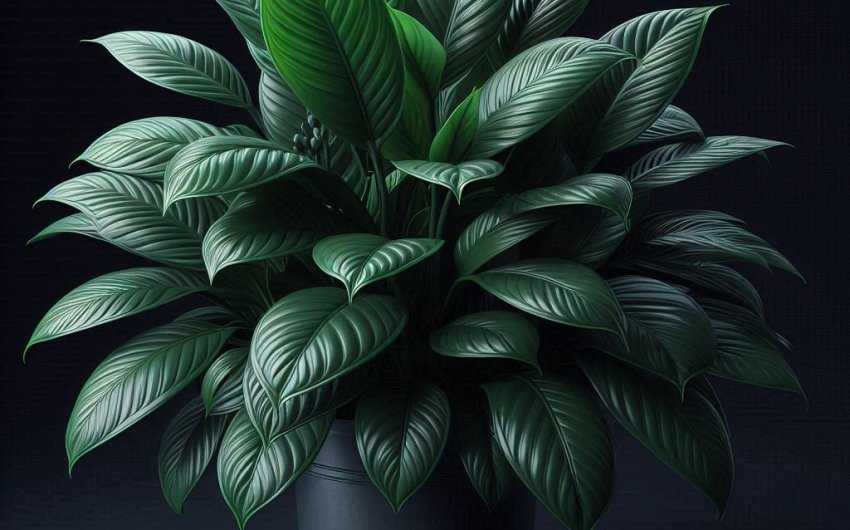
Is Your Popular ZZ Plant a Hidden Danger?
The ZZ Plant (Zamioculcas zamiifolia) is a favorite in homes and offices. It's loved for its shiny, dark green leaves and its ability to thrive even when neglected. It's often called the "indestructible plant." But if you have pets or children at home, you might have heard whispers of concern. Is this popular houseplant actually safe? Or is it a hidden danger lurking in your living room? Understanding the truth about the ZZ Plant's toxicity is crucial for keeping your loved ones safe. You want to enjoy your beautiful plants without any worries.
The Truth About ZZ Plant Toxicity
Let's get straight to the point: ZZ Plants are toxic. They contain calcium oxalate crystals. These tiny, needle-like crystals are the same irritating substance found in other common houseplants like Peace Lilies, Philodendrons, and Dieffenbachia (Dumb Cane). It's important to understand what this means for pets and children.
What are Calcium Oxalate Crystals?
- Microscopic Needles: Imagine tiny, sharp needles. That's what calcium oxalate crystals are like. They are present in all parts of the ZZ Plant – leaves, stems, and rhizomes (the potato-like structures underground).
- Irritation, Not Poison: When these crystals come into contact with skin or mucous membranes (like the mouth, throat, or digestive tract), they cause a strong, immediate irritation. They are not a true "poison" in the sense that they don't get absorbed into the bloodstream and affect organs. Instead, they cause mechanical irritation.
- Defense Mechanism: This irritating substance is the plant's natural defense mechanism. It discourages animals from eating it.
How Does it Cause Problems?
- Oral Irritation: If a pet or child chews on or eats any part of the ZZ Plant, the crystals stab and irritate the tissues in the mouth, tongue, throat, and esophagus. This causes immediate discomfort.
- Symptoms: This irritation leads to a range of symptoms, usually starting quickly.
Understanding ZZ plant toxicity is key for pet owners.
Is ZZ Plant Safe for Pets? What Symptoms to Look For.
No, ZZ Plants are NOT safe for pets. They are considered toxic to cats and dogs. If your furry friend decides to take a bite, they will likely experience a very unpleasant reaction.
Symptoms in Pets (Cats and Dogs)
The symptoms in pets are a direct result of the irritating calcium oxalate crystals. They usually appear quickly after ingestion.
- Oral Pain and Irritation: This is often the first and most obvious sign. Your pet might show signs of discomfort around their mouth.
- Pawing at Mouth: They might rub or paw at their mouth or face.
- Excessive Drooling (Hypersalivation): The irritation causes the mouth to produce a lot of saliva to try and wash away the crystals.
- Foaming at the Mouth: In some cases, especially with cats, excessive drooling can look like foaming.
- Vomiting: The irritation can extend to the throat and stomach, causing nausea and vomiting.
- Difficulty Swallowing (Dysphagia): The swelling and pain in the throat can make swallowing difficult or painful.
- Lack of Appetite: Due to mouth pain and nausea.
- Swelling of Mouth, Tongue, Lips: Though less common in pets than humans, swelling can occur.
- Vocalization: Your pet might cry, whine, or show other signs of distress.
What to Do If Your Pet Eats a ZZ Plant
If you suspect your cat or dog has chewed on a ZZ Plant, act quickly, but do NOT panic.
- Remove Plant Matter: Gently try to remove any remaining plant material from your pet's mouth. Be careful not to get bitten.
- Rinse Mouth: Offer your pet some water to drink, or gently try to rinse their mouth with water. This can help wash away some of the crystals.
- Call Your Vet or Pet Poison Control: This is the most important step.
- ASPCA Animal Poison Control Center: (888) 426-4435 (consultation fee may apply)
- Pet Poison Helpline: (855) 764-7661 (consultation fee may apply) Provide them with as much information as possible: what part of the plant was eaten, how much, when, and what symptoms your pet is showing.
- Follow Vet's Advice: Your vet might advise you to induce vomiting (though often the pet will vomit on their own) or administer specific treatments to soothe the irritation and manage symptoms. Most cases are mild and resolve quickly with supportive care, but it's always best to get professional advice.
Always err on the side of caution. Even though the ZZ Plant rarely causes life-threatening issues, the discomfort can be significant, and a vet's guidance is invaluable. To avoid issues, keep ZZ plant away from pets.
Is ZZ Plant Safe for Children? What Symptoms to Look For.
No, ZZ Plants are NOT safe for children. Just like with pets, the calcium oxalate crystals will cause immediate and unpleasant symptoms if a child chews on or ingests any part of the plant.
Symptoms in Children
The symptoms in children are similar to those in pets, due to the localized irritation.
- Immediate Pain/Burning in Mouth: A child will likely cry out or show signs of intense discomfort.
- Oral Irritation: Redness, swelling, and a painful, burning sensation in the mouth, on the tongue, and around the lips.
- Drooling: Excessive saliva production.
- Difficulty Swallowing: Pain and swelling can make it hard or painful to swallow.
- Choking or Gagging: Due to throat irritation.
- Vomiting: Nausea and throwing up.
- Hoarseness or Difficulty Speaking: If the throat is affected, their voice might sound raspy.
What to Do If Your Child Eats a ZZ Plant
If you suspect your child has chewed on a ZZ Plant, stay calm and take action.
- Remove Plant Matter: Gently wipe out any remaining plant material from the child's mouth.
- Rinse Mouth: Offer them water or milk to drink to help soothe the irritation and wash away crystals. Do NOT force them to drink if they are resisting or having difficulty swallowing.
- Call Poison Control Immediately: This is the most important step.
- Poison Control Center (USA): 1-800-222-1222 (This number connects you to your local poison control center and is free and available 24/7). Provide them with:
- The plant's name (ZZ Plant).
- What part of the plant was eaten (leaf, stem).
- How much was eaten (approximate, e.g., "a small bite," "a whole leaf").
- When it happened.
- The child's age and any symptoms they are showing.
- Follow Poison Control's Advice: They will guide you on what to do next. Most cases of ZZ Plant ingestion in children are not life-threatening due to the immediate pain acting as a deterrent, but medical advice is crucial for managing symptoms and ensuring no further complications. They will often advise soothing sips of water or milk.
Never assume a plant is safe, especially with curious toddlers. Prioritizing child safe plants is essential for home safety.
How to Keep ZZ Plants Away from Pets and Children
Given the ZZ Plant's toxicity, prevention is key. Here are practical steps to keep your pets and children safe while still enjoying your beautiful plant.
1. Place Out of Reach
This is the most effective strategy.
- High Shelves: Place your ZZ Plant on high shelves that pets cannot jump onto and children cannot reach, even with a chair.
- Tall Plant Stands: Use tall, sturdy plant stands. Ensure the stand itself is stable and won't tip over easily if bumped.
- Hanging Baskets: For smaller ZZ Plants, consider hanging them from the ceiling in a secure basket, ensuring no leaves dangle low enough to be accessible. Ensure the hanging mechanism is very strong.
- Unreachable Windowsills: If placing on a windowsill, ensure it's a high one, far from furniture that could act as a stepping stool.
2. Physical Barriers
- Furniture Arrangement: Arrange your furniture to block access to plants. For example, place a heavy bookcase or a large, stable piece of furniture in front of a plant stand.
- Pet Gates/Child Gates: For younger children or particularly persistent pets, use pet gates or child safety gates to block access to rooms or areas where toxic plants are kept.
- Terrariums or Enclosures: For very small ZZ Plants, you could consider placing them inside a closed terrarium or a decorative glass cloche that a curious hand or paw cannot easily access.
3. Deterrents (for Pets)
These are less reliable than physical barriers but can be used as an extra layer of defense.
- Bitter Sprays: Apply a non-toxic bitter apple spray (available at pet stores) to the leaves. Most pets dislike the taste and will be discouraged from chewing. Reapply regularly.
- Foil or Pinecones: Place aluminum foil or prickly pinecones on top of the soil in the pot. Cats, especially, dislike the texture and sound of foil.
- Citrus Peels: Some pets dislike the smell of citrus. Place fresh citrus peels (lemons, oranges) in the pot. Replace them often.
- Train Your Pet: Use positive reinforcement training to teach your pet "leave it" or "no" commands, and redirect them to appropriate chew toys.
4. Education (for Children)
- Teach "Look, Don't Touch": Teach older children from a young age that plants are not for eating or touching without adult permission. Explain the concept of "safe" vs. "unsafe" plants in an age-appropriate way.
- Lead by Example: Model respectful behavior around plants.
5. Consider a Safe Alternative
If you have very curious pets or toddlers who are impossible to deter, or if you prefer absolute peace of mind, consider swapping your ZZ Plant for a truly pet-safe and child-safe houseplant. There are many beautiful non-toxic options available. A pet safe house plant can offer peace of mind.
By combining these strategies, you can minimize the risk of your pets or children coming into contact with your ZZ Plant's toxic sap.
Are All Parts of the ZZ Plant Toxic?
Yes, it's important to understand that ALL parts of the ZZ Plant are considered toxic due to the presence of calcium oxalate crystals. This includes everything from the tips of the leaves to the hidden rhizomes.
Leaves
- The most visible part of the plant.
- Leaves are thick and shiny, which might make them appealing to a curious pet or child to chew on.
- Contain a high concentration of the irritating crystals.
Stems
- The upright stems of the ZZ Plant are also fleshy and contain the calcium oxalate crystals.
- If a large section of stem is bitten or ingested, it will cause significant irritation.
Rhizomes
- These are the large, potato-like tubers that grow underground (or just at the soil surface) from which the stems sprout.
- The rhizomes are essentially water storage organs for the plant.
- They also contain calcium oxalate crystals. If a pet digs up the plant or if a child gets access to the soil, the rhizomes are a hidden source of irritation.
Sap/Juice
- When a ZZ Plant stem or leaf is broken or cut, it releases a clear, sometimes sticky, sap.
- This sap also contains the calcium oxalate crystals.
- Skin Irritation: Getting the sap on your bare skin (especially sensitive skin) can cause irritation, itching, or even a rash for some individuals. It's always best to wear gloves when handling or pruning a ZZ Plant, especially if you have sensitive skin.
- Eye Irritation: Avoid getting the sap in your eyes, as it can cause significant irritation. If contact occurs, rinse thoroughly with water.
So, when considering the safety of your ZZ Plant, assume that every single part of it has the potential to cause irritation if chewed on, ingested, or even if its sap comes into contact with sensitive skin. This is why proper placement and precautions are so important. Always use protective gloves for gardening when handling ZZ plants.
What are Some Safe Alternatives to ZZ Plants?
If the toxicity of the ZZ Plant is too much of a concern for your home, especially with very curious pets or small children, there are many beautiful and genuinely safe houseplant alternatives. You don't have to sacrifice style for safety!
Here are some popular and truly non-toxic plants (check reputable sources like ASPCA for full lists):
For Low Light Conditions (Similar to ZZ Plant Tolerance)
- Cast Iron Plant (Aspidistra elatior): As tough as it sounds! It has dark green, long, glossy leaves and can tolerate very low light and infrequent watering. It's truly resilient and beautiful.
- Prayer Plant (Maranta leuconeura): Known for its beautifully patterned leaves that fold up at night. Needs a bit more humidity than a ZZ Plant but is completely safe.
- Spider Plant (Chlorophytum comosum): A classic houseplant with arching variegated leaves and "spiderettes" that dangle. Very easy to care for and completely pet-friendly. A spider plant for pets is a great choice.
- Christmas Cactus / Thanksgiving Cactus (Schlumbergera bridgesii / truncata): These are succulents that offer beautiful flowers in winter. They are safe for pets and children.
- Boston Fern (Nephrolepis exaltata 'Bostoniensis'): A lush, green fern that loves humidity. Looks great in hanging baskets.
For Brighter Light Conditions
- African Violet (Saintpaulia spp.): Small, compact plants with fuzzy leaves and beautiful, colorful flowers. Safe and charming.
- Money Tree (Pachira aquatica): Features braided trunks and large, palmate leaves. A popular office plant that is safe.
- Polka Dot Plant (Hypoestes phyllostachya): Small, colorful plants with speckled leaves (pink, white, or red). Great for adding a pop of color.
- Friendship Plant (Pilea involucrata): Has deeply textured, dark green leaves with silvery stripes. Another pet-safe and attractive option.
Edible/Herb Plants (Extra Safe!)
- Herbs: Many common kitchen herbs like basil, rosemary, thyme, parsley, and mint are safe for consumption (in moderation) by humans and pets, and they smell great too!
- Cat Grass: Specifically grown for cats, this grass provides fiber and can deter them from chewing on other houseplants. A bag of cat grass seeds can be a useful distraction.
Before bringing any new plant into your home, especially if you have pets or children, always double-check its toxicity status with reliable sources like the ASPCA or a trusted veterinarian. Prioritizing safety allows everyone in your home to enjoy the beauty of nature without worry.