
How Do You Propagate Aloe Vera Plants?
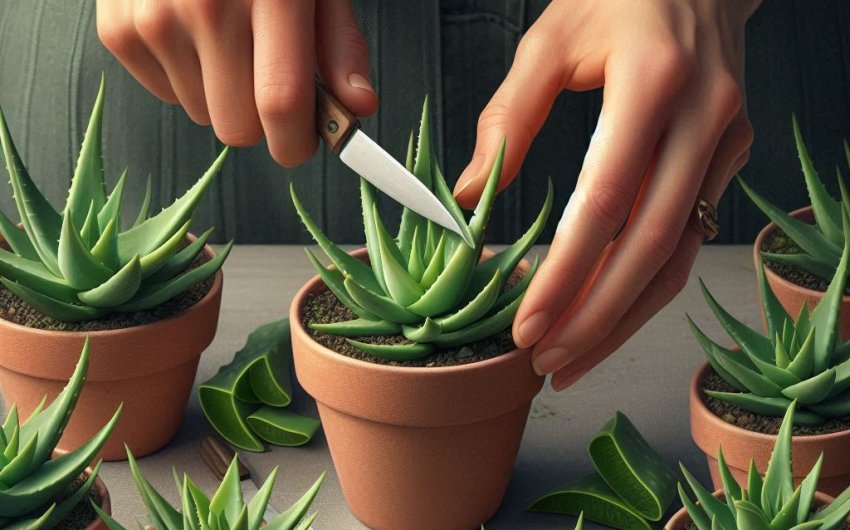
The Aloe Vera plant (Aloe barbadensis miller) is a household staple, cherished not only for its striking, succulent beauty but also for the soothing gel found within its fleshy leaves. Having an Aloe Vera plant at home means you always have a natural remedy on hand for minor burns, cuts, and skin irritations. Beyond its practical benefits, its architectural form and vibrant green hue make it a stylish addition to any interior decor. It's a remarkably resilient plant, famous for its drought tolerance and overall forgiving nature, making it a favorite among both seasoned gardeners and beginners.
One of the great joys of owning an Aloe Vera plant is how readily it reproduces. A healthy mature plant will naturally produce small offsets, often called "pups," which are miniature versions of the parent. These pups offer a fantastic opportunity to propagate Aloe Vera and expand your collection, share with friends, or even start new plants for other areas of your home. Learning how to properly separate and root these pups is a simple process that unlocks the full potential of your Aloe Vera propagation. This guide will walk you through the various methods of multiplying your Aloe, ensuring you can keep your home stocked with this wonderful, beneficial plant.
Why Propagate Aloe Vera and What Are the Benefits?
Propagating Aloe Vera is not just a fun gardening activity; it offers several practical and satisfying benefits. Understanding these advantages will motivate you to multiply your beloved succulent.
What Are the Key Benefits of Propagating Your Aloe Vera?
The act of propagating your Aloe Vera offers a multitude of benefits, making it a worthwhile endeavor for any plant enthusiast.
- Free Plants! The most obvious and appealing benefit is getting free plants. Instead of buying new Aloe Vera plants, you can simply create them from your existing, healthy mother plant. This saves money and allows you to expand your collection without cost.
- Prevent Overcrowding: A mature, healthy Aloe Vera plant will naturally produce many "pups" (offsets) over time. If these pups are left attached to the parent plant, the pot can become severely overcrowded. This competition for nutrients, water, and space can stress the mother plant and lead to slower growth or even decline. Propagating the pups helps prevent this overcrowding, allowing both the parent and the new plants to thrive independently.
- Rejuvenate the Mother Plant: Removing pups can help rejuvenate the mother plant. With less competition, the parent plant can focus its energy on growing larger, producing more gel-rich leaves, and looking its best.
- Share with Friends and Family: Propagated Aloe Vera pups make fantastic, thoughtful gifts. You can easily share the joy and benefits of this versatile plant with others.
- Backup Plants: Having multiple Aloe Vera plants ensures you have backup plants in case anything happens to your original. It's a form of plant insurance!
- Create More Decor: More Aloe Vera plants mean more opportunities to add green, architectural accents throughout your home. They look great in various rooms and contribute to a healthy home decor.
- Sustain Your Supply of Gel: If you regularly use Aloe Vera gel for medicinal or cosmetic purposes, propagating ensures a continuous and abundant supply of fresh leaves.
These benefits make Aloe Vera propagation a highly rewarding aspect of caring for this versatile succulent.
How Does Propagation Help Maintain a Healthy Mother Plant?
Propagation directly helps maintain a healthy mother plant by alleviating the stress of overcrowding and competition. As an Aloe Vera plant grows and matures, it starts to produce small offsets or "pups" around its base. These pups are essentially clones of the parent plant.
If left unseparated, these pups will grow larger, drawing water and nutrients from the same limited soil space as the mother plant. This creates competition for resources, which can weaken the mother plant over time. You might notice the mother plant's growth slowing down, its leaves becoming smaller, or even a general decline in vigor.
By carefully separating these pups, you reduce the burden on the mother plant. This allows the parent plant to redirect its energy back into its own growth, producing larger, healthier leaves, and potentially even more pups in the future. It's a form of natural plant management that ensures the longevity and vitality of your original Aloe Vera plant. Regularly propagating is a key step in keeping your entire Aloe collection thriving.
What Are the Different Methods for Propagating Aloe Vera?
Aloe Vera is a prolific reproducer, and thankfully, it offers a few relatively straightforward methods for propagation. The most common and easiest method involves separating "pups," but you can also try propagating from leaves, though this is less reliable.
1. Propagating from Pups (Offsets) – The Easiest Method
Propagating Aloe Vera from pups (also known as offsets or suckers) is by far the easiest and most successful method. A healthy, mature Aloe Vera plant will naturally produce these miniature versions of itself, emerging from the base of the parent plant or from its root system.
Here's how to do it:
- Identify Pups: Look for small, distinct plantlets growing around the base of the mother plant. Ideally, wait until the pups are at least 2-4 inches (5-10 cm) tall and have a few of their own leaves. Larger pups with some developed roots will have a higher success rate.
- Unpot the Mother Plant (Optional but Recommended): Gently remove the entire mother plant from its pot. This allows you to clearly see the root system and separate the pups without damaging them. If the pup is growing on its own stem and looks like it has independent roots, you might be able to simply use a sharp, clean knife to cut it away while the mother plant remains in the pot, but unpotting is safer for the pup's root system.
- Separate the Pups: Carefully shake off excess soil to expose the roots. You'll often see that the pups have their own small root systems attached to a stolon (a small underground stem) connecting them to the mother plant. Use a sharp, clean knife or pruning shears to cut the stolon connecting the pup to the mother plant. If the pup has developed its own distinct root system and easily pulls away with a gentle tug, you may not need to cut. Try to keep as many of the pup's roots intact as possible.
- Allow to Callus: This step is crucial for succulents to prevent rot. After separation, place the separated pups in a dry, shaded area for 1-3 days. This allows the cut end to callus over, forming a dry, protective layer. This layer prevents disease and rot once the pup is planted.
- Plant the Pups: Once the cut end has callused, plant each pup in its own small pot (about 4-6 inches in diameter) filled with a well-draining succulent or cactus potting mix. Bury the base of the pup just deep enough so that it can stand upright on its own.
- Initial Watering: Do not water immediately after planting. Wait 3-5 days after planting before giving the first light watering. This further reduces the risk of rot while the pup establishes its new root system. After the initial watering, treat them like mature Aloe Vera plants.
- Placement: Place the newly potted pups in a spot with bright, indirect light.
This method results in strong, healthy new Aloe Vera plants ready to thrive. A small trowel and hand rake set can be helpful for gently unpotting and separating.
2. Propagating from Stem Cuttings (Not Common for Aloe Vera)
While many succulents propagate readily from stem cuttings, propagating Aloe Vera from stem cuttings is not a common or reliable method. Unlike plants with elongated stems, Aloe Vera forms a tight rosette of leaves from a very short central stem.
Attempting to take a "stem cutting" would essentially mean cutting off the entire top of the plant or a large portion of its base, which can be very damaging to the mother plant and often leads to failure for the cutting. The few times this method might be considered is if an old, leggy Aloe Vera has developed a visible stem or if the plant has grown very tall and top-heavy. In such rare cases, you would carefully cut the stem (ensuring it has a few healthy leaves attached), allow it to callus for a week or more, and then plant it in well-draining soil. However, the success rate is much lower than with pups, and it's generally not recommended for home gardeners. Stick to pups for reliable Aloe Vera propagation.
3. Propagating from Leaf Cuttings – More Challenging and Less Reliable
Propagating Aloe Vera from leaf cuttings is often attempted, but it is much more challenging and less reliable than propagating from pups. While some succulent leaves can easily sprout roots and a new plant, Aloe Vera leaves typically just rot before forming roots, or they might root but never produce new plantlets.
If you wish to try this method (perhaps from a broken leaf you don't want to waste):
- Select a Healthy Leaf: Choose a healthy, plump leaf from the mother plant. Gently twist it off the plant where it connects to the main stem, ensuring the entire base (the "heel") of the leaf is intact. This is important as root development happens from this point. Avoid cutting the leaf.
- Allow to Callus (Crucial!): This step is absolutely critical. Place the detached leaf in a dry, shaded area for several days to a week or even two. The cut end must thoroughly callus over and dry out completely. If you plant it too soon, it will almost certainly rot.
- Plant the Leaf: Once callused, insert the callused end of the leaf about an inch deep into a pot filled with well-draining succulent or cactus potting mix. You can also lay the leaf flat on top of the soil.
- Initial Watering: Do not water immediately. Wait at least a week after planting before giving a very light watering. The goal is to encourage root growth without causing rot. Mist the soil surface lightly, or water very sparingly around the base of the leaf.
- Patience and Low Expectations: Place the pot in a spot with bright, indirect light. Be very patient. It can take weeks or even months for roots to form, and there's no guarantee a new plantlet will emerge. Often, the leaf will root but then simply remain a rooted leaf, never producing a new plant.
Due to the low success rate and high risk of rot, propagating from leaf cuttings is generally not recommended as the primary method for Aloe Vera. It's best reserved for experimentation or if you have no pups available. For dependable Aloe Vera propagation, pups are the way to go.
What Are the Essential Tools and Materials for Aloe Vera Propagation?
Having the right tools and materials on hand will make your Aloe Vera propagation process smooth, efficient, and successful. Most items are readily available at garden centers or online.
What Kind of Potting Mix Is Best for Aloe Pups?
The potting mix you use is incredibly important for Aloe Vera propagation, as it directly affects drainage and prevents root rot. Aloe Vera is a succulent, meaning it stores water in its leaves and thrives in dry conditions.
- Well-Draining Potting Mix: The absolute best type of potting mix for Aloe Vera pups (and mature plants) is a well-draining succulent or cactus potting mix. These mixes are specially formulated to drain water quickly and provide good aeration for the roots.
- DIY Mix: You can also create your own well-draining mix by combining:
- 50% standard potting soil
- 50% inorganic amendments like perlite, coarse sand, pumice, or a mix of these.
- Perlite is a lightweight, volcanic rock that improves drainage and aeration. You can find a bag of perlite easily.
- Coarse sand (horticultural grade, not play sand) also improves drainage.
- Pumice is another good option for aeration and drainage.
Avoid using heavy garden soil or standard potting mixes that retain too much moisture, as these will lead to waterlogging and almost guaranteed rot for your Aloe pups. The right mix ensures healthy root development for your new Aloe Vera plants.
What Size and Type of Pot Is Ideal for New Pups?
Choosing the ideal size and type of pot for your new Aloe Vera pups is crucial for their initial establishment and long-term health.
- Size: Start with a relatively small pot, typically 4 to 6 inches (10-15 cm) in diameter.
- Why small? A small pot allows the soil to dry out more quickly, which is essential for succulents like Aloe Vera. If you put a small pup in a large pot, the excess soil will retain too much moisture, increasing the risk of root rot before the pup has a chance to develop a substantial root system.
- As the pup grows and its roots fill the pot, you can then gradually repot it into a larger size.
- Type of Pot:
- Terracotta (Clay) Pots: These are highly recommended for Aloe Vera plants because they are porous. The porous nature of terracotta allows air and moisture to pass through the pot walls, helping the soil to dry out faster. This is a significant advantage for succulents and helps prevent overwatering. You can easily find terracotta pots with drainage holes.
- Plastic Pots: Can also be used, but they are non-porous and will retain moisture longer. If using plastic, be extra vigilant with your watering and ensure excellent drainage in the potting mix.
- Drainage Holes: Regardless of material, the most critical feature is drainage holes at the bottom of the pot. Never plant an Aloe Vera in a pot without drainage holes.
Proper pot size and material are key components of successful Aloe Vera propagation and healthy plant growth.
What Tools Do I Need for Clean Separation and Planting?
Having a few basic tools will make the clean separation and planting of your Aloe Vera pups much easier and safer for both the mother plant and the new offsets.
- Sharp, Clean Knife or Pruning Shears: This is essential for cleanly separating pups from the mother plant's stolon. A sharp cut minimizes damage to plant tissue, reducing the risk of infection and promoting faster healing. Always ensure your tool is clean by sterilizing it with rubbing alcohol or a bleach solution before and after use to prevent the spread of diseases. A gardening knife or a small pair of pruning snips works well.
- Gloves: Aloe Vera sap can sometimes cause skin irritation in sensitive individuals. Wearing gardening gloves can protect your hands.
- Small Trowel or Hand Scoop: Useful for gently digging out the mother plant from its pot and for backfilling soil around the newly planted pups. A small garden trowel is perfect.
- New Pots and Potting Mix: Have these ready before you start the separation process.
- Newspaper or Tarp: To protect your work surface from soil spills.
Using clean, sharp tools minimizes stress on the plants and increases your success rate in Aloe Vera propagation.
How Do I Care for Newly Propagated Aloe Vera Pups?
Once you've successfully separated and potted your Aloe Vera pups, proper initial care is essential to ensure they establish strong roots and grow into healthy, mature plants. The first few weeks are crucial for their survival.
What Is the Watering Schedule for Young Aloe Pups?
The watering schedule for young Aloe pups is critical. Remember, these are succulents, and they are highly prone to rot if overwatered, especially when their root systems are still developing.
- After Planting: Do NOT water immediately after planting. This is one of the most common mistakes. Wait for at least 3-5 days, and some growers even recommend a full week, before giving the first watering. This allows any tiny wounds on the newly cut roots or the base of the pup to thoroughly callus, preventing pathogens from entering and causing rot.
- First Watering: When you do water for the first time, give a light watering. The goal is to barely moisten the soil to encourage root growth, not to saturate it.
- Subsequent Watering: After the first watering, adopt a very conservative watering schedule. Allow the soil to dry out completely between waterings, plus an extra few days for good measure. You can test by inserting a finger deep into the soil. If it feels moist, wait. This might mean watering only every 2-4 weeks, or even longer, depending on your home's temperature, humidity, and the pot size.
- Signs of Thirst: Watch for signs of thirst, such as the leaves starting to wrinkle slightly or look less plump. This indicates it's time for water.
Always err on the side of underwatering rather than overwatering for young Aloe pups. Consistent Aloe Vera plant care with a watchful eye on moisture levels will help them establish successfully.
What Are the Light Requirements for Young Aloe Pups?
Just like mature plants, young Aloe pups need the right light requirements to thrive and grow strong. Providing adequate light is crucial for them to photosynthesize and build energy for root and leaf development.
- Bright, Indirect Light is Ideal: Place your newly potted Aloe pups in a location that receives bright, indirect sunlight. This means a spot near a sunny window (like a South or West-facing window) but where the direct, harsh sun rays don't hit the leaves directly for prolonged periods.
- Avoid Direct, Intense Sun: While mature Aloe Vera can often handle some direct sun, young pups are more sensitive. Intense, unfiltered sunlight can easily scorch their tender leaves, causing them to bleach, turn brown, or develop crispy spots.
- Avoid Low Light: Don't put your pups in a dark corner. Insufficient light will lead to weak, leggy growth, slow development, and potentially pale leaves. The pup will struggle to produce enough energy to establish a robust root system.
- Observe and Adjust: Pay attention to your pups. If they look bleached or scorched, move them slightly further from the window. If they are stretching or looking pale, move them closer to a light source.
Consistent bright, indirect light ensures your Aloe Vera propagation efforts result in sturdy, vibrant new plants.
Do Young Pups Need Fertilization?
Generally, young Aloe pups do not need fertilization immediately after propagation. In fact, fertilizing too early or too much can do more harm than good.
- Focus on Root Establishment: During the initial weeks or even months after propagation, the primary focus for the pup is to establish a strong, healthy root system in its new pot. The nutrients present in a good quality succulent potting mix are usually sufficient for this initial growth phase.
- Risk of Root Burn: Fertilizers, especially synthetic ones, contain salts. Young, delicate root systems are very susceptible to fertilizer burn (damage caused by too many salts), which can be fatal to the pup.
- When to Start Fertilizing: Wait until your Aloe pup is clearly established and showing signs of active new growth (e.g., new leaves emerging, increasing in size). This usually takes a few months. Even then, fertilize very sparingly.
- Type of Fertilizer: When you do start, use a balanced liquid succulent or houseplant fertilizer, diluted to half strength or even a quarter strength of the recommended dosage. Fertilize only during the active growing season (spring and summer), typically once every 1-2 months. Avoid fertilizing during fall and winter when the plant's growth naturally slows down.
Patience is key. Allow your young Aloe Vera plants to focus their energy on root development first, and they will reward you with robust growth when they are ready.
What Are Common Challenges in Aloe Vera Propagation and How to Overcome Them?
While Aloe Vera propagation is generally easy, challenges can arise. Knowing common pitfalls and how to troubleshoot them will increase your success rate and help you become a confident plant propagator.
Why Do Aloe Pups Rot and How Can It Be Prevented?
Aloe pups rot is by far the most common and frustrating problem encountered during Aloe Vera propagation. It almost always stems from too much moisture.
- Causes of Rot:
- Overwatering: This is the primary culprit. If the soil stays wet for too long, the lack of oxygen suffocates the roots, and opportunistic fungi and bacteria cause decay. Young pups are especially vulnerable because they have underdeveloped root systems that can't absorb water as quickly as mature plants.
- Improper Callusing: If the cut end of the pup (where it was separated from the mother plant) is not completely callused (dried out) before planting, it provides an open wound for pathogens to enter and cause rot.
- Poor Drainage: Using a potting mix that retains too much moisture (like regular garden soil) or a pot without drainage holes will lead to waterlogged conditions, creating an ideal environment for rot.
- Cold Temperatures: Cooler temperatures slow down water evaporation from the soil, making overwatering more likely and exacerbating rot issues.
- Prevention:
- Crucial Callusing: Always allow the pup's cut end to callus over completely for 1-7 days (depending on size and humidity) before planting. The cut should be dry and firm.
- Well-Draining Mix: Use a dedicated succulent/cactus potting mix or a DIY mix with plenty of perlite or pumice.
- Pots with Drainage Holes: Ensure all pots have drainage holes, and never let pots sit in standing water in saucers.
- Conservative Watering: Water only when the soil is completely dry. When in doubt, wait another day or two. Remember the mantra: "It's easier to revive an underwatered succulent than an overwatered one."
- Warm, Bright Environment: Maintain a warm temperature and provide bright, indirect light, as this helps the soil dry out more quickly.
If you notice rot (mushy, dark spots at the base), it's often too late for the pup, but you can try to cut away all rotten tissue and re-callus if there's any healthy material left. Vigilant Aloe Vera plant care against overwatering is key to preventing rot.
How Can Leggy or Stretched Growth Be Corrected?
Leggy or stretched growth in your Aloe Vera pups (and even mature plants) is a clear sign that they are not getting enough light. This condition is also known as etiolation.
- What it looks like: Instead of growing in a compact, dense rosette, the leaves will be elongated, thin, and often pale. The spaces between the leaves on the central stem will be much wider than normal. The plant is literally stretching itself out to try and find a light source.
- Correction: The solution is simple: move your Aloe pups to a brighter location.
- Aim for a spot with bright, indirect light. A few feet from a sunny window (South or West-facing, possibly filtered by a sheer curtain) or directly in an East-facing window is usually ideal.
- If natural light is limited, consider supplementing with a full-spectrum LED grow light, placed a foot or so above the plant for 8-12 hours a day.
Unfortunately, the stretched growth that has already occurred generally won't revert back to a compact form. The existing leggy leaves will remain long. However, providing adequate light will ensure that all new growth emerges compact and healthy. For a very leggy mature plant, you might consider beheading it (cutting off the top healthy rosette, allowing it to callus, and re-rooting it) to start fresh, but this is a more advanced technique. Preventing leggy growth through proper light from the start is the best strategy for healthy, beautiful Aloe Vera plants.
What Do Wrinkled or Limp Leaves Indicate After Propagation?
Wrinkled or limp leaves on your Aloe Vera pups after propagation can be confusing, as they can indicate either underwatering or, paradoxically, overwatering and rot. It's important to distinguish between the two.
- Underwatering (Most Common for Wrinkled Leaves): If the leaves feel soft, thin, and wrinkly, and the soil is bone dry, the pup is likely underwatered. Aloe stores water in its leaves, so when it runs out, the leaves begin to shrivel.
- Solution: Give the pup a thorough watering. If the soil is very dry and hydrophobic (repels water), you might need to bottom-water it by placing the pot in a tray of water for 30 minutes to an hour, allowing the soil to soak up water from the bottom. The leaves should plump up within a day or two.
- Overwatering/Rot (Limp, Yellowing, Mushy Leaves): If the leaves are limp, potentially yellowing, and feel soft or mushy at the base, and the soil is constantly wet, this is a sign of root rot due to overwatering. The roots are no longer able to absorb water because they are decaying.
- Solution: Immediately unpot the pup. Inspect the roots. Healthy roots are white or light tan and firm. Rotted roots are dark brown or black and mushy. Cut away all rotten roots and affected stem tissue with a clean, sharp knife. Allow the pup to callus for several days to a week in a dry, airy spot. Repot into fresh, dry, well-draining succulent mix, and then wait several days before giving a very light watering. This is often a last-ditch effort, as rot can be very destructive to young pups.
Learning to differentiate these symptoms is crucial for effective Aloe Vera plant care. Always check the soil moisture level carefully before deciding whether to water or intervene. This attentive approach ensures your Aloe Vera propagation efforts lead to successful new plants.