
How to Create a Bird-Friendly Backyard Garden?
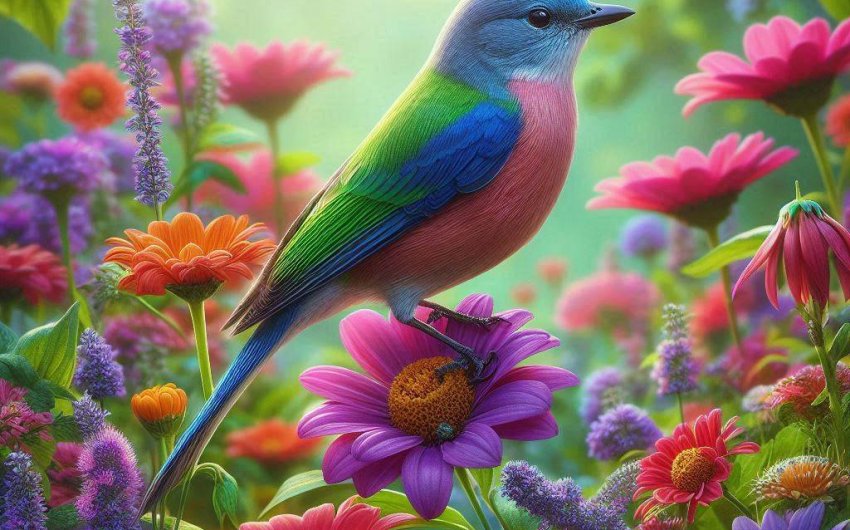
To create a bird-friendly backyard garden, focus on providing four essential elements: food, water, shelter, and nesting sites, along with safe habitat. By incorporating native plants, diverse structures, and chemical-free practices, you can attract a wide variety of birds and support local ecosystems.
Why Create a Bird-Friendly Backyard Garden?
Transforming your yard into a haven for birds offers numerous benefits, both for the birds themselves and for you as a gardener and nature enthusiast.
- Support Biodiversity: Birds play a vital role in local ecosystems. Providing habitat helps compensate for lost natural spaces, supporting bird populations that are increasingly under threat.
- Natural Pest Control: Many birds, like wrens and warblers, feed on insects such as aphids, caterpillars, and mosquitos, offering a natural and chemical-free way to manage garden pests.
- Pollination: Hummingbirds are important pollinators for many flowering plants, contributing to a healthier garden.
- Weed Control: Some bird species, like finches, feed on weed seeds, helping to keep unwanted plants in check.
- Seed Dispersal: Birds help spread seeds, aiding in plant propagation.
- Beauty and Enjoyment: Watching colorful birds flutter, sing, and interact in your garden brings immense joy, peace, and a connection to nature right at your doorstep.
- Educational Opportunity: A bird-friendly garden is a living classroom, especially for children, teaching them about wildlife and ecological balance.
- Reduced Lawn Maintenance: Often, creating bird-friendly spaces involves reducing lawn areas and planting more diverse vegetation, which can decrease mowing, fertilizing, and watering needs.
By deciding to create a bird-friendly backyard garden, you're making a positive impact on your local environment and enhancing your outdoor living space.
What Are the Four Essential Elements for a Bird-Friendly Garden?
For birds to truly thrive in your backyard, you need to provide all the basic necessities for survival. These four elements form the cornerstone of how to create a bird-friendly backyard garden.
1. Food
- Natural Sources are Best: Native plants are the most effective way to provide natural food sources. They offer fruits, seeds, and nectar, and they support insects (like caterpillars) which are crucial protein sources, especially for nesting birds and their young.
- Supplemental Feeders: Bird feeders can supplement natural food, especially during lean times (winter or migration). Offer a variety of seeds (black oil sunflower is a favorite), suet, and nectar (for hummingbirds).
2. Water
- Essential for All Birds: Birds need water for drinking and bathing year-round.
- Sources: Bird baths, misters, or small ponds provide vital hydration and allow birds to preen and clean their feathers, which is essential for insulation and flight.
3. Shelter
- Protection from Elements: Birds need places to hide from predators (cats, raptors) and shelter from harsh weather (rain, snow, intense sun).
- Variety of Cover: Dense shrubs, evergreen trees, brush piles, and even thick perennial beds offer different layers of protection.
4. Nesting Sites
- Safe Breeding Grounds: Birds need secure places to build nests, lay eggs, and raise their young.
- Options: Trees (especially evergreens), dense shrubs, snags (dead trees), and man-made birdhouses provide crucial nesting opportunities.
5. Safe Habitat (Bonus Essential)
While often implied, ensuring a safe environment is critical. This means minimizing threats like pesticides, outdoor cats, and window collisions. By focusing on these five elements, you lay a comprehensive foundation for how to create a bird-friendly backyard garden.
How Can Native Plants Support Birds in Your Garden?
Using native plants is arguably the single most important action you can take to create a bird-friendly backyard garden. They are the foundation of a healthy ecosystem.
- Caterpillar Host Plants: Native plants have co-evolved with native insects, including caterpillars. Caterpillars are a primary food source for most nesting songbirds and their young. Without native host plants, local bird populations cannot thrive. For example, oak trees support hundreds of species of caterpillars.
- Fruits and Berries: Many native shrubs and trees produce berries and fruits that are essential food sources for migrating and overwintering birds. Examples include dogwood, serviceberry, elderberry, viburnum, and hollies.
- Seeds: Native grasses and wildflowers produce seeds that are eaten by finches, sparrows, and other seed-eating birds. Coneflowers, sunflowers (native varieties), and various native grasses are good choices.
- Nectar: Native flowering plants attract hummingbirds (like cardinal flower, bee balm, columbine) and also attract insects that other birds feed on.
- Structural Diversity: Native plant communities naturally provide diverse layers of vegetation, from groundcover to understory shrubs to tall trees, offering a range of foraging, perching, and nesting opportunities.
- Adaptation: Native plants are adapted to your local climate and soil conditions, requiring less water, fertilizer, and pest control once established, making your garden more sustainable and safer for birds.
- Year-Round Interest: Choose a variety of native plants that offer food and shelter throughout the seasons.
When planning how to create a bird-friendly backyard garden, prioritize native species that offer multiple benefits to local birds throughout their life cycle.
What Are the Best Food Sources to Provide for Birds?
Providing diverse and natural food sources is a key component of how to create a bird-friendly backyard garden.
1. Native Plants (The Primary Source)
- Trees and Shrubs for Berries/Fruits:
- Serviceberry (Amelanchier): Early summer berries.
- Dogwood (Cornus species): Fall berries.
- Elderberry (Sambucus species): Summer berries.
- Viburnum (Viburnum species): Various berry colors and bloom times.
- Holly (Ilex species): Red berries persist into winter.
- Cedar/Juniper (Juniperus species): Blue berries.
- Plants for Seeds:
- Native Sunflowers (Helianthus species): Provide abundant seeds.
- Coneflowers (Echinacea species): Seed heads attract finches.
- Black-Eyed Susan (Rudbeckia hirta): Seeds for various birds.
- Native Grasses: Switchgrass, Little Bluestem, etc., offer seeds and shelter.
- Nectar Plants for Hummingbirds:
- Cardinal Flower (Lobelia cardinalis): Bright red, tubular flowers.
- Bee Balm (Monarda species): Red, pink, or purple flowers.
- Columbine (Aquilegia canadensis): Unique red and yellow flowers.
- Trumpet Honeysuckle (Lonicera sempervirens): Native vine with tubular flowers.
2. Supplemental Feeders
While native plants are crucial, feeders can offer additional sustenance, especially during cold winters or busy nesting periods.
- Black Oil Sunflower Seeds: A universal favorite for a wide variety of birds. Use a Tube Bird Feeder.
- Nyjer (Thistle) Seeds: Attracts finches (goldfinches, house finches). Use a special Nyjer Seed Feeder.
- Suet: High-energy fat source for woodpeckers, nuthatches, and wrens, especially vital in winter. Use a Suet Cage Feeder.
- Nectar Feeders: For hummingbirds. Fill with a solution of 1 part sugar to 4 parts water (no red dye needed). A Hummingbird Feeder is essential.
- Peanuts: Shelled or unshelled, attract jays, woodpeckers, and nuthatches. Use a Peanut Feeder.
- Millet/Mixed Seeds: Can attract ground-feeding birds. Be aware that some cheaper mixes contain a lot of filler seeds that birds don't eat.
- Live Mealworms: Especially popular with bluebirds and wrens, providing high protein during nesting season.
Feeder Best Practices:
- Keep Clean: Regularly clean feeders (at least every two weeks, more often in warm weather) to prevent mold and disease. Use a weak bleach solution (1 part bleach to 9 parts water), rinse thoroughly, and air dry.
- Placement: Place feeders near protective cover (shrubs, trees) but far enough away from dense cover (10-15 feet) to give birds escape routes from predators like cats.
- Consider Squirrels/Rats: Use squirrel-resistant feeders or baffles. Store seed in rodent-proof containers.
- Stop Feeding If Illness is Present: If you see sick birds, remove all feeders, clean them thoroughly, and wait a week or two before putting them back out.
By integrating both natural and supplemental food sources, you create a rich dining experience that helps create a bird-friendly backyard garden.
What Water Sources Attract Birds to Your Yard?
Providing fresh, clean water is just as important as food when you create a bird-friendly backyard garden. Birds need water for drinking and preening.
1. Bird Baths
- Material: Concrete, ceramic, plastic, or metal. Rougher surfaces are often preferred by birds for grip.
- Depth: Keep it shallow! Most birds prefer water only 1-2 inches deep at the edges, gradually sloping to 2-3 inches in the center. Place stones or gravel in deeper baths to provide perching spots.
- Placement: Place within 10-15 feet of protective cover (shrubs, trees) so birds have a quick escape route from predators. Also, ensure it's in a spot where you can easily clean it.
- Cleaning: This is crucial. Clean daily or every other day, especially in warm weather, to prevent algae buildup and mosquito breeding. Use a stiff brush and rinse thoroughly. Avoid soap or chemicals.
- Water Movement: Birds are attracted to the sound and sparkle of moving water. Consider adding a small dripper, mister (Bird Bath Mister), bubbler, or solar-powered fountain (Solar Bird Bath Fountain) to your bird bath.
- Winter Water: In freezing climates, use a Heated Bird Bath to provide a vital water source when natural options are frozen.
2. Misters and Drippers
- Description: Devices that slowly drip or mist water onto leaves or a shallow basin.
- Attraction: Hummingbirds love flying through fine mists, and other small birds enjoy bathing in the droplets on leaves.
- Installation: Can be attached to a garden hose or drip irrigation system.
3. Small Ponds or Water Features
- Benefits: A more naturalistic water source. Can attract a wider variety of wildlife, including amphibians.
- Considerations: Ensure edges are shallow and gently sloped to allow birds and other creatures easy access and escape. Avoid steep sides. If you have fish, ensure they are compatible with local wildlife.
By offering clean, accessible water sources, you make your efforts to create a bird-friendly backyard garden much more appealing to feathered visitors.
What Types of Shelter and Nesting Sites Are Best for Birds?
Birds need places to hide, roost, and raise their young. Providing diverse shelter and nesting opportunities is fundamental to creating a bird-friendly backyard garden.
1. Dense Shrubs and Evergreens
- Purpose: Provide immediate cover from predators (like hawks or outdoor cats) and harsh weather (wind, snow, rain). They also offer safe perching and foraging spots.
- Best Choices: Native evergreens (like junipers, cedars, or smaller pines), dense deciduous shrubs (like viburnums, dogwoods, or native hollies). Plant them in groups or clusters for maximum cover.
- Year-Round Shelter: Evergreens are particularly valuable in winter.
2. Trees
- Purpose: Provide vertical layers of shelter, perching spots, and nesting sites. Mature trees offer canopy cover.
- Types:
- Evergreen Trees: Pines, spruces, firs provide year-round dense cover for roosting and nesting.
- Deciduous Trees: Oaks, maples, birches offer nesting branches and attract insects for food.
- Snags (Dead Trees or Limbs): If safe, leave a standing dead tree or large dead branch (snag). These are invaluable for cavity-nesting birds (woodpeckers, chickadees, wrens), insects (food source), and perching spots.
3. Brush Piles
- Purpose: Provide excellent ground-level shelter for small birds (wrens, sparrows, towhees) and other wildlife. They offer safe foraging areas and escape routes from predators.
- How to Create: Stack pruned branches, logs, and other woody debris in an out-of-the-way corner of your yard. A Brush Chipper/Shredder can help manage larger branches.
- Benefits: Biodegradable, provides habitat, and uses yard waste.
4. Ground Cover and Perennial Beds
- Purpose: Offer low-level cover for ground-foraging birds and can serve as nesting sites for some species.
- Types: Dense native ground covers, low-growing shrubs, and thick perennial beds provide hidden spots. Leave some leaf litter for insects.
5. Birdhouses and Nesting Boxes
- Purpose: Provide artificial nesting cavities for cavity-nesting birds.
- Types: Select birdhouses designed for specific local species (e.g., bluebirds, wrens, chickadees). Ensure proper hole size and ventilation. A Bluebird House can be a great addition.
- Placement: Place birdhouses away from high traffic areas, predators, and intense direct sun. Face the entrance hole away from prevailing winds.
- Maintenance: Clean birdhouses annually in late fall or early spring to remove old nests and parasites.
- Nesting Materials: Offer natural nesting materials like cotton, small twigs, or natural fibers in a mesh bag for birds to collect. A Nesting Material Dispenser can make this easy.
By layering different types of vegetation and providing diverse structures, you ensure a range of options for birds when you create a bird-friendly backyard garden.
How Can You Ensure a Safe Habitat for Backyard Birds?
Creating a safe environment is just as crucial as providing resources when you create a bird-friendly backyard garden. Minimizing threats ensures birds can truly thrive.
1. Eliminate Pesticides and Herbicides
- Direct Harm: Chemical pesticides can directly poison birds that ingest contaminated insects or plants.
- Indirect Harm: Herbicides kill plants that birds rely on for food (seeds, berries) and shelter. Insecticides reduce the insect populations that birds (especially young birds) depend on for protein.
- Natural Alternatives: Embrace organic gardening practices. Use companion planting, hand-picking pests, introducing beneficial insects (Beneficial Insect Releases), and biological controls (like Bt for caterpillars).
- Weed Control: Rely on mulching, hand-weeding, and good cultural practices for your lawn.
2. Control Outdoor Cats
- Major Threat: Domestic cats are a leading cause of bird mortality, killing billions of birds annually in North America alone.
- Solutions:
- Keep Cats Indoors: The safest option for birds and for the cats themselves.
- Catios: Build enclosed outdoor spaces (catios) for cats.
- Bells (Limited Effectiveness): Bells on collars are not very effective as birds do not associate them with danger.
- Deterrents: Use motion-activated sprinklers or strategically placed thorny shrubs to deter cats from prime bird areas.
3. Prevent Window Collisions
- Common Problem: Birds often collide with windows, especially reflective ones, mistaking reflections for open sky or habitat.
- Solutions:
- Window Stickers/Decals: Apply closely spaced (2-4 inches apart) decals or window tape designed to be visible to birds. Bird Window Decals are good.
- Screens: Install exterior window screens, which break up reflections.
- Tapestries/Curtains: Keep interior blinds or curtains closed.
- String/Cords: Hang external strings or cords (e.g., paracord) in front of the window, spaced a few inches apart.
- Netting: Install fine netting outside the window.
- Move Feeders: Place feeders either very close (within 3 feet) to the window (so a bird escaping hits the window with less force) or far away (more than 30 feet).
4. Provide Undisturbed Areas
- Leave Leaf Litter: Allow leaf litter to accumulate in some garden beds. It provides habitat for insects (bird food) and worms, and protects soil.
- Avoid Excessive Tidiness: Resist the urge to "clean up" every dead stem and spent seed head. These provide food and shelter throughout winter.
By being mindful of these potential threats, you significantly enhance the safety and effectiveness of your efforts to create a bird-friendly backyard garden.
How Can You Get Started with Your Bird-Friendly Garden?
Starting your bird-friendly garden doesn't require a complete overhaul. Begin with small, manageable steps and gradually build up your oasis.
1. Assess Your Current Yard
- Sunlight: Where do you get the most sun? Least sun?
- Existing Plants: What native plants do you already have? What non-native invasives need to be removed?
- Problem Areas: Are there areas of high foot traffic? Where do outdoor cats frequent?
- Water Sources: Do you have any natural puddles, or will you need to add a bird bath?
2. Start Small and Strategically
- One New Plant: Choose just one native plant (a berry-producing shrub or a nectar flower) and plant it.
- Install a Bird Bath: This is an easy and effective first step. A simple Pedestal Bird Bath works well.
- Set Up a Feeder: Begin with a simple black oil sunflower seed feeder.
3. Remove Invasive Plants
- Identify: Research common invasive plants in your region and carefully remove them. These often outcompete native plants and offer little value to local wildlife.
- Replace: Replace invasives with beneficial native alternatives.
4. Reduce Lawn Area
- Gradual Approach: Consider converting a small section of your lawn into a native plant bed. Over time, you can expand these areas.
- Benefits: Reduces mowing, watering, and fertilizing, while increasing habitat.
5. Research Local Native Plants
- Local Resources: Consult your local native plant society, botanical garden, university extension office, or Audubon chapter. They can provide lists of plants best suited for your specific ecoregion and soil type.
- Nurseries: Seek out nurseries that specialize in native plants.
6. Observe and Adapt
- Watch Your Garden: Pay attention to which birds visit and what resources they use. Do you see them eating berries, drinking from the bath, or looking for insects?
- Adjust: Based on your observations, you can fine-tune your garden. Add more of what works, and try different things where you see gaps.
By taking a thoughtful, phased approach, you can successfully create a bird-friendly backyard garden that grows and evolves with your increasing knowledge and passion.
FAQs About Creating a Bird-Friendly Backyard Garden
Here are answers to common questions about creating a bird-friendly backyard garden.
Do I need a big yard to attract birds?
No, you absolutely do not need a big yard to attract birds. Even a small balcony or patio can become bird-friendly.
- Containers: Use pots with native plants (like bee balm or coneflowers).
- Vertical Gardens: Maximize space with hanging planters or tiered systems.
- Bird Bath: A small tabletop bird bath can make a difference.
- Feeder: A window feeder or a small hanging feeder can attract birds. Even a few key elements can make your small space a valuable stopover for birds.
Will attracting birds ruin my vegetable garden?
While birds do eat seeds and some fruits, many species attracted to a bird-friendly garden (especially insectivores like wrens, chickadees, and warblers) can actually help protect your vegetable garden by feeding on pest insects like aphids, caterpillars, and slugs.
- Balance: A diverse garden provides ample natural food, reducing the likelihood of birds focusing solely on your vegetables.
- Protection: For specific crops, use physical barriers like netting to protect ripening fruits or newly sprouted seeds from bird predation.
- Diversity is Key: A garden focused on native plants that offer seeds, berries, and insect habitat will often divert birds from your vegetable patch.
How can I stop cats from harming birds in my yard?
Controlling outdoor cats is paramount for bird safety.
- Keep Cats Indoors: This is the most effective solution for cats and birds.
- Catios: Build or buy an enclosed outdoor space for your cat.
- Deterrents: Use motion-activated sprinklers or place thorny branches around bird feeders and bird baths to deter cats.
- Feeder Placement: Place feeders high up in trees or on poles with baffles, away from easy jumping spots for cats.
- Shelter: Ensure there is dense, thorny cover nearby where birds can quickly escape if a cat approaches.
Are all bird feeders equally good?
No, not all bird feeders are equally good.
- Hygiene: Choose feeders that are easy to clean to prevent the spread of disease.
- Seed Type: Different feeders are designed for different seeds (e.g., tube feeders for sunflower, mesh feeders for nyjer, suet cages).
- Material: Durable materials like metal or recycled plastic often last longer.
- Squirrel/Pest Resistance: Consider feeders with baffles or weight-activated perches to deter squirrels and other unwanted visitors.
- Avoid Cheap Mixes: Many inexpensive birdseed mixes contain fillers like red milo that most desirable birds won't eat, leading to waste and attracting undesirable species. Invest in high-quality seeds like black oil sunflower.
What if I don't have native plants available at my local nursery?
This can be a common challenge.
- Specialty Nurseries: Look for nurseries that specifically advertise as "native plant nurseries" or "wildlife garden suppliers" in your region.
- Online Nurseries: Many reputable online nurseries specialize in native plants and ship directly to you.
- Local Plant Sales: Check with your local Audubon chapter, native plant society, or botanical garden for annual plant sales; they often sell locally sourced natives.
- Ask for Availability: Request native plants at your local garden center. If enough customers ask, they may begin stocking them.
- Start from Seed: Many native plants can be grown from seed, which is a cost-effective method, though it requires more patience.
The effort to create a bird-friendly backyard garden is an ongoing, rewarding journey. By consistently providing food, water, shelter, nesting sites, and a safe habitat, you'll witness your garden transform into a vibrant, dynamic ecosystem, filled with the beauty and song of feathered friends.