
Black Garden Ant: Understanding the Common Insect in Your Yard
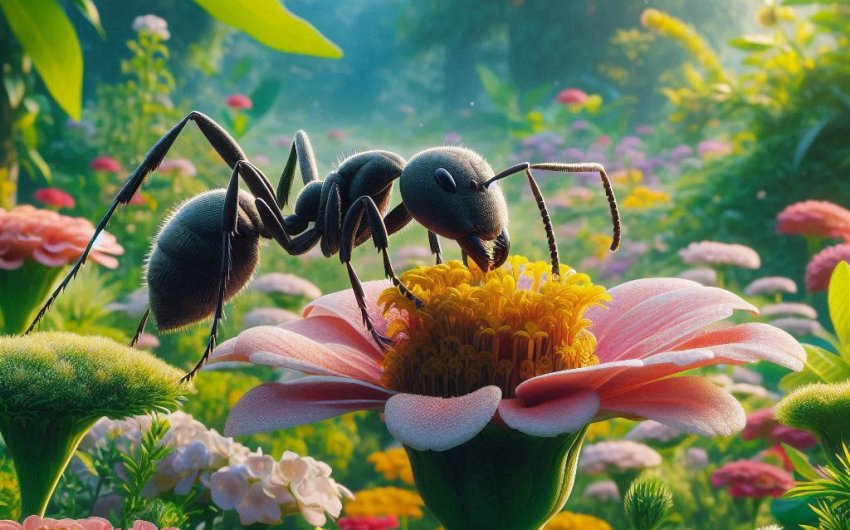
The black garden ant (Lasius niger), also known as the common black ant, is one of the most familiar species of ants found in gardens across Europe, Asia, and parts of North America. Although small in size, their presence can be felt in yards, parks, and homes. Understanding their behavior, habitat, and role in the ecosystem is crucial for gardeners and homeowners who encounter these tiny creatures.
In this article, we’ll dive deep into the fascinating world of the black garden ant, exploring everything from their lifecycle to control methods and the surprising ways they impact the environment around us.
What Is a Black Garden Ant?
The black garden ant is a small insect that measures around 3-5mm in length. The worker ants, which are the ones most commonly seen foraging for food, are entirely black, while the queen ant, which is responsible for reproduction, is slightly larger and often has a dark brown hue.
These ants live in highly structured colonies, where each member has a specific role to play, from gathering food to caring for the young. They are known for their hard work and their ability to live in colonies numbering in the thousands.
Common Characteristics
- Color: As their name suggests, the black garden ant is predominantly black, though their color may vary slightly.
- Size: Worker ants typically range from 3 to 5 mm, while queens can reach up to 15 mm in length.
- Lifespan: Worker ants live for several months, while queens can live up to 15 years, making them one of the longest-living insects.
- Habitat: These ants thrive in gardens, lawns, and areas with abundant vegetation.
Explore the world of garden tools to maintain a healthy environment and manage black garden ants.
The Life Cycle of the Black Garden Ant
Understanding the black garden ant’s life cycle is crucial for controlling their population in your garden. Like many other ants, their life cycle involves four main stages: egg, larva, pupa, and adult.
1. Eggs
The queen ant is the only member of the colony that can lay eggs. During her lifespan, she can produce millions of eggs. These eggs are small, white, and typically hatch within a few weeks, depending on environmental conditions such as temperature and humidity.
Get the best pest control products to manage ant colonies in your garden.
2. Larvae
Once the eggs hatch, they turn into larvae, which are small, legless, and worm-like in appearance. The worker ants feed and care for the larvae by regurgitating food for them. During this stage, larvae grow quickly and molt several times before becoming pupae.
3. Pupae
The pupa stage is a transitional phase where the larvae develop into adult ants. During this stage, they are encased in a silky cocoon, which protects them until they emerge as fully developed adult ants. This process can take anywhere from a few weeks to a couple of months, depending on environmental factors.
4. Adult Ants
After the pupa stage, fully developed adult ants emerge. These adult ants are divided into different castes, including worker ants, male ants (which exist solely for reproduction), and the queen. The worker ants take on the majority of the colony's tasks, such as foraging, nest maintenance, and caring for the queen’s offspring.
Discover ant baits to effectively target black garden ant colonies.
The Role of the Queen in the Colony
The queen ant is central to the life of the colony. Her primary role is to lay eggs, ensuring the colony’s survival and growth. She is larger than the worker ants and can live for over a decade, far outliving her colony members.
During mating season, winged males and virgin queens emerge from the nest for a mating flight. After mating, the males die, and the fertilized queens land, shed their wings, and seek a new nesting site to start a colony.
The queen’s ability to store sperm from the mating flight allows her to fertilize eggs throughout her lifetime. This is why a single queen can sustain a colony for many years.
Check out the best insect observation kits to study ants and their queens up close.
The Importance of Black Garden Ants in Ecosystems
While black garden ants may be seen as pests, they play a critical role in various ecosystems. Their activities in soil aeration, seed dispersion, and predator-prey interactions benefit both the environment and other species.
1. Soil Aeration
By digging complex tunnel systems, black garden ants naturally aerate the soil, allowing oxygen and nutrients to reach plant roots more effectively. This behavior enhances soil quality and promotes healthy plant growth.
2. Seed Dispersion
Black ants are involved in myrmecochory, a process where ants help disperse seeds. Some plants produce seeds with special food bodies called elaiosomes, which attract ants. The ants carry these seeds back to their nests, helping plants spread to new locations.
3. Prey and Predator Interactions
In gardens, black ants help control pest populations by preying on small insects and larvae. They are known to attack soft-bodied pests such as aphids and caterpillars, reducing the need for chemical pesticides. Additionally, ants are preyed upon by various animals such as birds and amphibians, making them a critical part of the food chain.
Explore bird feeders to attract natural ant predators to your garden.
Relationship Between Black Garden Ants and Aphids
One of the most interesting relationships in the world of ants is the mutualistic relationship between black garden ants and aphids. While aphids are often seen as harmful pests that damage plants, they are valuable to black ants, who ‘farm’ them.
Aphid Farming
Black ants protect aphids from predators such as ladybugs in exchange for a sweet substance known as honeydew, which the aphids secrete. The ants herd and care for the aphids, ensuring they produce plenty of honeydew for the colony. This symbiotic relationship can sometimes cause issues for gardeners, as aphids can damage plants by sucking the sap.
Find effective aphid control products to keep both aphids and ants at bay.
Nesting Habits of the Black Garden Ant
The nesting habits of black garden ants are fascinating and can vary based on their environment. Typically, black ants prefer to nest in the ground, often building nests in sandy soil, lawns, and under paving stones. The ants dig intricate tunnel systems, which can extend deep underground and house thousands of ants.
Garden Nests
In gardens, black ants tend to build nests near flower beds, lawns, and sometimes inside plant pots. These nests can cause damage to plants, as the ants disturb the soil around the roots. Gardeners often notice small piles of fine dirt near the entrances of ant nests, indicating the presence of a colony.
Indoor Nests
Though black garden ants prefer to nest outdoors, they sometimes make their way indoors, especially during extreme weather conditions. When searching for food or shelter, they may build small nests inside wall cavities, under floorboards, or in cracks and crevices.
Consider using these indoor ant traps to prevent infestations inside your home.
How to Control Black Garden Ants in Your Garden
While black garden ants are beneficial to the environment, they can become a nuisance when their numbers get out of control, particularly when they invade homes or garden plants. Several strategies can help control black garden ants without harming the ecosystem.
1. Physical Barriers
One of the most effective ways to control black ants is by creating physical barriers around plants and garden beds. By placing copper tape or sticky barriers around plant stems, you can prevent ants from accessing your plants and reduce the risk of aphid farming.
Check out copper garden tape for an eco-friendly ant barrier.
2. Natural Repellents
Using natural ant repellents is another option for gardeners who want to control ant populations without using chemicals. Ingredients like vinegar, citrus oil, and diatomaceous earth are known to repel ants. Spraying a mixture of vinegar and water around ant nests or placing diatomaceous earth near entry points can help keep ants at bay.
Discover natural ant repellents for eco-friendly pest management.
3. Ant Baits and Traps
For more serious infestations, ant baits and traps are an effective solution. Baits work by attracting ants to take poison back to the colony, where it is shared with the queen and the rest of the colony members. Over time, this leads to the elimination of the nest.
Ant traps are another method for containing black ants, especially indoors. These traps lure ants in, where they become trapped and die.
Try these effective ant baits for quick colony control.
Preventing Black Garden Ant Infestations
Preventing black ant infestations begins with good garden hygiene and home maintenance. Here are some steps you can take to reduce the risk of an infestation:
- Seal cracks and crevices: Ensure that all cracks in your home’s foundation, windows, and doors are sealed to prevent ants from entering.
- Keep food covered: Ants are attracted to food, so make sure any spills or crumbs are cleaned up promptly.
- Manage waste: Dispose of food waste properly and use sealed trash cans to keep ants from foraging in your garbage.
- Remove decaying vegetation: Clear away any dead plants or organic material that may attract ants to your yard.
Get essential home sealing kits to protect your home from pests.