
Yellow Garden Spider: Nature’s Web Weaving Wonder
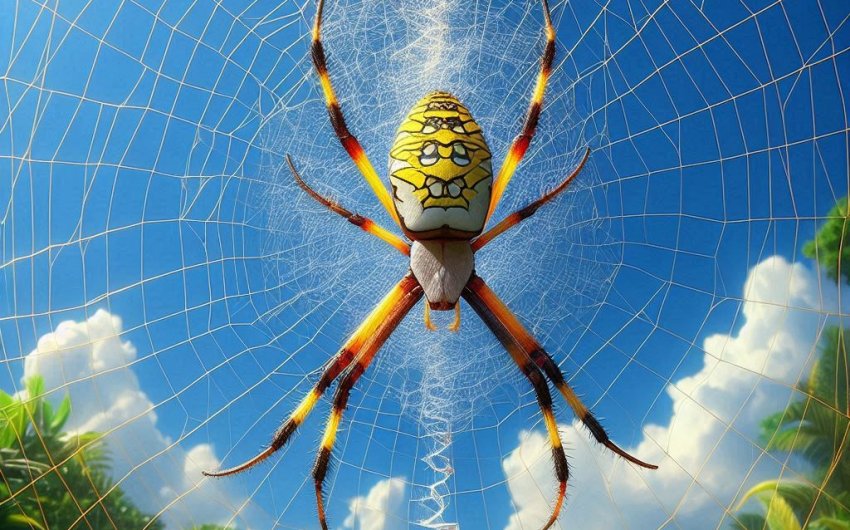
The yellow garden spider (Argiope aurantia), also known as the black and yellow garden spider or the writing spider, is a common yet fascinating creature often found in gardens and meadows. This spider is widely admired for its striking appearance, impressive web design, and ecological benefits. Whether you're an arachnid enthusiast or simply curious about the creatures living in your backyard, learning about the yellow garden spider can deepen your appreciation for these essential predators. Let’s dive into the life, behavior, and characteristics of this remarkable spider.
Physical Characteristics of the Yellow Garden Spider
One of the most recognizable features of the yellow garden spider is its vivid yellow and black body, which allows it to stand out among the foliage in gardens. The spider has a distinct pattern on its abdomen, with black and yellow markings that vary from individual to individual, making each one unique. The cephalothorax, or the front part of the body, is covered in a silvery-white layer of hairs.
Size Differences Between Male and Female Spiders
There is a significant sexual dimorphism in yellow garden spiders. Female yellow garden spiders are much larger than their male counterparts. A fully grown female spider can reach a body length of around 19 to 28 millimeters, while the males are smaller, measuring about 5 to 9 millimeters. The females’ larger size allows them to weave larger, more intricate webs, which are crucial for catching prey.
Check out high-quality measuring tools to observe spider sizes accurately.
Leg Structure and Movement
The yellow garden spider has eight legs, typical of all arachnids. These long, spindly legs are covered in small hairs called setae, which help the spider detect vibrations on its web, signaling the presence of prey. The legs of the yellow garden spider are typically black with reddish or orange coloring near the joints. The spider uses its legs skillfully to move swiftly across its web or to subdue captured prey.
Explore various magnifying lenses for a closer look at spider anatomy.
Advertisement
The Intricate Webs of Yellow Garden Spiders
Perhaps the most remarkable feature of the yellow garden spider is its orb-shaped web. This species is known for spinning large, symmetrical webs that can span over two feet in diameter. These webs serve not only as a hunting tool but also as a shelter for the spider.
The Signature Web Design: Stabilimenta
One of the distinguishing characteristics of the yellow garden spider’s web is the presence of a zigzag pattern called the stabilimentum. The stabilimentum is a thickened band of silk that runs vertically through the center of the web. Scientists believe that the stabilimentum may serve several purposes:
- It could act as a visual marker to prevent birds and other animals from accidentally destroying the web.
- It might help to attract prey by reflecting UV light, which certain insects can see.
- The pattern may also make the spider appear larger to potential predators, deterring them from attacking.
The function of the stabilimentum is still a subject of research, but it undoubtedly contributes to the web's aesthetic and functional complexity.
Enhance your outdoor experience with the right binoculars to observe spider webs up close.
Silk Production and Web Maintenance
Yellow garden spiders produce silk from specialized glands located in their spinnerets, which are found at the rear of the abdomen. The silk is incredibly strong and flexible, making it perfect for catching flying insects like flies, moths, and grasshoppers. The spider regularly maintains its web, repairing any damaged sections and removing old, worn-out silk.
Learn more about silk-producing creatures to understand their ecological role.
Diet and Hunting Techniques
As carnivorous predators, yellow garden spiders play a vital role in controlling insect populations. Their diet mainly consists of small to medium-sized flying insects, which they trap in their sticky webs. The spider's method of capturing and consuming prey is both efficient and fascinating.
How the Yellow Garden Spider Catches Prey
Once an insect becomes ensnared in the yellow garden spider’s web, the spider quickly rushes toward it, using its sensitive legs to detect the vibrations caused by the struggling prey. The spider then wraps the insect in silk to immobilize it. After securing the prey, the spider delivers a venomous bite. The venom not only paralyzes the insect but also begins the digestive process by liquefying its insides.
The yellow garden spider is not harmful to humans; its venom is specifically designed to subdue its prey and poses little threat to people. In fact, these spiders are beneficial as they help control pest populations in gardens.
Use insect repellents to manage bugs without harming beneficial spiders.
Feeding and Digestion
Once the prey is paralyzed and wrapped, the spider injects digestive enzymes that break down the insect's internal tissues into a liquid form. The spider then consumes the liquefied tissue, leaving behind an empty exoskeleton. This feeding process is energy-efficient, allowing the yellow garden spider to go days without a meal if necessary.
Browse effective gardening tools to maintain a healthy, spider-friendly garden environment.
Habitat and Distribution
The yellow garden spider is widely distributed across North America, ranging from southern Canada to Mexico. They thrive in gardens, fields, and meadows—anywhere there is enough space to construct their large webs. Their preference for areas with vegetation and flowers makes them common visitors to home gardens, where they help reduce the number of harmful insects.
Urban and Rural Habitats
While yellow garden spiders are commonly associated with rural areas, they can also be found in urban environments, particularly in flower beds and parks. Their ability to adapt to human-modified landscapes has allowed them to thrive in various habitats, as long as there is an abundant insect population.
Consider planting a flower garden to attract helpful garden spiders like the yellow garden spider.
Seasonal Behavior
The activity of yellow garden spiders peaks in late summer and early fall, as they reach maturity during this time. In colder regions, the spiders lay their egg sacs before the onset of winter. These sacs are often attached to nearby plants or other surfaces, providing protection for the developing spiderlings during the winter months. Once spring arrives, the spiderlings hatch and disperse to establish their own webs.
Use outdoor thermometers to monitor seasonal changes that affect spider behavior.
Reproduction and Life Cycle
The yellow garden spider’s life cycle follows a distinct seasonal pattern, with mating typically occurring in late summer. Understanding the reproductive behavior and life cycle of these spiders can give you a deeper appreciation for their role in the ecosystem.
Mating Rituals and Courtship
Mating in yellow garden spiders can be a risky endeavor for males. After spinning their web and reaching maturity, female spiders release pheromones to attract males. However, mating is dangerous for the male spider, as the female may sometimes cannibalize him after mating. To avoid this, the male carefully approaches the female, often vibrating her web to signal his presence and intentions.
Once mating is successful, the female will lay egg sacs, which can contain hundreds of spiderlings. These egg sacs are placed in a secure location, often hidden among dense vegetation or attached to stable surfaces.
Explore books on spider behavior to learn more about the mating habits of spiders.
Egg Sacs and Spiderling Development
The egg sac of a yellow garden spider is typically about the size of a marble and has a papery, tan appearance. It is made from silk and offers protection from predators and environmental factors. The eggs remain inside the sac over the winter months, and the spiderlings hatch in the spring. Once they emerge, the spiderlings may stay near their mother’s web for a short time before dispersing via ballooning—a process where they release silk threads to catch the wind and carry them to new locations.
Check out natural silk products to appreciate the strength and versatility of silk in nature.
Predators and Defense Mechanisms
Despite their size and intimidating appearance, yellow garden spiders face several natural predators. Birds, lizards, and even larger spiders are known to prey on them. However, the yellow garden spider has developed several defense mechanisms to protect itself from becoming a meal.
Camouflage and Web Placement
The striking yellow and black coloring of the yellow garden spider might seem conspicuous, but it actually serves as a form of camouflage. When the spider sits in the center of its web, it blends into the surrounding flowers and foliage, making it less visible to predators. Additionally, the spider often positions its web in areas with dense vegetation, further hiding it from potential threats.
Shop for durable gardening plants that can provide natural cover for beneficial insects.
Venom and Self-defense
Although yellow garden spiders possess venom, it is primarily used to subdue their prey and is not considered dangerous to humans. However, the venom can serve as a deterrent to smaller predators that might otherwise target the spider. When threatened, the yellow garden spider may also shake its web violently to appear larger and more intimidating.
Find nature guides to identify different spider species and their defense mechanisms.
Yellow Garden Spider Myths and Cultural Significance
Like many spiders, the yellow garden spider has been the subject of myths and folklore. In some cultures, these spiders are seen as symbols of creativity and patience due to their web-weaving skills. Other stories label them as omen bringers, often tied to their habit of placing their webs near human dwellings.
In reality, yellow garden spiders are harmless and beneficial. They play an essential role in controlling insect populations, and their intricate webs are marvels of natural engineering. Many gardeners welcome their presence, knowing that these spiders help reduce the number of harmful pests in their gardens.
Browse a collection of mythology books to explore more about the cultural significance of spiders.
By integrating these key details into your understanding of the yellow garden spider, you can appreciate the role they play in both natural ecosystems and human spaces. Their striking appearance, efficient hunting techniques, and unique webs make them one of the most fascinating species in the garden.