
What Causes Black Spot Disease on Roses and How Can I Manage It?
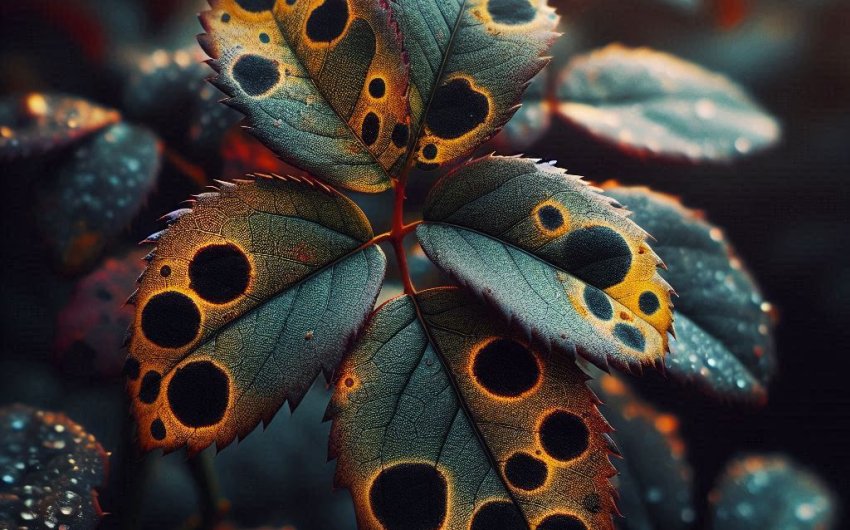
Roses are truly the queens of the garden, cherished for their beautiful blooms and often lovely fragrance. But even royalty can have its troubles. One of the most common and frustrating problems for rose growers is Black Spot disease. This fungal disease can quickly turn lush, green rose bushes into unsightly, defoliated plants. Understanding what causes Black Spot and how to fight it is key to keeping your roses healthy and blooming profusely.
What is Black Spot Disease and How Does It Spread?
Black Spot disease is a very common fungal disease that specifically attacks roses. It's caused by the fungus Diplocarpon rosae. It can be highly destructive, weakening rose bushes and reducing their ability to produce blooms.
How Do You Identify Black Spot Symptoms on Roses?
Identifying Black Spot is usually quite straightforward once you know what to look for. The symptoms are very distinctive.
- Circular Black Spots: The most obvious symptom is the appearance of small, circular black spots on the upper surface of the leaves. These spots can start as tiny dots, about (1/16) to (1/2) inch in diameter, and grow larger. They often have a fringed or feathery margin.
- Yellow Halo: Around each black spot, there's usually a bright yellow ring or halo. This yellowing often spreads until the entire leaf turns yellow.
- Leaf Drop (Defoliation): Infected leaves will eventually turn completely yellow and then fall off the plant. This defoliation usually starts from the bottom of the plant and moves upwards. Severe Black Spot can cause almost complete defoliation of a rose bush, leaving bare stems.
- Spots on Stems: Less commonly, you might see raised, reddish-purple spots on young stems or canes.
- Weakened Plant: A severely infected rose bush will be weakened. It will produce fewer and smaller blooms, and its overall growth will be stunted. Repeated severe infections year after year can even kill a rose bush by exhausting its energy reserves.
Where to look: Start checking your roses for Black Spot symptoms from early spring, especially after wet periods. The lower leaves are often affected first because they get less air circulation and stay wet longer.
How Does the Black Spot Fungus Spread?
Understanding how the Black Spot fungus spreads is crucial for controlling it. It's primarily spread by water.
- Overwintering: The Black Spot fungus survives the winter as tiny spores (like seeds of a plant) on infected rose canes (stems) and, most importantly, on fallen infected leaves left around the base of the plant.
- Spring Activation: In spring, when temperatures are mild (between 65-75°F or 18-24°C) and there's moisture, these overwintered spores become active.
- Water Splash: When it rains or you overhead water, water splashes onto the infected leaves or stems. This splashing water carries the microscopic fungus spores up onto healthy new rose leaves.
- Infection: For an infection to occur, the spores need to be wet for a certain period, usually 6-7 hours. Once the leaf has been wet long enough, the spores germinate and penetrate the leaf tissue.
- Spot Development: After about 5-10 days, the characteristic black spots appear.
- New Spores: Each new black spot then produces millions of new spores that can be splashed onto other leaves on the same plant or neighboring rose bushes, continuing the cycle.
- Wind and Tools: While water is the main spreader, wind can carry dry spores short distances, and garden tools that have touched infected plants can also spread the disease if not cleaned.
This cycle explains why Black Spot is so common in humid or rainy climates, and why it gets worse as the season progresses if not managed.
Why is Wet Foliage a Major Factor in Black Spot Development?
The critical factor for Black Spot fungus to infect a rose leaf is wet foliage. It's the most important piece of the puzzle.
- Spore Germination: The microscopic spores of the Diplocarpon rosae fungus cannot germinate (sprout and begin to grow) on a dry leaf surface. They need a continuous film of water to activate and penetrate the leaf.
- Duration of Wetness: The longer the leaves stay wet, the higher the chance of infection. Studies show that rose leaves need to be wet for at least 6-7 hours, sometimes up to 9 hours, for successful infection to occur, depending on the temperature.
- Optimal Conditions: Mild temperatures (around 65-75°F or 18-24°C) combined with prolonged leaf wetness create the perfect breeding ground for Black Spot. This is why the disease is often worse in spring and fall, or during periods of frequent rain.
This knowledge is crucial for management. Anything you can do to reduce the time rose leaves stay wet will significantly help prevent or control Black Spot. This means thinking about your watering methods, plant spacing, and air circulation.
How Can You Prevent Black Spot Disease?
Prevention is always easier than trying to cure a severe Black Spot problem. By taking some proactive steps, you can greatly reduce the chances of your roses getting sick.
How Do You Choose Disease-Resistant Rose Varieties?
The easiest and most effective way to prevent Black Spot is to choose rose varieties that are naturally resistant to the disease. Plant breeders have worked hard to develop roses that are less likely to get Black Spot, or that can tolerate it without severe defoliation.
- Look for Labels: When buying roses, look for labels that specifically state "disease resistant" or "black spot resistant." Many modern rose varieties are bred for this trait.
- Research: Before you buy, do a quick online search for "black spot resistant roses" plus your local climate zone. Some varieties are more resistant in certain regions than others.
- Know Your Types:
- Old Garden Roses: Many older varieties, particularly some hybrid perpetuals or bourbons, are very susceptible.
- Modern Shrub Roses: Many newer shrub roses, especially those from breeders like Knock Out or Easy Does It series, are specifically bred for excellent disease resistance. These are often a great choice for low-maintenance beauty. A popular disease resistant shrub rose can save you a lot of trouble.
- Hybrid Teas/Grandifloras: Some of the most popular cutting roses can be quite susceptible to Black Spot and often require more diligent care and preventative sprays. However, newer resistant cultivars are available.
- No Rose is 100% Immune: Even "disease resistant" roses can get Black Spot under severe pressure (e.g., prolonged wet, humid conditions combined with high disease pressure in the area). But they will get it less often and be less severely affected.
Choosing the right rose from the start can save you a lot of work later on.
Why is Proper Plant Spacing and Air Circulation Important?
Crowded rose bushes or those planted in areas with poor airflow create the perfect breeding ground for Black Spot.
- Air Circulation: When roses are spaced too closely, air cannot move freely between the branches and leaves. This traps moisture on the leaf surfaces, extending the crucial "wet period" that Black Spot fungus needs to infect.
- Faster Drying: Good air circulation helps leaves dry quickly after rain, dew, or watering, reducing the time that spores can germinate.
- Reduced Humidity: Better airflow can also help reduce overall humidity levels immediately around the plant.
How to ensure proper spacing and air circulation:
- Follow Spacing Guidelines: When planting new roses, always follow the recommended spacing for that specific rose variety. Read the plant tag or description.
- Pruning: Regularly prune your rose bushes to open up the center and remove any inward-growing or crossing branches. This improves air circulation throughout the plant. Remove any dead or diseased canes. Use sharp, clean rose pruning shears.
- Don't Crowd Other Plants: Avoid planting other large shrubs or tall perennials too close to your roses, as they can block airflow.
Good air circulation is a fundamental step in preventing Black Spot and many other fungal diseases.
How Does Smart Watering Prevent Black Spot?
Since Black Spot needs wet leaves to infect, your watering practices play a huge role in its prevention.
- Water at the Base: Always water your roses at the base of the plant, directly on the soil, not over the foliage. This keeps the leaves as dry as possible.
- Avoid Overhead Sprinklers: If you use an automatic sprinkler system, adjust the nozzles so they don't spray the rose leaves.
- Water in the Morning: If you must water overhead, do it in the early morning. This gives the leaves plenty of time to dry completely before evening. Watering in the evening means leaves stay wet all night, creating ideal conditions for fungal growth.
- Deep, Infrequent Watering: Encourage strong roots by watering deeply when you do water, rather than frequent, shallow sprinkles. Deep watering helps the plant withstand stress.
Consider installing a drip irrigation system for roses. This delivers water directly to the root zone, keeping foliage dry and conserving water.
What Role Does Garden Hygiene Play?
Good garden hygiene is critical for breaking the Black Spot life cycle. Remember, the fungus overwinters on infected plant debris.
- Clean Up Fallen Leaves: Regularly inspect your rose bushes and immediately remove any leaves that show Black Spot symptoms. More importantly, meticulously rake up and dispose of ALL fallen rose leaves throughout the growing season and especially in the fall. These leaves are loaded with fungus spores.
- Dispose, Don't Compost: Do NOT put infected rose leaves or pruned canes in your home compost pile. The fungus spores can survive the composting process and reinfect your garden later. Bag them and put them in the trash, or burn them if allowed in your area.
- Clean Pruning Tools: After pruning an infected rose bush (or even between cuts on the same bush if it's very diseased), clean your pruning shears. You can wipe them with a cloth soaked in rubbing alcohol or a 10% bleach solution. This prevents spreading spores to healthy parts of the plant or to other rose bushes. A good pair of rose pruning gloves can protect your hands during this work.
Being diligent with cleaning up debris around your roses removes the source of new infections in the spring.
How Can You Treat Black Spot Disease Organically?
For gardeners who prefer to avoid synthetic chemicals, there are several effective organic treatments and methods to help manage Black Spot disease. These often work best when used preventatively or at the first sign of symptoms.
How Does Neem Oil Work Against Black Spot?
Neem oil is a natural botanical extract from the neem tree. It has both insecticidal and fungicidal properties, making it a popular choice for organic gardeners. For Black Spot, it works primarily as a preventative and a treatment by disrupting the fungus's ability to grow and reproduce.
- How it Works: While it doesn't kill the fungus on contact like some synthetic fungicides, neem oil forms a barrier on the leaf surface that inhibits spore germination and fungal growth. It also makes the leaves a less hospitable environment for the fungus.
- Application:
- Choose Cold-Pressed Neem Oil: Look for 100% cold-pressed neem oil for best results.
- Mix with Emulsifier: Neem oil needs an emulsifier (like a few drops of mild liquid soap, not dish soap) to mix with water.
- Dilute Correctly: Follow the package directions for dilution.
- Spray Thoroughly: Spray all leaf surfaces, especially the undersides, until dripping. Reapply every 7-14 days, especially during periods of wet weather or if disease pressure is high. A good cold pressed neem oil for roses is essential.
Important Notes:
- Consistency is Key: Neem oil needs consistent application to be effective.
- Avoid Hot Sun: Apply in the early morning or late evening to prevent leaf burn.
- Safe for Pollinators (When Dry): Generally considered safe for pollinators once it has dried on the plant, but avoid spraying when bees or other beneficial insects are actively foraging.
Can Baking Soda Be Used as a Fungicide?
A homemade baking soda spray is a common organic remedy often suggested for mild fungal diseases like Black Spot and powdery mildew. It's thought to work by altering the pH on the leaf surface, making it inhospitable for fungus.
- Recipe:
- 1 tablespoon baking soda (sodium bicarbonate)
- 1 teaspoon horticultural oil or mild liquid soap (as an emulsifier, helps it stick)
- 1 gallon of water
- Application: Mix well and spray thoroughly on all leaf surfaces. Apply preventatively or at the first sign of Black Spot. Reapply every 5-7 days, especially after rain.
Important Notes:
- Test First: Always test on a small, inconspicuous part of the rose bush first, especially in hot weather or on young leaves, as it can sometimes cause leaf burn.
- Effectiveness: Its effectiveness is debated and often less reliable than other options, especially for established infections. It works best as a preventative measure.
- Salt Buildup: Repeated use of baking soda can lead to a buildup of sodium in the soil over time, which can be harmful.
A good garden sprayer for organic solutions is useful for applying homemade remedies.
What About Copper or Sulfur Fungicides?
Copper and sulfur are two of the oldest and most widely used organic fungicides. They are natural minerals that can be effective against Black Spot.
- Copper-Based Fungicides:
- How it Works: Copper ions interfere with the metabolic processes of fungus spores, preventing them from germinating and growing.
- Application: Available as liquid concentrates or wettable powders. Apply preventatively or at first sign of disease. Follow label directions carefully.
- Pros: Generally effective preventative.
- Cons: Can be toxic to some beneficial insects. Can accumulate in the soil over time, leading to copper toxicity in heavy use areas. Can sometimes cause leaf burn if applied in hot sun or at too high a concentration.
- Sulfur-Based Fungicides:
- How it Works: Sulfur prevents fungus spores from germinating. It acts as a protectant.
- Application: Available as dusts or wettable powders. Apply preventatively.
- Pros: Good for powdery mildew as well as Black Spot.
- Cons: Can cause leaf burn if applied when temperatures are high (above 85°F or 30°C) or if applied too close to an oil spray (like neem oil or horticultural oil). Strong odor.
Both copper and sulfur fungicides are considered organic but are still broad-spectrum and should be used with caution and according to label instructions. A reliable organic copper fungicide can be a strong tool.
Can Removing Infected Leaves Help?
Yes, physically removing infected leaves is a simple yet very important step in managing Black Spot, especially in the early stages of an infection.
- Reduces Spore Load: Each black spot produces thousands of new spores. By removing infected leaves, you directly reduce the number of spores available to spread to other parts of the plant or to healthy neighboring roses.
- Prevents Spread: It helps break the disease cycle by removing the source of new infections.
- How to Do It: As soon as you see a leaf with Black Spot, carefully pick it off. Be gentle so you don't accidentally knock spores onto other leaves.
- Dispose Properly: Never compost infected leaves. Bag them and dispose of them in the trash.
This is a continuous task during the growing season, but it's a very effective way to keep the disease from spiraling out of control, especially when combined with other preventative measures.
When Are Chemical Fungicides Necessary?
For gardeners facing persistent and severe Black Spot problems, or those with very susceptible rose varieties, chemical fungicides may be necessary. They offer stronger and more consistent protection than many organic options.
What are Systemic Fungicides and How Do They Work?
Systemic fungicides are absorbed by the rose plant and then move through its sap system (the xylem and phloem) to protect all parts of the plant. This offers internal protection, rather than just a coating on the surface.
- How They Work: Once absorbed, these fungicides interfere with the fungus's ability to grow, reproduce, or infect the plant. They can offer both preventative and curative (stop an existing infection) action.
- Benefits:
- Longer Lasting: Typically provide protection for 10-14 days, sometimes longer, meaning less frequent application.
- Rainfast: Once absorbed, they won't wash off in the rain.
- Internal Protection: Protects new growth as it emerges.
- Drawbacks:
- Resistance: Over-reliance on one type of systemic fungicide can lead to the fungus developing resistance to it. It's important to rotate different types of fungicides.
- Cost: Often more expensive than contact fungicides.
- Environmental Concerns: Can be more persistent in the environment.
Common active ingredients in systemic fungicides for roses include propiconazole, tebuconazole, or myclobutanil. Always look for a product specifically labeled for roses and Black Spot disease. A popular systemic rose fungicide provides internal plant protection.
What are Contact Fungicides and How Do They Work?
Contact fungicides, also known as protectant fungicides, form a protective barrier on the surface of the rose leaves. They work by preventing fungus spores from germinating and penetrating the plant tissue. They do not get absorbed by the plant.
- How They Work: They create a shield. If a spore lands on a treated leaf, the fungicide kills it before it can infect.
- Benefits:
- Broad Spectrum: Often effective against a range of fungal diseases.
- Good Preventative: Excellent for preventing new infections.
- Drawbacks:
- No Curative Action: They cannot cure an existing infection inside the leaf. They only stop new infections.
- Frequent Application: They wash off with rain or overhead watering, so they need to be reapplied frequently (usually every 7-10 days, or after rain).
- Coverage is Key: You must cover ALL plant surfaces thoroughly for them to be effective. New growth will not be protected until sprayed.
Common active ingredients in contact fungicides include chlorothalonil or mancozeb. Many organic fungicides like copper and sulfur also act as contact fungicides. A reliable contact rose fungicide can act as a protective shield.
How Do You Create a Fungicide Spray Schedule?
For consistent control of Black Spot with chemical fungicides, especially on susceptible rose varieties, a regular spray schedule is usually necessary.
- Start Early: Begin spraying in early spring, just as the new leaves are emerging, before any Black Spots appear. This is crucial for prevention.
- Follow Label Directions: Adhere strictly to the fungicide label for application rates and frequency. Do not apply more often or at a higher concentration than recommended.
- Rotate Fungicides: To prevent the fungus from developing resistance, alternate between different types of fungicides with different active ingredients. For example, use a systemic fungicide one week and a contact fungicide with a different chemical family the next, or rotate between different systemic fungicide families.
- Consistency: Missed sprays, especially during wet periods, can allow the fungus to get a foothold.
- Adjust for Weather: In very rainy or humid conditions, you might need to spray more frequently (within label limits). In very dry spells, you might be able to extend the interval.
- Stop Spraying Later in Season: As temperatures cool in late fall and roses prepare for dormancy, you can usually stop spraying.
A proactive and rotational spray schedule helps maintain control throughout the growing season.
What are the Safety Precautions for Using Fungicides?
Using any chemical fungicide requires careful attention to safety to protect yourself, your plants, pets, and the environment.
- Read the Label FIRST: This is the most important rule. The label contains all the specific instructions for safe use, application rates, re-entry intervals, and storage.
- Wear Personal Protective Equipment (PPE):
- Gloves: Always wear chemical-resistant gloves.
- Eye Protection: Wear safety glasses or goggles.
- Long Sleeves and Pants: Cover exposed skin.
- Mask/Respirator: If specified on the label, especially for dusts or fine sprays.
- Mix in a Well-Ventilated Area: Avoid inhaling dust or fumes.
- Apply When Conditions are Calm: Avoid spraying on windy days to prevent drift onto non-target plants, people, or water bodies.
- Protect Pets and Children: Keep pets and children out of the area during application and for the duration of the re-entry interval (REI) specified on the label. This can range from a few hours to a day.
- Avoid Contamination: Do not spray near ponds, streams, or storm drains.
- Clean Up: Thoroughly clean your sprayer and other tools after use.
- Proper Storage and Disposal: Store fungicides in their original containers, away from heat, direct sunlight, children, and pets. Dispose of empty containers and leftover product according to local regulations.
By combining good cultural practices (resistant varieties, air circulation, smart watering, hygiene) with targeted treatments when needed, you can successfully manage Black Spot disease and enjoy your beautiful, healthy roses.