
Why Are My Tomato Plants Developing Blossom End Rot and How Can I Prevent It?
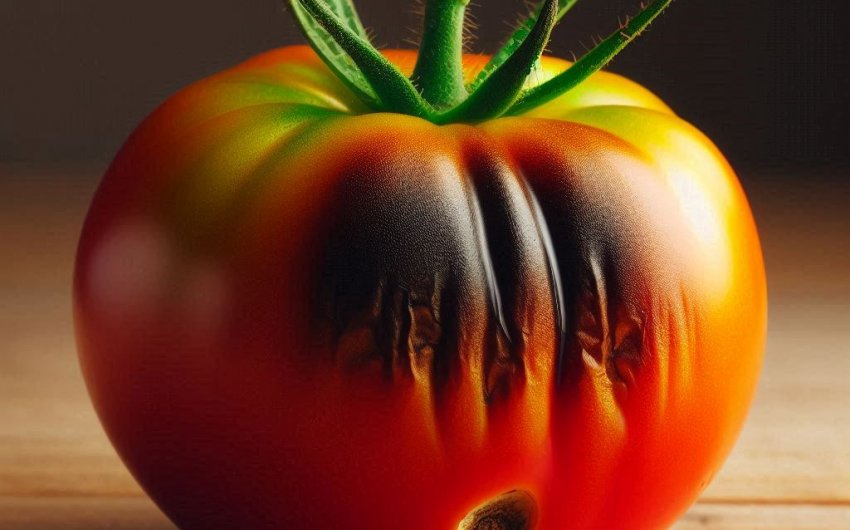
It's a familiar and deeply frustrating sight for any gardener: you watch your beautiful green tomatoes grow, eagerly anticipating their juicy ripeness, only to discover a dark, mushy, sunken spot on the bottom (the blossom end) of the fruit. This unwelcome visitor is almost certainly blossom end rot (BER). It's a common problem, especially for new tomato growers, and it can ruin a significant portion of your harvest if not addressed. The good news? While it looks like a disease, blossom end rot is actually a physiological disorder, which means it's a problem with how the plant functions, and it's almost always preventable and manageable. This comprehensive guide will explain exactly what causes it, demystify the science behind it, and, most importantly, give you a clear, actionable plan to prevent and treat it, ensuring a bountiful and blemish-free tomato harvest.
What Exactly Is Blossom End Rot?
Before we dive into the "why" and "how to fix it," let's get a clear picture of what blossom end rot actually is. Understanding its nature is the first step toward effective prevention.
The Tell-Tale Signs of Blossom End Rot
You'll recognize blossom end rot by its very specific appearance:
- Location: It always appears on the blossom end of the fruit, which is the part farthest from where the tomato attaches to the stem.
- Initial Appearance: It usually starts as a small, water-soaked, bruised-looking spot, typically on tomatoes that are about half to two-thirds grown and just starting to ripen.
- Progression: This spot quickly enlarges, turning dark brown or black. The affected area becomes sunken, leathery, and often feels mushy. Sometimes, secondary infections (from fungi or bacteria) can develop on the damaged tissue, making it even more rotten.
- Other Plants Affected: While tomatoes are the most common victims, blossom end rot can also occur on other fruiting vegetables like peppers, squash (zucchini, pumpkins), and melons.
Not a Disease, But a Disorder
It's crucial to reiterate: blossom end rot is not a disease. This means it's not caused by a pathogen (like a fungus, bacterium, or virus) and it won't spread from one tomato to another in the garden through infection. Instead, it's a physiological disorder, which means it's due to a problem with the plant's internal processes, specifically related to the uptake and distribution of calcium. If you see it on one tomato, it's a warning sign that the conditions causing the disorder are present and likely to affect other fruits on that plant, or even other plants, if left unaddressed.
Why Do My Tomato Plants Get Blossom End Rot? The Calcium Connection
The direct cause of blossom end rot is a calcium deficiency in the developing fruit's cells. However, the tricky part is that this deficiency is rarely due to a lack of calcium in the soil itself. Most garden soils actually contain plenty of calcium. The problem almost always lies in the plant's inability to move that calcium from the soil to the rapidly growing tomato fruits. Let's break down the most common reasons why this happens.
1. Inconsistent Soil Moisture: The Number One Culprit
This is, by far, the leading cause of blossom end rot. Tomato plants need a steady, consistent supply of water to transport nutrients, including calcium, from the soil to all parts of the plant, especially the fast-growing fruits.
- Cycles of Wet and Dry: If the soil goes from very dry to very wet repeatedly, the plant gets stressed. When the soil is too dry, roots can't absorb water (and dissolved calcium). When it's suddenly flooded, the sudden rush can damage roots or cause the plant to grow too fast, outstripping its ability to supply calcium evenly.
- Lack of Water: Prolonged periods of drought simply mean the plant cannot take up the calcium available in the soil.
- Waterlogged Soil: Conversely, constantly soggy or waterlogged soil deprives roots of oxygen, damaging them and making them unable to absorb any nutrients efficiently, including calcium.
- Result: Without that steady water flow, calcium literally gets stuck and can't reach the cells at the blossom end of the fruit as they're forming, leading to cell collapse and rot.
2. Root Damage: Impaired Nutrient Uptake
Healthy roots are the lifeline of your plant, responsible for absorbing water and nutrients. Anything that damages them can lead to blossom end rot.
- Transplant Shock: When young tomato plants are moved from a pot to the garden, their roots can be disturbed or broken. This "shock" can temporarily reduce their ability to take up water and calcium.
- Cultivating Too Close: Aggressively weeding or tilling around the base of your tomato plants can sever the shallow feeder roots that are crucial for water and nutrient absorption.
- Compact Soil: Hard, dense, or compacted soil makes it difficult for roots to grow deeply and spread out, limiting their ability to find water and nutrients.
3. Soil pH Imbalance: Calcium Locked Up
Even if your soil has plenty of calcium, its pH level (how acidic or alkaline it is) can make that calcium unavailable to the plant.
- Ideal pH: Tomatoes generally prefer a slightly acidic to neutral soil pH, ideally between 6.0 and 7.0.
- Too Acidic or Too Alkaline: If the pH is outside this optimal range, certain nutrients, including calcium, can become "locked up" in the soil chemistry, making it difficult for the plant's roots to absorb them, regardless of how much is present.
4. Extreme Temperatures: Plant Stress
Tomato plants thrive within a certain temperature range.
- Very Hot Weather: During prolonged heatwaves, especially when temperatures are consistently above 90°F (32°C), tomato plants struggle. They may transpire (release water vapor) too quickly and struggle to absorb enough water from the soil to meet the demands of fast-growing fruits, leading to a localized calcium deficiency.
- Very Cold Weather: Unseasonably cold temperatures can also stress the plant, slowing down its metabolic processes and nutrient transport.
5. Too Much Nitrogen Fertilizer: Imbalanced Growth
If you're using a fertilizer that's very high in nitrogen (the first number in the N-P-K ratio), especially early in the season, it can contribute to blossom end rot.
- Leafy Growth: High nitrogen promotes lush, rapid leafy (vegetative) growth.
- Fruit Neglect: This can sometimes cause the plant to put too much energy into foliage at the expense of fruit development, or it can create a nutrient imbalance where calcium doesn't get prioritized for the fruits.
6. Salty Soil: Affecting Water Uptake
An excess of salts in the soil (sometimes from over-fertilizing with synthetic fertilizers or from high-saline irrigation water) can make it difficult for plants to absorb water, even if it's present. This osmotic stress can mimic drought conditions and lead to blossom end rot.
How Can I Prevent Blossom End Rot From Happening? Proactive Strategies
The key to beating blossom end rot is prevention. By understanding the causes, you can take deliberate steps to create ideal growing conditions for your tomato plants. Most of these strategies involve good general gardening practices.
1. Consistent Watering: Your Top Priority for Success
This is the most impactful step you can take.
- Deep and Regular: The goal is to keep the soil consistently moist, but never waterlogged. Aim for about 1-2 inches of water per week, adjusting based on your specific climate, soil type, and plant size. Water deeply, so it penetrates the entire root zone.
- Feel the Soil: Don't water on a rigid schedule. Instead, check the soil moisture by sticking your finger about 2 inches deep. If it feels dry, it's time to water. If it still feels moist, wait.
- Morning Watering: Water in the morning. This allows the water to soak in before the heat of the day causes too much evaporation, and it gives any splashed water on leaves time to dry, which helps prevent fungal diseases.
- Drip Irrigation or Soaker Hoses: Consider installing a drip irrigation system or using a soaker hose. These systems deliver water slowly and directly to the root zone, minimizing evaporation, ensuring deep penetration, and reducing the risk of inconsistent moisture.
2. Mulch, Mulch, Mulch! (Essential Moisture Management)
Applying a layer of mulch around your tomato plants is incredibly beneficial for preventing blossom end rot.
- Moisture Retention: Mulch acts as a blanket, significantly reducing water evaporation from the soil surface. This keeps the soil moisture levels more consistent, reducing fluctuations.
- Temperature Regulation: It helps keep soil temperatures cooler in hot weather and warmer in cooler weather, reducing plant stress.
- Weed Suppression: Mulch also suppresses weeds, which compete with your tomato plants for precious water and nutrients.
- Application: Apply a 2-4 inch layer of organic mulch like straw, shredded leaves, or wood chips around the base of your plants. Keep the mulch a few inches away from the actual stem to prevent rot. A bale of garden straw mulch is usually affordable and effective.
3. Prepare Your Soil Properly and Test pH
Starting with healthy, balanced soil sets your plants up for success.
- Well-Drained Soil: Tomatoes need well-drained soil. If you have heavy clay, amend it with plenty of organic compost or other organic matter. This improves soil structure, aeration, and drainage.
- Soil Test: Before planting, invest in a soil test. This inexpensive test (often available through your local agricultural extension office) will tell you your soil's current pH and nutrient levels, including how much calcium is available.
- Adjusting pH: If your soil test indicates a pH outside the optimal 6.0-7.0 range for tomatoes, you can adjust it. To raise pH (make it less acidic), incorporate garden lime. To lower pH (make it more acidic), add elemental sulfur. Always follow the product's instructions for application rates.
4. Amend Soil with Calcium (Only if Soil Test Indicates Deficiency)
While rare, if your soil test specifically indicates a calcium deficiency in the soil itself, then adding calcium amendments is appropriate.
- Gypsum: Gypsum (calcium sulfate) is an excellent choice because it provides calcium without significantly altering the soil pH.
- Dolomitic Lime: If your soil is acidic AND low in magnesium, dolomitic lime can provide both calcium and magnesium while raising pH.
- Avoid Overuse of Eggshells/Bone Meal: While often suggested, crushed eggshells and bone meal release calcium very slowly, making them poor choices for immediate BER prevention. They are better as a long-term, continuous soil amendment over years.
5. Fertilize Wisely: Avoid Nitrogen Excess
- Balanced or Low-Nitrogen Fertilizers: Once your tomato plants start setting fruit, switch to a fertilizer that is more balanced or slightly higher in phosphorus and potassium (the middle and last numbers of the N-P-K ratio) and lower in nitrogen. Many fertilizers are specifically marketed as tomato fertilizers for this reason.
- Follow Directions: Always adhere to the recommended application rates on the fertilizer package. Over-fertilizing, especially with nitrogen, can be detrimental.
6. Provide Sturdy Support Early
- Caging or Staking: Support your tomato plants with sturdy stakes, cages, or trellises from a young age. A durable tomato cage or plant stake kit provides crucial support.
- Why it helps: This prevents the plant from flopping over under the weight of ripening fruit, which can stress the plant and damage roots, thereby disrupting calcium uptake. It also improves air circulation around the plant, which can prevent some diseases.
7. Choose Resistant Varieties
While no tomato variety is 100% immune, some are known to be more tolerant or resistant to blossom end rot.
- Research: When buying seeds or seedlings, look for descriptions that mention "blossom end rot tolerant" or "resistant."
- Cherry and Paste Tomatoes: Interestingly, cherry tomatoes and paste tomatoes (like Roma) are often more prone to BER than slicing varieties.
8. Plant Carefully to Minimize Transplant Shock
- Harden Off Seedlings: If you started your tomato plants indoors, gradually introduce them to outdoor conditions (sun, wind, fluctuating temperatures) over a week or two before planting them in the garden. This process is called "hardening off" and significantly reduces transplant shock.
- Gentle Handling: When transplanting, handle the seedlings by their leaves or root ball, not their stems. Dig a hole large enough to accommodate the roots without bending or breaking them.
How Can I Treat Blossom End Rot if It's Already Happening? Immediate Actions
If you've discovered blossom end rot on your tomatoes, don't panic! While the already affected fruits cannot be "cured," you can stop the problem from affecting new, developing tomatoes. The key is to address the underlying cause quickly.
1. Remove All Affected Fruits
- Discard: The first step is to pick off and discard any tomatoes that are already showing signs of blossom end rot. These fruits are not going to recover, and leaving them on the plant wastes valuable energy that the plant could be putting into healthy new fruit development.
2. Immediately Implement Consistent Watering (The Most Crucial Step)
- Assess and Correct: Re-evaluate your watering practices. If you've been inconsistent (letting soil dry out completely, then soaking it), this is almost certainly the problem. Begin watering deeply and regularly, aiming for that consistent moisture level.
- Use Mulch: If you haven't already, apply that 2-4 inch layer of organic mulch. It's your best friend for stabilizing soil moisture.
3. Consider a Calcium Foliar Spray (A Temporary Aid)
- Function: A calcium foliar spray delivers calcium directly to the leaves, which the plant can absorb. It's a temporary workaround and can help prevent new cases of BER on developing fruits while you're getting your watering and soil conditions right.
- Not a Cure-All: Remember, it does not address the root cause of the problem, which is usually related to water transport, not a soil calcium deficiency. It's a band-aid solution.
- Application: Purchase a calcium nitrate spray for plants or a general calcium supplement for plants. Always follow the manufacturer's dilution and application instructions carefully. Apply in the early morning or late evening to prevent leaf burn, and repeat weekly on new fruits for a few weeks.
4. Protect from Extreme Heat
- Temporary Shade: If a heatwave is stressing your plants, consider providing temporary shade during the hottest part of the day. A simple garden shade cloth can significantly reduce plant stress and improve their ability to absorb water.
5. Check Fertilizer Use
- Review Fertilizer: If you've recently applied a high-nitrogen fertilizer, or are over-fertilizing, stop for a few weeks. Switch to a more balanced or fruit-specific fertilizer when you resume feeding.
Can Affected Tomatoes Be Eaten?
Yes! Affected tomatoes are still safe to eat.
- Trim the Damage: Simply cut away the dark, mushy, or leathery portion of the fruit. The unaffected, firm, red flesh is perfectly fine for consumption.
- Taste: While the unaffected part is safe, some people report a slightly off-flavor in BER-affected tomatoes.
- Don't Waste: Don't throw away an entire tomato for a small spot. Salvage what you can and enjoy!
Beyond Tomatoes: Other Common Victims of Blossom End Rot
It's helpful to remember that blossom end rot isn't exclusive to tomatoes. Many other popular garden vegetables can suffer from the same problem, often due to the same underlying causes.
Peppers: Often Affected
Peppers (sweet and hot) are just as susceptible to blossom end rot as tomatoes. The symptoms look identical: a dark, sunken lesion on the bottom of the fruit. The preventative measures – consistent watering, mulch, proper soil pH, and balanced fertilization – are exactly the same.
Squash, Zucchini, and Melons: Watch the Fruit Tips
All members of the cucurbit family, including zucchini, cucumber, pumpkins, and watermelons, can develop blossom end rot. On these fruits, the problem manifests as a soft, dark, and shriveled tip at the blossom end. Again, it comes down to reliable water supply during fruit development.
Eggplants: Less Common, But Possible
While less frequently seen than on tomatoes or peppers, eggplants can also show signs of blossom end rot. The affected area might appear as a brownish, somewhat dry rot at the bottom of the fruit. The principles of prevention remain universal for all these plants.
Debunking Common Myths About Blossom End Rot
Garden lore is full of well-meaning but often incorrect advice. Let's separate fact from fiction when it comes to blossom end rot.
Myth 1: Burying Tums, Eggshells, or Antacids Under Plants Cures BER.
- Fact: This is one of the most persistent myths. While these items contain calcium, they are ineffective for an immediate problem.
- Tums/Antacids: They might release calcium quickly, but often in too concentrated a dose, and the real issue is usually water transport, not a lack of calcium in the soil.
- Eggshells: They take a very, very long time (months to years) to break down and release calcium into the soil. They are not a quick fix for existing BER.
- Truth: Focus on consistent watering and overall soil health to ensure the plant can efficiently access and transport calcium, rather than simply dumping more calcium in the soil.
Myth 2: BER is a contagious disease that will spread to other plants.
- Fact: Absolutely false. As established, blossom end rot is a physiological disorder, not an infection. It doesn't spread from plant to plant. If multiple plants are affected, it's because they are all experiencing the same environmental stress (e.g., inconsistent watering).
Myth 3: You just need to add more calcium fertilizer to the soil.
- Fact: This is a common misconception. Most garden soils already have plenty of calcium. Adding more calcium when the problem is actually about water transport or root health won't solve the issue and could even lead to other nutrient imbalances. Only add calcium amendments if a soil test specifically shows your soil is deficient in calcium.
Myth 4: A calcium foliar spray is all you need to fix the problem.
- Fact: A calcium foliar spray can provide a temporary supply of calcium to the leaves and developing fruits, potentially preventing new spots. However, it's a short-term solution and does not address the fundamental problem of inconsistent water uptake by the roots. It's a useful band-aid while you implement long-term fixes like consistent watering and mulching.
Myth 5: Small tomato varieties are immune to BER.
- Fact: While some varieties might be less susceptible, even small cherry tomatoes or grape tomatoes can develop blossom end rot. They are not immune if the environmental conditions are unfavorable. In fact, some sources suggest that rapid-growing, smaller fruits can be more susceptible to BER because their calcium demand is very high during their fast development.
The Long-Term Success of Your Tomato Plants
Battling blossom end rot can feel like a losing fight, but with the right knowledge and consistent effort, you can overcome it. The experience often teaches gardeners valuable lessons about the importance of consistent care and environmental factors in plant health.
- Be Patient: If you're implementing changes like consistent watering or mulching, it may take a week or two to see improvements in newly forming fruits. Remember, affected fruits will not recover, but future ones will benefit.
- Learn from Experience: Each gardening season is an opportunity to learn. If you've had BER, reflect on your watering habits, soil conditions, and any extreme weather events. Use this knowledge to refine your practices for next year.
- Enjoy Your Harvest: Once you get your routine dialed in, you'll be rewarded with plump, healthy, and delicious tomatoes, free from the dreaded blossom end rot. Your dedication to providing optimal conditions will literally bear fruit!