
How Do I Deal with Spider Mites on Indoor Plants?
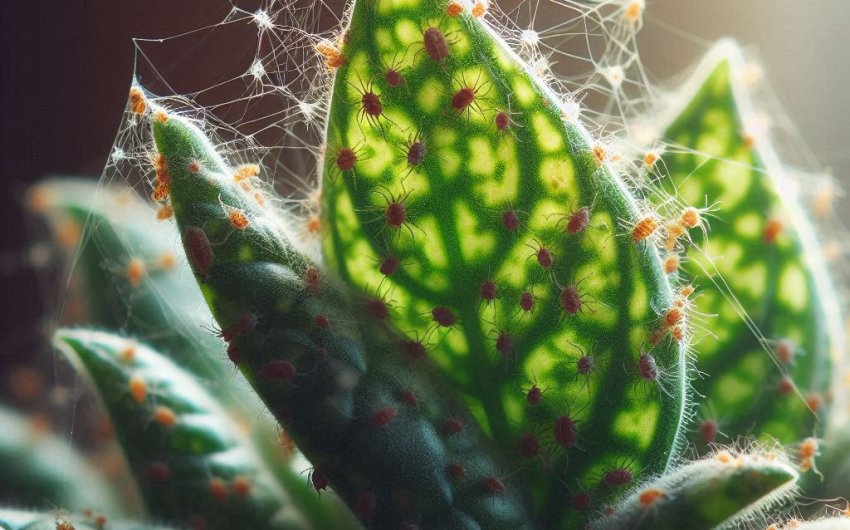
Discovering tiny pests on your beloved indoor plants can be disheartening. Among the most frustrating of these unwelcome guests are spider mites. These microscopic arachnids are notorious for their rapid reproduction and the significant damage they can inflict if left unchecked. They can quickly turn lush foliage dull, speckled, and even cause it to drop off, severely weakening your houseplants. Dealing with a spider mite infestation requires prompt action and a bit of persistence, but with the right approach, you can effectively eradicate them and restore your plants to their vibrant health. This guide will walk you through identifying these elusive pests, understanding the harm they cause, and implementing a range of proven strategies to get rid of them for good.
What Are Spider Mites and Why Are They So Troublesome?
Before we dive into battle, it's important to understand your enemy. Spider mites are tiny creatures that often go unnoticed until their damage becomes obvious. They are not insects, but actually belong to the arachnid family, making them relatives of spiders and ticks.
Appearance and Life Cycle
- Size: They are extremely small, usually less than 1/50th of an inch (0.5 mm) long, making them barely visible to the naked eye. You might see them as tiny moving specks, often reddish-brown, green, yellow, or clear.
- Legs: Like other arachnids, they have eight legs (in their adult stage).
- Webbing: The most characteristic sign of spider mites is the fine, silken webbing they produce, especially on the undersides of leaves or where leaves meet stems. This webbing helps them move around and protects them from predators and pesticides.
- Life Cycle: Spider mites have a very fast life cycle, especially in warm, dry conditions. They can go from egg to adult in as little as 5-7 days, meaning a small infestation can explode into a severe one very quickly. A female can lay hundreds of eggs in her lifetime. This rapid reproduction is why they are so troublesome.
Where Do They Come From?
Spider mites can find their way into your home and onto your plants through various means:
- New Plants: The most common way. Always inspect new plants thoroughly before bringing them home or isolating them for a few weeks.
- Contaminated Tools or Clothing: They can hitch a ride on gardening tools, pots, or even your clothes after being outdoors.
- Open Windows/Doors: They can sometimes be blown indoors by wind.
- Already Present: Sometimes they are present in very low numbers and only become a problem when conditions (like low humidity) favor their rapid reproduction.
Why Do They Love Indoor Plants?
Spider mites thrive in certain conditions, which unfortunately often match the environment inside our homes.
- Low Humidity: This is their absolute favorite. Indoor heating and air conditioning often make our homes very dry, especially in winter.
- Warm Temperatures: They reproduce much faster in warmer conditions.
- Stressed Plants: Plants that are already stressed (e.g., from underwatering, nutrient deficiency, or too much light) are often more susceptible to infestations.
How to Identify a Spider Mite Infestation
Because of their tiny size, spotting the spider mites themselves can be challenging. Instead, you'll often notice the damage they cause first, or their tell-tale webbing.
Signs on the Leaves
- Stippling: This is the earliest and most common sign. Look for tiny, pin-prick sized yellow or white dots or specks on the leaves. This happens when the mites pierce plant cells and suck out chlorophyll (the green pigment). As the infestation grows, these dots merge, and the leaves can look dull, dusty, or stippled all over.
- Yellowing or Bronze Leaves: As damage progresses, entire leaves may turn yellow, then bronze, and eventually brown and crispy.
- Distorted or Dropping Leaves: Severely infested leaves may curl, become distorted, or drop off prematurely.
- Lack of Luster: Healthy leaves look shiny and vibrant. Mite-infested leaves often look dull and unhealthy.
The Characteristic Webbing
- Fine, Silken Threads: This is the most definitive sign. Look for very fine, almost invisible, silky threads, especially on the underside of leaves, in the leaf axils (where the leaf meets the stem), or between stems.
- Severity: In early stages, the webbing might be barely noticeable. In severe infestations, the plant can be completely encased in a thick, visible web.
- Test: If you're unsure, lightly mist the plant with water. The webbing will become more visible as water droplets cling to it.
Seeing the Mites Themselves
- Magnifying Glass: A handheld magnifying glass (10x or 20x) is invaluable for confirming an infestation. Look on the underside of affected leaves. You'll see tiny, moving specks.
- White Paper Test: Hold a white piece of paper under a leaf and gently tap the leaf. If spider mites are present, tiny specks will fall onto the paper and slowly start to move around.
Where to Look First
Always check new growth and the underside of leaves first, as this is where they usually congregate. Also, inspect plants that seem to be stressed or underperforming, even if you don't immediately see damage.
Immediate Action: Quarantine and Clean
Once you've confirmed spider mites, the first steps are critical to prevent them from spreading and to give your plant the best chance.
1. Isolate the Infested Plant(s)
- Move It Away: Immediately move any infested plant away from your other houseplants. Place it in a separate room, a garage, or even outdoors temporarily if the weather allows.
- Check Neighbors: Inspect all plants that were near the infested plant, as mites can easily spread. Treat any suspect plants as if they are infested.
2. Physical Removal / "Knock Down"
This is your first attack and helps reduce the mite population significantly.
- Hose It Down (if possible): If your plant can be easily moved and handled, take it to a sink, shower, or even outdoors. Use a strong spray of water from a kitchen sprayer or garden hose nozzle to blast the mites off the leaves, especially the undersides. Make sure the spray is strong enough to dislodge them but not so strong that it damages the plant.
- Wipe Leaves: For plants that can't be easily hosed down, use a damp cloth or paper towel to physically wipe off the mites and their webbing from both the top and bottom of every leaf. This is tedious but effective. Rinse the cloth often.
- Prune Heavily Infested Parts: If certain leaves or stems are heavily infested and beyond saving, it's often best to prune them off entirely and dispose of them in a sealed bag in the trash. Clean your pruning shears afterwards.
Control Methods: From Natural to Targeted Treatments
After the initial clean-up, you'll need to follow up with regular treatments to ensure all mites (including newly hatched ones) are eradicated. Consistency is key!
1. Increase Humidity (Prevention & Deterrent)
Spider mites hate humidity. Creating a more humid environment can help deter them and slow their reproduction.
- Misting: Mist your plants regularly with water, especially the undersides of leaves. A plant mister works well. This is more of a deterrent and a way to wash off some mites, not a standalone killer.
- Pebble Trays: Place a tray filled with pebbles and water beneath your plant pot (make sure the pot sits on the pebbles, not in the water). As the water evaporates, it increases humidity around the plant.
- Humidifier: For very dry rooms, a room humidifier can benefit both your plants and you.
2. Insecticidal Soap
This is one of the safest and most effective options for spider mites. It works by dissolving the mites' outer protective layer, causing them to dehydrate.
- What it is: A specialized soap (not dish soap!) formulated for plants. It's often derived from fatty acids. You can buy it as a ready-to-use spray or a concentrate to dilute.
- How to Use:
- Thorough Coverage: Insecticidal soap only works on contact. You must spray every single mite on the plant, top and bottom of leaves, stems, and crevices.
- Repeat: Apply every 3-5 days for at least 2-3 weeks to ensure you kill newly hatched mites. Mite eggs are not usually affected by insecticidal soap.
- Patch Test: Always do a small patch test on a hidden leaf first to ensure your specific plant isn't sensitive to the soap.
- Timing: Apply in the morning or evening, avoiding direct strong sunlight, which can cause leaf burn.
3. Neem Oil
Neem oil is a popular organic pesticide derived from the neem tree. It works in multiple ways to disrupt pest life cycles.
- What it is: A natural oil that acts as an antifeedant (makes plants taste bad to pests), a repellent, and disrupts insect growth and reproduction.
- How to Use:
- Dilution: Most neem oil products are concentrates that need to be diluted with water and a tiny bit of mild soap (as an emulsifier) before spraying. Follow package directions carefully.
- Thorough Coverage: Like insecticidal soap, it needs to contact the pests. Spray all plant surfaces thoroughly.
- Repeat: Apply every 5-7 days for several weeks to break the mite life cycle.
- Patch Test: Always test on a small area first.
- Timing: Apply in the morning or evening. Avoid strong direct sunlight after application to prevent leaf burn.
- Note: The smell of neem oil can be strong to some.
4. Rubbing Alcohol
For spot treatments or specific, small infestations, rubbing alcohol can be effective.
- What it is: Isopropyl alcohol (70%) diluted with water.
- How to Use:
- Dilution: Mix 1 part 70% isopropyl rubbing alcohol with 1 part water. Add a few drops of mild liquid soap to help it spread.
- Application: Dip a cotton swab or soft cloth in the solution and gently wipe down individual leaves, focusing on areas with mites or webbing.
- Spot Treat: This is best for small infestations or hard-to-reach areas.
- Test First: Always test on a small, inconspicuous part of the plant first, as some plants can be sensitive to alcohol.
- Never Spray Undiluted Alcohol: It will burn your plant.
5. Horticultural Oil
These are refined petroleum or vegetable-based oils that smother insects and mites. They are similar in action to insecticidal soap but can also be effective against overwintering eggs.
- What it is: Typically sold as a concentrate to be diluted. Look for horticultural oil for houseplants.
- How to Use: Follow package directions carefully. Thorough coverage is essential for smothering the mites.
6. Beneficial Insects (Biological Control)
For persistent or recurring infestations, or if you prefer a natural, hands-off approach, introducing beneficial insects can be a great long-term solution.
- Predatory Mites: The most common biological control for spider mites are specific species of predatory mites, such as Phytoseiulus persimilis. These tiny mites feed exclusively on spider mites and are very effective.
- How to Use: You can purchase predatory mites online. They usually come in vials or sachets with a carrier material. Release them onto your infested plants following the supplier's instructions.
- Considerations: They work best in moderate to high humidity and when there's an existing food source (spider mites) for them. Avoid using other pesticides when releasing beneficial insects.
7. Chemical Miticides (Last Resort)
If all else fails and your plant is severely threatened, you might consider a chemical miticide.
- Targeted: Make sure you choose a product specifically labeled for spider mites (not just general insecticides, as many common insecticides don't affect mites, and can even worsen infestations by killing beneficial insects).
- Systemic vs. Contact: Some are contact killers, others are systemic (absorbed by the plant, making it toxic to pests).
- Safety First: Always, always read and follow all label instructions carefully. Wear appropriate personal protective equipment (PPE), ensure good ventilation, and keep pets and children away from treated areas.
- Resistance: Mites can develop resistance to miticides quickly, so it's best to rotate different types if you use them.
Post-Treatment Care and Prevention
Getting rid of spider mites is a victory, but keeping them away requires ongoing diligence.
1. Consistency is Crucial
- Repeat Treatments: Regardless of the method you choose, repeated applications are vital. You need to interrupt the mites' rapid life cycle. A single treatment will only kill adult mites, leaving behind eggs that will soon hatch and start a new infestation. Stick to your treatment schedule for at least 2-3 weeks, or even longer for severe cases.
2. Regular Plant Inspection
- Daily Check-ins: Continue inspecting your plants regularly, even after the mites seem gone. Pay close attention to new growth and the underside of leaves. Early detection is your best friend for preventing future outbreaks.
3. Maintain High Humidity
- Long-Term Strategy: Since spider mites thrive in dry conditions, making your indoor environment more humid is a crucial long-term prevention strategy. Use pebble trays, misting (though misting alone won't get rid of an infestation, it helps prevent new ones), or a humidifier.
4. Provide Optimal Plant Care
- Healthy Plants Resist Pests: A strong, healthy plant is much more resilient to pest attacks.
- Proper Lighting: Give your plants the light they need.
- Correct Watering: Avoid over or underwatering.
- Adequate Nutrition: Fertilize appropriately, especially using a balanced liquid fertilizer for houseplants during active growth.
- Good Air Circulation: Don't crowd plants together, which can create stagnant air.
5. Quarantine New Plants
- Essential Practice: This cannot be stressed enough. Any new plant coming into your home should be isolated from your existing plants for at least 2-4 weeks. Inspect it daily for any signs of pests (including spider mites, aphids, mealybugs, etc.). This simple step can save your entire collection from an infestation.
6. Clean Tools and Pots
- Sterilize: Always clean your pruning shears, watering cans, and pots before using them, especially if you've been dealing with a pest issue. A dilute bleach solution or rubbing alcohol can be used for sterilization.
Dealing with spider mites on indoor plants can feel like an uphill battle, but it's a fight you can definitely win with persistence and the right approach. By understanding their behavior, meticulously identifying their presence, and consistently applying appropriate control methods, you can protect your precious green companions. Remember, a healthy, well-cared-for plant is your best defense, and regular vigilance will ensure your indoor jungle remains a vibrant and pest-free sanctuary.