
What Are the Best Treatments for Aphid Infestations on Vegetable Crops?
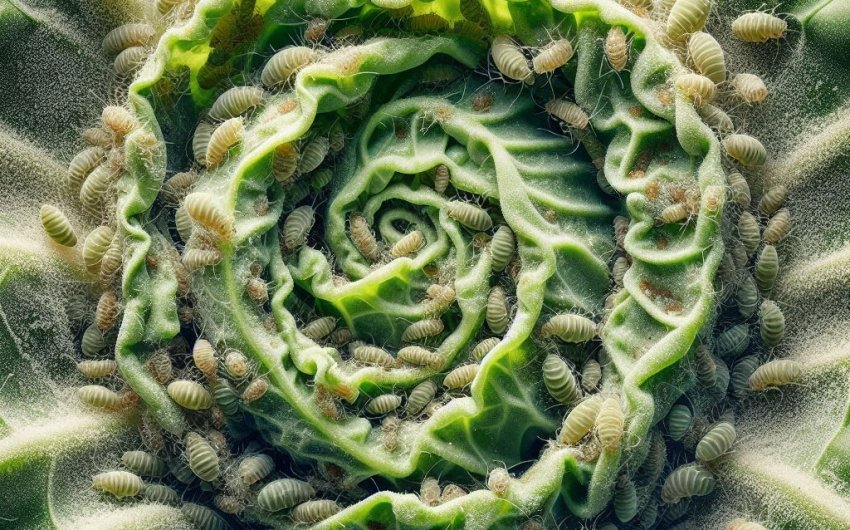
Discovering a cluster of tiny, soft-bodied insects on your vibrant vegetable crops can be disheartening for any gardener. These common invaders, known as aphids, are notorious for their rapid reproduction and their ability to quickly inflict damage, turning healthy plants into stunted, sticky messes. While they might seem small and unassuming, a full-blown aphid infestation can significantly reduce your harvest, spread plant diseases, and even kill young, vulnerable plants if left unchecked. The good news is that there are many effective ways to tackle these persistent pests without resorting to harsh chemicals that might harm your edibles or beneficial insects.
Battling aphid infestations on vegetable crops requires a combination of vigilance, timely action, and a diverse toolkit of treatment methods. From simple mechanical removal to leveraging nature's own pest controllers, understanding the options available allows you to choose the safest and most efficient approach for your garden. This guide will walk you through the best treatments for controlling aphids, ensuring your tomatoes, lettuce, beans, and other produce can thrive, giving you a bountiful and healthy harvest.
Why Are Aphids a Problem for Vegetable Crops?
How Do Aphids Damage Vegetable Plants?
Aphids cause damage to vegetable plants primarily by feeding on the plant's sap and by spreading diseases.
- Sap-sucking: Aphids have piercing-sucking mouthparts that they insert into the phloem vessels of plants. The phloem is the tissue that carries sugars and nutrients from the leaves to other parts of the plant. By sucking out the sap, aphids deprive the plant of vital resources.
- Stunted growth: This leads to slowed or stunted growth in the plant.
- Distorted leaves and shoots: New leaves and shoots may become curled, puckered, or distorted as they try to grow while being fed upon.
- Wilting: In severe cases, particularly with young plants, heavy sap loss can cause wilting and even plant death.
- Honeydew production: As aphids feed, they excrete a sticky, sugary substance called honeydew.
- Sooty mold: Honeydew is a perfect growing medium for sooty mold, a black fungus that covers leaves, reducing photosynthesis and making the plant look dirty.
- Ant attraction: Honeydew attracts ants, which often "farm" aphids, protecting them from predators in exchange for the sugary treat. The presence of ants is often a sign of an aphid infestation.
- Disease transmission: Perhaps the most serious damage aphids cause is their ability to transmit plant viruses. As they move from one plant to another, feeding, they can pick up and spread various viral diseases that can severely damage or kill vegetable crops.
The combined effects of feeding, honeydew, and disease transmission make aphids a significant threat to a healthy vegetable garden.
Why Do Aphid Populations Grow So Quickly?
Aphid populations can explode almost overnight, which is a major reason why they are such a persistent problem for gardeners. Their rapid reproduction is due to a few key biological factors:
- Asexual reproduction (parthenogenesis): Female aphids can reproduce without mating with a male. They essentially clone themselves, giving birth to live young that are already genetically identical to the mother.
- Live birth: Unlike many insects that lay eggs, aphids give birth to live nymphs. These nymphs immediately begin feeding and developing.
- Short generation time: Aphid nymphs mature into reproductive adults very quickly, sometimes in as little as 7-10 days, especially in warm conditions. This means multiple generations can occur within a single growing season.
- Winged forms: When an aphid population becomes too dense or food sources deplete, some aphids develop wings. These winged forms can then fly to new plants or new gardens, quickly establishing new infestations elsewhere.
This incredible reproductive capacity means that even a few initial aphids can quickly turn into thousands, making early detection and rapid treatment crucial.
What Are the Signs of an Aphid Infestation?
Recognizing the signs of an aphid infestation early is key to effective control.
- Visible aphids: The most obvious sign is seeing the aphids themselves. They are typically small (pinhead size), pear-shaped, and can be green, black, yellow, gray, brown, or even pink, depending on the species and the plant they are on. They often cluster on new growth, the undersides of leaves, and around flower buds or young fruits.
- Curled or distorted leaves: As aphids suck sap from new, developing leaves, they cause the leaves to become curled, puckered, or distorted.
- Sticky residue (honeydew): A shiny, sticky substance on leaves, stems, or even the ground beneath the plant is a strong indicator of aphid presence.
- Sooty mold: A black, powdery or fuzzy fungus growing on the honeydew-covered parts of the plant. It looks like soot.
- Presence of ants: Ants are often seen crawling on plants infested with aphids because they collect the honeydew. The ants actually protect the aphids from natural predators, so their presence indicates an aphid "farm."
- Stunted or unhealthy plant growth: If your plant looks generally weak, discolored, or isn't growing as expected despite good care, check for aphids.
- White "skins": You might see small, white, shed skins on the leaves. These are the exoskeletons that aphids shed as they grow.
Regularly inspecting the undersides of leaves and new shoots, especially on vulnerable vegetable crops, will help you spot these signs early.
What Are the Best Organic Treatments for Aphids?
How Effective Is Hand-Picking and Hosing Off?
For light aphid infestations or when you want an immediate, non-chemical solution, hand-picking and hosing off are incredibly effective.
- Hand-picking: For small clusters or individual aphids, you can simply crush them with your fingers (wear gloves if you prefer), or wipe them off leaves with a damp cloth. This is best for a few visible clusters.
- Hosing off (Strong Stream of Water): This is often the first line of defense for larger infestations. A strong, steady stream of water from your garden hose can literally blast aphids off the plants.
- Method: Focus the water spray on the undersides of leaves and in tight crevices where aphids hide. Do this gently so as not to damage delicate plant tissue.
- Frequency: Repeat every 2-3 days until the aphids are gone.
- Benefits: It's non-toxic, safe for edibles, and won't harm beneficial insects that might be elsewhere on the plant. Most aphids cannot crawl back onto the plant once dislodged, especially if they are adults.
This method works particularly well for sturdy plants like tomatoes, peppers, and broccoli. A Garden Hose Nozzle with Jet Spray can provide the necessary force.
When Should I Use Insecticidal Soap?
Insecticidal soap is a popular and very effective organic treatment for aphid infestations, especially for soft-bodied insects.
- How it works: Insecticidal soaps are essentially fatty acid salts that disrupt the aphid's cell membranes, causing them to dehydrate and die. They only work on contact, meaning they must directly hit the aphid. Once dry, they are generally harmless to other insects and safe for edible crops.
- Application:
- Mix according to instructions: Always dilute a concentrated insecticidal soap product with water according to the label. Do not use dish soap, as it can contain detergents and degreasers harmful to plants.
- Thorough coverage: Spray the infested plants thoroughly, ensuring you get full coverage on all surfaces, especially the undersides of leaves where aphids often hide.
- Timing: Apply in the early morning or late evening when temperatures are cooler and the sun is not intense, to prevent leaf burn. Avoid applying just before rain.
- Repeat applications: Because insecticidal soaps only kill on contact and don't have residual effects, you'll need to reapply every 5-7 days for a few weeks until the infestation is under control and new generations have hatched.
- Safety: Insecticidal soaps are generally safe for edibles, but always check the product label for pre-harvest intervals (PHI) – the time you need to wait after spraying before harvesting. A good product is Safer Brand Insect Killing Soap.
How Effective Is Neem Oil for Aphids?
Neem oil is another highly effective organic treatment for aphids and many other garden pests. It works in multiple ways, making it a powerful tool in your pest management arsenal.
- How it works: Neem oil contains azadirachtin, a natural compound that acts as:
- Antifeedant: It makes plants unappetizing to aphids, discouraging them from feeding.
- Growth disruptor: It interferes with the insect's hormone system, preventing them from maturing, molting, and reproducing.
- Repellent: Its scent can deter aphids from landing on plants.
- Application:
- Mix correctly: Neem oil needs to be emulsified (mixed with water and a small amount of mild liquid soap) to disperse properly. Follow product instructions precisely.
- Thorough coverage: Like insecticidal soap, complete coverage is essential. Spray all parts of the plant, especially leaf undersides and new growth.
- Timing: Apply in the late evening or early morning. Neem oil can cause leaf burn if applied in direct, hot sunlight. It's also safer for beneficial insects when applied at these times, as they are less active.
- Repeat applications: Reapply every 7-10 days, or as recommended by the product label, until the infestation is resolved.
- Safety: Neem oil is generally considered safe for edible crops and has a low toxicity to humans and pets. Always check the pre-harvest interval on the label. A widely used product is Pure Neem Oil for Plants.
Can Diatomaceous Earth Control Aphids?
Diatomaceous earth (DE) is a natural, powdery substance made from the fossilized remains of diatoms (tiny aquatic organisms). While effective against many crawling insects, its effectiveness against aphids is more limited.
- How it works: DE works by physically scratching the waxy outer layer of insects, causing them to dehydrate and die.
- Effectiveness on aphids: Because aphids are soft-bodied and often cluster on the undersides of leaves, where DE is difficult to apply evenly and adhere, it's not typically the first choice for aphid control. It's more effective against crawling pests like slugs, snails, or ants that are directly interacting with the soil surface or plant stems.
- Application: If you choose to use it, apply a very fine, even layer of food-grade diatomaceous earth directly onto the aphids and infested plant parts using a duster. Reapply after rain or heavy watering, as it becomes ineffective when wet.
- Caution: Avoid inhaling the dust during application.
While DE is a valuable organic pest control tool, it's generally better suited for other types of pest infestations in your vegetable garden.
How Can I Use Beneficial Insects for Aphid Control?
What Are Ladybugs and How Do They Help?
Ladybugs (also known as lady beetles or ladybirds) are one of the most beloved and effective beneficial insects for aphid control. Both the adult ladybugs and their larvae are voracious predators of aphids.
- Appearance: Adult ladybugs are typically red or orange with black spots. Their larvae are often black and orange, alligator-shaped creatures that move quickly.
- How they help: A single ladybug larva can eat hundreds of aphids before maturing. Adults also feed heavily on aphids and other soft-bodied pests.
- Attracting them: Plant a variety of flowers with flat, open blooms that provide nectar and pollen for adult ladybugs. Good choices include dill, fennel, cilantro (when flowering), cosmos, yarrow, and sweet alyssum. Avoid using broad-spectrum pesticides, which will kill ladybugs.
- Releasing them: You can purchase live ladybugs from garden supply stores or online. Release them in the evening after watering your plants, as they are less likely to fly away immediately when conditions are cool and moist. Direct them to areas with aphid infestations. A package of Live Ladybugs for Garden can jumpstart your natural pest control.
Ladybugs are a cornerstone of organic pest management and a delight to have in your garden.
How Do Lacewings and Their Larvae Work?
Lacewings are another highly valuable beneficial insect for aphid control. There are two main types: green lacewings and brown lacewings. It's their larvae that are the true predators.
- Appearance: Adult lacewings are delicate, green or brown insects with large, lacy wings. Their larvae, sometimes called "aphid lions," are alligator-like, grayish-brown creatures with prominent, pincer-like jaws.
- How they help: Lacewing larvae are extremely aggressive predators, known to consume large numbers of aphids, as well as spider mites, mealybugs, and other small, soft-bodied pests. They pierce their prey and suck out their body fluids.
- Attracting them: Like ladybugs, adult lacewings feed on nectar and pollen. Plant similar flowers (dill, fennel, cosmos, coreopsis, angelica) to attract them.
- Releasing them: You can buy lacewing eggs or larvae online. Follow instructions carefully for release, usually by sprinkling them on affected plants. The larvae will immediately begin searching for food.
Lacewings are a powerful biological control agent and a great addition to an organic vegetable garden.
What Role Do Hoverflies Play in Aphid Control?
Hoverflies (also known as flower flies or syrphid flies) are often mistaken for bees or wasps because of their striped bodies and hovering flight patterns. However, they are flies, and their larvae are excellent predators of aphids.
- Appearance: Adult hoverflies are typically black and yellow, resembling small bees. Their larvae are small, legless, translucent, slug-like maggots that are green or brown.
- How they help: Adult hoverflies are important pollinators, feeding on nectar and pollen. But their larvae are voracious predators of aphids. The larvae move across plant surfaces, impaling aphids with their mouthparts and sucking them dry.
- Attracting them: Plant flowers with open, accessible nectar and pollen, especially those in the daisy family (like cosmos, coreopsis) and umbellifers (like dill, cilantro, fennel, parsley). These flowers provide the necessary food for the adult flies, encouraging them to lay their eggs near aphid colonies.
Encouraging hoverflies contributes to both pest control and pollination in your vegetable garden.
Can Parasitic Wasps Help Against Aphids?
Yes, parasitic wasps are another highly effective biological control agent for aphids. These tiny wasps are so small they are often unnoticed by gardeners.
- How they work: Female parasitic wasps lay a single egg inside an aphid's body. The wasp larva then hatches and feeds on the aphid from the inside, eventually killing it. The dead, mummified aphid turns into a distinctive light brown, swollen, rigid shell, often called an "aphid mummy." A new adult wasp will eventually emerge from a hole in the mummy, ready to parasitize more aphids.
- Effectiveness: Parasitic wasps are very species-specific, meaning each type of wasp often targets only one or a few aphid species. They are extremely efficient at controlling aphid populations once established.
- Attracting them: Provide nectar sources through small-flowered plants like dill, cilantro, fennel, and sweet alyssum. Avoid broad-spectrum pesticides that will kill these beneficial wasps.
- Releasing them: You can purchase aphid parasitic wasps (Aphidius colemani or Aphidius ervi) from biological control suppliers. Release them according to instructions, often near aphid colonies.
The sight of aphid mummies is a positive sign that your beneficial insects are hard at work!
What Are Some Preventative Measures for Aphid Infestations?
How Does Companion Planting Deter Aphids?
Companion planting is an excellent preventative measure that fits perfectly with an organic vegetable garden. It involves strategically planting certain species together because they offer mutual benefits, including pest deterrence.
- Repellent plants: Some plants naturally repel aphids due to their strong scent or compounds they release.
- Garlic and Chives: Planting these near susceptible crops can deter aphids with their pungent odor.
- Nasturtiums: While they can attract aphids (acting as a trap crop), if planted away from your main vegetable crops, they can lure aphids to them, leaving your vegetables relatively untouched. Once the nasturtiums are heavily infested, you can remove and destroy them.
- Catnip, mint, marigolds (some varieties): Can also have a repellent effect.
- Attracting beneficials: Many companion plants are chosen because they attract the beneficial insects that prey on aphids (as discussed above).
- Dill, fennel, cilantro, parsley, yarrow, cosmos, sweet alyssum: Planting these flowers and herbs near your vegetable crops will provide nectar and pollen for adult ladybugs, lacewings, and hoverflies, encouraging them to stick around and lay eggs.
A diverse garden with a variety of companion plants creates a more balanced ecosystem that is naturally more resistant to aphid infestations.
Why Is Maintaining Plant Health Important?
Maintaining plant health is perhaps the most fundamental preventative measure against aphid infestations. Healthy, vigorous plants are naturally more resilient and less attractive to pests.
- Strong defense mechanisms: Healthy plants have stronger cell walls and are better able to withstand sap-sucking damage. They can also produce natural compounds that deter pests.
- Proper watering: Both underwatering and overwatering can stress plants, making them more susceptible to aphid attacks. Consistent, deep watering (allowing soil to dry out slightly between waterings) promotes strong root systems.
- Balanced nutrition: Provide your vegetable crops with the nutrients they need through balanced fertilization based on soil tests. Avoid excessive nitrogen, which promotes lush, tender new growth that is particularly appealing to aphids.
- Adequate sunlight: Ensure your vegetable plants receive the recommended amount of sunlight. Stressed plants in low light are weaker.
- Good air circulation: Space your plants appropriately to ensure good air circulation. This reduces humidity, which can stress plants and make them more prone to disease, thus weakening them further against pests.
- Remove plant debris: Keep your garden beds free of dead or decaying plant material, which can harbor pests or diseases.
A strong, healthy plant is your best defense against aphids and most other garden pests. Consider a good Vegetable Garden Fertilizer to maintain vigor.
How Do Yellow Sticky Traps Help with Monitoring?
Yellow sticky traps are a very simple, non-toxic tool that is excellent for monitoring aphid populations and can even help reduce them.
- How they work: Aphids (especially winged adults) are attracted to the color yellow. When they fly near a sticky trap, they land on the adhesive surface and get stuck.
- Monitoring: Place yellow sticky traps near your vegetable crops. Check them regularly (e.g., every few days). If you start seeing numerous aphids on the traps, it's an early warning sign that an infestation is beginning, prompting you to take action before it gets out of hand.
- Control (limited): For light infestations, sticky traps can catch a significant number of winged aphids, helping to reduce their overall population and preventing them from spreading. However, they are not typically effective for controlling an already established, heavy infestation of crawling aphids.
- Placement: Place them strategically among your plants, just above the foliage. Change them when they become covered with insects or dust.
Yellow sticky traps are an invaluable tool for early detection in your Integrated Pest Management (IPM) strategy. You can find Yellow Sticky Traps for Garden specifically for garden use.
Why Is Checking New Plants Important?
Checking new plants before introducing them to your garden is a crucial preventative step to avoid bringing aphids (or other pests and diseases) into your otherwise healthy vegetable crops.
- Quarantine period: When you buy new plants from a nursery or receive them from a friend, it's a good practice to "quarantine" them for a few days to a week. Place them in an isolated spot, away from your main garden.
- Thorough inspection: During this quarantine period, inspect the new plants thoroughly. Pay close attention to:
- Undersides of leaves: This is a favorite hiding spot for aphids and their eggs.
- New growth: Check tender new shoots and buds.
- Leaf axils: The points where leaves meet stems.
- Stems and roots: Look for any signs of pests or disease.
- If you find pests: If you discover aphids or other pests on the new plant, treat it before introducing it to your garden. This might involve spraying with insecticidal soap or neem oil, or even returning the plant if the infestation is severe.
This simple step can save you a lot of headache and effort in the long run by preventing a widespread infestation.