
How Can I Control Scale Insects on My Citrus Trees?
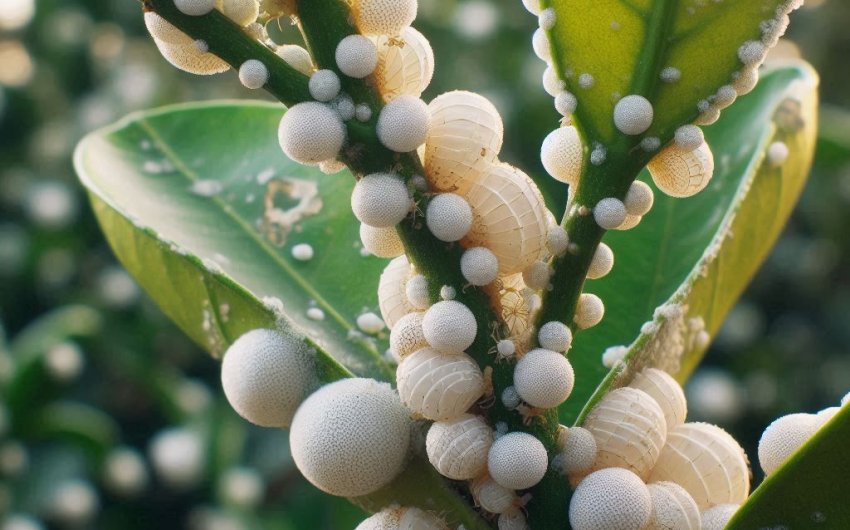
The glossy green leaves and fragrant blossoms of a citrus tree bring a touch of the Mediterranean to any garden or patio, promising juicy fruits and vibrant color. However, these beloved trees are not immune to the unwelcome attention of various pests. Among the most persistent and frustrating invaders are scale insects. These tiny, immobile creatures can quickly colonize stems, branches, and even fruit, slowly sapping the life out of your prized citrus trees and leaving behind a sticky mess. Their seemingly innocent appearance belies their potential for significant damage if left unchecked.
Managing scale insects on citrus trees can feel like a formidable challenge, given their protective waxy armor and rapid reproduction. Yet, with a keen eye for early detection, a clear understanding of their life cycle, and a commitment to strategic, integrated pest management, you can effectively control these stubborn pests without resorting to harsh chemicals. Learning to identify the subtle signs of their presence and implementing timely interventions is crucial for preserving your citrus tree's health, vigor, and the abundance of its delicious harvest. Dive into the secrets of effective scale control, ensuring your citrus remains a vibrant, productive jewel in your garden.
Why Are Scale Insects a Problem for Citrus Trees?
Scale insects can be particularly troublesome for citrus trees due to their feeding habits and their protective outer layers.
What Are Scale Insects and How Do They Feed?
- Appearance: Scale insects are tiny, sap-sucking insects that are often mistaken for fungal growths or abnormalities on the plant. They are typically small (1/16 to 1/4 inch), oval, or circular, and appear as raised, immobile bumps or scabs on plant surfaces. Their color can vary (brown, black, white, gray).
- Waxy Armor: A key characteristic is their protective waxy or shell-like covering, which can make them resistant to many traditional insecticides. This armor protects them from predators and chemicals.
- Feeding: They feed by inserting their needle-like mouthparts (stylets) into the plant's vascular system (the phloem) and sucking out sugary sap.
- Types:
- Armored Scale: Hard, non-removable shell. Does not produce honeydew (e.g., California red scale).
- Soft Scale: Softer, more pliable waxy covering. Produces large amounts of honeydew (e.g., brown soft scale, citrus mealybug).
What Kind of Damage Do Scale Insects Cause to Citrus?
Scale feeding slowly weakens the citrus tree and causes several visible symptoms.
- Weakened Plant: Continuous sap-sucking depletes the tree's energy, leading to overall weakening, stunted growth, and reduced vigor.
- Yellowing Leaves: Infested leaves may turn yellow, often appearing dull or mottled.
- Leaf Drop: Severely infested leaves may curl, wither, and drop prematurely.
- Twig Dieback: Heavy infestations can cause twigs and smaller branches to die back, especially at the tips.
- Sooty Mold (from Soft Scale): Soft scale (and mealybugs, aphids) excrete honeydew, a sticky, sugary substance. This honeydew drips onto leaves and fruit, creating a perfect breeding ground for sooty mold. Sooty mold is a black, velvety fungus that doesn't directly harm the plant but blocks sunlight from reaching the leaves, reducing photosynthesis. It also makes fruit unsightly and sticky.
- Reduced Fruit Production: Weakened trees produce fewer flowers and fruits, and the fruit may be smaller or covered in sooty mold.
Why Are They Difficult to Control?
Their unique biology makes scale insects notoriously challenging.
- Waxy Armor: The protective waxy covering makes it difficult for contact insecticides to penetrate and reach the insect's body.
- Immobility: Adult scales are immobile, making them easy to miss until populations are large.
- High Reproduction: Females can lay many eggs under their protective shell, and new generations (crawlers) are constantly hatching.
- Hiding Spots: They often hide in inconspicuous places like the undersides of leaves, in stem crevices, or at branch junctions.
What Are the Early Signs of Scale Insects on Citrus Trees?
Early detection is critical for effective scale control. Knowing what to look for can prevent a small problem from becoming a severe infestation.
What Do Scale Insects Look Like on Citrus?
- Small Bumps/Scabs: The most direct sign. Run your finger along stems and leaf veins. Do you feel small, raised bumps or scabs that weren't there before?
- Colors: Varying colors of scale (brown, black, white, gray, reddish) depending on the species.
- Location: Commonly found on twigs, branches, undersides of leaves, especially along the central vein, and sometimes directly on ripening fruit. A magnifying glass for plant pests helps in identification.
What are the "Sticky" Clues (Honeydew and Sooty Mold)?
These are often the first signs of soft scale (or aphids/mealybugs).
- Honeydew: A clear, sticky, sugary residue on leaves, branches, or even surfaces beneath the tree (patio, car). It will feel sticky to the touch. This is the excretion of the scale insects.
- Sooty Mold: A black, velvety, powdery fungus that grows on the honeydew. It doesn't actually harm the plant tissue itself, but it blocks sunlight from reaching the leaves, reducing photosynthesis and making the plant look dirty. If you see sticky leaves or black mold, immediately look for sap-sucking pests like scale or aphids above those areas.
What Other Plant Symptoms Indicate Scale?
- Yellowing/Mottling of Leaves: Infested leaves may lose their vibrant green color and turn pale or yellowish.
- Stunted Growth: Overall slow or stopped growth, especially of new shoots.
- Ants: Ants are attracted to honeydew as a food source. If you see ants crawling up and down your citrus tree, it's a strong indicator that you have sap-sucking pests (like scale, aphids, or mealybugs) producing honeydew. Ants may even protect these pests from their natural predators.
How Can I Control Scale Insects on My Citrus Trees?
A multi-pronged Integrated Pest Management (IPM) approach is most effective for long-term scale control.
Step 1: Manual Removal and Pruning
For small infestations or accessible branches, physical removal is a safe and immediate solution.
- Scraping: Gently scrape off individual scales using a fingernail, a soft brush (like an old toothbrush), or a dull knife.
- Rubbing Alcohol: For persistent scales or mealybugs, dab them directly with a cotton swab dipped in 70% isopropyl rubbing alcohol. The alcohol dissolves their waxy coating.
- Pruning Infested Branches: For severely infested twigs or branches that are too numerous to scrape, it's often best to prune them off entirely. Discard (don't compost) the infested branches away from your garden. Use clean, sharp pruning shears for fruit trees and sterilize them between cuts.
Step 2: Horticultural Oil Application
Horticultural oil is one of the most effective and eco-friendly treatments for scale insects.
- How it Works: These highly refined oils (often mineral oil or vegetable oil based) work by suffocating insects. They coat the scale's breathing pores (spiracles), preventing oxygen uptake. They are generally safe for plants and rapidly break down in the environment.
- Dormant Oil: A heavier oil concentration used in late winter/early spring on dormant trees (before new growth emerges or buds swell) to smother overwintering eggs and adult scales.
- Summer Oil (Neem Oil/All-Season Horticultural Oil): Lighter concentrations that can be used on actively growing trees. Neem oil also has insecticidal properties (disrupts feeding/growth) in addition to smothering. A neem oil spray for citrus is a popular choice.
- Application: Mix according to package directions. Spray thoroughly, ensuring complete coverage of all plant surfaces (especially undersides of leaves and crevices), as the oil only works on contact. Repeat applications may be necessary to target newly hatched crawlers.
- Cautions: Avoid applying when temperatures are below freezing or above 90°F (32°C), in direct hot sun, or when plants are stressed. Avoid applying to trees that are drought-stressed.
Step 3: Encourage Beneficial Insects
Beneficial insects are natural predators of scale insects, and a key component of organic pest control.
- Natural Predators:
- Ladybugs: Both adult ladybugs and their alligator-like larvae are voracious eaters of soft scale crawlers and mealybugs.
- Parasitic Wasps: Tiny wasps (many are too small to sting humans) lay their eggs inside or on scale insects. The wasp larvae then consume the scale from within. Look for tiny, circular exit holes on dead scale shells.
- Lacewings: Their larvae are generalist predators of various soft-bodied pests.
- How to Attract: Avoid broad-spectrum pesticides that kill beneficial insects. Plant diverse nectar and pollen-rich flowers in your garden to provide food and habitat for these helpful allies. A beneficial insect attractor seed mix can help.
- Buy Beneficials: For severe infestations, you can purchase and release live beneficial insects for pest control (like ladybugs or parasitic wasps).
Step 4: Systemic Insecticides (Chemical Last Resort)
For very severe, persistent infestations, especially on large trees where other methods are impractical, systemic insecticides may be considered as a last resort.
- How they Work: These chemicals are absorbed by the plant (via roots or foliage) and travel through the vascular system, making the sap toxic to feeding insects.
- Pros: Can provide long-lasting control.
- Cons:
- Harmful to Pollinators: Can be very harmful to beneficial insects, including bees and other pollinators, who feed on nectar or pollen from treated trees.
- Environmental Concerns: Can persist in the environment and have broader impacts.
- Health Risks: Potential risks to humans and pets.
- Harvest Restrictions: Have long pre-harvest intervals (time between application and safe fruit harvest).
- Use with Extreme Caution: Always read and follow product labels precisely. Avoid applying during bloom time. Consult with a certified arborist or local extension office before using.
How Can I Prevent Scale Insects on My Citrus Trees?
Prevention is key to avoiding serious scale infestations. A healthy citrus tree is naturally more resistant.
What is the Importance of Proper Pruning?
- Air Circulation: Pruning to open up the canopy (removing crossing branches, suckers, water sprouts) improves air circulation throughout the tree. This creates a less hospitable environment for scale and other pests.
- Light Penetration: Good pruning allows more sunlight to reach inner branches, promoting denser, healthier foliage.
- Early Removal: Prune out any small, initial infestations you spot before they spread. Use clean, sharp tree pruning tools.
How Does Maintaining Tree Health Help?
A healthy, vigorous citrus tree is better able to resist and recover from pest attacks.
- Proper Watering: Ensure consistent, deep watering. Stressed trees are more susceptible.
- Balanced Fertilization: Provide balanced nutrients (including micronutrients like iron, zinc, manganese) to promote strong growth. Avoid excessive nitrogen, which can lead to lush, tender new growth that attracts pests. Use a citrus fertilizer specific for fruit trees.
- Correct Soil pH: Maintain slightly acidic soil (pH 6.0-7.0) to ensure nutrient availability.
- Adequate Sunlight: Ensure your tree gets full sun exposure.
Why is Sanitation Important?
- Remove Debris: Remove and dispose of (don't compost) any heavily infested leaves, twigs, or fallen fruit. This removes potential breeding grounds.
- Clean Tools: Sterilize pruning tools between cuts, especially if you're cutting out diseased or infested branches, to prevent spreading.
How Can I Control Ants on My Citrus Tree?
Ants do not directly harm your citrus tree, but they "farm" and protect sap-sucking pests like scale insects (and aphids/mealybugs) for their honeydew.
- Eliminate Ants: If you see ants on your tree, it's a strong sign of honeydew-producing pests. Control the ants to reduce their protection of the scale.
- Methods: Wrap sticky tree bands around the trunk (ensure to follow instructions to avoid girdling). Use ant baits at the base of the tree (away from the trunk) or along ant trails. Avoid spraying ants directly on the tree.
What Are Common Misconceptions About Scale on Citrus?
Clearing up these myths helps with more effective and less frustrating scale management.
Myth: Scale is a Fungus.
- Truth: No, scale insects are actual insects. They are often mistaken for fungi or weird growths due to their immobile, bump-like appearance. This misunderstanding can lead to ineffective treatments (e.g., using fungicides).
Myth: Once I See Scale, My Tree is Doomed.
- Truth: Not at all. While scale can be persistent, with consistent monitoring and a proactive, integrated approach to pest management, you can successfully control infestations and keep your citrus tree healthy and productive. It might take time and repeated effort, but it's very achievable.
Myth: All Scales Produce Sooty Mold.
- Truth: Only soft scale (and aphids, mealybugs) excrete honeydew, which then leads to sooty mold. Armored scale does not produce honeydew and therefore will not cause sooty mold. This distinction helps you identify the type of scale you're dealing with.
Myth: One Spray Will Kill All the Scale.
- Truth: Due to their life cycle and protective armor, it's very difficult to kill all scale insects with a single application.
- Life Cycle Stages: Sprays are most effective on the vulnerable "crawler" stage (newly hatched, mobile young) or when they are actively feeding.
- Repeated Applications: You will almost always need repeated applications (e.g., every 7-14 days for a few weeks) to target successive generations as they hatch.
- Armor Protection: The waxy armor of mature scales protects them from many sprays.
Myth: The Sooty Mold Harms My Tree.
- Truth: Sooty mold itself does not directly harm the plant tissue. It's merely a black fungus growing on the sticky honeydew. However, dense sooty mold can block sunlight, reducing photosynthesis, and it makes fruit look unsightly. The real harm comes from the sap-sucking scale insects underneath, so focus your treatment on the scale, and the sooty mold will eventually flake off naturally. You can gently wash it off with a damp cloth if desired.
By understanding the nature of scale insects, identifying their signs early, and committing to consistent Integrated Pest Management strategies, you can effectively control these persistent pests, ensuring your citrus trees remain vibrant, healthy, and bountiful producers of delicious fruit.