
What Causes Leaf Curl in Peach Trees and How Do I Treat It?
What is Peach Leaf Curl and Why Should I Care?
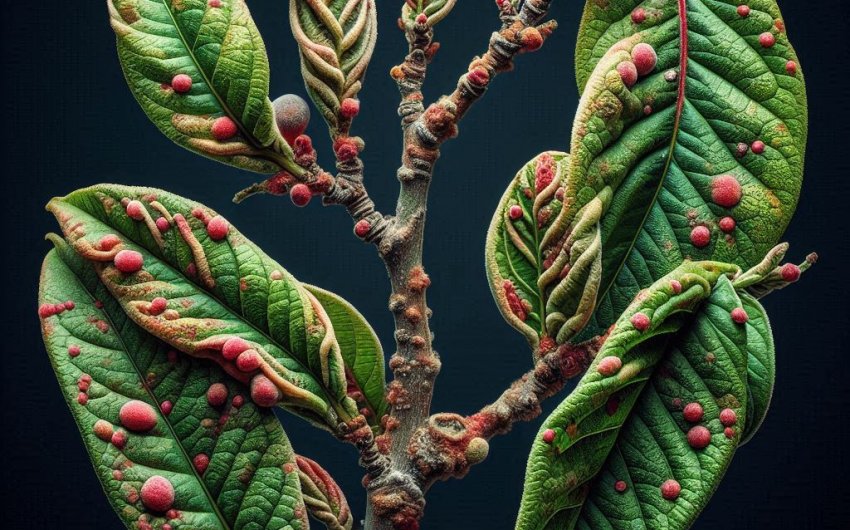
Imagine walking out to your beautiful peach tree, expecting to see lush, green leaves. Instead, you find something alarming: the leaves are all twisted, puckered, and may even be turning red or purple. This, my friend, is most likely peach leaf curl. It's a common and often frustrating disease for anyone growing peach or nectarine trees.
Peach leaf curl is caused by a fungus called Taphrina deformans. This sneaky fungus attacks the leaves of peach and nectarine trees in early spring, just as the leaf buds are opening. It causes the cells in the leaves to grow abnormally, leading to those distinctive curled, blistered, and distorted shapes. While it might look scary, understanding what it is and why it happens is the first step to managing it.
Why should you care about peach leaf curl? Because if left untreated, it can severely weaken your peach tree. Imagine a tree that can't properly make its food because its leaves are damaged. This leads to fewer and smaller peaches, and in severe cases, the tree might even die, especially young trees. So, taking action against peach leaf curl is super important for the health and fruitfulness of your peach trees.
What Causes Peach Leaf Curl?
The main culprit behind peach leaf curl is a specific type of fungus, but its appearance is heavily influenced by the weather. It's a bit like a perfect storm of fungus and climate.
How Does the Fungus Spread?
The fungus responsible, Taphrina deformans, survives the winter months right on your peach tree. It hides in tiny cracks in the bark, in the scales of dormant buds, and even around old fruit scars. It just sits there, patiently waiting.
Its opportunity comes in late winter or early spring. As temperatures start to warm up, and before your peach tree's leaf buds fully open, rain and moisture cause the fungal spores to swell and become active. When water lands on the dormant buds, these spores are washed right into the tender, newly emerging leaf tissue. Once inside, they start to infect the developing leaves.
It's crucial to understand that the infection happens before you even see the symptoms. By the time you notice the curled leaves, the damage is already done for that particular set of leaves. This timing is why prevention is so key for peach leaf curl.
What Role Does Weather Play?
Weather is the biggest factor in how bad peach leaf curl will be each year. The fungus thrives in cool, wet conditions.
- Cool Temperatures: The fungus is most active when temperatures are between (50^\circ\text{F}) and (70^\circ\text{F}) ((10^\circ\text{C}) and (21^\circ\text{C})). If you have a long, cool, and wet spring, the fungus has more time to infect the developing leaves as they emerge from their buds.
- Rain and Moisture: Rain is the vehicle for the fungal spores. It washes them from their hiding spots on the bark directly into the unprotected, newly opening leaf buds. Extended periods of rain, drizzle, or even just high humidity during early spring are ideal for infection.
- Warm, Dry Springs: On the flip side, a warm, dry spring can mean very little peach leaf curl. If the leaf buds open quickly and the leaves harden off before prolonged cool, wet conditions arrive, the window for infection is much smaller. The leaves become too mature and tough for the fungus to penetrate.
So, if you live in an area with typically cool, wet springs, you're more likely to face a battle with peach leaf curl every year.
Are Some Peach Varieties More Resistant?
Yes! Just like some people catch colds easier than others, some peach and nectarine varieties are more resistant to peach leaf curl than others. While no variety is completely immune, choosing a resistant one can significantly reduce your future headaches.
- Susceptible Varieties: Many older, traditional varieties can be quite susceptible. If you have an unknown peach tree or one that consistently gets severe leaf curl, it's likely a susceptible variety.
- Resistant Varieties: When buying new peach trees, look for varieties advertised as leaf curl resistant. Some common ones include 'Frost', 'Oregon Curl Free', 'Charlotte', 'Q-1-8', 'Indian Free', and 'Salish Summer'. Even these resistant varieties might show a tiny bit of curl in a very bad year, but it will be far less severe than on susceptible trees.
If you're planning to plant a new peach tree or replace an old, struggling one, choosing a resistant variety is one of the best preventative steps you can take. It's a long-term solution that saves you work and worry down the line.
What Does Peach Leaf Curl Look Like?
Recognizing peach leaf curl is usually quite easy once you know what to look for. The symptoms are very distinctive and appear shortly after the leaves emerge in spring.
Early Symptoms on Leaves
The first signs of peach leaf curl appear on the newly emerging leaves. They don't look right from the start.
- Distorted Shape: Instead of flat, smooth leaves, you'll see them becoming wrinkled, puckered, and twisted. They might look like they've been crinkled up by hand.
- Blistering: Small blisters or bumps often appear on the surface of the leaves, especially on the upper side. These areas might be swollen and raised.
- Thickening: The affected parts of the leaves often become thicker and more brittle than healthy leaf tissue. If you try to flatten them, they might feel stiff and break easily.
This is the initial stage, and it happens as the leaves are just beginning to unfold.
Color Changes in Affected Leaves
One of the most striking symptoms of peach leaf curl is the dramatic color change that often accompanies the distortion.
- Red or Purple Hues: The puckered and blistered areas on the leaves often turn bright shades of red, purple, or even orange. This vibrant coloration makes the diseased leaves stand out clearly against any healthy green foliage. The intensity of the color can vary depending on the peach variety and environmental conditions.
- Pale or Yellowish: In some cases, or later in the disease progression, affected leaves might turn pale green or yellowish before eventually browning.
These vivid colors are a clear indicator that Taphrina deformans is at work, causing the cells to malfunction and produce these pigments.
Progression and Leaf Drop
As the disease progresses, the symptoms become more severe, and the health of your peach tree starts to decline.
- Whitish Powder: By early summer, the characteristic red, puckered leaves may develop a grayish-white, velvety coating on their surface. This is the fuzzy layer of fungal spores (ascospores) that are now mature and ready to be released into the environment, where they will then settle on the bark and buds to overwinter.
- Leaf Browning and Drop: Eventually, the severely infected leaves will turn completely brown, dry up, and fall off the tree. This premature leaf drop weakens the tree because it loses its ability to photosynthesize (make food).
- Second Flush of Leaves: Often, a peach tree that has lost its first flush of leaves to curl will put out a second flush of healthy leaves in early summer, especially if the weather turns warm and dry. These new leaves are usually not affected because the conditions are no longer favorable for the fungus. However, producing this second set of leaves takes a lot of energy from the tree, which can stress it and reduce fruit production.
- Twigs and Fruit: While primarily a leaf disease, severe infections can sometimes affect the twigs, causing them to swell or become distorted. Young fruits can also be affected, developing raised, warty areas and often dropping prematurely. This is less common but can happen in very bad cases.
Recognizing these stages helps you understand the disease cycle and underscores why early prevention is so important for healthy peach trees.
How Do I Treat Peach Leaf Curl (Preventative Measures are Key!)?
Here's the most important thing to remember about peach leaf curl: once you see the symptoms on the leaves, it's too late to treat those leaves. The damage is done. Treatment for peach leaf curl is all about prevention. You need to act before the leaf buds open.
When is the Best Time to Spray?
The timing of your preventative spray is absolutely critical. It's the difference between success and failure.
- Late Fall (After Leaf Drop): The ideal time to spray is in late fall, after all the leaves have fallen from the peach tree, but before sustained freezing temperatures set in. This is when the fungal spores are exposed on the bark and buds, and the rain isn't as frequent to wash the spray away immediately.
- Late Winter/Early Spring (Before Bud Swell): If you miss the fall spray, your second chance is in late winter or very early spring, before the buds begin to swell and show any green. This is usually around January or February in many temperate climates, but it depends on your specific local temperatures. You're aiming for that narrow window when the tree is still dormant but the fungal spores are starting to become active. Once the buds start to open and show green, the window for effective spraying has closed for that season.
Spraying when the tree is completely dormant ensures that the fungicide coats all the surfaces where the spores are hiding.
What Kind of Sprays Work?
You'll need a fungicide specifically designed to combat peach leaf curl. There are a few effective options:
- Copper-Based Fungicides: These are very popular and effective. Look for products like liquid copper fungicide or Bordeaux mix.
- Liquid Copper Fungicide: This is a ready-to-use or concentrated liquid that's easy to mix and apply. A good option is Monterey Liquid Copper Fungicide. It works by creating a protective barrier on the tree's surface that kills fungal spores on contact.
- Bordeaux Mix: This is a classic, traditional fungicide made by mixing copper sulfate and hydrated lime with water. You can buy it as a Bordeaux mixture powder to mix yourself. It provides excellent, long-lasting protection but can be a bit trickier to prepare and apply than pre-mixed liquid coppers. Always follow the product instructions carefully regarding mixing ratios and application.
- Chlorothalonil: This is another effective synthetic fungicide that can be used. It works similarly to copper by preventing fungal spores from germinating. A product like GardenTech Daconil Fungicide is a common option. Make sure the label specifies its use for peach leaf curl on dormant trees.
Always read and follow the instructions on the fungicide label carefully regarding mixing, application rates, and safety precautions. Wear appropriate protective gear, including gardening gloves, safety glasses, and a respirator mask.
How Do You Apply the Spray?
Proper application is just as important as choosing the right time and product.
- Thorough Coverage: You need to completely drench every part of the peach tree: the trunk, all branches, twigs, and even the ground directly underneath the tree. The goal is to coat every tiny spot where the fungal spores might be hiding. Think of it like painting the tree.
- Spray Equipment: For smaller trees, a simple handheld sprayer or pump sprayer will work. For larger trees, a backpack sprayer or even a tow-behind sprayer for very large orchards will be necessary.
- Weather Conditions for Spraying:
- No Rain Expected: Spray on a dry day when no rain is forecast for at least 24-48 hours after application. Rain will wash away the fungicide, making it ineffective.
- Calm Wind: Spray on a calm day with little to no wind to prevent drift of the spray onto other plants or yourself.
- Above Freezing: The temperature should be above freezing ((32^\circ\text{F}) or (0^\circ\text{C})) during and immediately after spraying to allow the fungicide to dry properly.
Consistency is key. If you have a highly susceptible peach tree and live in an area prone to cool, wet springs, a yearly preventative spray will likely be necessary.
What If My Peach Tree Already Has Leaf Curl? (What NOT to Do)
So, you walked out to your peach tree and saw the tell-tale signs of leaf curl. Now what? It's easy to panic, but remember what we said: once you see it, it's too late for that year's first flush of leaves.
Can I Spray Now?
No, unfortunately, spraying fungicide once the leaves are already curled is ineffective for the current season's infected leaves. The fungal spores have already entered the leaf tissue, and the damage is done. A fungicide acts as a protective barrier on the outside of the tree to kill spores before they infect. Once the infection has occurred, the fungicide won't cure the existing symptoms.
Spraying at this point would be a waste of time and money, and could even harm beneficial insects if not applied correctly.
Should I Pick Off the Infected Leaves?
This is a common question, and the answer is generally no. Picking off infected leaves is usually not recommended for peach leaf curl.
- Stress to the Tree: Your peach tree has already invested energy into growing those leaves, even if they're diseased. Removing a large number of leaves puts additional stress on the tree.
- Limited Effectiveness: Unless your tree is very small and has only a handful of affected leaves, trying to remove all of them is practically impossible and won't stop the infection cycle for the next year. The spores have likely already been released or are about to be.
- Natural Drop and Recovery: Infected leaves will eventually turn brown and fall off on their own. Often, the peach tree will then produce a second flush of healthy leaves in early summer, especially if the weather turns warmer and drier. This natural recovery mechanism is how the tree tries to compensate.
Focus your energy on preventative sprays for the next season, rather than trying to remove diseased leaves in the current one.
What About Pruning Affected Branches?
Similar to picking leaves, pruning affected branches is generally not an effective or recommended treatment for peach leaf curl.
- Disease Location: The fungus primarily affects the leaves and lives on the bark surface during dormancy, not typically deep within the branches themselves. Removing branches won't eliminate the fungal source.
- Unnecessary Damage: Pruning healthy wood unnecessarily removes potential fruit-bearing branches and can stress the tree, making it more vulnerable to other issues.
Pruning should be done as part of your regular annual peach tree maintenance (usually in late winter), focusing on good tree structure, air circulation, and removing dead or diseased wood, but not specifically to combat leaf curl symptoms during the growing season.
What Should I Do After an Infection?
If your peach tree suffers from leaf curl this season, here's what you should do:
- Monitor Your Tree: Keep an eye on your peach tree. See if it produces that second flush of healthy leaves. Provide good care to support its recovery.
- Provide Good Care: Ensure your peach tree is otherwise healthy. This means:
- Watering: Provide adequate water, especially during dry spells. A garden hose with a soaker hose attachment can provide deep, slow watering.
- Fertilizing: A balanced fertilizer (like a fruit tree fertilizer) in spring can help it regain strength, but avoid over-fertilizing, especially with too much nitrogen, which can encourage more leafy growth that the fungus might then attack.
- Mulching: Apply a layer of organic mulch around the base of the tree (keeping it a few inches away from the trunk) to help retain soil moisture and regulate temperature. A mulch ring can help keep it neat.
- Plan for Next Year's Prevention: Mark your calendar for late fall or late winter to apply your preventative fungicide spray. This is the single most important action you can take. If you forget to spray in the fall, make absolutely sure you spray in late winter before bud swell.
Remember, a single season of leaf curl usually won't kill a mature peach tree, but repeated severe infections will weaken it significantly. Your focus should always be on breaking the disease cycle with timely preventative action.
Can I Use Organic Methods to Control Peach Leaf Curl?
Many gardeners prefer to avoid synthetic chemical sprays. While organic options for peach leaf curl are more limited than conventional ones, some methods can offer a degree of control, especially when combined with other practices.
Are Organic Fungicides Effective?
The primary organic fungicide used for peach leaf curl is copper-based fungicide.
- Copper Fungicides: Yes, copper fungicides are considered organic and are effective for peach leaf curl. We discussed these earlier (e.g., Monterey Liquid Copper Fungicide or Bordeaux mix). They work by creating a toxic environment for fungal spores on the tree's surface. Even though they are organic, they are still fungicides and should be handled with care, following all label instructions. They are often the most reliable organic choice for this disease.
- Other Organic Sprays: Some gardeners inquire about other organic sprays like neem oil or baking soda solutions. Unfortunately, these are generally not effective against peach leaf curl. Neem oil works as an insecticide and some fungicidal properties for other diseases, but not for Taphrina deformans. Baking soda solutions are typically for powdery mildew and similar surface fungi, not systemic diseases like leaf curl.
For reliable organic control of peach leaf curl, copper fungicides remain the top recommendation for preventative sprays.
What About Cultural Practices?
Cultural practices are super important in any organic gardening approach. They focus on creating a healthy environment for your peach tree so it can better resist diseases.
- Choose Resistant Varieties: This is the absolute best organic preventative measure. As mentioned, planting a peach variety known for its resistance, like 'Frost' or 'Oregon Curl Free', can significantly reduce or eliminate the need for sprays. This is a long-term solution that pays off year after year.
- Proper Pruning: Prune your peach tree annually (in late winter/early spring while dormant) to ensure good air circulation within the canopy. Good airflow helps the tree dry out faster after rain, making it less hospitable for fungal diseases. Remove any dead or crossing branches. Use sharp pruning shears for clean cuts.
- Sanitation: While it's generally not recommended to pick off leaves from the tree, if leaves fall to the ground, try to rake them up and dispose of them (don't compost them if you suspect a very severe infestation, as the spores might survive in cold compost). This reduces the amount of fungal inoculum (spores) in the immediate area.
- Maintain Tree Health: A strong, healthy peach tree is better equipped to handle stress, including disease pressure.
- Proper Watering: Ensure your tree gets adequate water, especially during dry periods. Deep, infrequent watering is better than shallow, frequent watering. A drip irrigation system can be very efficient.
- Nutrient Management: Provide balanced nutrition. A soil test kit can tell you what your soil needs. Apply a balanced fruit tree fertilizer in early spring based on your soil test results.
- Mulching: A layer of organic mulch around the tree base helps conserve moisture, regulate soil temperature, and improve soil health over time. Use wood chips or shredded bark.
Can I Protect Small Trees with Covers?
For very small peach trees or dwarf varieties, you might be able to physically protect them from the rain during the critical bud swell period in early spring.
- Rain Covers: Placing a temporary rain cover, like a clear plastic tarp or even a simple umbrella, over the tree for a few weeks can prevent rain from washing spores onto the newly opening buds. The key is to keep the buds dry during that susceptible window. This is very labor-intensive and usually only practical for one or two very small trees. You need to ensure there is still good air circulation underneath the cover to prevent other issues.
While organic methods might require more diligence and may not completely eliminate peach leaf curl in severe years, they are a great approach, especially when combined with resistant varieties and good cultural practices.
What is the Long-Term Impact of Peach Leaf Curl on My Tree?
While a single bad year of peach leaf curl might look alarming, it usually won't kill a mature, otherwise healthy peach tree. However, repeated, severe infections over several years can definitely take a toll.
Reduced Fruit Production
This is one of the most immediate and frustrating impacts for any gardener.
- Less Photosynthesis: The curled, distorted leaves can't perform photosynthesis (the process of converting sunlight into energy) as efficiently as healthy leaves. This means the tree isn't producing enough food for itself.
- Stressed Trees: The tree becomes stressed from trying to recover and replace the damaged leaves. This energy drain diverts resources away from fruit development.
- Smaller, Fewer Peaches: A tree weakened by leaf curl will typically produce fewer peaches, and the peaches it does produce will often be smaller and might not ripen properly. In very severe cases, especially on young trees, there might be no fruit at all.
- Premature Fruit Drop: Sometimes, young fruits that become infected or that are on severely infected twigs may drop prematurely.
Ultimately, the goal of growing peach trees is to enjoy their delicious fruit, and peach leaf curl directly interferes with that goal.
Tree Weakening and Stunted Growth
Beyond fruit production, peach leaf curl impacts the overall vigor and long-term health of your tree.
- Energy Drain: The constant battle to shed infected leaves and put out new ones is a huge drain on the tree's energy reserves. This energy would otherwise be used for root growth, branch development, and fruit production.
- Stunted Growth: Young peach trees are particularly vulnerable. If they are severely infected in their first few years, they may become stunted, grow very slowly, and struggle to establish a strong root system and framework. This can set them back significantly, and in some cases, severe early infections can be fatal to very young trees.
- Increased Susceptibility to Other Problems: A weakened tree is like a person with a compromised immune system. It becomes more susceptible to other diseases (like bacterial canker) and pest infestations. Pests often target stressed plants because they are easier to attack.
Potential for Tree Death (Especially Young Trees)
While rare for mature, established trees, severe and repeated infections of peach leaf curl can lead to the death of a peach tree, particularly:
- Young Trees: Trees under 3-5 years old are highly vulnerable. They don't have the energy reserves to repeatedly defoliate and produce new leaves. A severe case in a young tree can cause it to decline rapidly and die within a season or two.
- Stressed Trees: Trees that are already stressed by poor soil, drought, nutrient deficiencies, or other diseases are much more likely to succumb to leaf curl.
- Neglected Trees: If a peach tree is consistently left untreated year after year in an area prone to leaf curl, its vigor will slowly decline, and it may eventually die from the cumulative stress.
Understanding these long-term impacts really emphasizes why taking preventative action against peach leaf curl is so crucial for the sustained health and productivity of your peach trees. It's not just about getting a few less peaches this year; it's about the entire future of your tree.
What Are Some Common Misconceptions About Peach Leaf Curl?
There are a few common misunderstandings about peach leaf curl that can lead gardeners astray. Clearing these up can help you focus on truly effective strategies.
Misconception 1: "It's Caused by Bugs!"
This is perhaps the most common misconception. The puckered, distorted leaves can indeed look a bit like damage from aphids or other sucking insects. However, while aphids can cause some leaf curling, it's usually a much more subtle distortion, and you'll often see the actual insects on the underside of the leaves.
Peach leaf curl has a very distinct, dramatic, blistered, and often red/purple appearance that is unique to the fungal infection. Remember, it's a fungus, Taphrina deformans, that's the culprit, not an insect pest. This is important because insecticides (for bugs) will do absolutely nothing to stop peach leaf curl (a fungus). You need a fungicide.
Misconception 2: "I Can Treat It Once I See It."
We've covered this extensively, but it's worth repeating because it's a deeply ingrained belief for many diseases. For peach leaf curl, by the time you see the curled leaves, the infection has already occurred. The fungal spores entered the leaf buds weeks ago.
Trying to spray fungicides on already infected leaves is pointless. The fungicide works by creating a protective barrier that kills spores before they enter the plant tissue. Once the fungus is inside, it's beyond the reach of topical sprays. This highlights the absolute necessity of dormant season preventative sprays.
Misconception 3: "My Tree Just Has Bad Genes."
While some peach varieties are more susceptible than others, it's not simply "bad genes" in the sense that nothing can be done. Even highly susceptible varieties can be grown successfully if you consistently apply preventative fungicide sprays at the correct time.
However, if you're planting a new tree, choosing a resistant variety is an excellent strategy to minimize future disease issues and reduce your reliance on sprays. It's about working with the tree's natural resistance (or lack thereof), rather than giving up on it.
Misconception 4: "Pruning Out Affected Branches Will Cure It."
As discussed, pruning branches with curled leaves during the growing season won't cure peach leaf curl. The fungus overwinters on the bark and bud scales throughout the entire tree, not just on the visibly infected branches. Removing branches simply stresses the tree further and removes potential fruit-bearing wood without addressing the root cause.
Proper pruning is important for tree health and air circulation, but it's not a direct treatment for peach leaf curl during an active infection.
Misconception 5: "It Only Affects Peaches."
While called "peach leaf curl," the same fungus (Taphrina deformans) also commonly affects nectarine trees. Since nectarines are just a type of smooth-skinned peach, it's not surprising they're equally susceptible.
Other stone fruits like cherries, plums, and apricots are generally not affected by Taphrina deformans. They have their own set of diseases, but peach leaf curl is typically specific to peaches and nectarines.
Knowing these common pitfalls can help you avoid wasted effort and focus on the strategies that truly work to protect your beautiful peach trees. Prevention is truly the golden rule when it comes to peach leaf curl.