
How Do I Address Root Rot in Succulents?
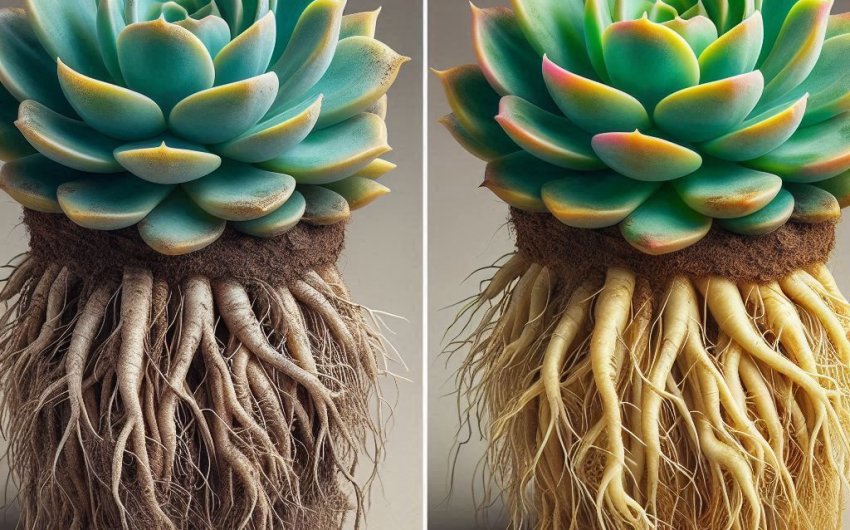
Succulents are beloved for their unique shapes, vibrant colors, and reputation for being easy to care for. They're often seen as plants that thrive on neglect, which is partly true. However, even these resilient plants have a weakness, and it often comes down to one common issue: root rot. This problem can quickly turn a happy, plump succulent into a sad, mushy mess.
Understanding root rot is key to preventing and treating it. It's usually a sign of too much moisture around the roots, leading to a lack of oxygen and the growth of harmful fungi and bacteria. For a succulent, which is designed to store water in its leaves and stems, sitting in wet soil is like drowning. The good news is that if you catch it early enough, you can often save your beloved plant.
This guide will walk you through everything you need to know about succulent root rot. We'll cover how to spot the signs, the common causes, and most importantly, step-by-step instructions on how to save a succulent that's suffering. With a little knowledge and timely action, you can help your succulents thrive for years to come.
What is root rot and why do succulents get it?
Root rot is a plant disease where the roots of a plant begin to decay and die. For succulents, this is almost always caused by too much moisture around their roots, which then leads to a lack of oxygen and the growth of harmful fungi and bacteria.
What actually happens during root rot?
Healthy roots need to breathe. They take in oxygen from tiny air pockets in the soil. When soil stays wet for too long, these air pockets fill up with water, cutting off the oxygen supply to the roots. Think of it like holding your breath for too long – eventually, you can't survive. The same happens to plant roots.
Once the roots are deprived of oxygen, they become weak and stressed. This makes them vulnerable to various fungi and bacteria that thrive in damp, airless conditions. These tiny organisms then attack the weakened roots, causing them to turn soft, brown, or black, and become mushy. As the roots rot, they can no longer take up water or nutrients effectively, even if the plant itself is thirsty. The rot can also spread upwards into the stem of the succulent, eventually killing the entire plant.
Why are succulents so prone to root rot?
Succulents are naturally adapted to arid (dry) environments. Their unique features, like thick, fleshy leaves and stems, are designed to store water for long periods between infrequent rainfalls. This means:
- They don't need much water: Compared to many other plants, succulents require very little water. Overwatering, even just a little too often, can quickly overwhelm their system.
- They prefer quick-draining soil: In their natural habitats, succulents grow in sandy or rocky soils where water drains away almost instantly. They are not used to sitting in damp conditions.
- Sensitive roots: Their root systems are often shallow or delicate, and they are particularly sensitive to prolonged moisture.
So, while overwatering is the direct cause, poor drainage is the biggest underlying reason why succulents get root rot. If water can't escape the pot quickly enough, or if the soil holds onto too much moisture, even proper watering can lead to problems.
Understanding this fundamental principle – that succulents hate wet feet – is the first step in preventing and addressing root rot.
What are the signs of root rot in succulents?
Spotting root rot early in your succulent can be tricky because the initial signs often look like other problems, like underwatering. However, if you know what to look for and consider the context (how often you water), you can usually tell the difference.
Early signs (above ground)
These are the first clues you might see, usually appearing on the leaves or stem.
- Mushy, translucent leaves: This is a classic sign. Instead of firm and plump, the leaves will feel soft, squishy, and may even look see-through or dark. They might drop off easily with a slight touch. This happens because the cells are bursting from too much water and decay.
- Yellowing leaves: While yellowing can be from other issues, if it's accompanied by mushiness, it's a strong indicator of overwatering and potential rot.
- Black spots or discoloration on leaves or stem: Dark, black, or brown spots appearing on the leaves or the stem of the succulent, especially near the soil line, are very bad signs. This often indicates that the rot has spread upwards.
- Soft, mushy stem: If the stem feels soft and squishy when you gently squeeze it, particularly at the base near the soil, the rot has definitely reached the stem. This is a critical stage.
- Foul odor: A strong, unpleasant, rotten smell coming from the soil or the plant itself is a sure sign of decay and fungal/bacterial growth.
- Stunted growth or wilting despite watering: This can be confusing. The plant looks thirsty or droopy, but watering it makes it worse. This is because the rotten roots can no longer take up water, no matter how much is available in the soil.
Later signs (below ground – often seen when unpotting)
To confirm root rot, you usually need to unpot the plant.
- Dark, mushy roots: Healthy succulent roots are typically white or light-colored and firm. Roots affected by root rot will be brown, black, or dark grey, and feel soft, slimy, or mushy when touched. They may even fall apart.
- No new root growth: You won't see healthy white new roots forming.
- Rot spreading up the stem: If you remove the plant from the soil, you might see the dark, rotting color extending from the roots up into the base of the stem.
It's important to differentiate between root rot and underwatering. An underwatered succulent will have wrinkled, shriveled, and dry leaves that feel papery, but they won't be mushy or discolored. If you see mushy, translucent leaves and the soil feels wet, it's almost certainly root rot. Act quickly if you suspect it!
What causes succulent root rot?
While overwatering is the direct cause of root rot in succulents, it's important to understand the specific factors that contribute to excess moisture around the roots. It's often a combination of these elements that leads to the problem.
1. Too frequent watering
This is the most common culprit. People often water succulents like they would other houseplants.
- No drying time: Succulents need their soil to dry out completely between waterings, sometimes for days or even weeks, depending on the environment and succulent type. If you water before the soil is dry, the roots never get a chance to breathe.
- Seasonal changes: Watering needs change with the seasons. Succulents need less water in cooler, darker winter months when they are dormant or growing slowly. Watering the same amount year-round can lead to overwatering in winter.
2. Poorly draining soil
Even if you water correctly, the wrong soil mix will lead to problems.
- Heavy, dense soil: Standard potting soil (especially peat-based mixes) retains too much moisture for succulents. It compacts easily, reducing airflow and staying wet for too long.
- Lack of gritty amendments: Succulent soil mixes should contain materials like perlite, pumice, coarse sand, or grit to improve drainage and aeration. Without these, the soil can become waterlogged. A good succulent mix like Bonsai Jack's Bonsai & Succulent Soil is designed for quick drainage.
3. Pots without drainage holes
This is a fundamental mistake that almost guarantees root rot for succulents.
- No escape for water: If a pot doesn't have a hole in the bottom, excess water has nowhere to go. It sits at the bottom of the pot, creating a perpetually wet environment for the roots.
- "Drainage layer" myth: Putting rocks or gravel at the bottom of a pot without a drainage hole does NOT help. It actually creates a perched water table, where water sits just above the gravel layer, keeping the soil above it saturated.
4. Too large a pot
The size of the pot matters.
- Excess soil: A very large pot for a small succulent means there's a lot of soil around the roots that will hold moisture. A small root system can't absorb all that water quickly, leading to prolonged wetness.
- Matching pot to plant size: Choose a pot that is only slightly larger than the succulent's root ball.
5. Lack of airflow and light
These environmental factors can also contribute.
- Humid environments: High humidity indoors can slow down the drying process of the soil.
- Poor air circulation: If plants are crowded together or in a stagnant room, the soil surface and roots don't dry out as quickly.
- Insufficient light: Succulents need plenty of bright light to thrive and utilize the water they take in. In low light, their metabolic processes slow down, and they use less water, making them more susceptible to overwatering.
Understanding these contributing factors is key to preventing root rot in the first place, not just treating it when it occurs.
How do you unpot a succulent to check for root rot?
Once you suspect root rot in your succulent, the very first step is to gently unpot it. This allows you to inspect the roots directly and confirm whether rot is present. It also helps you assess how severe the damage is.
Step-by-step unpotting process:
- Prepare your workspace: Lay down some old newspaper or a tarp to catch loose soil. Get a small trowel or a spoon if the plant is in a larger pot, or just your hands for smaller ones. You might also want some work gloves.
- Gently loosen the soil:
- For smaller pots: Turn the pot on its side or upside down. Gently tap the bottom and sides of the pot to loosen the soil and the plant's root ball. You might need to gently squeeze a plastic pot to help dislodge it.
- For larger pots: Use a small trowel or a stiff knife to carefully run around the inside edge of the pot, between the soil and the pot wall. This breaks any suction and helps loosen the root ball.
- Carefully slide the plant out:
- Support the succulent's base with one hand.
- With the other hand, gently slide the pot off the root ball. If it's stubborn, you might need to tap the pot more firmly or wiggle it gently. Avoid pulling the plant by its leaves or stem, as these can easily break off, especially if the plant is compromised.
- If the plant is really stuck, and it's a plastic pot, you might need to carefully cut the pot away. For ceramic or terracotta, you might need to sacrifice the pot, but only as a last resort.
- Observe the soil: As you unpot, notice the condition of the soil.
- Is it soaking wet and heavy?
- Does it smell foul or musty?
- Does it look dense and clumpy? These are all signs that the soil itself contributed to the problem.
Inspecting the roots:
Once the succulent is out of its pot, gently shake or brush away as much of the old soil as possible from the root ball. You can use your fingers or a soft brush. Don't worry about being too gentle here; you need to see the roots clearly.
Now, examine the roots:
- Healthy roots: Should be firm, usually white, tan, or light brown. They will smell earthy and fresh.
Rotten roots: Will appear brown, black, or dark grey. They will feel soft, slimy, or mushy to the touch and might disintegrate when you try to gently pull on them. They often have a foul, rotten odor.
Check the stem base: After inspecting the roots, carefully examine the base of the succulent's stem where it meets the roots. Look for any dark discoloration or mushiness extending up from the roots into the stem itself. This is a critical indicator of how far the rot has progressed. If the rot has traveled far up the stem, you'll need to take more drastic measures.
Once you've fully inspected the roots and assessed the extent of the rot, you're ready for the next crucial step: treating the affected areas.
How do you trim rotten roots and stems?
Once you've unpotted your succulent and identified the root rot, the next critical step is to trim away all the affected parts. This stops the spread of the decay and gives your plant a chance to recover. This process is often called "succulent surgery."
Essential tools for trimming:
- Sharp, sterile cutting tool: This is very important. You'll need a very sharp knife, a clean razor blade, or a pair of sharp, sterile pruning shears or scissors like Fiskars Micro-Tip Pruning Snips.
- Sterilize your tool: Before each cut, wipe the blade with rubbing alcohol (isopropyl alcohol) or a dilute bleach solution (1 part bleach to 9 parts water). This prevents spreading any remaining fungal or bacterial spores from the diseased plant to healthy tissue, or to other plants.
- Paper towels or newspaper: For placing the plant on and catching debris.
- Optional: Sulfur powder or cinnamon: These can act as natural antifungals and help the cut end callous. A small container of Garden Sulfur Dust can be handy.
Step-by-step trimming process:
- Remove all old soil: Gently brush or shake off all old soil from the roots. You want the roots to be completely bare so you can clearly see what you're doing. You can even gently rinse the roots under a very light stream of water to get them clean, but ensure they dry thoroughly before moving on.
- Identify healthy vs. rotten roots:
- Rotten roots: Dark brown, black, mushy, slimy, or crumbly. They might smell foul.
- Healthy roots: White, tan, or light brown, firm, and flexible.
- Trim away rotten roots: Using your sterile cutting tool, carefully cut away all the rotten, discolored roots. Cut back to healthy, firm root tissue. If a root is partially rotten, cut above the rotten section. Be thorough – any left-behind rotten tissue can continue to spread disease.
- Inspect the stem: This is the most crucial part. After cleaning the roots, examine the base of the stem where it meets the roots.
- If the stem is firm and white/green: If there's no discoloration or mushiness on the stem, and you've only removed roots, great! You might be done with trimming.
- If the stem is discolored (brown/black) or mushy: This means the rot has spread from the roots into the main stem. This is serious, but often still treatable.
- You need to cut the stem above the point of rot. Take your sterile knife or shears and make a clean cut across the stem.
- After the cut, inspect the cross-section of the stem. You should see a clean, healthy, usually white or light green interior.
- If you see any brown, black, or dark streaks in the center of the stem, the rot is still present. You must make another cut further up the stem. Keep cutting thin slices off the stem, moving upwards, until you see a completely clean, healthy cross-section. This means you have removed all traces of the disease.
- It might feel scary to cut off so much of your plant, but if you don't remove all the rot, the plant will not recover.
- Apply a preventative treatment (optional but recommended): Once you have a clean, healthy cut (whether it's just roots or the stem), you can dust the cut surfaces with sulfur powder or ground cinnamon. Both have natural antifungal properties that can help prevent new fungal growth and aid in the callousing process.
After trimming, your succulent will likely look much smaller and possibly have no roots at all if the rot was severe. This is okay! The next step is to allow the cuts to heal.
What is callousing and why is it important?
Callousing is a vital step after you've trimmed away the rotten parts of your succulent, especially if you've had to cut into the stem. It's the plant's natural healing process, forming a protective layer over the cut wound.
What is callousing?
When you cut a succulent (or many other plants), the exposed raw tissue is vulnerable. It's like an open wound on your skin. If you immediately put a freshly cut succulent stem or roots into moist soil, the open wound can easily absorb too much water, leading to new rot, or become infected by fungi and bacteria.
Callousing is the process where the plant forms a dry, hardened, protective scab over the cut surface. This "scab" seals off the wound, preventing excessive water loss and, more importantly, acting as a barrier against pathogens (fungi and bacteria) in the soil. It's a crucial step before the plant can safely absorb water again or begin to grow new roots.
Why is callousing important for root rot recovery?
- Prevents re-rotting: This is the main reason. By allowing the wound to dry and harden, you significantly reduce the risk of the rot returning when you eventually replant the succulent.
- Protects against infection: The callous acts as a physical barrier against disease-causing microorganisms in the soil.
- Prepares for new root growth: Once calloused, the plant is ready to put out new, healthy roots from the cut area. These new roots will be stronger and less susceptible to the initial stress of being replanted.
How do you properly callous a succulent?
- Find a dry, airy spot: After you've made your clean cuts (removing all rot), place the succulent in a dry location with good air circulation. A bright spot, but out of direct sunlight, is ideal. Direct sun can stress the already vulnerable plant or cause it to dry out too quickly and shrivel.
- Good spots include: on a shelf in a well-ventilated room, on a windowsill (not direct scorching sun), or even lightly propped up in an empty, clean pot.
- Do NOT water: During the callousing period, it's absolutely critical not to water the plant or place it in moist soil. The entire point is for the wound to dry out.
- Dust with sulfur/cinnamon (optional but recommended): As mentioned, dusting the cut end with a light layer of sulfur powder or ground cinnamon can aid the process by acting as an antifungal and potentially speeding up callous formation.
- Be patient: The callousing process can take anywhere from a few days to two weeks, or even longer for larger stems or in very humid environments.
- How to tell it's calloused: The cut surface should look and feel dry, firm, and almost like a piece of paper or a dried scab. It should not be soft, wet, or sticky.
Once the cuts are fully calloused, your succulent is ready for the next step: planting it in fresh, well-draining soil, giving it the best chance to grow new, healthy roots. This period of drying out might seem counter-intuitive for a plant that was recently suffering from "too much water," but it's a vital step in its recovery.
How do you replant a succulent after root rot?
After your succulent has been trimmed and its cuts have fully calloused, it's time for the crucial step of replanting. This is your chance to set it up for long-term success by providing the right environment.
Essential materials for replanting:
- Clean pot with drainage holes:
- Drainage is non-negotiable: Choose a pot that definitely has at least one drainage hole at the bottom. Terracotta pots are often preferred for succulents because they are porous and allow excess moisture to evaporate through their walls, which helps the soil dry out faster. If you must use a plastic or glazed ceramic pot, ensure it has good drainage holes.
- Right size: Choose a pot that is only slightly larger than your succulent's (now probably smaller) root ball or stem. A pot that's too big means more soil, which means more retained moisture.
- Cleanliness: Always use a clean pot. If reusing a pot, wash it thoroughly with soap and water, and consider a dilute bleach solution (1:9 bleach to water) to sterilize it, especially if it previously held a plant with root rot. Rinse thoroughly and let dry.
- Well-draining succulent/cactus potting mix:
- This is arguably the most important factor in preventing future root rot. Do NOT use regular potting soil straight from the bag.
- Look for a mix specifically formulated for succulents and cacti. These mixes typically contain a higher percentage of inorganic materials like perlite, pumice, coarse sand, or small gravel (e.g., Hoffman Organic Cactus and Succulent Soil Mix).
- You can also make your own by mixing regular potting soil with an equal part of a gritty amendment like perlite or pumice for improved drainage.
Step-by-step replanting process:
- Add soil to the new pot: Fill the clean pot partially with your fresh, well-draining succulent potting mix. Create a small depression in the center where you will place your succulent.
- Position the succulent:
- Carefully place your succulent onto the soil, making sure the calloused end (where the roots used to be or where you cut the stem) rests directly on the soil.
- If your succulent still has some healthy roots, spread them out gently.
- Hold the succulent steady with one hand.
- Add more soil around the base: Gently backfill the pot with more potting mix, carefully tucking it around the succulent's base and over any remaining roots.
- Make sure the soil level is just below the rim of the pot, leaving some space for watering.
- Do not bury any of the succulent's leaves; only the stem and roots (if present) should be in the soil.
- Do NOT water immediately: This is another crucial step! After replanting a calloused succulent, especially one that has lost its roots, do not water it for at least a week to two weeks.
- The plant needs time to settle in and, if it was trimmed down to a bare stem, it needs to start forming new roots (a process called "rooting"). Watering too soon before roots have formed or settled will just lead to the same root rot problem again.
- The slight stress of being dry will actually encourage the succulent to push out new roots in search of moisture.
- Place in bright, indirect light: After replanting, place the pot in a location that receives bright, indirect light. Avoid direct, intense sunlight initially, as the plant is vulnerable and recovering. A spot with good air circulation is also beneficial.
The waiting period before the first watering can be the hardest part, but it's essential for your succulent's recovery and new growth. Be patient, and soon you should start to see signs of revival.
How do you care for a recovering succulent and prevent future root rot?
Once you've successfully unpotted, trimmed, calloused, and replanted your succulent, the next crucial phase is its recovery care and, more importantly, implementing practices to prevent future root rot. Consistency in proper care is key to keeping your succulent healthy for years to come.
Watering during recovery and going forward
This is the most critical aspect of succulent care.
- First watering (after callousing and replanting): As mentioned, wait at least 1-2 weeks (or even longer if the stem was severely cut and needs to root) after replanting before the first watering. When you do water, water thoroughly until you see water draining from the bottom of the pot.
- "Soak and Dry" Method: This is the golden rule for succulents.
- Water thoroughly: When it's time to water, drench the soil until water freely drains from the bottom. This ensures all the roots get moisture.
- Let it dry completely: Allow the soil to dry out completely between waterings. Don't water again until the soil is bone dry. You can check by sticking your finger about 1-2 inches deep into the soil. For larger pots, a moisture meter can be helpful. The exact time will vary based on your environment, pot size, and succulent type. It could be weekly, bi-weekly, or even monthly.
- When in doubt, wait: It's always better to underwater a succulent than to overwater. Succulents can tolerate drought much better than soggy conditions.
- Seasonal Adjustments: Adjust your watering schedule based on the season.
- Growing season (Spring/Summer): Most succulents are actively growing and need more frequent watering.
- Dormant season (Fall/Winter): Growth slows down significantly, and they need much less water. Water very sparingly, often only once a month or even less, if at all.
Light requirements
- Bright, indirect light during recovery: After replanting, keep the succulent in bright, indirect light for a week or two as it settles.
- Full sun for established succulents: Once recovered and showing signs of new growth, gradually introduce your succulent to its ideal light conditions. Most succulents thrive in bright, direct sunlight for at least 6 hours a day. Good light helps them grow compact and encourages vibrant colors, and also helps the soil dry out.
Proper potting mix and pot
- Always use well-draining soil: Reiterate using a specific succulent/cactus mix. This is crucial for long-term prevention.
- Pot with drainage holes: Never use a pot without drainage. Period.
- Terracotta is your friend: Its porosity helps wick away excess moisture, promoting faster drying.
Air circulation
- Good airflow: Ensure your succulents have good air circulation around them. Avoid placing them in cramped, stagnant corners. Proper air circulation helps the soil surface dry out faster and prevents humid conditions that can foster fungal growth.
Fertilizing (sparingly)
- Not during recovery: Do not fertilize a succulent that is recovering from root rot. It needs to focus its energy on rooting and healing.
- For established plants: Once fully recovered and actively growing, you can fertilize very sparingly during their growing season (Spring/Summer) with a diluted succulent or general-purpose fertilizer. Less is more.
Regular inspection
- Be vigilant: Periodically check your succulents for early signs of distress. Catching problems early makes them much easier to fix. Look at the leaves, feel the stem, and check the soil.
By following these care guidelines, you'll be giving your revived succulent the best chance to thrive and drastically reduce the risk of future root rot issues, ensuring a long and happy life for your beautiful plant.