
Boll Weevils: The Cotton Crop Destroyers
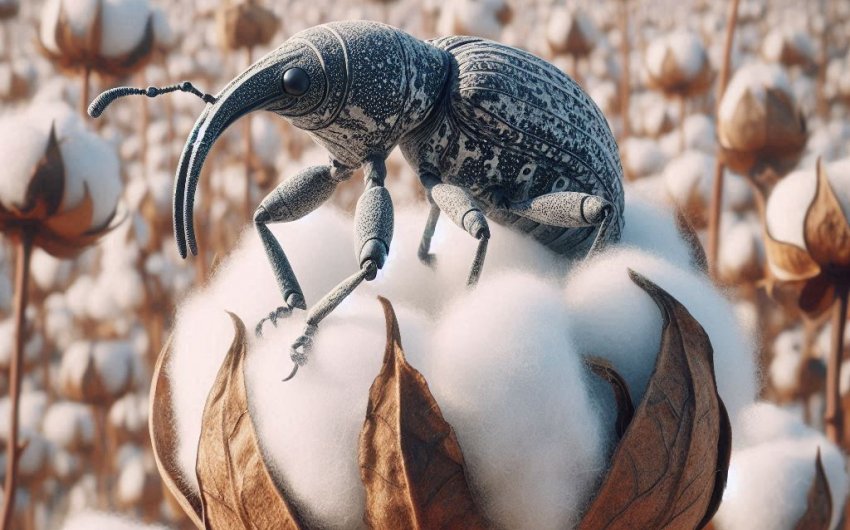
When it comes to pests that have wreaked havoc on agriculture, few have had as devastating an impact as the boll weevil (Anthonomus grandis). This small beetle, which feeds on cotton buds and flowers, has been responsible for billions of dollars in losses to the cotton industry since its arrival in the United States in the late 19th century. For cotton farmers, the boll weevil represents a persistent threat, one that requires a deep understanding of its biology, lifecycle, and control methods to prevent widespread crop damage.
In this blog, we will dive into the details of the boll weevil—its lifecycle, the damage it causes, and the most effective ways to control and prevent infestations. Whether you’re a cotton farmer or simply interested in agriculture, learning about the boll weevil and how to defend against it is crucial for the protection of cotton crops.
What Are Boll Weevils?
The boll weevil is a small, grayish-brown beetle that measures about 6 millimeters long. It has a distinctive long snout, known as a proboscis, which it uses to pierce the buds and bolls of the cotton plant. Native to Central Mexico, the boll weevil began spreading to the southern United States in the 1890s, where it quickly became a major pest for cotton farmers.
One of the reasons boll weevils are so destructive is their feeding and reproductive behavior. Adult boll weevils lay their eggs inside the cotton bolls, and when the larvae hatch, they feed on the developing cotton fibers. This not only damages the cotton but also prevents the boll from maturing, significantly reducing the yield of the crop.
Protect your cotton fields with effective boll weevil traps to monitor and manage infestations.
The Life Cycle of Boll Weevils
Understanding the life cycle of boll weevils is key to controlling their populations. Like many insects, boll weevils go through four main stages: egg, larva, pupa, and adult. Each stage presents an opportunity to target and manage these pests before they cause significant damage.
1. Egg Stage
Adult female boll weevils lay their eggs inside the squares (flower buds) or bolls (developing fruit) of the cotton plant. The female drills a small hole using her snout and deposits a single egg within. Each female can lay up to 200 eggs over her lifetime, making it easy for populations to grow rapidly.
The eggs hatch within 3 to 5 days, depending on the environmental conditions. Because the eggs are laid inside the cotton plant, they are well protected from predators and environmental factors, which makes early detection and control difficult.
2. Larval Stage
Once the eggs hatch, the larvae begin feeding on the inside of the cotton boll or square. This is the most damaging stage of the boll weevil life cycle. The larvae are cream-colored, legless grubs that consume the cotton fibers and the seeds inside the boll. Over the course of about 7 to 10 days, the larvae go through several molts as they grow and continue feeding.
During this time, the developing cotton fibers are destroyed, and the boll will often drop from the plant before it fully matures. This results in a direct loss of both yield and fiber quality for the cotton crop.
3. Pupal Stage
After the larvae have finished feeding, they enter the pupal stage. The pupae form inside the damaged boll or square, and this stage lasts about 5 to 7 days. During pupation, the boll weevil undergoes metamorphosis, transforming from a larva into an adult beetle. Once the transformation is complete, the adult emerges from the cotton boll and begins feeding on the plant’s buds, preparing to reproduce and continue the cycle.
4. Adult Stage
Adult boll weevils emerge from the cotton plant and continue to feed on the buds and bolls of the cotton. They are capable of flying long distances in search of new cotton fields, making it easy for infestations to spread. Adult boll weevils can live for several months, and in warmer climates, they can produce multiple generations in a single growing season.
Use insect lifecycle monitors to track boll weevil development and optimize pest control efforts.
Damage Caused by Boll Weevils
The economic impact of boll weevil infestations can be devastating for cotton farmers. The pest not only reduces yields but also lowers the quality of the cotton produced. Below are some of the most common signs of boll weevil damage in cotton crops.
1. Cotton Boll and Square Damage
The primary damage caused by boll weevils is to the bolls and squares of the cotton plant. As the weevil larvae feed inside the cotton boll, they destroy the developing cotton fibers, which leads to reduced yields. Damaged bolls may also fall off the plant prematurely, further reducing the harvest.
In addition to larval feeding, adult boll weevils feed on the buds and bolls, causing them to develop abnormally or drop from the plant. The feeding punctures left by adult weevils also provide entry points for diseases, which can further harm the crop.
2. Boll Drop
One of the most significant signs of a boll weevil infestation is boll drop—when young cotton bolls fall from the plant before they fully mature. This happens because the larvae feeding inside the boll weaken the structure, causing it to detach from the plant. When bolls drop early, they fail to produce cotton fibers, leading to direct losses in yield.
3. Reduced Cotton Quality
Even when the cotton bolls survive the boll weevil infestation, the quality of the cotton fibers can be severely diminished. The larvae feeding on the fibers inside the bolls can leave behind damaged, incomplete fibers, which lowers the overall quality of the cotton. This can make the cotton less valuable, reducing profits for farmers.
Monitor your cotton crop for signs of damage with effective crop health monitoring tools to detect pest issues early.
Methods to Control Boll Weevils
Controlling boll weevil populations requires an integrated approach that combines cultural practices, biological control, and chemical treatments. Below are the most effective methods for managing boll weevils in cotton fields.
1. Crop Rotation
One of the most effective ways to reduce boll weevil populations is through crop rotation. Since boll weevils are highly dependent on cotton plants for their lifecycle, rotating out of cotton for a season can starve the pest and reduce its numbers. By planting non-host crops like corn or soybeans, you can disrupt the boll weevil life cycle and help prevent future infestations.
Plan your crop rotations with a reliable crop rotation planner to improve pest control and soil health.
2. Early Planting
Planting cotton early in the season can help reduce boll weevil damage. By planting early, you allow the cotton plants to mature before boll weevil populations reach their peak in mid-summer. Early-maturing cotton varieties are less likely to be damaged by late-season boll weevil infestations, which can help increase yields.
3. Biological Control
Several natural enemies of the boll weevil can be used to help control its population. Predators such as ants, spiders, and ladybugs feed on boll weevil larvae, helping to keep their numbers in check. Additionally, parasitic wasps like Bracon mellitor lay their eggs inside boll weevil larvae, killing them before they can cause significant damage.
Encouraging these beneficial insects in your cotton fields can provide natural pest control and reduce the need for chemical treatments.
Attract beneficial insects to your cotton fields for natural pest management.
4. Boll Weevil Traps
Boll weevil traps are an essential tool for monitoring and controlling weevil populations. These traps use pheromones to attract adult weevils, capturing them before they can reproduce. By placing traps around the perimeter of your cotton fields, you can monitor boll weevil activity and take action before infestations become severe.
Trapping can be particularly useful during the early and late stages of the growing season, when boll weevils are most active. Regular monitoring with traps allows farmers to target infestations more accurately and avoid unnecessary pesticide applications.
Set up effective boll weevil traps to monitor and reduce pest populations in your cotton fields.
5. Chemical Control
In cases of severe infestation, chemical treatments may be necessary to control boll weevils. Insecticides that target adult weevils and larvae can be applied to the cotton fields during key periods of the growing season. However, it’s important to rotate insecticides to prevent the development of resistance in boll weevil populations.
Commonly used insecticides for boll weevil control include pyrethroids, organophosphates, and neonicotinoids. These chemicals can be applied as foliar sprays or soil treatments, depending on the stage of the infestation.
Apply pyrethroid insecticides to control boll weevils in your cotton crops.
6. The Boll Weevil Eradication Program
The Boll Weevil Eradication Program is one of the most successful pest management initiatives in agricultural history. Launched in the United States in the 1970s, the program has significantly reduced boll weevil populations through a combination of insecticide applications, crop monitoring, and the release of sterile weevils to disrupt reproduction.
Today, the program continues to be a key part of boll weevil management, with many regions considered "weevil-free" thanks to its efforts. Farmers participating in the program benefit from reduced boll weevil pressure and increased yields.
Preventing Future Boll Weevil Infestations
While it’s impossible to completely eliminate the risk of boll weevil infestations, there are several steps farmers can take to reduce the likelihood of future outbreaks. Preventive measures such as crop rotation, early planting, and maintaining clean fields can help minimize boll weevil pressure. Additionally, participating in regional eradication programs and using pheromone traps for early detection can keep infestations under control.
1. Clean Field Management
Maintaining a clean field by removing cotton debris and plant residues at the end of the growing season can help prevent boll weevils from overwintering in your fields. By plowing under or removing crop debris, you reduce the number of weevils that survive the winter and emerge to attack the next season’s crop.
Keep your fields clean with efficient field management tools to reduce pest overwintering.
2. Plant Resistant Varieties
Planting boll weevil-resistant cotton varieties can provide another layer of protection against infestations. Some modern cotton varieties are bred to be more resistant to pest damage, reducing the likelihood of significant yield losses. These varieties may have thicker bolls or other traits that make it more difficult for boll weevils to lay eggs and for larvae to feed.
Consider planting pest-resistant cotton seeds to safeguard your crops against boll weevil damage.
3. Early Harvesting
Harvesting cotton early, before boll weevil populations reach their peak, can reduce the amount of damage they cause. By picking cotton bolls before the pests have a chance to fully mature, you can minimize the impact on your yield and fiber quality.
Use high-quality cotton harvesting equipment to efficiently harvest crops and avoid pest damage.
4. Trap Crops
Trap crops are plants that are more attractive to boll weevils than your main cotton crop. By planting trap crops around the perimeter of your cotton fields, you can lure boll weevils away from your valuable cotton and target them more easily with insecticides or traps.
Use trap crop seeds to divert pests from your cotton fields and improve pest management.