
Cabbage Loopers: The Caterpillar Challenge
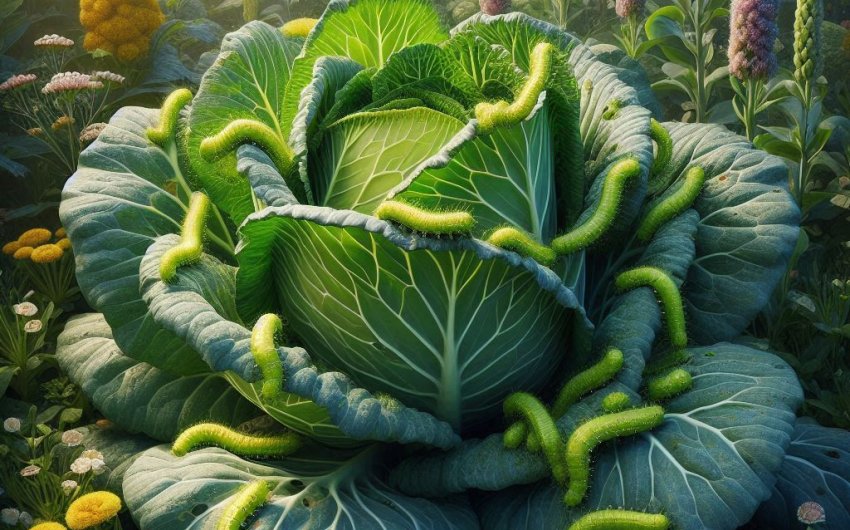
When it comes to gardening, particularly for those growing cabbage, broccoli, kale, and other brassicas, one of the most persistent and damaging pests is the cabbage looper (Trichoplusia ni). This small, green caterpillar may appear harmless at first, but its voracious appetite can leave a trail of destruction in your vegetable garden. If left unchecked, cabbage loopers can cause significant damage to crops, leading to reduced yields and unhealthy plants.
In this detailed guide, we’ll cover everything you need to know about cabbage loopers—how to identify them, understand their life cycle, recognize the damage they cause, and most importantly, explore effective methods to control and prevent infestations.
What Are Cabbage Loopers?
Cabbage loopers are the larval stage of a moth in the Noctuidae family. Named for the looping motion they make when they crawl, these caterpillars are a common pest of brassicas, including cabbage, collards, cauliflower, Brussels sprouts, and other leafy greens. They are called loopers because of their distinctive crawling behavior, where they arch their bodies in a loop-like fashion.
Adult cabbage looper moths are grayish-brown with a small silver or white mark in the middle of their wings. They are nocturnal and lay eggs on the undersides of leaves. The larvae, which are bright green and can grow up to 1.5 inches long, are the ones responsible for the damage to plants.
These caterpillars are a major problem for both home gardeners and commercial growers, as their feeding can quickly turn healthy crops into skeletonized, defoliated remnants. Knowing how to identify cabbage loopers early is critical for preventing widespread damage in your garden.
Find effective cabbage looper traps to monitor and capture these pests before they harm your crops.
Advertisement
Life Cycle of Cabbage Loopers
To effectively manage cabbage loopers, it's important to understand their life cycle. Like many insects, cabbage loopers go through four stages: egg, larva, pupa, and adult.
1. Eggs
Female cabbage looper moths lay clusters of pale green, dome-shaped eggs on the undersides of leaves. These eggs are tiny, making them difficult to spot without close inspection. Depending on the temperature, the eggs hatch within 3 to 5 days, releasing the larvae.
2. Larvae
Once the eggs hatch, the cabbage looper larvae emerge and begin feeding immediately. These larvae are light green with white stripes along their sides. As they grow, they molt several times, becoming larger and more destructive. The larval stage lasts about 2 to 4 weeks, during which the caterpillars can cause significant damage to plants by feeding on the leaves.
3. Pupae
After the larval stage, cabbage loopers form cocoons, usually attached to the underside of a leaf or plant debris. Inside the cocoon, they enter the pupal stage, which lasts around 10 to 14 days. During this time, the caterpillar transforms into an adult moth.
4. Adults
The adult cabbage looper moth emerges from the cocoon and begins the cycle again. Adult moths are nocturnal and are most active at dusk and dawn, feeding on nectar and laying eggs on host plants. They can produce multiple generations per year, especially in warmer climates.
Track the development of pests with helpful insect lifecycle monitors to time your control methods effectively.
Identifying Cabbage Looper Damage
Cabbage looper damage is relatively easy to spot if you know what to look for. Because these pests are leaf feeders, their presence can quickly affect the overall health of the plant. Below are the most common signs of cabbage looper activity in your garden:
1. Ragged Holes in Leaves
The most obvious sign of a cabbage looper infestation is the presence of irregular, ragged holes in the leaves of your plants. These holes are often large and can expand as the caterpillars feed. Unlike other pests that may leave more symmetrical holes, cabbage looper feeding creates a messy, jagged appearance.
2. Skeletonized Leaves
In severe infestations, cabbage loopers can consume entire sections of a leaf, leaving behind only the veins. This is known as skeletonization. A skeletonized leaf is unable to photosynthesize properly, which weakens the plant and reduces its ability to grow and produce fruit or vegetables.
3. Presence of Frass
Another telltale sign of cabbage looper activity is the presence of frass, or caterpillar droppings. Frass appears as small, dark green or black pellets on the leaves and stems of the plant. The presence of frass is often the first indication of an infestation before you even see the caterpillars themselves.
4. Chewed Vegetables
In addition to attacking leaves, cabbage loopers may also feed on the heads of cabbages, cauliflower, and other vegetables, leaving behind unsightly holes and scars. This can lead to cosmetic damage, making the vegetables less marketable or edible.
Monitor your crops for signs of pest damage with a reliable garden inspection tool to catch infestations early.
Natural Methods to Control Cabbage Loopers
For many gardeners, using natural methods to control cabbage loopers is preferable to chemical pesticides, especially when growing edible crops. Fortunately, several organic solutions can effectively manage cabbage looper infestations without harming beneficial insects or the environment.
1. Handpicking
For small infestations, handpicking the caterpillars off your plants can be an effective way to reduce their numbers. Check your plants daily for cabbage loopers, especially in the early morning or late evening when they are more likely to be feeding. Wear gloves and drop the caterpillars into a bucket of soapy water to kill them.
Use sturdy garden gloves for safe and efficient cabbage looper removal.
2. Neem Oil
Neem oil is a natural insecticide derived from the seeds of the neem tree. It works by disrupting the feeding and growth cycles of insects like cabbage loopers. Spray neem oil directly on the leaves and caterpillars, focusing on the undersides of the leaves where the pests are likely to hide. For best results, apply neem oil early in the morning or late in the evening to avoid harming beneficial insects.
Control pests with organic neem oil for a natural alternative to chemical insecticides.
3. Bacillus thuringiensis (Bt)
Bacillus thuringiensis (commonly referred to as Bt) is a naturally occurring soil bacterium that produces proteins toxic to many caterpillar species, including cabbage loopers. When the caterpillars ingest Bt, it paralyzes their digestive system, causing them to stop feeding and die. Bt is safe for use around humans, pets, and beneficial insects, making it an excellent choice for organic gardening.
Apply Bacillus thuringiensis (Bt) to control cabbage loopers and other caterpillars effectively.
4. Row Covers
Using floating row covers is one of the best preventive measures against cabbage loopers and other flying pests. These lightweight covers act as a physical barrier, preventing moths from laying eggs on your plants. Be sure to remove the covers once your plants begin to flower to allow for proper pollination.
Shield your crops with durable floating row covers to keep pests out.
5. Beneficial Insects
Encouraging beneficial insects in your garden can help control cabbage looper populations naturally. Predators such as ladybugs, lacewings, and parasitic wasps feed on cabbage looper larvae, keeping their numbers in check. You can attract these beneficial insects by planting nectar-rich flowers like dill, fennel, and alyssum.
Attract helpful beneficial insects to naturally control cabbage loopers.
Chemical Control for Cabbage Loopers
In cases where natural methods are not enough to control an infestation, chemical control may be necessary. However, it’s important to choose products that are labeled for cabbage looper control and safe for use on edible plants.
1. Spinosad
Spinosad is a naturally derived insecticide that is highly effective against caterpillars like cabbage loopers. It works by targeting the nervous system of the insects, causing them to stop feeding and die. Spinosad can be applied as a foliar spray and is safe for use on vegetables, fruits, and ornamentals.
Use Spinosad insecticide to protect your garden from cabbage looper damage.
2. Insecticidal Soap
Insecticidal soap is an effective treatment for soft-bodied insects, including cabbage looper larvae. It works by breaking down the outer layers of the insect, causing them to dehydrate and die. Insecticidal soap is safe for use on organic crops and can be applied directly to the pests.
Apply insecticidal soap for a non-toxic solution to cabbage looper control.
3. Pyrethrin-Based Insecticides
Pyrethrin is a natural insecticide derived from the flowers of chrysanthemums. It works by attacking the nervous systems of insects, leading to paralysis and death. Pyrethrin-based sprays are highly effective against cabbage loopers and can be applied directly to infested plants.
Apply pyrethrin insecticides for fast-acting cabbage looper control.
4. Systemic Insecticides
Systemic insecticides are absorbed by the plant and kill insects that feed on it. These insecticides are particularly useful for larger infestations where direct contact sprays may not reach all the pests. However, systemic insecticides should be used with caution, as they can persist in the environment and may affect beneficial insects.
Use systemic insecticides to protect your crops from cabbage loopers.
Preventing Future Cabbage Looper Infestations
The best way to protect your garden from cabbage loopers is to take preventive measures before an infestation occurs. By practicing good garden hygiene and implementing effective pest management strategies, you can reduce the risk of future infestations.
1. Rotate Crops
Crop rotation is an effective way to prevent cabbage loopers from becoming a recurring problem in your garden. Avoid planting brassicas in the same location year after year, as this can encourage pest populations to build up. Rotating your crops each season disrupts the cabbage looper life cycle and helps maintain healthy soil.
Plan your crop rotations with a helpful garden planner to reduce pest pressure and improve soil health.
2. Remove Plant Debris
At the end of the growing season, be sure to clean up any plant debris, as cabbage looper pupae can overwinter in dead leaves and plant matter. Removing debris and turning over the soil can help reduce the number of overwintering pests.
Keep your garden tidy with reliable garden rakes to remove plant debris and minimize pest habitats.
3. Use Mulch
Adding a layer of mulch around your plants can help deter cabbage looper moths from laying eggs on the soil surface. Mulch also helps retain moisture, regulate soil temperature, and suppress weeds, creating a healthier growing environment for your plants.
Protect your plants with high-quality mulch to reduce pest activity and improve soil health.
4. Companion Planting
Companion planting can help repel cabbage loopers and other pests. Certain plants, such as dill, thyme, sage, and marigolds, are known to deter cabbage looper moths from laying eggs on nearby crops. Incorporating these plants into your garden can create a more pest-resistant environment.
Start companion planting with dill seeds to naturally repel cabbage loopers and enhance your garden.