
Bonsai Tree Care for Beginners: Everything You Need to Know
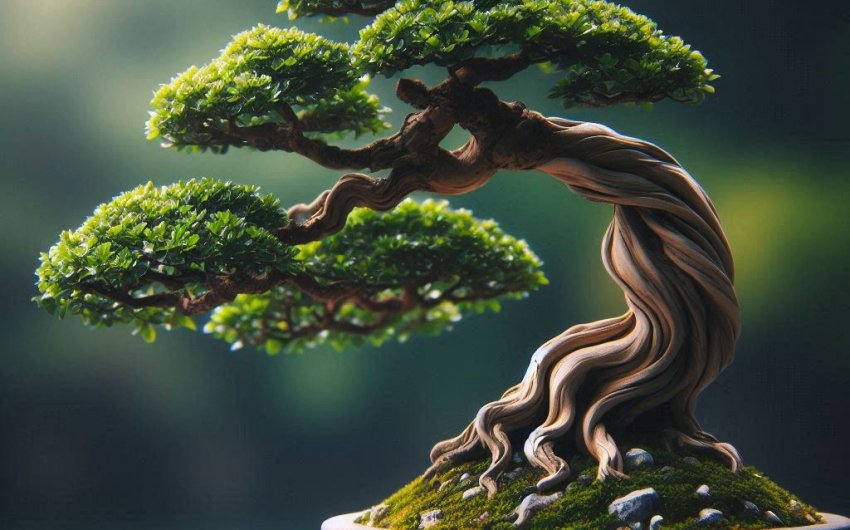
Caring for bonsai trees might seem like a mystical art, but with the right knowledge, anyone can master it. This comprehensive guide will show you how to care for bonsai trees, transforming a potentially intimidating task into a rewarding hobby. We'll cover everything from watering to pruning, ensuring your miniature tree flourishes.
What is a Bonsai Tree?
A bonsai tree isn't a specific type of tree. Instead, "bonsai" refers to the Japanese art of cultivating miniature trees in containers. This art form involves specific techniques like pruning, root reduction, potting, defoliation, and grafting to produce small trees that mimic the shape and scale of mature, full-sized trees. It’s a living art form, constantly evolving with proper care.
Why are Bonsai Trees So Popular?
Bonsai trees have captivated people for centuries due to their unique beauty and the peacefulness they inspire.
- Aesthetic Appeal: They bring the majesty of nature into a small space.
- Therapeutic Hobby: The act of caring for a bonsai is often described as calming and meditative.
- Symbolism: Many cultures associate bonsai with harmony, balance, and patience.
- Unique Gift: A well-cared-for bonsai makes a thoughtful and enduring present.
What Are the Different Types of Bonsai Trees?
Bonsai can be created from many different tree species. The choice often depends on your climate and the amount of care you're willing to give.
Outdoor Bonsai Species
These trees need to experience the changing seasons and thrive outdoors.
- Juniper Bonsai: Known for their evergreen foliage and rugged appearance, junipers are popular choices for beginners. They are quite hardy.
- Maple Bonsai: Japanese maples offer stunning autumn colors and intricate branch structures. They require more specific care.
- Pine Bonsai: These classic bonsai trees evoke ancient landscapes. They need specific pruning techniques.
- Ficus Bonsai: While many ficus varieties are tropical and prefer indoors, some, like the Fig Tree Bonsai, can be grown outdoors in warmer climates and brought inside during cold spells.
Indoor Bonsai Species
These trees are better suited for indoor environments, though they still benefit from outdoor time in warm weather.
- Ficus Bonsai: Varieties like the Ginseng Ficus Bonsai are very forgiving and popular for beginners. They tolerate lower light and humidity.
- Chinese Elm Bonsai: Adaptable and hardy, Chinese elms are excellent for indoor cultivation. They grow relatively fast.
- Jade Bonsai: A succulent, the jade plant makes a very easy-to-care-for "bonsai" that tolerates neglect.
- Carmona Bonsai (Fukien Tea Tree): Known for its small, glossy leaves and delicate white flowers, it thrives in warm, humid conditions.
How Do You Choose the Right Bonsai Tree for Beginners?
Choosing your first bonsai is exciting! Look for species known for their hardiness and forgiving nature.
- Consider Your Environment: If you live in an apartment with no outdoor space, an indoor species is best.
- Start Simple: Avoid complex species that require advanced techniques.
- Research: Read up on the specific needs of different trees before you buy.
- Local Nursery: A local nursery specializing in bonsai can offer personalized advice and healthy trees.
Good starter trees include the Ficus, Juniper, and Chinese Elm. These are more resilient to common beginner mistakes.
How Do You Water a Bonsai Tree Correctly?
Watering is perhaps the most crucial aspect of how to care for bonsai trees. Too much or too little water can quickly lead to problems.
When to Water
- Feel the Soil: The best indicator is to feel the top inch of the soil. If it feels slightly dry, it's time to water.
- Check Drainage Holes: Water should drain quickly from the bottom of the pot.
- Frequency Varies: Factors like tree species, pot size, soil type, and climate all influence how often you need to water. Some trees might need daily watering in hot weather, while others only every few days.
How to Water
- Water Thoroughly: Use a watering can with a fine rose Watering Can for Bonsai to gently water the entire surface of the soil.
- Water Until Drainage: Continue watering until water runs freely from the drainage holes at the bottom of the pot.
- Repeat if Needed: For very dry soil, water, wait 10-15 minutes for the soil to absorb, and then water again.
- Avoid Dry Spots: Make sure all parts of the soil are moistened.
Tips for Proper Watering
- Use Room Temperature Water: Cold water can shock the roots.
- Consider a Humidity Tray: For indoor bonsai, a humidity tray Bonsai Humidity Tray filled with pebbles and water can help increase humidity around the tree. Ensure the pot doesn't sit directly in the water.
- Don't Rely on a Schedule: Always check the soil moisture rather than sticking to a fixed watering schedule.
What Kind of Light Does a Bonsai Tree Need?
Light is vital for photosynthesis and overall tree health. The amount and type of light needed vary by species.
Outdoor Bonsai Light Requirements
Most outdoor bonsai thrive in full sun for at least part of the day, ideally 4-6 hours.
- Morning Sun: Generally preferred as it's less intense than afternoon sun.
- Partial Shade: Some species, especially those with delicate leaves, may benefit from protection from intense afternoon sun during peak summer.
Indoor Bonsai Light Requirements
Indoor bonsai need a very bright spot, typically near a south-facing window.
- Direct Sunlight: Aim for as much direct sunlight as possible, usually at least 4-6 hours daily.
- Rotate Regularly: Turn your bonsai every week or so to ensure all sides get adequate light.
- Grow Lights: If natural light is insufficient, a dedicated LED Grow Light for Indoor Plants LED Grow Light for Bonsai can provide the necessary spectrum.
How Do You Fertilize a Bonsai Tree?
Fertilizing provides essential nutrients for growth and health. It's a critical part of how to care for bonsai trees.
When to Fertilize
- Growing Season: Fertilize primarily during the active growing season (spring through fall).
- Reduce in Winter: Reduce or stop fertilizing during the dormant winter months.
- After Repotting: Wait about 4-6 weeks after repotting before fertilizing to avoid shocking the roots.
Types of Fertilizer
Bonsai-specific fertilizers are available, but general liquid or slow-release fertilizers can work.
- Balanced Fertilizer: A balanced fertilizer (e.g., NPK 10-10-10 or 20-20-20) is good for general growth.
- Higher Nitrogen: In spring, you might use a fertilizer with slightly higher nitrogen for foliage growth.
- Lower Nitrogen/Higher Phosphorus & Potassium: In late summer/early fall, a fertilizer with lower nitrogen and higher phosphorus/potassium can help prepare the tree for dormancy and strengthen roots.
How to Fertilize
- Dilute Liquid Fertilizers: Always dilute liquid fertilizers to half or quarter strength, especially for young or newly repotted trees.
- Follow Instructions: Read the product label carefully for specific dilution and application rates.
- Apply to Moist Soil: Never fertilize a dry tree; water thoroughly first.
- Organic Fertilizers: Some growers prefer organic fertilizers, which release nutrients slowly and improve soil health.
- Slow-Release Pellets: These are convenient and release nutrients over time.
How Do You Prune a Bonsai Tree?
Pruning is fundamental to maintaining the shape and size of your bonsai. It's a continuous process that encourages new growth and refines the tree's form.
Types of Pruning
- Maintenance Pruning (Pinching and Trimming):
- Pinching: Removing new growth tips to encourage back-budding and finer branching. This is done frequently during the growing season.
- Trimming: Cutting back branches to maintain the tree's overall shape and size. Use sharp Bonsai Shears Bonsai Shears for clean cuts.
- Structural Pruning (Heavy Pruning):
- Removing larger branches to establish the basic silhouette of the tree. This is usually done during dormancy or early spring before new growth emerges.
- Use Concave Cutters for Bonsai Bonsai Concave Cutters to make cuts that heal flat against the trunk, minimizing scarring.
When to Prune
- Growing Season: Maintenance pruning is done throughout the growing season.
- Dormancy: Heavy structural pruning is often done in late winter or early spring when the tree is dormant.
- Species Specific: Always check the specific pruning needs of your bonsai species.
General Pruning Tips
- Remove Unwanted Growth: Cut off any branches that are crossing, growing downwards, growing straight up, or are too thick.
- Balance Growth: Prune more vigorously on strong-growing areas and less on weaker areas to encourage balanced development.
- Consider the Future: Think about the long-term shape you want for your tree.
- Clean Tools: Always use clean, sharp tools to prevent disease.
- Wound Paste: For larger cuts, apply a Bonsai Wound Paste Bonsai Wound Paste to aid healing and prevent infection.
How Do You Wire a Bonsai Tree?
Wiring is a technique used to gently bend and shape branches and the trunk into desired positions. It’s a temporary measure until the branch holds its new form.
When to Wire
- Actively Growing: Wiring is best done when the tree is actively growing, making branches more flexible.
- Dormancy for Deciduous: For deciduous trees, wiring can sometimes be done in dormancy when there are no leaves to obstruct the process.
How to Wire
- Choose the Right Wire: Use Anodized Aluminum Bonsai Wire Bonsai Aluminum Wire or copper wire. The wire should be strong enough to hold the branch but not so thick it damages the bark. A good rule of thumb is that the wire should be about one-third the thickness of the branch you are wiring.
- Wrap Properly: Wrap the wire around the branch at a 45-degree angle, ensuring it’s snug but not too tight. Start from the base of the branch and work outwards.
- Bend Slowly: Gently bend the branch into the desired position. Don't force it, as branches can snap.
- Monitor Regularly: Check the wire every few weeks to ensure it's not cutting into the bark as the tree grows.
- Remove Timely: Remove the wire once the branch holds its new shape, typically after a few months to a year. Cut the wire carefully with Bonsai Wire Cutters Bonsai Wire Cutters, don't unwrap it, to avoid damaging the bark.
Wiring Best Practices
- Avoid Crossing Wires: Do not cross wires, as this can impede sap flow.
- Protect Bark: For delicate bark, you can wrap the wire with paper or raffia.
- Practice Patience: Wiring takes practice. Start with thicker, less important branches.
How Do You Repot a Bonsai Tree?
Repotting is essential for refreshing the soil, trimming roots, and ensuring healthy growth. This is another key element in how to care for bonsai trees.
Why Repot?
- Root Bound: As roots grow, they can fill the pot, becoming root-bound and hindering nutrient and water uptake.
- Soil Degradation: Bonsai soil breaks down over time, losing its aeration and drainage properties.
- Nutrient Depletion: Soil nutrients become depleted.
When to Repot
- Frequency: Younger, fast-growing trees may need repotting every 1-2 years. Older, slower-growing trees might only need it every 3-5 years.
- Signs of Needing Repotting: Roots growing out of drainage holes, water sitting on the surface of the soil, or the tree becoming less vigorous.
- Timing: The best time for repotting is usually in early spring, just before the new growth flush. This allows the tree to recover quickly.
How to Repot
- Prepare the Tree: Water the tree thoroughly a day before repotting.
- Remove from Pot: Gently remove the tree from its pot. You may need to use a Bonsai Root Hook Bonsai Root Hook to loosen the roots.
- Untangle and Trim Roots: Carefully untangle the outer roots and trim about one-third to one-half of the root mass. Remove any circling or damaged roots.
- Prepare the Pot: Clean the pot and ensure drainage holes are covered with mesh Bonsai Drainage Mesh to prevent soil from washing out.
- Add New Soil: Place a layer of fresh Bonsai Soil Mix Bonsai Soil Mix in the pot. Good bonsai soil is typically a gritty, well-draining mixture of akadama, pumice, and lava rock.
- Position the Tree: Place the tree in the pot, adjusting its position for the best aesthetic.
- Fill with Soil: Carefully fill around the roots with new soil, using a Bonsai Soil Scoop Bonsai Soil Scoop or chopsticks to work the soil into all crevices.
- Water Thoroughly: Water the tree immediately after repotting until water drains clearly.
- Post-Repotting Care: Keep the tree in a shaded, protected location for a few weeks after repotting to allow it to recover. Avoid fertilizing during this period.
What Are Common Bonsai Pests and Diseases?
Even with the best care, bonsai trees can occasionally encounter pests and diseases. Early detection is key.
Common Pests
- Aphids: Small, soft-bodied insects that cluster on new growth. They cause distorted leaves.
- Spider Mites: Tiny arachnids that cause fine webbing and stippling on leaves. They thrive in dry conditions.
- Mealybugs: White, cottony masses found on stems and leaves. They suck sap, weakening the tree.
- Scale Insects: Small, motionless bumps on stems and leaves. They secrete a sticky honeydew.
Common Diseases
- Powdery Mildew: White, powdery patches on leaves, often due to poor air circulation.
- Root Rot: Caused by overwatering or poor drainage, leading to mushy, decaying roots.
- Fungal Infections: Can manifest as spots on leaves or cankers on branches.
Prevention and Treatment
- Regular Inspection: Check your bonsai daily for any signs of pests or disease.
- Good Air Circulation: Ensure your tree has adequate airflow, especially indoors.
- Proper Watering: Avoid overwatering, which is a common cause of root rot.
- Quarantine New Trees: Isolate new bonsai for a few weeks to ensure they aren't carrying pests.
- Organic Solutions: For mild infestations, try neem oil spray Neem Oil for Plants or insecticidal soap.
- Chemical Treatment: For severe infestations, a targeted insecticide may be necessary. Always use according to instructions.
- Fungicides: For fungal issues, a suitable fungicide may be required.
How Do You Protect Bonsai Trees in Winter?
Winter care is crucial for outdoor bonsai, while indoor bonsai need continued attention to light and humidity.
Outdoor Bonsai Winter Care
- Dormancy: Outdoor bonsai need a period of cold to enter dormancy.
- Protection from Extreme Cold: While they need cold, extreme freezing and thawing cycles can be damaging.
- Methods of Protection:
- Unheated Garage/Shed: A great option for keeping trees dormant but protected from harsh winds and extreme temperatures.
- Mulching: Burying the pot in mulch, leaves, or sawdust in a protected spot in the garden.
- Cold Frame: A mini-greenhouse that provides insulation.
- Grouping: Placing trees close together can offer some mutual protection.
- Watering in Winter: Water sparingly when the soil surface is dry, only on days above freezing. Don't let the soil completely dry out.
Indoor Bonsai Winter Care
- Humidity: Indoor heating can drastically reduce humidity. Use a humidity tray, mist regularly, or use a small humidifier Bonsai Humidifier.
- Light: Ensure they still receive adequate light. Supplemental grow lights may be needed.
- Avoid Drafts: Keep them away from cold drafts from windows or doors.
- Reduced Watering/Fertilizing: Most indoor bonsai will still grow, but at a slower rate. Adjust watering and reduce or stop fertilizing during shorter daylight hours.
What Are Some Common Bonsai Styling Techniques?
Beyond the basic care, styling is where the artistic aspect of bonsai truly shines.
- Formal Upright (Chokkan): Straight, upright trunk tapering to the top.
- Informal Upright (Moyogi): Trunk curves gently but remains upright. This is a very naturalistic style.
- Slanting (Shakan): Trunk leans strongly to one side, suggesting wind or difficult conditions.
- Cascade (Kengai): Trunk descends below the rim of the pot, mimicking trees growing on cliffs.
- Semi-Cascade (Han-Kengai): Trunk descends slightly below the pot rim but then turns upward.
- Forest (Yose-ue): Multiple trees planted in a single pot to create a forest scene.
- Root-Over-Rock (Sekijoju): Roots are trained to grow over a rock before entering the soil.
These styles are achieved through careful pruning, wiring, and choice of pot.
Essential Tools for Bonsai Care
Having the right tools makes how to care for bonsai trees much easier and more effective.
- Bonsai Shears: For precise pruning of small branches and leaves.
- Concave Cutters: For making cuts that heal flush with the trunk.
- Wire Cutters: Essential for safely removing bonsai wire without damaging the tree.
- Root Hook: For untangling roots during repotting.
- Watering Can with Fine Rose: For gentle, even watering.
- Bonsai Potting Tool Kit Bonsai Tool Kit: Often includes many of these essential items.
- Bonsai Soil Mix: Specific mixes designed for optimal drainage and aeration.
- Bonsai Wire: Anodized aluminum or copper wire for shaping branches.
- Humidity Tray: To increase ambient humidity for indoor trees.
Frequently Asked Questions About Bonsai Care
How long do bonsai trees live?
With proper care, bonsai trees can live for hundreds, even thousands of years. They are truly living heirlooms. Some famous bonsai in Japan are over 800 years old. Their longevity is a testament to consistent and attentive care.
Can I grow a bonsai from a regular seed or seedling?
Yes! Many bonsai enthusiasts start their trees from regular seeds or seedlings. This is a very rewarding but slow process. It allows you to shape the tree from its very beginning. It requires immense patience but offers a deep understanding of tree growth.
Why are my bonsai leaves turning yellow?
Yellow leaves can indicate several issues:
- Overwatering: The most common cause, leading to root rot.
- Underwatering: Extreme dryness can also cause leaves to yellow and drop.
- Nutrient Deficiency: Lack of essential nutrients, often solved by proper fertilizing.
- Insufficient Light: Not enough light can weaken the tree.
- Pests: Some pests, like spider mites, can cause yellowing.
Careful observation is needed to diagnose the specific problem.
Do bonsai trees need direct sunlight?
Most bonsai species need a significant amount of direct sunlight, typically 4-6 hours daily, to thrive. Indoor bonsai require the brightest possible location. Insufficient light leads to weak growth and pale leaves.
How often should I mist my indoor bonsai?
Misting can help increase humidity, especially for tropical indoor bonsai. However, it's not a substitute for proper watering. Mist daily or multiple times a day if your indoor environment is very dry. Using a humidity tray is often more effective for long-term humidity.
Can I use regular potting soil for bonsai?
No, regular potting soil is not suitable for bonsai. It retains too much water, leading to root rot, and lacks the aeration roots need. Bonsai soil mixes are specifically formulated with components like akadama, pumice, and lava rock to ensure excellent drainage and aeration, which are crucial for the health of a bonsai in a shallow pot.
What is defoliation in bonsai?
Defoliation is the process of removing all or most of a bonsai's leaves during the growing season. This encourages a new flush of smaller leaves, leading to finer ramification and a denser canopy. It should only be done on healthy, strong trees and at the right time of year for the specific species. It's an advanced technique, generally not recommended for beginners.
Learning how to care for bonsai trees is a journey of patience, observation, and connection with nature. By following these guidelines, you'll be well on your way to cultivating a thriving, beautiful miniature tree that brings peace and beauty to your space.