
Top Indoor Plants That Thrive in Low Light Conditions
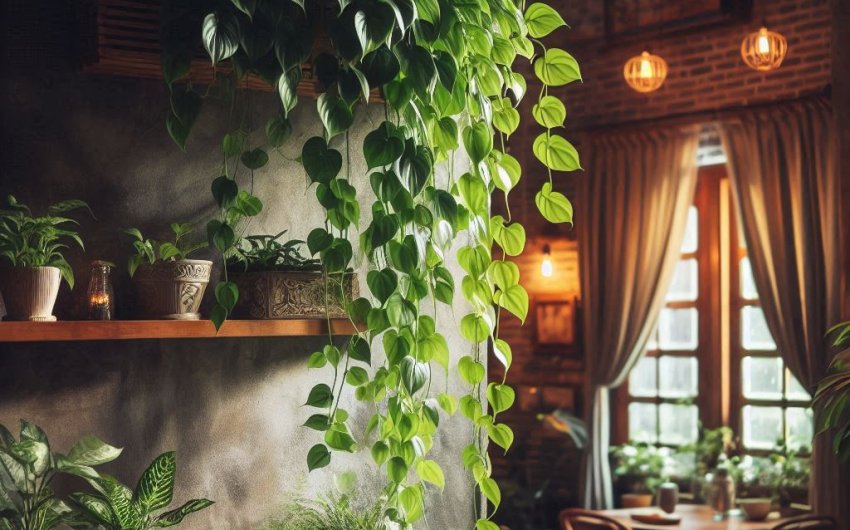
Dreaming of a lush, green home but worried about dimly lit corners? You're in luck! This guide explores indoor plants that thrive in low light, proving that even the shadiest spots can burst with life. Forget sacrificing greenery just because your apartment lacks sunny windows. We'll show you how to pick the perfect plant companions for every dimly lit nook.
What Does "Low Light" Really Mean for Plants?
When we talk about "low light" for indoor plants, it's not about total darkness. Plants still need some light to survive, even if it's just a little.
- Bright Indirect Light: This is usually near a window but out of direct sunbeams. It's often ideal for most indoor plants.
- Medium Light: A bit further from a window, or in a room with an east-facing window.
- Low Light: This means a room with only north-facing windows, or a spot several feet away from any window. It could also be a room with only artificial light during the day. Think of a shadowed corner or an office cubicle.
Plants in low light grow slower and may need less water. Their leaves might also become darker green to absorb more light.
Why Choose Low-Light Indoor Plants?
There are many great reasons to fill your home with indoor plants that thrive in low light.
- Versatile Placement: You can place them almost anywhere – hallways, bathrooms, basements, or rooms with small windows.
- Beginner-Friendly: Many low-light plants are incredibly forgiving, making them perfect for new plant parents.
- Air Purification: Plants naturally improve indoor air quality by absorbing toxins. Even in low light, they contribute to a healthier home.
- Aesthetic Appeal: They add a touch of nature and vibrancy, transforming dull spaces into inviting sanctuaries.
- Reduced Stress: Studies show that being around plants can lower stress levels and boost mood.
What Are the Best Low-Light Indoor Plants?
Here’s a detailed look at some of the most resilient and beautiful indoor plants that thrive in low light.
1. Snake Plant (Sansevieria trifasciata)
Often called "Mother-in-Law's Tongue," the Snake Plant is almost indestructible. Its stiff, upright leaves come in various shades of green, often with yellow or white edges.
- Why it Thrives in Low Light: It's incredibly adaptable and can tolerate very low light conditions, making it ideal for bedrooms or offices. It also thrives in bright light, showcasing its versatility.
- Watering Needs: Infrequent. Let the soil dry out completely between waterings. Overwatering is the biggest killer.
- Growth Habit: Upright, sword-like leaves that can reach several feet tall. Some varieties stay smaller.
- Bonus: Excellent at purifying air by removing toxins like formaldehyde and benzene.
2. ZZ Plant (Zamioculcas zamiifolia)
The ZZ Plant is known for its waxy, deep green leaves that emerge on thick, upright stems. It looks elegant and modern.
- Why it Thrives in Low Light: This plant is famous for its extreme drought tolerance and ability to handle very low light levels, almost bordering on darkness. It stores water in its rhizomes (underground stems).
- Watering Needs: Very infrequent. Water only when the soil is completely dry, which might be every 2-4 weeks or even longer.
- Growth Habit: Slow-growing, upright stems with glossy, oval leaves. Can reach 2-3 feet tall.
- Bonus: Extremely low maintenance and practically impossible to kill from neglect.
3. Pothos (Epipremnum aureum)
The Pothos is a vining plant with heart-shaped leaves that come in various variegations (patterns of different colors). "Golden Pothos" is the most common.
- Why it Thrives in Low Light: Pothos is incredibly adaptable to different light conditions, tolerating low light well, though its variegation might become less pronounced in shadier spots.
- Watering Needs: Water when the top inch or two of soil feels dry. It can tolerate some drying out.
- Growth Habit: Trailing or vining, perfect for hanging baskets or shelves where it can cascade.
- Bonus: Easy to propagate from cuttings, making it simple to create more plants or share with friends.
4. Peace Lily (Spathiphyllum)
The Peace Lily is cherished for its elegant white "flowers" (which are actually modified leaves called spathes) and lush dark green foliage.
- Why it Thrives in Low Light: It naturally grows on the forest floor, so it's accustomed to filtered, low light conditions. It will even droop dramatically when thirsty, giving a clear signal.
- Watering Needs: Keep the soil consistently moist but not soggy. It recovers well from wilting.
- Growth Habit: Bushy, clumping growth, reaching 1-3 feet tall.
- Bonus: An excellent air purifier, very effective at removing indoor air pollutants.
5. Spider Plant (Chlorophytum comosum)
Spider Plants are famous for their arching, variegated leaves and for producing "spiderettes" or baby plants that dangle from the mother plant.
- Why it Thrives in Low Light: While they prefer brighter indirect light, spider plants are surprisingly tolerant of lower light conditions, though they might produce fewer "babies."
- Watering Needs: Keep the soil consistently moist but not waterlogged. They are sensitive to fluoride in tap water.
- Growth Habit: Cascading, ideal for hanging baskets.
- Bonus: Extremely easy to propagate from the spiderettes, making it a gift that keeps on giving.
6. Cast Iron Plant (Aspidistra elatior)
True to its name, the Cast Iron Plant is one of the toughest and most resilient indoor plants that thrive in low light, tolerating neglect and very poor conditions.
- Why it Thrives in Low Light: It's specifically known for its ability to survive in very dark rooms and can even handle some dust and temperature fluctuations.
- Watering Needs: Water sparingly, allowing the soil to dry out almost completely between waterings.
- Growth Habit: Slow-growing, upright, deep green leaves.
- Bonus: Perfect for those who travel frequently or have a "black thumb."
7. Lucky Bamboo (Dracaena sanderiana)
Often seen in modern or feng shui arrangements, Lucky Bamboo is actually a type of Dracaena, not a true bamboo.
- Why it Thrives in Low Light: It can grow well in low light, often directly in water with pebbles, which adds to its low-maintenance appeal.
- Watering Needs: If in water, keep the water level consistent and change it weekly. If in soil, keep the soil lightly moist.
- Growth Habit: Upright, stalk-like stems that can be trained into various shapes.
- Bonus: Believed to bring good luck and prosperity.
8. Chinese Evergreen (Aglaonema)
Chinese Evergreens come in a stunning array of foliage colors, from deep green to silver, pink, and red patterns.
- Why it Thrives in Low Light: They are very forgiving and adaptable to various light conditions, including low light. The more colorful varieties might need a bit more light to maintain their vibrant hues.
- Watering Needs: Keep the soil consistently moist, but allow the top inch to dry out before watering again.
- Growth Habit: Bushy, upright growth, perfect for tabletops or floor plants depending on size.
- Bonus: Known for their air-purifying qualities and vibrant foliage.
9. Parlor Palm (Chamaedorea elegans)
The Parlor Palm is a classic indoor plant known for its delicate, arching fronds, giving any room a tropical feel.
- Why it Thrives in Low Light: It naturally grows under the canopy of larger trees in rainforests, making it well-suited for lower light conditions indoors.
- Watering Needs: Water when the top inch of soil feels dry. Avoid soggy soil.
- Growth Habit: Slow-growing, upright palm reaching several feet tall, perfect for adding height.
- Bonus: Non-toxic to pets, making it a great choice for homes with furry friends.
10. Syngonium (Arrowhead Plant)
The Syngonium, or Arrowhead Plant, has distinctive arrow-shaped leaves that change as the plant matures. They come in various shades of green, pink, and white.
- Why it Thrives in Low Light: While they prefer medium light, Syngoniums can adapt to lower light conditions, though their growth may slow and variegation lessen.
- Watering Needs: Keep the soil consistently moist but not waterlogged. Allow the top soil to dry slightly between waterings.
- Growth Habit: Can be bushy when young, then develops a vining habit suitable for hanging or climbing.
- Bonus: Easy to prune to maintain a bushier shape.
11. Dumb Cane (Dieffenbachia)
Dumb Cane plants feature large, striking leaves, often variegated with cream, yellow, or white patterns.
- Why it Thrives in Low Light: They tolerate low to medium light very well. Too much direct sun can scorch their leaves.
- Watering Needs: Keep the soil consistently moist but never soggy. Allow the top inch to dry out.
- Growth Habit: Upright, bushy plant with large, lush leaves.
- Caution: The sap is irritating and can cause temporary swelling if ingested, hence the name "Dumb Cane." Keep away from pets and children.
12. Prayer Plant (Maranta leuconeura)
The Prayer Plant is named for its unique habit of folding its leaves upwards at night, resembling praying hands, and lowering them again in the morning. Its leaves have beautiful patterns and colors.
- Why it Thrives in Low Light: It prefers indirect, low light, as direct sun can scorch its delicate leaves and fade its vibrant patterns.
- Watering Needs: Keep the soil consistently moist, using filtered or distilled water if possible, as it's sensitive to hard water. High humidity is appreciated.
- Growth Habit: Low-growing, spreading habit, ideal for tabletops or hanging baskets.
- Bonus: Its leaf movement is fascinating to watch.
13. Heartleaf Philodendron (Philodendron hederaceum)
The Heartleaf Philodendron is a classic for a reason. Its glossy, heart-shaped leaves trail beautifully.
- Why it Thrives in Low Light: This robust plant is very tolerant of low light and can adapt to various conditions, making it an excellent choice for beginners.
- Watering Needs: Allow the top few inches of soil to dry out between waterings. It's quite forgiving of occasional neglect.
- Growth Habit: Vining, perfect for hanging baskets or letting it trail down furniture.
- Bonus: Very easy to propagate from stem cuttings in water.
How Do You Care for Low-Light Indoor Plants?
Even though they're tough, low-light plants still need some basic care to flourish.
Watering Tips for Low-Light Plants
- Less is More: Plants in low light use less water because photosynthesis is slower. Overwatering is the number one killer.
- Feel the Soil: Always check the soil moisture with your finger before watering. Stick your finger 1-2 inches into the soil.
- Drainage is Key: Ensure your pot has drainage holes. A Ceramic Plant Pot with Drainage Hole is essential. Never let a plant sit in standing water.
- Water Thoroughly: When you do water, water until it drains from the bottom. Discard any excess water.
- Frequency Varies: Depending on the plant and your home's humidity, you might water every 1-4 weeks.
Fertilizing Low-Light Plants
- Less is Also More: Low-light plants grow slower, so they need less fertilizer than their sun-loving cousins.
- Growing Season Only: Fertilize only during the active growing season (spring and summer).
- Diluted Strength: Use a balanced liquid fertilizer Indoor Plant Fertilizer at half or quarter strength.
- Frequency: Fertilize every 2-4 months during the growing season, or even less frequently.
Potting Mix and Repotting
- Well-Draining Soil: Use a good quality indoor potting mix Indoor Potting Mix that drains well. You can add perlite Perlite for Plants or coarse sand to improve drainage if needed.
- Repotting Frequency: Low-light plants typically grow slower, so they won't need repotting as often. Repot only when the plant is root-bound (roots are circling the pot) or the soil is depleted, usually every 1-3 years.
- Choose a Slightly Larger Pot: When repotting, only go up one pot size. Too large a pot can hold too much moisture, leading to root rot.
Humidity and Temperature
- Average Room Conditions: Most low-light indoor plants are quite happy with average room temperatures (65-80°F or 18-27°C).
- Humidity: While many tolerate average household humidity, some, like the Prayer Plant and Peace Lily, appreciate higher humidity.
- Mist lightly: Use a spray bottle Plant Mister Spray Bottle around the foliage.
- Pebble Tray: Place the pot on a tray filled with pebbles and water. Make sure the bottom of the pot doesn't sit in the water.
- Humidifier: For very dry environments, a small room humidifier Room Humidifier for Plants can make a big difference.
Pruning and Cleaning
- Pruning: Trim off any yellowing, brown, or leggy stems to encourage bushier growth and maintain shape. Use sharp, clean pruning shears Pruning Shears for Houseplants.
- Dusting: Dust accumulates on leaves and can block light absorption. Gently wipe leaves with a damp cloth every few weeks. This also helps pests stay away.
Can Low-Light Plants Live in No Natural Light?
While some indoor plants that thrive in low light are remarkably tolerant, truly no natural light is challenging for most. Plants still need some energy source to survive.
- Artificial Light: If a room has no windows, you'll need to provide artificial light. A simple LED grow light Small LED Grow Light for Indoor Plants can make a huge difference. Even a regular LED bulb used for 8-12 hours a day can support some low-light plants.
- Rotation: You could also rotate plants from a low-light area to a brighter spot for a few days every week or two to give them a boost.
What Are the Signs of Too Little Light?
Even plants known to love low light can show distress if they're not getting enough.
- Leggy Growth: Stems become long and stretched out with sparse leaves, as the plant reaches for light.
- Pale or Yellowing Leaves: Especially on older leaves, can indicate a lack of energy.
- Loss of Variegation: Patterned leaves may revert to solid green.
- No New Growth: Growth slows down significantly or stops entirely.
- Small Leaves: New leaves are much smaller than older ones.
- Sudden Leaf Drop: While this can be from overwatering, it can also happen if light conditions are too dark.
If you see these signs, try moving your plant to a slightly brighter location.
Common Mistakes to Avoid with Low-Light Indoor Plants
- Overwatering: This is by far the most common mistake. In low light, soil stays wet longer, making roots susceptible to rot.
- Assuming No Light: Remember, "low light" doesn't mean "no light." All plants need some light for photosynthesis.
- Forgetting to Dust: Dust on leaves reduces the plant's ability to absorb what little light is available.
- Repotting Too Often: Low-light plants grow slower and don't get root-bound as quickly.
- Ignoring Pest Checks: Even tough plants can get pests. Regular inspection helps catch issues early.
- Using the Wrong Soil: Dense, heavy soil can suffocate roots in low-light, high-moisture conditions.
Decorating with Low-Light Indoor Plants
Indoor plants that thrive in low light are perfect for adding life to challenging spaces.
- Bathroom Oasis: Peace Lilies and Chinese Evergreens love the humidity of bathrooms.
- Bedroom Retreat: Snake Plants and ZZ Plants are great for bedrooms because they release oxygen at night.
- Hallway Harmony: Cast Iron Plants or Parlor Palms can brighten up long, dimly lit hallways.
- Office Companions: Pothos and Spider Plants are excellent desk buddies for cubicles.
- Shelf Stylers: Pothos and Heartleaf Philodendrons are perfect for trailing from shelves or bookcases.
- Floor Fillers: Larger Snake Plants, ZZ Plants, or a Parlor Palm can fill empty corners.
- Terrariums and Cloches: Some smaller low-light plants, especially those needing higher humidity, can thrive in a decorative Glass Terrarium Glass Terrarium for Plants or under a glass cloche.
Consider grouping plants with similar light and watering needs together. This can also create a mini-microclimate with slightly higher humidity.
Getting Started: Where to Buy Low-Light Plants
- Local Nurseries: Often have a good selection and knowledgeable staff who can offer advice.
- Garden Centers: Larger stores like Home Depot or Lowe's typically carry popular varieties.
- Online Retailers: Many specialized online plant shops ship healthy plants directly to your door. Look for reputable sellers with good reviews. Consider buying starter plants Low Light Plant Starter Kit to begin your collection.
When buying, look for healthy plants with vibrant leaves, no yellowing or brown spots, and no signs of pests. Check the soil to ensure it's not soggy.
Long-Term Health for Your Low-Light Greenery
While these plants are resilient, long-term health depends on consistent, appropriate care.
- Listen to Your Plants: Plants communicate! Drooping, yellowing, or browning leaves are all signals. Learning to interpret these signs is key to success.
- Regular Checks: Make it a habit to look closely at your plants every time you water them. Check both the top and underside of leaves for pests.
- Seasonal Adjustments: Even low-light plants will experience some seasonal changes. They might grow slower in winter and need even less water. In spring, they'll appreciate a little more attention and possibly a diluted dose of fertilizer.
- Don't Overreact: If a plant looks a little off, don't change everything at once. Make one adjustment (e.g., reduce watering or move to a slightly brighter spot) and observe its response for a few days before making another change.
- Embrace the Process: Plant care is a continuous learning process. Enjoy the journey of bringing nature indoors.
It’s truly amazing how many indoor plants that thrive in low light exist, allowing anyone to transform their living space into a green oasis, no matter how little natural light they have. With the right choices and a little care, your home can be filled with beautiful, thriving greenery.