
Best Practices for Garden Irrigation: A Complete Guide
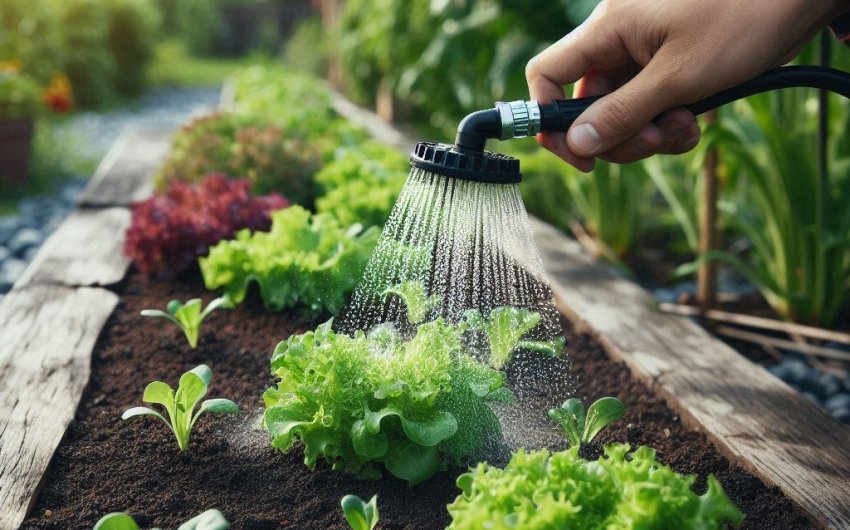
Proper garden irrigation is the cornerstone of a thriving garden. Whether you're growing vegetables, flowers, or herbs, delivering water efficiently and effectively makes all the difference. This guide will walk you through the best practices for garden irrigation, helping you conserve water, reduce disease, and ensure your plants get exactly what they need to flourish. Let's dig in and make your watering routine smarter, not harder.
Why is Smart Garden Irrigation So Important?
Many gardeners underestimate the importance of proper watering. It's not just about getting water to the plants; it's about getting the right amount of water to the right place at the right time.
- Plant Health: Consistent, deep watering promotes strong root growth, making plants more resilient to drought and stress.
- Disease Prevention: Overwatering or wetting foliage can create conditions ripe for fungal diseases and pests.
- Water Conservation: Efficient irrigation systems minimize waste, saving you money and conserving a precious resource.
- Nutrient Absorption: Water is essential for plants to absorb nutrients from the soil.
- Time Savings: Automated systems free up your time for other gardening tasks.
- Weed Control: Targeted watering discourages weed growth in areas where water isn't needed.
What Are the Different Methods of Garden Irrigation?
Choosing the right irrigation method is the first step in applying the best practices for garden irrigation. Each method has its pros and cons, suiting different garden sizes, plant types, and budgets.
1. Manual Watering (Hose and Watering Can)
This is the simplest and often most common method for small gardens or containers.
- Pros:
- Low Initial Cost: Requires only a hose, nozzle, or watering can.
- Direct Control: You can precisely target individual plants.
- Therapeutic: Many find hand watering relaxing and a good way to inspect plants.
- Cons:
- Time-Consuming: Can take a lot of time for larger gardens.
- Inefficient: Often leads to overspray and uneven watering.
- Risk of Disease: Can wet foliage, increasing the risk of fungal issues.
- Inconsistent: Relies on human consistency, which can vary.
Tips for Manual Watering:
- Use a Soaker Hose Nozzle Garden Hose Nozzle Sprayer or a watering can Watering Can for Garden to deliver water directly to the soil surface.
- Water at the Base: Aim for the plant's root zone, not the leaves.
- Water Slowly: Allow water to soak in rather than run off.
2. Soaker Hoses
Soaker hoses are porous hoses that slowly release water along their entire length, directly into the soil.
- Pros:
- Water-Efficient: Delivers water directly to the root zone with minimal evaporation.
- Prevents Disease: Keeps foliage dry.
- Easy to Install: Simply lay them out along plant rows.
- Affordable: Relatively inexpensive for the efficiency they provide.
- Cons:
- Visibility: Can be unsightly unless covered with mulch.
- Durability: Can degrade over time, especially if left in direct sun.
- Clogging: Can get clogged with sediment if water isn't filtered.
How to Use Soaker Hoses:
- Lay in Rows: Place the soaker hose Soaker Hose for Garden along the base of your plants or weave it around individual plants.
- Cover with Mulch: A layer of mulch helps protect the hose and further reduces evaporation.
- Test Flow: Run the water to ensure an even drip along the entire length.
- Consider a Timer: Connect to a simple hose timer Hose Timer for Garden for automated watering.
3. Drip Irrigation Systems
Drip irrigation is a network of small tubes and emitters that deliver water drop by drop directly to the plant's root zone.
- Pros:
- Highly Efficient: Very little water is lost to evaporation or runoff.
- Targeted Watering: Delivers water precisely where needed.
- Disease Prevention: Keeps foliage dry.
- Automated: Can be easily automated with a timer.
- Versatile: Adaptable to various garden layouts, including raised beds and containers.
- Cons:
- Higher Initial Cost: More expensive than soaker hoses or manual watering.
- Installation Time: Requires more planning and installation effort.
- Clogging: Emitters can clog, requiring periodic cleaning or replacement.
- Monitoring: Requires regular checks to ensure all emitters are working.
Components of a Drip System:
- Mainline Tubing: Larger diameter tube connected to the water source.
- Smaller Drip Tubing: Branches off the mainline to reach individual plants.
- Emitters: Small devices that control the water flow (e.g., 0.5 GPH, 1 GPH).
- Fittings: Connectors, elbows, tees.
- Pressure Reducer: Essential to regulate water pressure.
- Filter: Prevents clogging of emitters.
- Timer/Controller: Automates watering schedules.
You can find complete Drip Irrigation Kits Drip Irrigation Kit for Gardens that include many of these components.
4. Sprinklers (Overhead Irrigation)
Sprinklers distribute water over a wide area, simulating rainfall.
- Pros:
- Covers Large Areas: Ideal for lawns or broad garden beds.
- Simple Setup: Many are plug-and-play.
- Cons:
- Inefficient: High evaporation loss, especially in sunny or windy conditions.
- Wets Foliage: Increases risk of fungal diseases.
- Uneven Distribution: Can lead to overwatering in some areas and underwatering in others.
- Water Waste: Often waters paths and areas where plants aren't growing.
When to Use Sprinklers:
- Best for lawns or groundcovers where overhead watering isn't a major issue for plant health.
- Use early in the morning to allow foliage to dry before nightfall.
- Consider pulse sprinklers Pulse Sprinkler for Garden that operate for short bursts to allow for better absorption.
How Do You Determine When and How Much to Water?
This is where the art and science of best practices for garden irrigation truly come together. It’s not a one-size-fits-all answer.
1. Know Your Soil Type
Soil composition greatly affects water retention and drainage.
- Sandy Soil: Drains quickly, needs more frequent, lighter watering.
- Clay Soil: Retains water well, needs less frequent, deeper watering. Overwatering can lead to root rot.
- Loamy Soil: A balanced mix, ideal for most plants, with good drainage and water retention.
To check your soil, grab a handful. If it crumbles easily, it's likely sandy. If it forms a tight ball, it's clay. If it forms a ball but breaks apart with gentle pressure, it's loam.
2. Understand Your Plants' Needs
Different plants have different thirst levels.
- Vegetables: Most vegetables, especially fruiting ones like tomatoes, peppers, and squash, are heavy water drinkers.
- Herbs: Many herbs (e.g., rosemary, thyme, lavender) prefer drier conditions.
- Drought-Tolerant Plants: Some ornamentals are naturally adapted to less water.
Research the specific water needs of what you're growing.
3. Observe the Weather
Weather conditions play a huge role.
- Hot, Sunny, Windy Days: Increase evaporation, requiring more frequent watering.
- Cool, Cloudy Days: Reduce evaporation, requiring less water.
- Rainfall: Always check rain gauges Rain Gauge for Garden to see if natural precipitation has met your plants' needs. Don't water just because it rained; check the soil depth.
4. Check Soil Moisture Deeply
The surface might look dry, but the soil deeper down could still be moist.
- Finger Test: Stick your finger about 2-3 inches into the soil. If it feels dry at that depth, it's time to water.
- Moisture Meter: A simple Soil Moisture Meter Soil Moisture Meter for Plants can give a more accurate reading. Insert it into the root zone.
- Observation: Wilting leaves are a sign of thirst, but waiting until plants wilt regularly stresses them.
5. Water Deeply and Infrequently
This is a golden rule for many plants.
- Deep Watering: Encourages roots to grow deeper, making the plant more resilient and less susceptible to surface drying. Aim for water to penetrate 6-12 inches deep, depending on the plant.
- Infrequent Watering: Reduces the frequency of watering while ensuring the plant gets enough moisture for a longer period.
Why deep watering? Shallow watering encourages shallow root systems, making plants reliant on frequent surface watering and more vulnerable to drought.
6. Water in the Morning
- Optimal Time: The best time to water is in the early morning.
- Reduces evaporation losses compared to midday watering.
- Allows foliage to dry completely before nightfall, minimizing disease risk.
- Avoid Evening Watering: Watering in the evening leaves foliage wet overnight, creating a perfect environment for fungal diseases.
- Avoid Midday Watering: Too much water evaporates before it can reach the roots.
How Can You Automate and Optimize Your Garden Irrigation?
Automation takes the guesswork out of watering and ensures consistent application of the best practices for garden irrigation.
1. Smart Controllers and Timers
- Hose Timers: Simple devices that connect to your outdoor faucet and turn water on/off based on a set schedule. Great for soaker hoses or small drip systems. You can find mechanical or digital ones Outdoor Hose Timer.
- Smart Irrigation Controllers: More advanced systems that can connect to weather forecasts, soil moisture sensors Smart Soil Moisture Sensor, and even be controlled via smartphone apps. They adjust watering schedules automatically based on real-time conditions. Popular brands include Rachio Smart Sprinkler Controller Rachio Smart Sprinkler Controller or Hunter Hydrawise Hunter Hydrawise Smart Controller.
- Rain Sensors: These integrate with irrigation systems to temporarily halt watering cycles when rain is detected, preventing overwatering and waste.
2. Rainwater Harvesting
Collecting rainwater is an excellent way to supplement your garden's water needs and reduce reliance on tap water.
- Rain Barrels: Simple barrels connected to downspouts can collect hundreds of gallons of water Rain Barrel for Garden. The water is often chlorine-free, which is better for plants.
- Larger Cisterns: For larger gardens, a cistern can store thousands of gallons.
- Gravity Feed: Connect a hose or drip system to the spigot at the bottom of the barrel. You might need a small pump Rain Barrel Pump if you need higher pressure for sprinklers or longer drip lines.
3. Mulching
Applying a layer of mulch is one of the easiest and most effective ways to conserve soil moisture.
- Types of Mulch:
- Organic: Wood chips, shredded bark, straw, compost, leaves. These break down over time, enriching the soil.
- Inorganic: Gravel, river rock. These don't add nutrients but can be useful in specific landscape designs.
- Benefits of Mulching:
- Reduces Evaporation: Acts as a barrier against sun and wind.
- Suppresses Weeds: Blocks sunlight from weed seeds, reducing competition for water.
- Regulates Soil Temperature: Keeps soil cooler in summer and warmer in winter.
- Improves Soil Health: Organic mulches add nutrients and improve soil structure as they decompose.
- How to Apply: Apply a 2-4 inch layer of mulch around plants, keeping it a few inches away from stems and trunks to prevent rot.
4. Group Plants with Similar Water Needs
This planning step helps optimize your irrigation system.
- Hydrozoning: Design your garden in "zones" where plants with similar water requirements are grouped together. This allows you to apply water efficiently to each zone without over- or under-watering neighboring plants.
- Example: Place drought-tolerant plants in one area, and high-water-use vegetables in another. This makes setting irrigation schedules much simpler.
How Do You Maintain Your Irrigation System?
Regular maintenance is crucial for ensuring your system continues to adhere to the best practices for garden irrigation and lasts for years.
1. Inspect Regularly
- Weekly Checks: Walk through your garden and inspect your system for any leaks, broken emitters, or clogged components.
- Check for Uneven Watering: Look for dry spots or areas where water is pooling.
- Adjust Emitters: As plants grow, their water needs might change, or you might need to adjust emitter placement.
2. Clean Filters
- Drip System Filters: If you have a filter on your drip irrigation system, clean it periodically to prevent clogging of emitters. This is especially important if you're using well water or rainwater.
3. Flush Lines
- End of Season/Periodically: Open the end caps of your drip lines or soaker hoses to flush out any sediment that may have accumulated. This helps prevent clogging.
4. Winterization (for Colder Climates)
- Drain Lines: Before the first hard freeze, drain all water from your irrigation lines, especially drip systems, to prevent freezing and cracking.
- Disconnect Hoses/Timers: Disconnect and store hose-end timers, soaker hoses, and sprinklers indoors.
- Blow Out System: For larger underground systems, you may need to use an air compressor to blow out the lines.
5. Repair Promptly
- Patch Leaks: Use appropriate repair fittings Drip Irrigation Repair Kit to fix any leaks in your tubing or soaker hoses immediately. Even small leaks can waste a lot of water.
- Replace Broken Emitters: Clogged or broken emitters prevent water from reaching plants. Replace them promptly.
Troubleshooting Common Irrigation Problems
Even with the best practices for garden irrigation, issues can arise.
| Problem | Possible Cause | Solution |
|---|---|---|
| Yellowing Leaves | Overwatering or underwatering | Check soil moisture deeply; adjust watering frequency. |
| Wilting Plants | Underwatering or root rot (overwatering) | Check soil moisture; ensure proper drainage. |
| Fungal Growth on Leaves | Overhead watering; high humidity; poor airflow | Water at soil level; water in morning; prune for better air circulation. |
| Algae Growth in System | Stagnant water; light exposure in clear tubing | Flush system; use opaque tubing; consider water treatment if severe. |
| Low Pressure | Clogged filter; kinked hose; multiple zones on | Clean filter; check lines for kinks; operate zones separately. |
| Uneven Watering | Clogged emitters; improper sprinkler placement | Clean/replace emitters; adjust sprinkler heads or placement. |
| High Water Bill | Leaks; inefficient watering methods | Check for leaks; switch to drip irrigation or soaker hoses; use a smart timer. |
Advanced Tips for Water-Wise Gardening
To truly master the best practices for garden irrigation, consider these advanced strategies.
- Soil Amendments: Improve your soil's water retention and drainage by regularly adding organic matter like compost Organic Compost for Garden. Healthy soil acts like a sponge, holding onto water for plants.
- Ollas: These are unglazed clay pots buried in the soil, allowing water to seep slowly into the surrounding soil as plants need it. Highly efficient for individual plants or small beds.
- Wicking Beds: A self-watering garden bed system with a water reservoir at the bottom, allowing plants to draw up water as needed. Excellent for raised beds.
- Smart Plant Sensors: Beyond soil moisture meters, some smart sensors can connect to your phone and monitor not just moisture, but also light, temperature, and nutrients, offering precise recommendations.
- Permeable Paving: In pathways or patios, choose permeable materials that allow rainwater to infiltrate the soil rather than run off, replenishing groundwater.
Implementing the best practices for garden irrigation is not just about saving water; it's about nurturing healthier, more productive plants while creating a more sustainable and enjoyable gardening experience. By understanding your garden's specific needs and choosing the right methods and tools, you can ensure your plants thrive year after year.