
How to Grow Cucumbers Indoors Successfully?
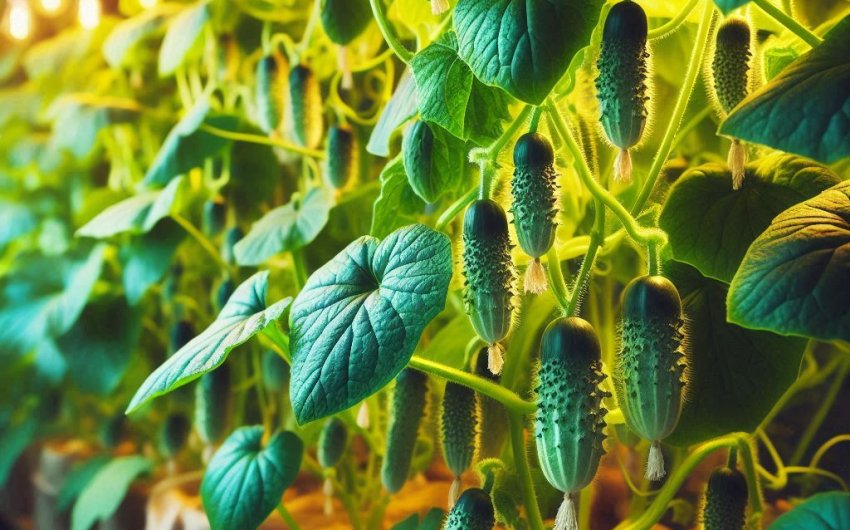
Dreaming of fresh, crisp cucumbers even when outdoor growing isn't an option? Learning how to grow cucumbers indoors allows you to enjoy this delightful vegetable year-round, regardless of climate or space limitations. This guide will walk you through the essential steps and tips for a bountiful indoor harvest.
Why Grow Cucumbers Indoors?
Cultivating cucumbers inside offers several compelling advantages over traditional outdoor gardening. It provides a controlled environment, protecting your plants from harsh weather, common pests, and unpredictable diseases.
- Year-Round Harvests: Enjoy fresh cucumbers even in winter.
- Pest and Disease Control: Reduce exposure to common garden threats.
- Space Efficiency: Utilize vertical space with vining varieties.
- Controlled Environment: Regulate light, temperature, and humidity precisely.
- Convenience: Harvest right from your kitchen or living space.
What Cucumber Varieties Are Best for Indoor Growing?
Choosing the right cucumber varieties is crucial for indoor success. Look for types that are compact, produce well in limited light, and are often parthenocarpic, meaning they don't require pollination to set fruit.
- Bush Varieties: These are naturally compact and don't vine extensively, making them ideal for smaller spaces.
- Dwarf Vining Varieties: Some vining types have been bred for shorter vines, suitable for vertical growing on a small scale.
- Parthenocarpic Varieties: These cucumbers produce fruit without the need for pollination, simplifying the indoor growing process significantly. This eliminates the need for hand-pollination, which can be tricky indoors.
Here are some excellent choices for your indoor garden:
- Bush Crop: A classic bush variety, compact and prolific.
- Spacemaster: Known for its compact vines, great for containers.
- Patio Snacker: A high-yielding bush type perfect for pots.
- Diva: A parthenocarpic slicer that produces sweet, burpless cucumbers.
- Suyo Long: While vining, it's very productive and often recommended for its flavor, though it may need more support.
- Miniature White: Small, sweet, and unique white cucumbers.
What Supplies Do You Need to Grow Cucumbers Indoors?
Gathering the correct supplies before you start will ensure a smooth and successful indoor cucumber growing experience. Each item plays a vital role in providing the ideal conditions for your plants.
- Containers: Choose pots that are at least 10-12 inches in diameter and depth. Cucumbers have extensive root systems, so larger pots are better. Ensure they have drainage holes. Fabric grow bags like VIVOSUN 7 Gallon Grow Bags are excellent for root aeration.
- Potting Mix: Use a high-quality, well-draining potting mix. A mix specifically designed for vegetables or containers, such as FoxFarm Ocean Forest Potting Soil, will provide the necessary nutrients and drainage.
- Grow Lights: Natural sunlight indoors is rarely sufficient for cucumbers, which are heavy feeders of light. You'll need powerful grow lights.
- LED Grow Lights: Highly energy-efficient and offer a full spectrum, ideal for all stages of growth. Look for models like the Spider Farmer SF-1000 LED Grow Light.
- Fluorescent Lights (T5 or T8): Suitable for seedlings and early growth, but less powerful for fruiting.
- Trellis or Support: Most cucumber varieties, even bush types, benefit from support to keep fruits off the ground and improve air circulation. A cucumber trellis or stakes will work.
- Fertilizer: Cucumbers are heavy feeders. An all-purpose balanced fertilizer, followed by a high-potassium fertilizer once flowering begins, is ideal. Alaska Fish Emulsion Fertilizer is a good organic option.
- Misting Bottle: For increasing humidity, especially during dry indoor conditions.
- Small Fan: To improve air circulation and strengthen stems.
- Pruning Shears: For managing vine growth and encouraging fruit production.
How Do You Start Cucumber Seeds Indoors?
Starting your cucumber seeds indoors is a straightforward process that gives your plants a head start before they establish in their final growing location.
- Prepare Seed Starting Mix: Use a sterile, well-draining seed starting mix. Moisten it thoroughly before filling your seed trays or small pots.
- Plant Seeds: Plant 2-3 cucumber seeds about \(\frac{1}{2}\) to 1 inch deep in each cell or pot.
- Provide Warmth: Cucumbers germinate best when soil temperatures are between 75°F and 85°F (24°C to 29°C). A seedling heat mat can significantly improve germination rates and speed.
- Keep Moist: Keep the soil consistently moist but not waterlogged. Cover trays with a plastic dome or plastic wrap to retain humidity.
- Light After Germination: Once seeds sprout (usually within 3-10 days), immediately place them under grow lights for 12-16 hours a day. Position the light source about 2-4 inches above the seedlings to prevent them from becoming leggy.
- Thin Seedlings: After the first true leaves appear, thin the seedlings to one strong plant per pot by snipping the weaker ones at the soil line.
- Transplant: Once seedlings develop 2-3 true leaves and are sturdy, they are ready for transplanting into their larger, permanent containers.
What Are the Ideal Growing Conditions for Indoor Cucumbers?
Replicating the outdoor conditions that cucumbers love is key to successful indoor cultivation. Pay close attention to light, temperature, humidity, and air circulation.
Light Requirements
Cucumbers are sun-lovers and require significant light to produce fruit.
- Intensity: Provide at least 12-16 hours of strong light daily. Full-spectrum LED grow lights are highly recommended.
- Placement: Keep grow lights 6-12 inches (15-30 cm) above the top of the plant canopy. Adjust as plants grow.
- Light Cycle: Use a timer to maintain a consistent light schedule.
Temperature
Maintaining a consistent warm temperature is vital for indoor cucumber growth and fruit production.
- Daytime: Aim for temperatures between 68°F and 85°F (20°C and 29°C).
- Nighttime: Temperatures should ideally not drop below 60°F (15°C).
Humidity
Cucumbers prefer a humid environment, especially when fruiting. Indoor air can often be too dry.
- Target Humidity: Strive for 60-80% humidity.
- Methods to Increase Humidity:
- Mist plants regularly with a misting bottle.
- Use a pebble tray: Place pebbles in a shallow tray and fill with water to just below the top of the pebbles. Place the plant pot on top.
- Use a small humidifier near your plants.
Air Circulation
Good air movement is important for strengthening stems, deterring pests, and preventing fungal diseases.
- Use a small oscillating fan set on a low setting to gently circulate air around your plants. Avoid directing strong airflow directly at the plants.
- Ensure adequate spacing between plants to allow for airflow.
How Do You Care for Indoor Cucumber Plants?
Consistent care is essential for healthy growth and a productive harvest. This includes watering, fertilizing, supporting, and pruning.
Watering
Cucumbers are thirsty plants, especially when fruiting.
- Consistency: Keep the soil consistently moist but never soggy. Allow the top inch of soil to dry slightly before watering again.
- Method: Water deeply until water drains from the bottom of the pot. Avoid overhead watering, which can encourage fungal diseases.
- Signs of Thirst: Wilting leaves can indicate a need for water, but also overwatering or root problems. Check soil moisture before watering.
Fertilizing
As heavy feeders, cucumbers need regular nutrients.
- Initial Growth: Use a balanced liquid fertilizer, such as Miracle-Gro Indoor Plant Food, every 1-2 weeks once the plant has established.
- Flowering and Fruiting: Switch to a fertilizer higher in potassium to promote fruit development. You might consider FoxFarm Big Bloom Liquid Plant Food.
- Follow Directions: Always follow the fertilizer package instructions to avoid over-fertilizing, which can burn roots.
Providing Support (Trellising)
Even bush varieties benefit from some support. Vining cucumbers absolutely require a trellis or stakes.
- Methods: Use a small trellis, stakes, or twine suspended from above.
- Training: Gently guide the cucumber vines up the support as they grow. You may need to loosely tie them to the support. This also saves space and improves air circulation, leading to healthier fruits.
Pruning
Pruning helps manage growth, improves air circulation, and can encourage more fruit production.
- Lateral Shoots: Pinch off lateral (side) shoots that emerge from the main stem below the first 4-5 leaves. This directs energy to the main vine.
- Overcrowding: Remove any yellowing, diseased, or damaged leaves. Thin out excessive foliage to improve light penetration and air circulation.
- Male Flowers (Non-Parthenocarpic Varieties): If you are growing a non-parthenocarpic variety, you might want to remove some male flowers (which appear first and usually have a thin stem without a swollen base) to encourage more female flowers (which have a tiny fruit at their base). However, with parthenocarpic varieties, this step is unnecessary.
Pollination (If Necessary)
If you are growing a non-parthenocarpic cucumber variety indoors, you will need to hand-pollinate the flowers since there are no bees or other insects inside.
- Identify Flowers: Cucumber plants produce both male and female flowers.
- Male flowers: Appear first, typically have a slender stem, and do not have a tiny cucumber at their base.
- Female flowers: Have a swollen bulge (a miniature cucumber) at the base of the flower, just behind the petals.
- Collect Pollen: In the morning, when pollen is freshest, gently pluck a male flower. Remove the petals to expose the stamen (the pollen-bearing part).
- Transfer Pollen: Gently dab or rub the pollen-covered stamen onto the stigma (the sticky center) of a female flower. Alternatively, use a small, soft paintbrush or cotton swab to transfer pollen.
- Repeat: Repeat this process daily for newly opened female flowers.
When Can You Expect to Harvest Indoor Cucumbers?
Harvesting your cucumbers at the right time ensures the best flavor and encourages the plant to produce more fruit.
- Maturity: Most cucumber varieties are ready for harvest 50-70 days after planting, depending on the variety.
- Size: Harvest cucumbers when they reach their desired size, typically 6-8 inches for slicers, or 3-4 inches for pickling varieties. Do not let them get too large, as they can become bitter and seedy.
- Appearance: They should be firm, bright green, and smooth.
- Harvesting Technique: Use sharp pruning shears or a knife to cut the stem about \(\frac{1}{2}\) inch above the fruit. Avoid pulling or twisting, as this can damage the vine.
- Frequency: Check your plants daily once they start producing. Regular harvesting encourages more fruit production.
How Do You Deal with Pests and Diseases Indoors?
While indoor growing reduces pest and disease pressure, it doesn't eliminate it entirely. Early detection and organic solutions are crucial for keeping your indoor cucumbers healthy.
Common Indoor Pests
- Aphids: Small, soft-bodied insects that cluster on new growth.
- Solution: Spray with a strong stream of water, wipe with a damp cloth, or use insecticidal soap.
- Spider Mites: Tiny arachnids that cause stippling on leaves and fine webbing. Thrive in dry conditions.
- Solution: Increase humidity, spray with water, or use neem oil.
- Whiteflies: Small, white, moth-like insects that fly up when disturbed.
- Solution: Use yellow sticky traps like Garsum Yellow Sticky Traps, insecticidal soap, or neem oil.
- Fungus Gnats: Small, dark flies that are often a sign of overly moist soil.
- Solution: Allow the top layer of soil to dry out between waterings. Use sticky traps or beneficial nematodes.
Common Indoor Diseases
Most indoor diseases are related to environmental conditions.
- Powdery Mildew: A white, powdery coating on leaves, often due to poor air circulation or high humidity with stagnant air.
- Solution: Improve air circulation, reduce humidity if too high, and spray with a baking soda solution (1 tsp baking soda per quart of water with a few drops of dish soap) or organic fungicides.
- Root Rot: Caused by overwatering and poor drainage.
- Solution: Ensure excellent drainage, avoid overwatering, and use well-aerated potting mix.
Always quarantine any new plants before introducing them to your indoor garden to prevent introducing pests or diseases. Regularly inspect your cucumber plants for any signs of trouble to catch problems early.
Mastering how to grow cucumbers indoors offers a truly rewarding gardening experience, providing you with a continuous supply of fresh, homegrown produce right from your home.