
Boost Your Garden: The Benefits of Companion Planting
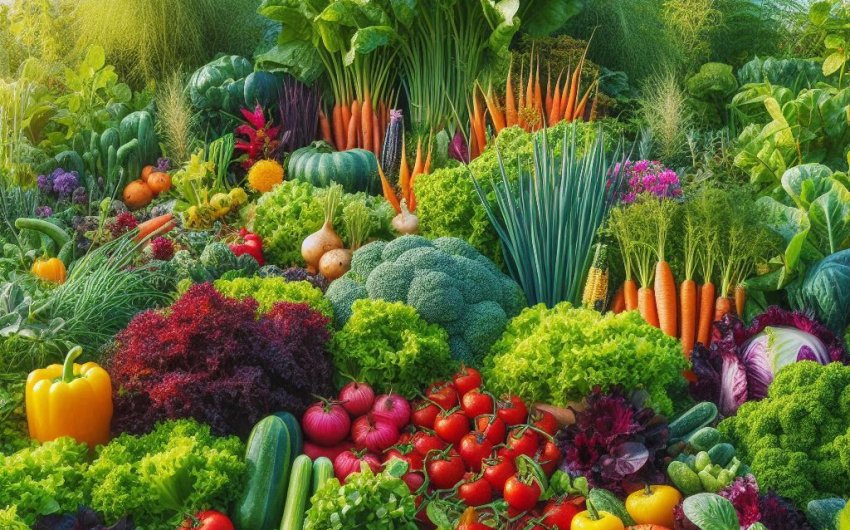
Creating a thriving vegetable garden often involves more than just planting seeds and watering. Savvy gardeners understand the benefits of companion planting in vegetable gardens, a practice that leverages natural plant interactions to foster healthier growth, deter pests, and even improve yields. This ancient gardening technique involves strategically placing different plant species near each other to achieve mutually beneficial outcomes, transforming your garden into a miniature ecosystem. By understanding which plants work well together, you can significantly reduce the need for chemical interventions and enjoy a more bountiful harvest.
What is Companion Planting?
Companion planting is the art and science of growing certain plants close to each other for mutual benefit. Think of it like a neighborhood watch program for your plants. Some plants repel harmful insects, while others attract beneficial ones. Some can improve soil quality or provide necessary shade. It's about creating a balanced and resilient garden environment where plants support each other, leading to a more productive and vibrant space. This method works with the natural world, rather than against it, making it an incredibly sustainable and rewarding practice.
Why is Companion Planting Important for Vegetable Gardens?
The importance of companion planting stems from its ability to enhance the overall health and productivity of your vegetable patch. It’s a holistic approach to gardening that considers the interconnectedness of all living things. When you strategically place plants, you’re not just planting; you’re orchestrating a natural symphony of growth and protection. This method can save you time and money by reducing your reliance on external inputs like pesticides and fertilizers, aligning perfectly with organic gardening principles.
How Does Companion Planting Benefit Pest Control?
One of the most significant benefits of companion planting in vegetable gardens is its natural pest control capabilities. Instead of reaching for synthetic sprays, companion planting offers an ecological alternative. Certain plants act as natural deterrents, sending unwelcome guests packing, while others invite the good guys to the party.
What Plants Repel Common Pests?
Many plants possess natural compounds or strong aromas that pests simply can't stand. Utilizing these natural repellents can significantly reduce pest damage without harming beneficial insects or the environment.
- Marigolds: Often hailed as the unsung heroes of pest control, marigolds (especially French marigolds) release compounds from their roots that deter nematodes, tiny soil-dwelling worms that can damage plant roots. Their strong scent also repels other common garden pests like aphids, thrips, and whiteflies. Planting them around your tomatoes, peppers, and beans can offer excellent protection.
- Nasturtiums: These vibrant flowers are excellent trap crops. Pests like aphids are often more attracted to nasturtiums than to your valuable vegetable crops. By planting nasturtiums strategically, you can lure pests away from your main plants, then simply remove the infested nasturtium leaves or plants.
- Garlic and Onions: Members of the Allium family, like garlic, onions, and chives, release sulfur compounds that can confuse and repel a wide range of pests, including aphids, slugs, and onion maggots. Planting them near carrots, lettuce, or fruit trees can provide a protective barrier.
- Mint: While mint can be invasive, planting it in containers near brassicas (like cabbage and broccoli) can help deter cabbage moths and flea beetles. The strong scent of mint confuses these pests, making it harder for them to find their host plants. Just remember to keep mint contained to prevent it from taking over your garden beds!
- Rosemary and Thyme: These aromatic herbs are not only great for cooking but also effective at repelling carrot rust flies, cabbage moths, and slugs. Planting them near carrots, beans, and brassicas can offer a fragrant defense.
Which Plants Attract Beneficial Insects?
Beyond repelling pests, companion planting also involves inviting allies into your garden. Beneficial insects, such as ladybugs, lacewings, and predatory wasps, are natural predators of common garden pests, providing a living, breathing pest control service.
- Dill and Fennel: These feathery herbs with their umbrella-shaped flower heads are magnets for beneficial insects. They attract parasitic wasps, ladybugs, and hoverflies, all of which feast on aphids and other soft-bodied pests. Plant them near your vulnerable crops to create a safe haven for these helpful predators.
- Cilantro and Parsley: Similar to dill and fennel, the flowers of cilantro and parsley (when allowed to bolt) are highly attractive to lacewings and predatory wasps. These insects are voracious eaters of aphids, spider mites, and other destructive insects.
- Sweet Alyssum: This low-growing, white-flowered annual produces a carpet of tiny blooms that provide nectar for hoverflies, whose larvae are excellent aphid predators. Planting sweet alyssum as a living mulch around your vegetable beds can significantly boost your aphid control efforts.
- Cosmos: While beautiful, cosmos also serve a practical purpose by attracting a variety of beneficial insects, including predatory wasps and lacewings. Their long-lasting blooms ensure a continuous supply of food for these helpful visitors throughout the growing season.
- Sunflower: Tall and majestic, sunflowers can act as a trap crop for aphids, drawing them away from other plants. They also provide habitat and food for beneficial insects, and their deep roots can help break up compacted soil.
Can Companion Planting Improve Plant Growth and Yield?
Absolutely! The benefits of companion planting in vegetable gardens extend far beyond pest management. Plants can support each other in various ways, leading to more robust growth, better nutrient uptake, and ultimately, higher yields. This is where the true synergy of companion planting shines.
How Do Plants Support Each Other's Growth?
Plants can offer physical support, create beneficial microclimates, and even share nutrients through their root systems or fungal networks.
The Three Sisters: This ancient Native American planting technique is a classic example of synergistic growth.
- Corn: Provides a natural trellis for pole beans to climb, offering physical support as they grow tall.
- Beans: Are legumes that fix nitrogen from the air into the soil, providing essential nutrients for the heavy-feeding corn and squash.
- Squash: Sprawls along the ground, shading the soil to suppress weeds and retain moisture, keeping the roots of the corn and beans cool. This creates a miniature ecosystem where each plant contributes to the success of the others.
Providing Shade: Tall, leafy plants can offer much-needed shade to more delicate, shade-loving vegetables during the hottest parts of the day. For example, planting spinach or lettuce in the dappled shade of tomatoes or corn can prevent them from bolting prematurely in hot weather, extending their harvesting season.
Soil Improvement: Some plants, like legumes (beans, peas, clover), have a special relationship with bacteria in their root nodules. These bacteria convert atmospheric nitrogen into a form that plants can use, enriching the soil for nearby heavy feeders. Planting beans near corn or brassicas can naturally fertilize the soil.
What is Nutrient Cycling in Companion Planting?
Nutrient cycling is a key aspect of how plants support each other. It's about how nutrients move through the garden ecosystem, often facilitated by the careful selection of companion plants.
- Nitrogen Fixers: As mentioned, legumes are paramount for nitrogen fixation. The roots of plants like bush beans or pole beans host beneficial bacteria that convert atmospheric nitrogen into usable forms in the soil. This nitrogen then becomes available to hungry neighbors like corn, brassicas, or leafy greens, reducing the need for synthetic nitrogen fertilizers.
- Dynamic Accumulators: Certain plants, often referred to as dynamic accumulators, have deep taproots that can draw up nutrients and minerals from deeper soil layers. When these plants die and decompose, or when their leaves are chopped and dropped as mulch (a practice known as "chop and drop"), those accumulated nutrients become available in the topsoil for shallow-rooted vegetables. Examples include comfrey, borage, and dandelion. Planting these around your garden beds can slowly enrich the soil over time.
How Can Companion Planting Enhance Biodiversity?
Biodiversity is the variety of life in an ecosystem, and a diverse garden is a resilient garden. Incorporating a wide array of plants through companion planting significantly boosts the biodiversity of your vegetable patch, creating a more stable and healthy environment.
Why is Biodiversity Important in a Garden?
A diverse garden is less susceptible to widespread pest infestations or diseases. If one plant type is attacked, the presence of other plant species can act as a buffer, preventing the problem from spreading rapidly. It's like having a balanced team where everyone plays a different, crucial role.
- Creating a Balanced Ecosystem: Companion planting encourages a broader range of insects, microbes, and even small animals to inhabit your garden. This includes not only beneficial insects but also pollinators, soil microbes, and fungi, all of which contribute to the garden's health.
- Reducing Disease Spread: Monocultures (planting large areas of a single crop) are highly vulnerable to disease outbreaks. If a disease hits, it can quickly wipe out an entire crop. By interplanting different species, you create barriers that can slow or prevent the spread of pathogens, making it harder for diseases to jump from one susceptible plant to another. For instance, planting onions or garlic near carrots can help deter common carrot diseases.
What Plants Support General Garden Health?
Beyond specific pest or growth benefits, some plants contribute to the overall vitality of your garden ecosystem.
- Borage: This beautiful blue-flowered herb is a multipurpose companion. It attracts bees and other pollinators like crazy, making it excellent for increasing fruit set in plants like tomatoes, squash, and strawberries. Borage also deters tomato hornworms and cabbage worms, and its leaves are rich in calcium and potassium, which can be chopped and dropped as a nutrient-rich mulch.
- Chamomile: This gentle herb is believed to improve the growth and flavor of nearby plants. It's often referred to as a "plant doctor" because it can help strengthen weaker plants and enhance the production of essential oils in herbs.
- Yarrow: A native perennial, yarrow is another excellent beneficial insect attractor, luring ladybugs, lacewings, and predatory wasps. Its deep roots also help break up compacted soil and bring up nutrients from deeper layers.
- Comfrey: As a deep-rooted dynamic accumulator, comfrey draws up a wealth of nutrients, especially potassium, from the subsoil. Its leaves can be harvested multiple times a season and used to make a nutrient-rich liquid fertilizer or as a "chop and drop" mulch around heavy feeders like tomatoes and squash. The leaves quickly break down, releasing their accumulated nutrients. You can find high-quality comfrey plants or seeds at Prairie Road Organic Seed if you're looking to establish them in your garden.
Can Companion Planting Save Garden Resources?
Yes, embracing the benefits of companion planting in vegetable gardens can lead to significant savings in terms of water, fertilizer, and the time you spend battling pests. It's a more efficient and sustainable way to garden.
How Does Companion Planting Reduce Water Usage?
Water conservation is crucial, especially in drier climates. Companion planting can play a surprising role in managing moisture.
- Living Mulches: Low-growing plants like squash, melons, or even groundcover herbs can act as a living mulch, shading the soil surface and reducing evaporation. This keeps the soil cooler and retains moisture, meaning you'll need to water less frequently.
- Improved Soil Structure: The diverse root systems of companion plants can improve soil aggregation and porosity. This enhanced soil structure allows water to penetrate more easily and be held more effectively in the root zone, preventing runoff and improving water absorption. For instance, the deep taproots of certain companions can break up compacted soil, allowing water to reach deeper.
How Can Companion Planting Lower Fertilizer Needs?
By leveraging natural processes, companion planting minimizes the need for external fertilizers, saving you money and reducing your environmental footprint.
- Natural Nitrogen Fixation: As previously discussed, planting legumes like beans or peas with nitrogen-hungry crops like corn or brassicas naturally enriches the soil with nitrogen. This reduces your reliance on synthetic nitrogen fertilizers, which can be costly and have environmental drawbacks.
- Nutrient Cycling and Accumulation: Utilizing dynamic accumulators and incorporating chop-and-drop mulching cycles with plants like comfrey or borage allows you to recycle nutrients already present in your soil or drawn from deeper layers. This sustainable practice naturally replenishes soil fertility without additional inputs.
What Are Some Effective Companion Planting Combinations?
Understanding the theory is great, but practical application is key. Here are some tried-and-true companion planting combinations that demonstrate the various benefits of companion planting in vegetable gardens.
Classic Combinations for Your Garden
These pairings have been used for generations and consistently yield positive results.
- Tomatoes and Basil: A match made in heaven! Basil is believed to improve the flavor of tomatoes and deter tomato hornworms and flies. Plant basil close to your tomato plants for best results. Consider getting quality heirloom tomato seeds from Burpee Seeds to go with your fresh basil.
- Carrots and Rosemary/Sage: The strong aroma of rosemary and sage can confuse and repel carrot rust flies, preventing their larvae from damaging your carrot roots. Planting these herbs at the ends of your carrot rows can offer good protection.
- Corn, Beans, and Squash (Three Sisters): This iconic combination is a powerhouse of mutual benefit, as detailed earlier. The corn provides a trellis, beans fix nitrogen, and squash acts as a living mulch, suppressing weeds and conserving moisture.
- Cabbage/Broccoli and Dill/Chamomile: Dill attracts beneficial insects that prey on cabbage worms and loopers, while chamomile is thought to enhance the growth and flavor of brassicas.
- Cucumbers and Radishes/Nasturtiums: Radishes help loosen the soil, benefiting cucumber roots. Nasturtiums act as a trap crop for aphids, drawing them away from your cucumbers.
- Potatoes and Marigolds/Bush Beans: Marigolds deter nematodes that can harm potato roots. Bush beans fix nitrogen, benefiting the heavy-feeding potatoes.
- Strawberries and Borage: Borage attracts pollinators, increasing strawberry fruit set, and is also believed to improve the flavor and yield of strawberries.
Combinations to Avoid (Antagonistic Plants)
Just as some plants are allies, others are not compatible. Planting these together can hinder growth or attract pests.
- Fennel and most other vegetables: Fennel is known to inhibit the growth of many plants, including tomatoes, beans, and kohlrabi. It's best to plant fennel in its own dedicated spot.
- Beans and Onions/Garlic: The Allium family (onions, garlic, chives, leeks) can stunt the growth of beans and peas.
- Brassicas (Cabbage, Broccoli, Kale) and Strawberries: These plants can inhibit each other's growth.
- Potatoes and Tomatoes/Cucumbers: These plants are susceptible to the same blights and diseases, so planting them together can increase the risk of widespread infection.
- Sunflowers and Pole Beans: While sunflowers can be a trellis for pole beans, they can also inhibit bean growth due to their allelopathic properties (releasing chemicals that suppress other plants). Bush beans are a better choice to plant with sunflowers.
How Do I Start Companion Planting in My Garden?
Starting with companion planting doesn't have to be overwhelming. It's a journey of observation and experimentation. Here’s a simple guide to get you started on reaping the benefits of companion planting in vegetable gardens.
Planning Your Companion Garden Layout
Strategic planning is key to maximizing the positive interactions between your plants.
- Observe Your Garden: Pay attention to sunlight patterns, water flow, and existing microclimates. Note any recurring pest problems or areas where certain plants struggle.
- Identify Your Main Crops: Determine which vegetables are your primary focus. These will be the plants you build your companion planting strategy around.
- Research Plant Interactions: Use resources like this guide, gardening books, and reputable online sources to find compatible and incompatible plant pairings for your chosen vegetables. Create a list of plants that offer specific benefits you need (e.g., pest deterrence, nitrogen fixation, pollination).
- Sketch Your Garden Plan: Draw a simple map of your garden beds. Start by placing your main crops, then strategically interplant their beneficial companions. Consider the mature size of each plant to avoid overcrowding.
- Start Small: Don't try to implement every single companion planting idea at once. Choose a few key combinations to start with, observe the results, and expand from there. This allows you to learn what works best in your specific garden environment.
Essential Tips for Success
Beyond the initial planning, a few practical tips can help ensure your companion planting efforts are successful.
- Diversify Your Planting: Avoid large blocks of a single crop. Instead, intersperse different plant types throughout your garden beds. This diversity is crucial for confusing pests and attracting beneficial insects.
- Consider Plant Habits: Think about how plants grow. Tall plants can provide shade, vining plants can act as groundcover, and deep-rooted plants can break up compacted soil.
- Use Aromatic Herbs and Flowers: Don't underestimate the power of scent. Many herbs and flowers act as natural pest deterrents or attractants for pollinators.
- Rotate Crops: While companion planting helps, it doesn't replace the need for crop rotation. Still rotate your main crops each year to prevent the buildup of soil-borne diseases and to ensure balanced nutrient use.
- Monitor and Adjust: Companion planting isn't a set-it-and-forget-it solution. Regularly observe your plants for signs of pests, diseases, or nutrient deficiencies. If a combination isn't working as expected, be prepared to adjust your strategy for the next growing season.
- Healthy Soil is Paramount: Regardless of your planting strategy, healthy soil is the foundation of a productive garden. Amend your soil with compost and organic matter regularly. A good compost tumbler, such as the Lifetime Compost Tumbler, can help you create your own nutrient-rich compost efficiently.
Are There Any Downsides to Companion Planting?
While the benefits of companion planting in vegetable gardens are numerous, it’s also important to acknowledge that no gardening method is entirely without its nuances. Understanding potential drawbacks can help you implement the technique more effectively.
What Are the Challenges of Companion Planting?
- Requires Research and Planning: Companion planting isn't as simple as just throwing seeds in the ground. It requires research to understand plant interactions and careful planning of your garden layout. This initial investment of time can be a barrier for some gardeners.
- Space Limitations: In very small gardens or raised beds, it might be challenging to incorporate all the desired companion plants while ensuring adequate space for your main crops to thrive.
- Potential for Misinformation: Not all companion planting claims are backed by scientific evidence. Some popular pairings are based on anecdotal experience or traditional folklore. While these can still be effective, it’s good to approach new combinations with an experimental mindset.
- Difficulty with Crop Rotation: While companion planting works alongside crop rotation, planning rotations can become more complex when you have many different species intermingled.
- Increased Management (Initially): While long-term it can save effort, initially managing a diverse garden with many different plant needs might feel more complex than a monoculture.
Is Scientific Evidence Always Available?
It's true that not every claimed benefit of companion planting has been rigorously proven through scientific study. Much of the knowledge has been passed down through generations of gardeners.
- Anecdotal vs. Scientific: Many companion planting practices are rooted in observation and anecdotal evidence gathered over centuries. Gardeners noticed that certain plants simply performed better when grown near others.
- Complexity of Interactions: Plant interactions are incredibly complex. Factors like soil type, climate, specific plant varieties, and even the presence of certain microorganisms can influence outcomes. This makes it challenging to conduct definitive scientific studies on every single pairing.
- Emerging Research: However, interest in ecological gardening practices is growing, and more scientific research is being conducted to understand the mechanisms behind companion planting, such as allelopathy (chemical interactions between plants) and the role of microbial communities.
Even without a double-blind scientific study for every single pairing, the cumulative benefits of companion planting in vegetable gardens – from enhanced pest control to improved plant vigor and increased biodiversity – make it a worthwhile and rewarding practice for any gardener seeking a more sustainable and productive approach. It encourages a deeper understanding of your garden as a living system and fosters resilience against common challenges. Embrace the journey of learning and discovery as you watch your garden flourish with the power of plant partnerships.