
Your Green Journey Starts: How to Start an Herb Garden from Seeds
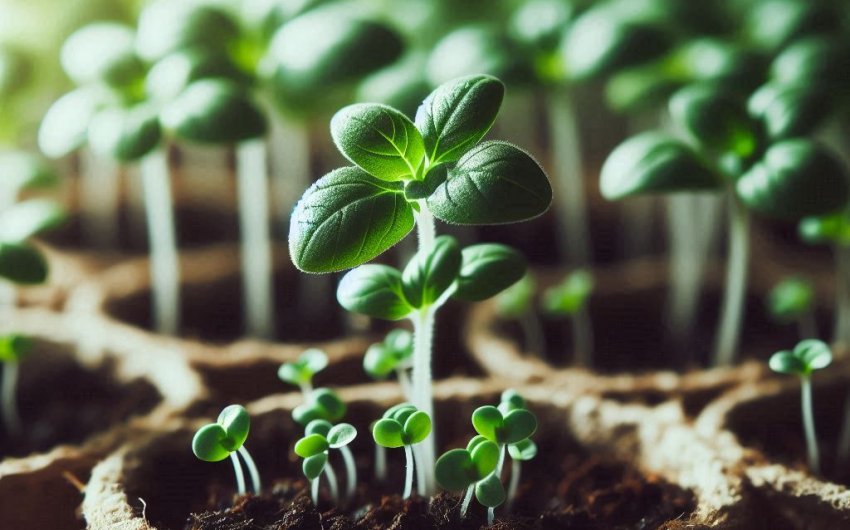
Embarking on your green journey by learning how to start an herb garden from seeds is a rewarding and enriching experience, bringing fresh flavors and delightful aromas right to your doorstep. This comprehensive guide will walk you through every essential step, from selecting the right seeds to harvesting your homegrown herbs, ensuring your success even as a beginner. Imagine snipping fresh basil for your pesto or plucking mint for your tea – it all begins with a tiny seed and a bit of patience.
Why Should You Start an Herb Garden from Seeds?
Starting an herb garden from seeds offers numerous advantages that extend beyond mere cost savings. It provides a deeper connection to nature and a truly fresh, organic product.
- Cost-Effective: Buying seed packets is significantly cheaper than purchasing individual herb plants. You get many more plants for your money, making it a very economical way to expand your green space.
- Wider Variety: Seed catalogs and online retailers offer an astounding array of herb varieties not typically found in local nurseries. You can experiment with unique flavors and less common herbs.
- Satisfaction and Connection: There's immense satisfaction in watching a tiny seed sprout and grow into a thriving plant. It fosters a deeper appreciation for the food you consume and the natural world.
- Pest and Disease Control: Starting from seed allows you to ensure your plants are grown in a controlled environment, free from common nursery pests and diseases. You control the entire growth process.
- Organic Control: If you prioritize organic gardening, starting from seed gives you complete control over the soil, fertilizers, and pest management methods used, ensuring a truly organic herb garden.
What Essential Supplies Do You Need to Start Seeds?
Gathering the right tools before you begin will make the seed-starting process smooth and enjoyable. You don't need a lot of fancy equipment, just a few key items.
Seed Starting Containers
Choosing the right container is crucial for healthy seedling development. They need good drainage to prevent waterlogging.
- Seed Trays: These are shallow trays, often with individual cells, perfect for starting many seeds at once. Look for ones with drainage holes. Many come with clear plastic domes to create a mini-greenhouse effect. Consider a seed starting kit like the Bonide Seed Starting Kit for convenience.
- Biodegradable Pots: Peat pots or coir pots are excellent options as you can plant the entire pot directly into the garden, minimizing transplant shock.
- Recycled Containers: Don't throw away those yogurt cups or plastic clamshells! As long as you punch drainage holes in the bottom, they can make great makeshift seed starting pots. Just ensure they are clean.
Seed Starting Mix
This specialized mix provides the ideal environment for delicate seedlings. It's different from regular potting soil.
- Light and Airy: A good seed starting mix is typically sterile, light, and airy, allowing tiny roots to penetrate easily. It retains moisture without becoming waterlogged.
- Nutrient-Free or Low Nutrient: Most seed starting mixes contain very few nutrients, as seeds have enough stored energy for germination. Once true leaves appear, you'll introduce gentle fertilization. A popular choice is Jiffy Seed Starting Mix.
Herb Seeds
This is the most exciting part! Deciding which herbs to grow will depend on your culinary preferences and local climate.
- Reputable Suppliers: Always buy seeds from reputable suppliers to ensure good germination rates and healthy plants. Check the packet for the "packed for" date to ensure freshness.
- Beginner-Friendly Herbs: For your first herb garden from seeds, consider easy-to-grow varieties like basil, cilantro, dill, parsley, chives, and mint. These tend to germinate reliably.
- Sunlight Requirements: Before purchasing, check the seed packet for the herb's specific sunlight needs. Some herbs thrive in full sun, while others prefer partial shade.
Watering Tools
Proper watering is key to preventing damping-off disease and ensuring consistent moisture.
- Mister or Spray Bottle: A gentle misting prevents disturbing delicate seeds and seedlings. A fine mist spray bottle works well.
- Bottom Watering Trays: Placing seed trays in a larger tray filled with water allows the soil to soak up moisture from the bottom, encouraging stronger root development.
Light Source
Light is arguably the most critical factor after water for successful seed starting.
- Grow Lights: Unless you have a very bright, south-facing window that gets 8+ hours of direct sun, grow lights are highly recommended. They prevent seedlings from becoming leggy and weak. Fluorescent shop lights (T5 or T8) or LED grow lights are good options. The Barrina T5 Grow Lights are a popular choice.
- Timer: A simple outlet timer is invaluable for ensuring your seedlings get consistent light, typically 14-16 hours per day.
Other Useful Tools
- Labeling Sticks: You'll definitely want to label your containers to remember what you planted! Garden labels are inexpensive and essential.
- Heating Mat: For some herbs, especially those that need warmth to germinate (like basil), a seedling heat mat can significantly speed up the process. A Vivosun Seedling Heat Mat is a great investment.
When Is the Best Time to Start Herb Seeds Indoors?
Timing is everything when starting seeds indoors. It ensures your seedlings are ready to transplant when outdoor conditions are just right.
Consulting the Seed Packet
Every seed packet provides vital information about ideal planting times.
- "Days to Germination": This tells you roughly how long it will take for the seeds to sprout.
- "Days to Maturity": This indicates how long until you can harvest.
- "Start Indoors X Weeks Before Last Frost": This is the most crucial piece of information for timing your indoor planting.
Finding Your Last Frost Date
This date marks the average last day in your area when temperatures are expected to drop below freezing.
- Online Resources: Websites like the National Weather Service, local university extension offices, or gardening websites can provide your average last frost date based on your zip code.
- Local Gardeners: Ask experienced gardeners in your community for their advice on local planting times.
Creating a Planting Schedule
Once you know your last frost date, count backward the number of weeks recommended on the seed packet to determine your indoor planting date.
| Herb | Weeks Before Last Frost |
|---|---|
| Basil | 6-8 weeks |
| Chives | 8-10 weeks |
| Cilantro | 3-4 weeks |
| Dill | 3-4 weeks |
| Mint | 8-10 weeks |
| Oregano | 8-10 weeks |
| Parsley | 8-12 weeks |
| Rosemary | 10-12 weeks |
| Thyme | 8-10 weeks |
Note: These are general guidelines. Always check your specific seed packet for precise recommendations.
How Do You Prepare for Planting Herb Seeds?
Preparation is key to a successful herb garden from seeds. A little planning goes a long way.
Cleanliness is Crucial
Sterilizing your containers helps prevent diseases like damping-off, which can devastate young seedlings.
- Wash Thoroughly: If reusing containers, wash them with warm, soapy water.
- Disinfect: Soak them in a solution of 1 part bleach to 9 parts water for 30 minutes, then rinse well and let them air dry completely.
Prepare Your Seed Starting Mix
Properly moistening your seed starting mix ensures consistent moisture for germination.
- Moisten First: In a large tub or bucket, gradually add water to your dry seed starting mix while stirring until it feels like a damp sponge – moist but not soggy. If you squeeze a handful, only a few drops of water should come out.
- Fluff It Up: Break up any clumps to ensure an even, airy texture.
Organize Your Workspace
Having everything neatly arranged makes the planting process more efficient and enjoyable.
- Clear Area: Set up a clean, well-lit workspace.
- Gather Tools: Have your containers, pre-moistened seed mix, seeds, labels, and watering tools ready.
What Are the Steps to Planting Herb Seeds?
This is where the magic begins! Follow these steps carefully for the best germination rates.
Step 1: Fill Your Containers
Properly filling your containers provides a stable base for your seeds.
- Gently Fill: Loosely fill your chosen seed starting containers with the pre-moistened seed starting mix. Don't compact it too much.
- Leave Space: Leave about 1/2 inch to 1 inch of space from the rim of the container.
- Lightly Tap: Gently tap the bottom of the container on your workspace to settle the mix and remove large air pockets.
Step 2: Sow the Seeds
The depth at which you plant your seeds is critical for successful germination.
- Read the Packet: Always refer to your seed packet for specific planting depth instructions. A general rule of thumb is to plant seeds at a depth equal to about 2-3 times their diameter.
- Tiny Seeds (Surface Sowing): Very tiny seeds (like thyme, oregano, or some mints) often need light to germinate. Sprinkle them on the surface of the soil and gently press them down for good soil contact. Do not cover them.
- Larger Seeds (Shallow Planting): For larger seeds (like basil, dill, or cilantro), create a small depression with a pencil or your finger and place 1-3 seeds in each spot.
- Spacing: If using an open tray rather than individual cells, ensure adequate spacing between seeds to prevent overcrowding.
- Cover Lightly: Gently cover larger seeds with the appropriate amount of seed starting mix.
Step 3: Water Gently
Initial watering is crucial to settle the seeds and start the germination process.
- Mist or Bottom Water: Use a fine mist spray bottle to gently water the surface. Alternatively, place the entire tray in a larger tray filled with an inch or two of water. Let it sit for 10-15 minutes until the top of the soil appears moist.
- Avoid Overwatering: Do not drench the soil. It should be consistently moist, not soggy.
Step 4: Label Your Containers
You'll thank yourself for this later!
- Use Permanent Marker: Write the herb name and the planting date on your labels.
- Place in Container: Stick a label in each pot or section of your seed tray.
Step 5: Create a Mini-Greenhouse (Optional but Recommended)
This helps maintain consistent humidity and warmth for germination.
- Cover: If your seed tray came with a clear plastic dome, place it over the tray. Otherwise, you can use plastic wrap or a clear plastic bag over individual pots.
- Remove for Air: Briefly remove the cover daily for a few minutes to allow for air circulation and prevent mold growth.
Step 6: Provide Warmth (If Needed)
Some seeds need consistent warmth to sprout.
- Heating Mat: If using a seedling heat mat, place your covered seed trays directly on top of it. Ensure the thermostat (if your mat has one) is set to the recommended temperature for your specific seeds (usually around 70-75°F or 21-24°C).
- No Heat Once Germinated: Once seeds sprout, remove them from the heat mat.
How Do You Care for Your Herb Seedlings?
Once your seeds sprout, they become delicate seedlings that require specific care to grow strong and healthy.
Lighting is Key
Lack of adequate light is the most common reason for leggy, weak seedlings.
- Immediately After Germination: As soon as you see the first green shoots emerge, remove any plastic covers and place your seedlings under grow lights.
- Distance: Position the grow lights just a few inches (2-4 inches) above the tops of the seedlings. As the seedlings grow, adjust the lights upward to maintain this distance.
- Duration: Provide 14-16 hours of light per day. Use a timer for consistency.
- Avoid Windowsills (Mostly): While a bright windowsill can provide some light, it's rarely enough for strong growth, especially in winter. Seedlings on windowsills often stretch towards the light, becoming thin and weak (leggy).
Watering Wisely
Consistent moisture is important, but overwatering is a common killer of seedlings.
- Check Daily: Feel the top of the soil daily. If it feels dry to the touch, it's time to water.
- Bottom Watering Preferred: Continue to bottom water by placing trays in a shallow amount of water for 10-15 minutes. This encourages roots to grow downwards.
- Avoid Overhead Spraying: Once seedlings have true leaves, avoid spraying water directly onto the foliage, as this can encourage fungal diseases.
- Good Drainage: Ensure all your containers have excellent drainage holes. Never let seedlings sit in standing water.
Air Circulation
Good airflow helps prevent fungal diseases and strengthens seedling stems.
- Gentle Fan: A small, oscillating fan set on a low setting, not directly blowing on the seedlings but creating gentle air movement, is beneficial.
- Light Brushing: Gently brush your hand across the tops of the seedlings a few times a day. This mimics wind, encouraging stronger stems.
Fertilizing Seedlings
Most seed starting mixes are low in nutrients, so seedlings will eventually need a little boost.
- When to Start: Begin fertilizing only after your seedlings have developed their first set of "true leaves" (the second set of leaves, which will look different from the initial "cotyledon" leaves).
- Diluted Solution: Use a liquid fertilizer specifically formulated for seedlings or a balanced all-purpose fertilizer diluted to 1/4 strength. Organic options like Neptune's Harvest Fish Emulsion are popular.
- Frequency: Fertilize once every 7-10 days, or as recommended on the product label.
Thinning Seedlings
This might feel hard, but it's essential for healthy growth.
- Why Thin? If you planted multiple seeds per cell or sowed thickly, you'll have more seedlings than can thrive in a small space. Thinning ensures the strongest seedling gets enough resources.
- When to Thin: Once seedlings have their first set of true leaves, thin them.
- How to Thin: Using small scissors, snip off the weaker seedlings at the soil line, leaving the strongest, healthiest one per cell or adequately spaced in a tray. Avoid pulling them out, as this can disturb the roots of the remaining seedling.
When Is it Time to Transplant Herb Seedlings?
Transplanting your young herb seedlings is an exciting step, moving them into larger containers or directly into your garden.
Signs of Readiness
Look for these indicators that your seedlings are ready for their next home.
- Size: Seedlings should be at least 3-4 inches tall with several sets of true leaves.
- Root Development: Gently tip a seedling out of its container to check the roots. They should be visible and forming a solid root ball, but not completely circling the pot (root-bound).
- Hardening Off Completed: This crucial process prepares them for the outdoors.
What is Hardening Off, and Why Is It Important?
Hardening off is the gradual process of acclimatizing your indoor-grown seedlings to outdoor conditions before transplanting them. Skipping this step can lead to stunted growth or even death.
Why Hardening Off is Essential
- Sunlight: Indoor light, even grow lights, is far less intense than natural sunlight. Seedlings need to adjust to UV radiation to prevent leaf scorch.
- Temperature Fluctuations: Outdoors, temperatures fluctuate significantly between day and night. Indoor conditions are usually stable.
- Wind: Indoor seedlings are not exposed to wind, which strengthens stems and helps prevent disease.
- Rain: Outdoor rain can damage delicate seedlings if they aren't gradually introduced.
How to Harden Off Your Herb Seedlings
This process typically takes 7-14 days.
- Day 1-3: Place seedlings in a sheltered, shady spot outdoors for 2-3 hours during the warmest part of the day. Avoid direct sun.
- Day 4-6: Gradually increase their time outdoors by an hour or two each day. Move them to a spot that gets more filtered sunlight.
- Day 7-9: Continue increasing their time outside, moving them to a spot that receives morning sun or dappled light for several hours.
- Day 10-14: If temperatures allow, leave them out overnight, but bring them in if there's a risk of frost. Gradually expose them to more direct sun.
- Wind Protection: During the first few days, ensure they are protected from strong winds.
- Monitor Closely: Watch your seedlings for signs of stress (wilting, leaf scorch). If you see them struggling, bring them in immediately and reintroduce them more slowly.
- Keep Watered: Seedlings will dry out faster outdoors, so check their moisture levels daily.
How Do You Transplant Herb Seedlings into the Garden or Larger Pots?
Once your herb seedlings are hardened off, they are ready for their permanent home.
Preparing the Planting Site
Whether in the ground or a container, good soil is vital.
- Outdoor Garden Bed:
- Weed: Remove all weeds from the planting area.
- Amend Soil: Incorporate organic matter like compost into the soil to improve drainage, fertility, and structure. Herbs generally prefer well-draining soil.
- Sunlight: Ensure the spot receives the appropriate amount of sunlight for the herbs you are planting. Most herbs prefer full sun (6+ hours).
- Container Garden:
- Choose Right Size: Select pots that are appropriately sized for the mature herb. Some herbs like mint spread vigorously and are best contained in their own pot.
- Drainage Holes: Ensure the pots have ample drainage holes.
- Potting Mix: Use a good quality, well-draining potting mix, not garden soil. An organic potting mix is an excellent choice for edible plants.
The Transplanting Process
Handle your seedlings with care during this delicate stage.
- Water Seedlings: Water your seedlings thoroughly a few hours before transplanting. This helps them slide out of their containers more easily and reduces transplant shock.
- Dig Holes: Dig a hole in your prepared garden bed or container that is slightly wider and deeper than the seedling's root ball.
- Remove Seedling: Gently tip the seedling container sideways and tap the bottom to loosen the root ball. Carefully slide the seedling out, holding it by the leaves or the root ball, never by the stem.
- Loosen Roots: If the roots are circling the bottom (root-bound), gently tease them apart with your fingers to encourage outward growth.
- Place Seedling: Place the seedling in the hole so that the top of the root ball is level with the surrounding soil surface.
- Backfill: Gently fill the hole around the root ball with soil, lightly firming it down to remove large air pockets. Do not compact the soil too tightly.
- Water Well: Immediately after transplanting, water your seedlings thoroughly. This helps settle the soil around the roots.
- Mulch (Optional): Apply a thin layer of organic mulch (like straw or wood chips) around the base of the plants, keeping it away from the stems. Mulch helps retain moisture, suppress weeds, and regulate soil temperature.
How Do You Care for Your Established Herb Garden?
Once your herb garden from seeds is established, ongoing care will ensure a bountiful harvest.
Watering
- Consistency is Key: Most herbs prefer consistently moist, but not waterlogged, soil.
- Deep and Infrequent: Water deeply when the top inch or two of soil feels dry. This encourages roots to grow deeper, making plants more resilient to dry spells.
- Morning Watering: Water in the morning so the foliage has time to dry before evening, reducing the risk of fungal diseases.
Fertilizing
- Less is More: Herbs generally don't require heavy fertilization. Over-fertilizing can lead to lush, leafy growth but diminished flavor and aroma.
- Balanced Fertilizer: Use a balanced, all-purpose liquid fertilizer diluted to half strength, or a slow-release granular organic fertilizer.
- Frequency: Fertilize every 4-6 weeks during the active growing season.
Pruning and Harvesting
Regular pruning encourages bushier growth and a continuous supply of fresh herbs.
- Pinch Back Early: Once your young herb plants are about 6-8 inches tall, pinch back the growing tips (the top set of leaves and the stem just above a leaf node). This encourages the plant to branch out.
- Harvest Regularly: The more you harvest, the more the plant will produce!
- Basil: Pinch off leaves from the top of the plant, cutting just above a set of leaves. Pinch off flower buds to prolong the harvest.
- Mint: Cut stems just above a node. Mint can be aggressive; harvest frequently.
- Parsley/Cilantro: Harvest outer leaves first, working your way in.
- Thyme/Oregano: Snip off sprigs as needed.
- Rosemary: Snip off new growth or woody stems.
- Don't Take Too Much: Never remove more than one-third of the plant at once, especially from young plants.
Pest and Disease Management
Healthy plants are more resistant to pests and diseases.
- Observation: Inspect your plants regularly for any signs of pests (aphids, spider mites) or diseases (powdery mildew).
- Integrated Pest Management (IPM):
- Handpicking: For larger pests, simply pick them off.
- Strong Water Spray: A strong jet of water can dislodge aphids.
- Insecticidal Soap: For more persistent infestations, use an organic insecticidal soap solution like Safer Brand Insecticidal Soap. Follow package directions.
- Beneficial Insects: Encourage beneficial insects (ladybugs, lacewings) by planting companion flowers.
- Good Air Circulation: Space your plants adequately to ensure good airflow, which helps prevent fungal issues.
- Sanitation: Remove any diseased or yellowing leaves promptly.
Troubleshooting Common Herb Seedling Problems
Even experienced gardeners encounter issues. Here's how to address some common seedling problems when you start an herb garden from seeds.
Leggy Seedlings
- Appearance: Tall, spindly stems with sparse leaves.
- Cause: Not enough light. Seedlings are stretching to find light.
- Solution: Move grow lights closer (2-4 inches above seedlings). Increase light duration to 14-16 hours. Consider adding more lights if using a single bulb.
Damping-Off Disease
- Appearance: Seedlings suddenly collapse at the soil line, looking rotten. Often fuzzy white mold on the soil.
- Cause: Fungal disease, usually caused by overwatering, poor air circulation, non-sterile soil/containers, or cold temperatures.
- Solution:
- Ensure good drainage and never overwater.
- Increase air circulation with a gentle fan.
- Use sterile seed starting mix and clean containers.
- Maintain appropriate temperatures.
- Unfortunately, infected seedlings cannot be saved; remove and dispose of them to prevent spread.
Yellowing Leaves
- Appearance: Leaves turn yellow, sometimes starting from the bottom.
- Cause:
- Nutrient Deficiency: Most common if true leaves have appeared and you haven't fertilized.
- Overwatering: Roots are suffocating from lack of oxygen.
- Cold Temperatures: Seedlings are stressed by cold.
- Solution:
- Start fertilizing with a diluted liquid fertilizer.
- Reduce watering frequency; ensure good drainage.
- Move seedlings to a warmer location if temperatures are too low.
White Fuzzy Growth on Soil
- Appearance: White, sometimes grayish, fuzzy patches on the soil surface.
- Cause: Usually mold, indicates too much moisture and poor air circulation.
- Solution:
- Reduce watering frequency.
- Improve air circulation (gentle fan).
- Gently scrape off the mold from the surface. It's usually harmless to seedlings but indicates conditions are too damp.
Failure to Germinate
- Cause:
- Old Seeds: Seeds lose viability over time.
- Improper Depth: Planted too deep or not deep enough.
- Incorrect Temperature: Too cold or too hot for germination.
- Inconsistent Moisture: Soil dried out during germination or was waterlogged.
- Solution:
- Always use fresh seeds.
- Double-check seed packet instructions for planting depth and temperature requirements.
- Ensure consistent, gentle moisture in the seed starting mix.
Enjoying Your Homegrown Herbs
The culmination of your efforts in learning how to start an herb garden from seeds is the joy of harvesting and using your own fresh, flavorful herbs.
Culinary Delights
- Fresh Usage: The best way to enjoy herbs is fresh. Snip them directly from the plant for salads, garnishes, and main dishes.
- Drying: Tie bundles of herbs (like oregano, thyme, rosemary, bay leaves) and hang them in a cool, dry, well-ventilated area until brittle. Store in airtight containers.
- Freezing: Chop delicate herbs (basil, cilantro, parsley) and freeze them in ice cube trays with a little water or olive oil.
- Infused Oils/Vinegars: Use fresh herbs to infuse olive oil or vinegar for delicious dressings and cooking oils.
Beyond the Kitchen
- Herbal Teas: Many herbs make wonderful teas, such as mint, lemon balm, and chamomile.
- Aromatherapy: The natural scents of herbs like lavender, rosemary, and mint are incredibly uplifting.
- Crafts: Use dried herbs in potpourri, sachets, or handmade soaps.
Starting an herb garden from seeds is more than just growing plants; it's cultivating a connection to nature, enjoying fresh, healthy food, and embracing a fulfilling hobby. With patience, observation, and the knowledge you've gained, your green journey is set for a bountiful and aromatic harvest. Embrace the process, learn from each success and challenge, and delight in the incredible flavors your very own herb garden will provide.