
Grow Vegetables in Small Spaces: Your Urban Garden Guide
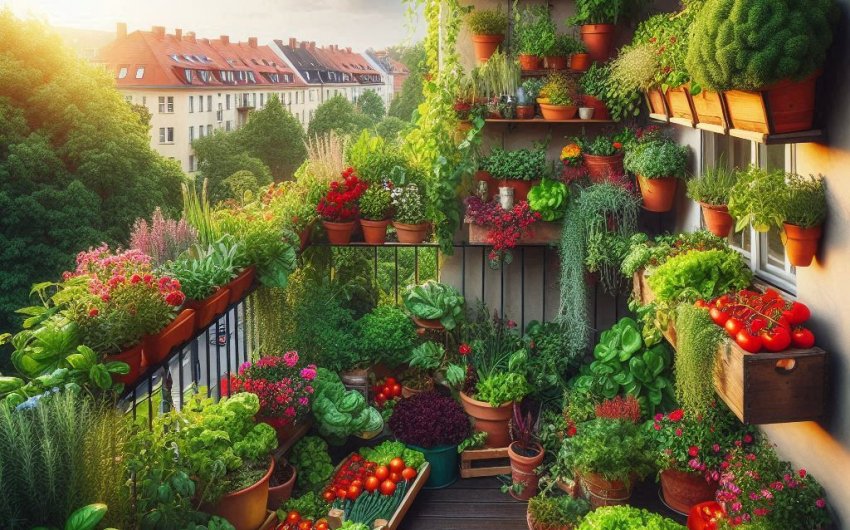
Do you dream of fresh, homegrown vegetables but think you don't have enough room? Learning how to grow vegetables in small spaces is not only possible but incredibly rewarding. Whether you have a tiny balcony, a sunny windowsill, or just a small patio, you can cultivate a thriving garden that provides fresh produce right at your fingertips. This guide will walk you through everything you need to know to transform your limited area into a productive edible oasis.
Why Should You Grow Vegetables in Small Spaces?
Even with limited square footage, the benefits of growing your own food are immense. Home gardening offers numerous advantages beyond just fresh produce. It connects you with nature, provides a healthy hobby, and can even save you money on groceries. Plus, knowing exactly where your food comes from gives incredible peace of mind. Small-space gardening makes these benefits accessible to everyone, regardless of living situation.
What are the main benefits of small-space vegetable gardening?
- Freshness and Flavor: Vegetables picked ripe from your garden taste far better than store-bought varieties.
- Convenience: Your produce is just steps away, ready when you need it.
- Cost Savings: Reduce your grocery bill by growing your own herbs and veggies.
- Healthier Eating: Control what goes into your food – no pesticides or harmful chemicals if you choose organic methods.
- Therapeutic Hobby: Gardening is a proven stress reliever and a wonderful way to connect with nature.
- Sustainable Living: Reduce your carbon footprint by growing local food.
- Educational for Families: A fantastic way to teach children about food sources and responsibility.
What Are the Best Vegetables for Small Spaces?
Choosing the right plants is crucial when learning how to grow vegetables in small spaces. Some vegetables naturally do better in confined areas due to their growth habit, root structure, or yield in a limited footprint. Focus on plants that are compact, can be grown vertically, or produce a continuous harvest.
Which compact vegetables thrive in containers?
Many popular vegetables are well-suited for container gardening. Look for varieties labeled "bush," "dwarf," or "compact."
- Leafy Greens: Lettuce, spinach, kale, arugula, and Swiss chard are excellent choices. They often have shallow roots and you can harvest outer leaves for a continuous supply.
- Herbs: Basil, mint, parsley, cilantro, rosemary, and thyme grow well in small pots and provide a constant supply for cooking.
- Root Vegetables (Shallow Varieties): Radishes, carrots (choose "short and stout" varieties like Paris Market Carrots), and small beets can do well in deeper containers.
- Bush Beans: Unlike pole beans, bush beans are compact and produce a good yield without needing a trellis.
- Peas (Dwarf Varieties): Look for dwarf or bush pea varieties that don't require extensive support.
- Compact Tomatoes: "Determinate" or "bush" tomato varieties like Tiny Tim or "patio" tomatoes are perfect for pots. Cherry tomatoes also tend to be very productive in containers.
- Peppers: Bell peppers and chili peppers often have a compact growth habit and are highly productive in pots.
- Strawberries: Everbearing varieties can produce fruit for months and look lovely spilling over the sides of containers.
- Cucumbers (Bush or Dwarf): Similar to tomatoes, choose "bush" or "patio" cucumber varieties that don't vine extensively, or train vining types vertically.
- Eggplant: Many eggplant varieties are quite compact and productive in a large pot.
How can vertical gardening maximize small spaces?
Vertical gardening is a game-changer for anyone wanting to learn how to grow vegetables in small spaces. It involves growing plants upwards, using structures like trellises, hanging planters, or tiered gardens. This technique uses air space rather than ground space, significantly increasing your planting area.
- Trellises and Stakes: Ideal for vining plants like pole beans, peas, cucumbers, and some squash. Provide a sturdy support structure early on.
- Hanging Baskets: Perfect for strawberries, cherry tomatoes, herbs, and leafy greens. Ensure they are well-watered as they can dry out quickly.
- Stacking Planters: These tiered systems allow you to grow multiple plants in a small footprint, great for herbs, greens, and strawberries. Mr. Stacky 5-Tier Strawberry Planter is a popular choice.
- Pocket Planters/Wall Gardens: Fabric or plastic pockets mounted on a wall can host herbs, lettuce, and small flowers.
- Pallet Gardens: Repurpose wooden pallets into vertical planters, creating multiple growing levels.
- Ladder Shelves: Place potted plants on the rungs of a ladder-style shelf to create a multi-level display.
What Are the Essential Supplies for Small-Space Gardening?
Once you've chosen your plants and decided on a growing method, gathering the right supplies is the next step in mastering how to grow vegetables in small spaces. Quality tools and materials will make your gardening experience more enjoyable and successful.
What types of containers are best for small gardens?
The right container is vital. It needs good drainage, enough space for root development, and to be durable.
- Terracotta Pots: Porous material allows good air circulation to roots, but they dry out quickly. Best for plants that prefer drier conditions.
- Plastic Pots: Lightweight, inexpensive, and retain moisture well. Can get hot in direct sun, potentially overheating roots.
- Fabric Grow Bags: Excellent for aeration, preventing root circling, and promoting healthy root growth. They are lightweight, portable, and come in various sizes. Smart Pots are highly recommended.
- Window Boxes: Great for herbs, lettuce, and shallow-rooted flowers on windowsills or railings.
- Self-Watering Planters: These have a reservoir that holds water, reducing the frequency of watering. Ideal for busy gardeners.
- Repurposed Containers: Get creative! Old tires, plastic bins, buckets (with drainage holes added), or even sturdy laundry baskets can become planters.
Tip: Always ensure any container you use has drainage holes at the bottom to prevent root rot. You can drill them yourself if necessary.
What kind of soil should I use?
Do not use garden soil directly in containers. It's too dense and doesn't drain well enough for container plants.
- Potting Mix: This is specifically designed for containers. It's lightweight, drains well, and provides the right balance of aeration and moisture retention. Look for mixes that contain perlite, vermiculite, and compost.
- Organic Potting Mix: For growing edible plants, choosing an organic potting mix ensures your vegetables are free from synthetic fertilizers and pesticides.
- Compost: Mixing in some good quality compost will enrich your soil with nutrients and improve its structure.
What other tools will I need?
You don't need a huge shed full of tools for a small-space garden, but a few basics will be very helpful.
- Hand Trowel: For digging small holes, transplanting, and scooping soil.
- Hand Pruners/Snips: Essential for harvesting, trimming, and deadheading.
- Watering Can: A small watering can with a gentle shower head is perfect for evenly watering containers without washing away soil.
- Gloves: Protect your hands from dirt and thorns.
- Mister/Spray Bottle: Useful for seedlings or applying foliar feeds.
- Small Shovel/Scoop: For moving larger amounts of soil.
How Do I Start My Small-Space Vegetable Garden?
Getting started is the most exciting part of learning how to grow vegetables in small spaces. A little planning goes a long way in ensuring your garden's success.
Step-by-Step Guide to Setting Up Your Garden
Assess Your Space:
- Sunlight: Observe how much direct sunlight your chosen area receives. Most vegetables need at least 6-8 hours of direct sun per day. Areas with less sun are better for leafy greens and some root vegetables.
- Access to Water: Is there a water source nearby? Hauling water can become a chore if it's too far.
- Wind and Shelter: Is your space exposed to strong winds that could damage plants or dry out containers quickly?
- Weight Capacity: If gardening on a balcony or rooftop, ensure it can support the weight of wet soil and containers.
Choose Your Vegetables Wisely:
- Select vegetables that you and your family enjoy eating.
- Match plants to your sunlight conditions and container sizes.
- Consider companion planting to deter pests and boost growth (e.g., basil with tomatoes).
Select Your Containers:
- Match container size to the mature size of the plant's root system.
- Ensure all containers have adequate drainage holes.
Vegetable Type Minimum Pot Depth Minimum Pot Diameter Leafy Greens 6-8 inches (15-20cm) 6-12 inches (15-30cm) Herbs 6-8 inches (15-20cm) 6-10 inches (15-25cm) Radishes/Carrots 8-12 inches (20-30cm) 6-8 inches (15-20cm) Bush Beans/Peas 8-12 inches (20-30cm) 10-14 inches (25-35cm) Compact Tomatoes 12-18 inches (30-45cm) 14-20 inches (35-50cm) Peppers/Eggplant 12-16 inches (30-40cm) 12-16 inches (30-40cm) Prepare Your Potting Mix:
- Use a high-quality potting mix. You can amend it with compost (1 part compost to 3 parts potting mix) for added nutrients.
- Never use garden soil directly.
Plant Your Seeds or Seedlings:
- Seeds: Follow package instructions for depth and spacing. Seeds are generally cheaper and offer more variety.
- Seedlings (Starts): If buying plants from a nursery, gently remove them from their temporary pots, loosen any circling roots, and plant them at the same depth they were in their original container.
Water Thoroughly After Planting:
- Water until you see water draining from the bottom of the container. This ensures the soil is evenly moist.
Provide Support (If Needed):
- For vining plants like cucumbers or pole beans, install trellises or stakes at the time of planting to avoid disturbing roots later.
How Do I Care for My Small-Space Vegetable Garden?
Proper care is essential for a productive garden when learning how to grow vegetables in small spaces. Container plants have different needs than in-ground gardens, especially regarding watering and feeding.
How often should I water container vegetables?
Watering is the most frequent task for container gardeners. Containers dry out much faster than garden beds.
- Check Daily: Stick your finger about an inch or two into the soil. If it feels dry, it's time to water.
- Water Deeply: Water until you see water draining from the bottom. This ensures the entire root ball is moistened.
- Frequency Varies: Factors like plant size, container size, temperature, humidity, and wind will affect how often you need to water. On hot, sunny, windy days, you might need to water twice a day.
- Avoid Overhead Watering: Try to water the soil directly to prevent fungal diseases on leaves. A long-spout watering can is helpful.
When and how should I fertilize my plants?
Potting mix contains some initial nutrients, but these are quickly depleted by plants, especially in smaller containers. Fertilizing is crucial.
- Start Fertilizing: Begin feeding your plants about 2-4 weeks after planting, or when they start producing true leaves.
- Liquid Fertilizers: Water-soluble liquid fertilizers are easiest for container plants, as they deliver nutrients directly to the roots.
- Organic Options:
- Fish Emulsion: A good all-purpose organic fertilizer.
- Seaweed Extract: Provides trace minerals and acts as a plant stimulant.
- Compost Tea: A diluted liquid made from steeped compost, full of beneficial microbes and nutrients.
- Frequency: Most liquid fertilizers are applied every 2-4 weeks. Always follow the product's instructions for dilution and frequency.
- Slow-Release Granules: You can also mix slow-release organic granules into the potting mix at planting time for a steady supply of nutrients over several months.
How do I manage pests and diseases organically?
Even in small spaces, pests can be an issue. Early detection and organic solutions are key.
- Regular Inspection: Check your plants daily for any signs of pests (tiny bugs, sticky residue, chewed leaves) or disease (spots, discoloration, wilting).
- Hand Picking: For larger pests like tomato hornworms, simply pick them off and dispose of them.
- Strong Water Spray: A strong spray of water can dislodge aphids and spider mites.
- Neem Oil: An organic pesticide and fungicide. Mix according to instructions and spray on affected plants. Organic Neem Oil Spray is effective.
- Insecticidal Soap: Effective against soft-bodied insects like aphids, whiteflies, and spider mites.
- Companion Planting: Certain plants can deter pests. For example, marigolds can repel nematodes, and basil can deter flies.
- Good Air Circulation: Space your plants properly to allow for air flow, which helps prevent fungal diseases.
- Remove Infected Parts: Promptly remove and discard any diseased leaves or branches to prevent spread.
What are common small-space gardening problems and solutions?
| Problem | Symptom | Possible Cause | Solution |
|---|---|---|---|
| Yellowing Leaves | Old leaves yellowing, then dropping | Nitrogen deficiency | Apply a balanced liquid fertilizer or compost tea. |
| Yellowing with burnt tips | Too much fertilizer | Flush soil with plain water; reduce fertilizer frequency. | |
| Yellowing all over, stunted growth | Overwatering/Poor drainage | Check drainage holes; allow soil to dry out more between waterings. | |
| Wilting Plants | Leaves drooping, especially in heat | Underwatering | Water deeply and frequently. |
| Wilting despite watering | Root rot or disease | Check drainage; consider repotting if roots are mushy. | |
| Blossom End Rot | Black, sunken spot on bottom of fruit | Calcium deficiency (often due to inconsistent watering) | Ensure consistent watering; add calcium supplement if needed. |
| Stunted Growth | Plants not growing well | Insufficient light, nutrients, or water; too small pot | Provide more sun; fertilize; repot; check watering. |
| Leggy Seedlings | Tall, thin, weak stems | Not enough light | Move to a brighter spot or use a grow light. |
| Fruit Won't Set | Flowers drop, no fruit | Poor pollination; extreme heat/cold | Hand-pollinate if necessary; provide shade during heatwaves. |
How Can I Harvest and Enjoy My Small-Space Vegetables?
The best part about learning how to grow vegetables in small spaces is enjoying the fruits (and vegetables!) of your labor. Proper harvesting techniques can extend your yield and keep your plants productive.
When is the best time to harvest?
- Leafy Greens: Harvest outer leaves as needed for a continuous supply. For a full harvest, cut the entire plant a couple of inches above the soil, and it may regrow.
- Herbs: Snip off leaves and stems as needed. Regular harvesting encourages bushier growth.
- Radishes: Pull when roots are about 1 inch in diameter, typically 3-4 weeks after planting.
- Carrots: Harvest when the tops of the roots are visible and about 1/2 inch to 1 inch in diameter.
- Bush Beans/Peas: Pick pods regularly to encourage more production, usually when they are tender and plump.
- Tomatoes: Harvest when they are fully colored and slightly soft to the touch.
- Peppers/Eggplant: Pick when they reach their mature size and color, before they get overly soft.
- Strawberries: Harvest when fully red.
Tips for continuous harvesting:
- "Cut and Come Again" Varieties: Many leafy greens (lettuce, spinach, kale) and herbs can be harvested by taking only the outer leaves, allowing the plant to continue producing from the center.
- Succession Planting: Plant small batches of seeds every 2-3 weeks for crops like lettuce, radishes, and bush beans. This ensures a steady supply rather than one big harvest.
- Regular Picking: The more you pick certain vegetables (like beans, peas, and cucumbers), the more the plant will produce, as it's trying to make more seeds.
What Are Some Advanced Tips for Small-Space Vegetable Gardening?
Once you've mastered the basics of how to grow vegetables in small spaces, you might want to explore more advanced techniques to boost your yield and efficiency.
How can I extend my growing season?
- Cold Frames: A simple box with a clear lid that traps solar heat can extend your season into cooler months for cold-hardy crops.
- Row Covers: Lightweight fabric placed over plants can protect them from light frosts and pests.
- Indoor Seed Starting: Start seeds indoors 4-8 weeks before your last frost date to get a head start on the growing season.
- Grow Lights: For truly limited light or for starting seeds, a small LED grow light can make a huge difference, allowing you to grow herbs or greens indoors year-round.
What is hydroponics or aquaponics for small spaces?
For the truly space-constrained or tech-savvy gardener, hydroponics and aquaponics offer ways to grow vegetables without soil.
- Hydroponics: Growing plants in nutrient-rich water solutions. Systems can be very compact and use less water than traditional methods. Small countertop hydroponic systems are perfect for growing herbs and lettuce indoors.
- Aquaponics: Combines aquaculture (raising fish) with hydroponics. Fish waste provides nutrients for the plants, and the plants filter the water for the fish, creating a symbiotic system. This is more complex but can be done on a small scale.
How can I incorporate companion planting?
Companion planting involves placing specific plants near each other to benefit growth, deter pests, or attract beneficial insects.
- Tomatoes & Basil: Basil is said to improve tomato flavor and deter tomato hornworms.
- Carrots & Rosemary: Rosemary can deter carrot rust flies.
- Lettuce & Mint: Mint can deter slugs, but plant it in a separate pot as it spreads aggressively.
- Beans & Marigolds: Marigolds can deter nematodes and other soil pests.
- Nasturtiums: Planted near squash or cucumbers, they can act as a "trap crop," attracting aphids away from your main plants.
What about managing drainage and root health?
Good drainage is paramount in container gardening.
- Drainage Holes: Ensure plenty of them. If only one or two, add more.
- Avoid Saucers that Hold Water: Don't let your pots sit in standing water unless they are self-watering systems designed for it. Empty saucers after watering.
- Root Pruning/Repotting: For perennial herbs or long-term vegetables, occasionally check roots. If they are circling tightly, you can lightly prune them or repot into a slightly larger container.
- Air Pruning: Fabric grow bags are excellent for "air pruning" roots, which prevents them from circling and encourages a healthier, more fibrous root system.
Cultivating a vegetable garden in a small space is a testament to ingenuity and a passion for fresh food. From understanding light requirements to selecting the perfect compact varieties and mastering container care, every step helps you achieve a bountiful harvest. With the right approach, learning how to grow vegetables in small spaces will empower you to enjoy delicious, homegrown produce, transforming even the smallest nook into a vibrant and productive garden.