
Create Your Dream Butterfly Garden
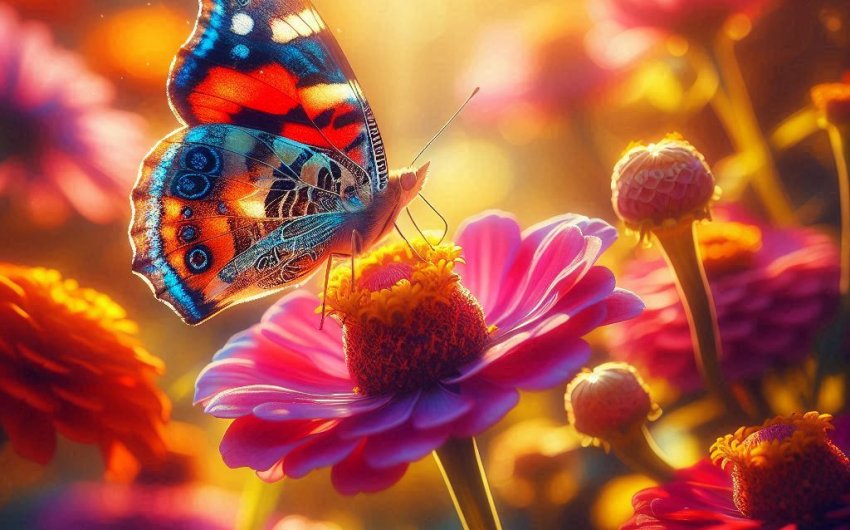
Are you dreaming of a backyard teeming with colorful, fluttering wings? Learning how to create a butterfly garden is an incredibly rewarding endeavor that transforms your outdoor space into a vibrant sanctuary for these delicate pollinators. Imagine sipping your morning coffee while monarch butterflies dance among the coneflowers, or swallowtails flit from one vibrant bloom to another. This comprehensive guide will walk you through every step, from planning your garden to attracting a diverse array of butterfly species, ensuring your efforts result in a truly magical experience.
Why Should You Create a Butterfly Garden?
Creating a butterfly garden offers numerous benefits, extending beyond just aesthetics. It's an act of environmental stewardship that supports local ecosystems and brings immense personal joy.
- Support Pollinators: Butterflies are vital pollinators, contributing to the health of our plant life and food sources. By providing a habitat, you directly aid their survival.
- Enhance Biodiversity: A thriving butterfly garden attracts other beneficial insects and birds, increasing the overall biodiversity of your property.
- Educational Opportunity: It's a fantastic living classroom for children and adults alike, offering insights into the life cycle of butterflies and the importance of conservation.
- Natural Beauty: Let's face it – a garden filled with vibrant flowers and graceful butterflies is simply stunning and provides a serene escape.
- Low Maintenance: Once established, many butterfly gardens require minimal upkeep, offering beauty without constant effort.
What Do Butterflies Need to Thrive in a Garden?
To successfully create a butterfly garden, you must understand the basic needs of butterflies throughout their life cycle. They require more than just pretty flowers; a complete habitat provides for every stage of their development.
- Nectar Sources (Food for Adults): Adult butterflies primarily feed on nectar, a sugary liquid found in flowers. A continuous supply of nectar-rich flowers blooming throughout the seasons is crucial.
- Host Plants (Food for Caterpillars): This is often overlooked but is perhaps the most critical component. Female butterflies lay their eggs on specific "host plants" that their caterpillars will eat. Without host plants, there are no caterpillars, and thus, no adult butterflies.
- Water Source: Butterflies need water, especially on hot days. A shallow water source with landing spots is ideal.
- Sunlight: Butterflies are cold-blooded and need the sun's warmth to become active. Most butterfly garden plants also thrive in full sun.
- Shelter: They need protection from strong winds, rain, and predators. Dense shrubs, trees, or even tall grasses can provide this.
How Do You Choose the Best Location for Your Butterfly Garden?
Selecting the right spot is foundational when you create a butterfly garden. The location dictates the success of your plants and the frequency of your butterfly visitors.
Sunlight Requirements
Most nectar and host plants preferred by butterflies require full sun, meaning at least six hours of direct sunlight per day. Observe your yard throughout the day to identify the sunniest spots. A south-facing or east-facing location is often ideal.
Wind Protection
Butterflies are delicate and struggle in strong winds. Choose a location that offers some natural protection from prevailing winds, such as near a fence, a building, or a dense hedge. If a naturally protected spot isn't available, consider planting taller shrubs or small trees as a windbreak on the windy side of your garden.
Accessibility and Viewing
Place your butterfly garden where you can easily observe and enjoy it. Near a patio, deck, or a window provides easy viewing opportunities. Consider the size and shape of the area; even a small plot or container garden can attract butterflies.
Proximity to Water and Electricity
While not strictly necessary, having a water source nearby can make watering new plants and maintaining your garden much easier. If you plan on any garden lighting or features, consider electrical access.
What Are the Best Plants for Attracting Butterflies?
Choosing the right plants is at the heart of learning how to create a butterfly garden. You need a mix of nectar plants for adult butterflies and host plants for their caterpillars. Opt for native plants whenever possible, as they are best adapted to your local climate and often more beneficial to native insect species.
Top Nectar Plants for Adult Butterflies
These plants provide a rich food source for a variety of butterfly species. Aim for a continuous bloom cycle from spring through fall.
- Purple Coneflower (Echinacea purpurea): A pollinator magnet, blooming from summer to fall. Purple Coneflower Seeds
- Butterfly Bush (Buddleia davidii): A classic butterfly attractant, but be aware it can be invasive in some regions. Check local regulations.
- Zinnia (Zinnia elegans): Easy to grow from seed and offers continuous blooms in many colors. Zinnia Seeds Assorted Colors
- Lantana (Lantana camara): Heat-tolerant and provides long-lasting blooms.
- Bee Balm (Monarda didyma): Attracts butterflies, bees, and hummingbirds.
- Phlox (Phlox paniculata): Fragrant and showy, great for mid-summer blooms.
- Asters (Symphyotrichum spp.): Essential for late-season nectar when other flowers fade.
- Sedum 'Autumn Joy' (Hylotelephium spectabile 'Autumn Joy'): Another late-season favorite.
- Salvia (Salvia spp.): Many varieties offer long bloom times and vibrant colors.
- Penta (Pentas lanceolata): Often called "Egyptian Starcluster," a continuous bloomer.
Essential Host Plants for Caterpillars
Remember, no host plants, no butterflies! Research which butterfly species are native to your region and plant their specific host plants.
- Milkweed (Asclepias spp.): Absolutely essential for Monarch butterflies. Plant native milkweed varieties to your area (e.g., Common Milkweed, Swamp Milkweed, Butterfly Weed). Native Milkweed Seeds
- Parsley, Dill, Fennel, Queen Anne's Lace: Host plants for Black Swallowtails. These are culinary herbs you can grow in your garden!
- Spicebush (Lindera benzoin): Host plant for Spicebush Swallowtails.
- Pawpaw (Asimina triloba): Host plant for Zebra Swallowtails.
- Willows, Poplars, Aspens: Host plants for Mourning Cloaks.
- Nettles (Urtica dioica): Host plant for Red Admirals, Question Marks, and Commas.
- Hollyhocks, Mallows (Alcea, Malva spp.): Host plants for Painted Ladies and various skippers.
- Clover, Alfalfa (Trifolium, Medicago spp.): Host plants for Sulphur butterflies.
- Passionflower (Passiflora spp.): Host plant for Gulf Fritillaries.
What Are the Steps to Design and Plant Your Butterfly Garden?
Once you've chosen your location and plants, it's time to put your plan into action. Here's a step-by-step guide to create a butterfly garden.
Step 1: Plan Your Garden Layout
Consider the mature size of your plants. Place taller plants at the back of the bed (or north side) so they don't shade out shorter plants. Group plants in clusters of three or more of the same species. This creates larger color blocks, which are easier for butterflies to spot.
- Visual Appeal: Think about color combinations and varying heights for an attractive display.
- Sunlight Needs: Ensure all plants receive their required sunlight.
- Accessibility: Leave paths or stepping stones if your garden is large, for easy watering and weeding.
Step 2: Prepare the Soil
Healthy soil is key to healthy plants.
- Clear the Area: Remove all weeds, grass, and debris from your chosen site.
- Test Your Soil: A soil test will tell you your soil's pH and nutrient levels. Most butterfly garden plants prefer well-drained soil with a slightly acidic to neutral pH (6.0-7.0). Soil Test Kit
- Amend the Soil: Incorporate plenty of organic matter, such as compost or well-rotted manure, to improve drainage, aeration, and nutrient content. Aim for a minimum of 2-4 inches of compost mixed into the top 6-12 inches of soil.
Step 3: Plant Your Garden
When you're ready to plant, follow these tips for success.
- Dig Appropriately Sized Holes: Dig holes that are twice as wide as the plant's root ball and just as deep.
- Carefully Remove Plants from Containers: Gently loosen any circling roots.
- Place Plants at the Right Depth: The top of the root ball should be level with the surrounding soil.
- Backfill with Soil: Gently firm the soil around the base of the plant to remove air pockets.
- Water Thoroughly: Water immediately after planting to help settle the soil and reduce transplant shock.
- Mulch: Apply a 2-3 inch layer of organic mulch (such as shredded bark or straw) around the plants. This helps retain soil moisture, suppress weeds, and regulate soil temperature. Keep mulch a few inches away from plant stems.
Step 4: Add Supplemental Elements
Enhance your butterfly garden with features that further attract and support butterflies.
- Butterfly Puddling Station: Butterflies need minerals. Create a puddling station by filling a shallow dish or saucer with moist sand or gravel. You can add a few rocks for landing spots. Periodically moisten it. Butterfly Puddling Dish
- Flat Rocks or Stones: Butterflies love to bask in the sun to warm themselves. Place some flat, dark-colored rocks in sunny spots for them to land on.
- Shelter: If natural shelter isn't available, consider planting a dense shrub or two on the windward side of your garden.
How Do You Maintain Your Butterfly Garden for Success?
Once you create a butterfly garden, consistent, yet minimal, maintenance will ensure its continued success and vibrancy.
Watering
- New Plants: Water new plants regularly until they are established, usually for the first few weeks or months.
- Established Plants: Most butterfly garden plants, especially natives, are quite drought-tolerant once established. Water deeply during prolonged dry spells. Check the soil moisture by sticking your finger about an inch or two into the soil; if it feels dry, it's time to water.
Weeding
- Regular Weeding: Weeds compete with your desired plants for water, nutrients, and sunlight. Hand-pull weeds regularly, especially when they are small.
- Mulch: A good layer of mulch will significantly reduce weed growth.
Deadheading and Pruning
- Deadheading: Removing spent blooms (deadheading) encourages many plants to produce more flowers, extending the nectar supply for butterflies.
- Pruning: Prune plants as needed to maintain shape, remove diseased or damaged branches, and encourage bushier growth. Avoid heavy pruning during peak caterpillar season if you want to support their development.
Pest and Disease Management (Organic Approach)
- Avoid Pesticides: This is paramount! Never use chemical pesticides, insecticides, or herbicides in or near your butterfly garden. These chemicals are indiscriminate and will harm or kill caterpillars and adult butterflies. Even "organic" pesticides can be detrimental.
- Embrace Nature: Learn to tolerate a certain level of insect activity. Caterpillars will munch on host plants; this is exactly what you want!
- Manual Removal: For problematic pests (that aren't caterpillars!), try hand-picking them off plants or using a strong spray of water.
- Beneficial Insects: Encourage natural predators like ladybugs, lacewings, and predatory wasps by planting a diverse array of flowers.
Fertilizing
- Minimal Fertilization: If you've amended your soil with organic matter, additional fertilization is often unnecessary. Over-fertilizing can lead to lush foliage but fewer flowers.
- Compost Tea: If your plants seem to be struggling, a light application of compost tea or a balanced organic fertilizer can provide a gentle boost.
How Can You Support the Entire Butterfly Life Cycle?
A truly successful butterfly garden supports all four stages of the butterfly life cycle: egg, larva (caterpillar), pupa (chrysalis), and adult.
Understanding Host Plants' Role
Remember that host plants are where butterflies lay their eggs. Each butterfly species is specific about its host plant. For instance, Monarchs only lay eggs on milkweed. If you want to see monarch caterpillars, you must have milkweed.
Protecting Caterpillars
Once you have caterpillars, protect them!
- Resist the Urge to Relocate: Let them munch on the host plant leaves. That's their job.
- Avoid Disturbing: Try not to disturb caterpillars or chrysalises once you spot them. They are vulnerable.
- Be Mindful When Weeding: Carefully check leaves before weeding or pruning to ensure no caterpillars or eggs are present.
Providing Shelter for Chrysalises
Many caterpillars will wander off their host plant to pupate. Some form chrysalises on stems or leaves of other plants, or even on structures nearby.
- Leave Leaf Litter: Some species pupate in leaf litter at the base of plants. Resist the urge to clean up every fallen leaf, especially in the fall.
- Undisturbed Areas: Provide some undisturbed, slightly wilder areas in your garden where chrysalises can be safe from predators and human interference.
Overwintering Butterflies
Some butterflies overwinter as adults, others as pupae or eggs. Understanding the overwintering habits of local species can help you provide a safe haven.
- Leave Plant Stems: Certain species, like some anglewings, may overwinter in hollow stems of plants. Avoid cutting back all perennials in the fall; leave some standing until spring.
- Brush Piles: A small brush pile can offer shelter for adult butterflies or pupae during cold months.
What Are Some Common Mistakes to Avoid in a Butterfly Garden?
Even with the best intentions, it's easy to make missteps. Being aware of these common pitfalls will help you create a butterfly garden that flourishes.
Using Pesticides
This is the biggest and most critical mistake. Any chemical pesticide, even those marketed as "gentle," can be fatal to butterflies and their larvae. Remember, what kills "pests" also kills beneficial insects and pollinators. Embrace a holistic, organic approach.
Not Including Host Plants
Many new butterfly gardeners focus solely on nectar plants. While beautiful, these only feed adult butterflies. Without host plants, you'll never see the full life cycle and will miss out on the magic of watching caterpillars transform.
Planting Non-Native Species
While some non-native plants can provide nectar, native plants are generally superior. They are best adapted to your local climate, require less water and care, and are the specific food source for native butterfly species' caterpillars. Non-native butterfly bushes, for example, can be invasive and don't host many caterpillars.
Insufficient Sunlight
Butterflies and most of their preferred plants need lots of sun. Planting in too much shade will result in sparse blooms and fewer butterfly visitors.
Lack of Diversity
A garden with only one or two types of flowers won't attract a wide range of butterflies. Aim for diverse plant heights, colors, and bloom times to provide a continuous food source and cater to different species.
Neglecting Water Sources
While not as critical as nectar or host plants, a shallow water source is a welcome addition, especially in hot, dry climates.
Too Tidy a Garden
Sometimes, a little messiness is good for wildlife. Piles of leaves or a few untrimmed stems can provide essential shelter for overwintering butterflies or pupating caterpillars.
Expanding Your Butterfly Garden Efforts
Once you've mastered how to create a butterfly garden, consider ways to expand your efforts and connect with the broader conservation community.
Certify Your Garden
Many organizations offer certifications for pollinator-friendly gardens, such as Monarch Waystation certification from Monarch Watch or local Audubon Society programs. This acknowledges your efforts and helps raise awareness.
Share Your Knowledge
Talk to your neighbors, friends, and family about your butterfly garden. Share your successes and lessons learned. Encourage others to plant pollinator-friendly gardens.
Join Local Gardening Groups
Connect with local gardening clubs or native plant societies. These groups are excellent resources for local plant information, gardening tips, and opportunities to participate in community conservation projects.
Advocate for Pollinators
Support policies and initiatives that protect pollinators and their habitats, such as reducing pesticide use in public spaces or promoting native plant landscaping.
Observe and Document
Spend time in your garden observing the butterflies. Identify the species you see, note their behavior, and document the caterpillars. This connection deepens your appreciation and understanding. Consider participating in citizen science projects that track butterfly populations.
Learning how to create a butterfly garden is more than just landscaping; it's about fostering life, beauty, and ecological balance right in your own backyard. By providing essential nectar sources, crucial host plants, and a safe, pesticide-free environment, you're not only attracting these enchanting creatures but actively contributing to their conservation. Enjoy the vibrant dance of wings and the quiet satisfaction of knowing you've made a difference for these vital pollinators.