
Indoor Gardening Tips for Beginners: Your Green Journey Starts Here
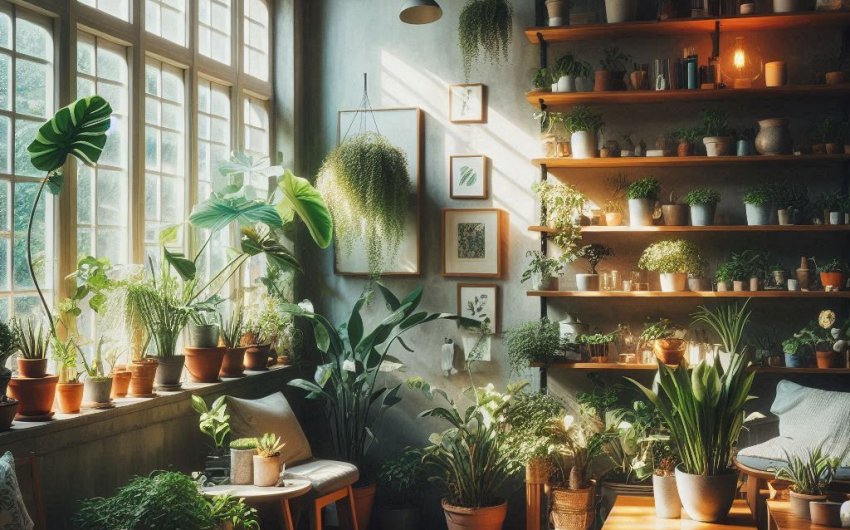
Stepping into the world of indoor gardening can feel a bit overwhelming at first, but with the right indoor gardening tips for beginners, you'll soon discover the joy and satisfaction of nurturing plants within your home. Whether you dream of a lush green jungle, a kitchen filled with fresh herbs, or simply a single thriving houseplant to brighten your space, this guide will equip you with the fundamental knowledge and practical advice to ensure your indoor plants not only survive but truly flourish. Get ready to transform your living space into a vibrant, breathable sanctuary!
Why start indoor gardening?
Indoor gardening isn't just a trend; it's a lifestyle choice that offers a surprising number of benefits, touching on everything from your well-being to your home's atmosphere.
What are the advantages of growing plants indoors?
- Improved Air Quality: Plants act as natural air purifiers, absorbing toxins and releasing oxygen. Studies show certain houseplants can reduce indoor air pollutants, leading to a healthier living environment.
- Boosted Mood and Well-being: Spending time with plants can reduce stress, lower blood pressure, and improve focus. The simple act of caring for a living thing can provide a sense of purpose and calm.
- Increased Humidity: Especially in dry climates or during winter months when heaters are on, plants release moisture into the air, helping to alleviate dry skin, irritated throats, and static electricity.
- Year-Round Greenery: No matter the season outside, your indoor garden provides a constant touch of nature, brightening your home and lifting your spirits, especially during gloomy weather.
- Fresh Food at Your Fingertips: Grow herbs, leafy greens, or even small fruits and vegetables to add fresh, organic ingredients to your meals, reducing grocery bills and promoting healthier eating.
- Enhanced Home Decor: Plants add natural beauty, texture, and color to any room, transforming sterile spaces into vibrant, inviting areas. They are living decor that evolves.
- Educational Opportunity: Indoor gardening is a fantastic way to learn about botany, plant care, and ecosystems, engaging both children and adults in a hands-on learning experience.
- Therapeutic Hobby: For many, gardening is a mindful practice, a way to disconnect from digital screens and reconnect with something tangible and alive.
How do I choose the right plants for beginners?
The secret to a successful start in indoor gardening often lies in selecting plants that are forgiving and resilient, able to withstand a beginner's learning curve.
What are easy-to-care-for houseplants for new gardeners?
Opt for plants known for their hardiness and adaptability. Here are some excellent choices:
- Snake Plant (Sansevieria trifasciata): Almost indestructible! Tolerates low light, infrequent watering, and a range of temperatures. Perfect for busy individuals.
- ZZ Plant (Zamioculcas zamiifolia): Another incredibly tough plant. It thrives on neglect, tolerates low light, and stores water in its rhizomes, meaning it needs very little watering.
- Pothos (Epipremnum aureum): Versatile and fast-growing, with trailing vines. Tolerates various light conditions (prefers bright, indirect) and signals clearly when it needs water (leaves droop). Comes in many attractive varieties.
- Spider Plant (Chlorophytum comosum): Easy to grow, produces "spiderettes" (baby plants) that can be easily propagated. Tolerates medium to bright indirect light.
- Peace Lily (Spathiphyllum): Known for its elegant white flowers and glossy green leaves. It dramatically wilts when thirsty, making it easy to know when to water, and quickly perks up after a drink. Prefers medium to low light.
- Aloe Vera (Aloe barbadensis miller): A succulent with medicinal properties. Needs bright, indirect light and infrequent watering (allow soil to dry completely).
- Jade Plant (Crassula ovata): A classic succulent that's very easy to care for. Requires bright light and minimal watering.
- Prayer Plant (Maranta leuconeura): Beautiful patterned leaves that fold up at night like praying hands. Prefers medium to bright indirect light and consistent moisture, but still relatively forgiving.
For edible plants, start with:
- Mint: Incredibly vigorous, grows easily from cuttings. Keep it in its own pot as it can be invasive.
- Basil: Needs plenty of sun and consistent moisture but grows quickly and provides delicious fresh leaves.
- Chives: Easy to grow, provides mild onion flavor, and regrows quickly after snipping.
What are the essential requirements for indoor plants?
Every living plant has basic needs, and understanding these is fundamental to successful indoor gardening. Think of yourself as their provider, mimicking their natural environment as much as possible.
What do indoor plants need to thrive?
- Light: This is arguably the most critical factor. Plants convert light into energy (photosynthesis).
- Direct Light: Unfiltered sunlight streaming directly onto the plant (e.g., south-facing window). Suitable for succulents, cacti, and some herbs.
- Bright Indirect Light: Bright light but not direct sun. Often found near east or west-facing windows, or a few feet away from a south-facing window. Ideal for most common houseplants like Pothos, Peace Lilies, and Fiddle Leaf Figs.
- Medium Light: Less intense light, often found in rooms with north-facing windows or further away from windows. Suitable for ZZ plants, Snake Plants, and Cast Iron Plants.
- Low Light: Very little natural light. Few plants truly thrive in very low light; most survive. Snake plants and ZZ plants are your best bet here.
- Supplementing Light: If your home lacks sufficient natural light, consider a grow light. Modern LED grow lights are energy-efficient and effective.
- Water: The biggest killer of houseplants is often overwatering.
- "Finger Test": Stick your finger 1-2 inches into the soil. If it feels dry, it's time to water. If it's still moist, wait.
- Thorough Watering: When you water, water thoroughly until you see water draining from the bottom of the pot. This ensures the entire root ball gets hydrated.
- Drainage: Always use pots with drainage holes and saucers to catch excess water. Never let plants sit in standing water.
- Water Type: Most tap water is fine, but some plants are sensitive to chlorine or fluoride. Letting tap water sit out overnight can help dissipate chlorine.
- Humidity: Many houseplants originate from tropical environments and appreciate higher humidity.
- Signs of Low Humidity: Crispy leaf edges, browning tips, or plants looking generally droopy.
- Solutions:
- Misting: Lightly mist the leaves daily or every other day (check if your plant likes it, some don't).
- Pebble Tray: Place a tray filled with pebbles and water beneath your pot (ensure the pot isn't sitting directly in the water). As the water evaporates, it creates humidity around the plant.
- Humidifier: For a collection of plants, a room humidifier can significantly boost humidity.
- Grouping Plants: Grouping plants together can create a mini-microclimate of higher humidity.
- Temperature: Most houseplants prefer temperatures similar to what humans find comfortable – generally between 65-75°F (18-24°C) during the day and slightly cooler at night. Avoid extreme drafts from open windows or vents, and keep plants away from direct heat sources like radiators.
- Soil: The right potting mix provides nutrients, anchors the plant, and holds moisture while allowing drainage.
- Not Garden Soil: Never use soil from your outdoor garden for houseplants. It's too dense, compacted, and can harbor pests.
- Potting Mix: Use a good quality indoor potting mix that is light and well-draining. Some mixes are formulated for specific plant types (e.g., succulent mix, orchid mix).
- Nutrients (Fertilizer): While soil provides initial nutrients, plants eventually use them up.
- Frequency: Fertilize during the active growing season (spring and summer) every 2-4 weeks, or according to product instructions. Reduce or stop fertilizing in fall and winter when growth slows.
- Type: Use a balanced liquid houseplant fertilizer at half the recommended strength to avoid burning roots. Organic options are also available.
How do I choose the right pot for my indoor plants?
The pot isn't just about aesthetics; it plays a vital role in your plant's health, primarily through drainage and material.
What are the best pot types and sizes for houseplants?
- Drainage Holes are Essential: This cannot be stressed enough. Every pot must have drainage holes at the bottom. Without them, water collects, leading to root rot, the most common cause of houseplant death. If a decorative pot lacks holes, use a slightly smaller nursery pot with holes inside it and remove the plant for watering.
- Pot Material:
- Terra Cotta (Clay): Porous material that allows excess moisture to evaporate, making it great for plants that prefer drier conditions (like succulents, cacti, and ZZ plants) or for gardeners prone to overwatering. They are heavy and can break easily.
- Plastic: Lightweight, affordable, and retain moisture well. Good for plants that prefer consistently moist soil (like ferns or some tropical plants). Ensure plenty of drainage holes.
- Ceramic: Often decorative, heavier, and retain moisture similar to plastic. Check for drainage holes.
- Fabric Grow Bags: Excellent for aeration and preventing root circling. Promote healthy root development. Fabric grow bags are lightweight and can be good for larger plants.
- Pot Size:
- Don't Oversize: A common mistake is putting a small plant in a huge pot. Too much soil around the roots retains excessive moisture, leading to rot.
- General Rule: Choose a pot that is only slightly larger (1-2 inches in diameter) than the plant's current root ball.
- Repotting: As your plant grows and becomes root-bound (roots circling at the bottom or growing out of drainage holes), it's time to repot into a slightly larger size.
When and how should I repot my indoor plants?
Repotting is a crucial maintenance task that provides fresh nutrients and space for growing roots, promoting overall plant health.
What are the signs and steps for repotting?
Signs Your Plant Needs Repotting:
- Roots are growing out of the drainage holes.
- Roots are circling tightly at the top of the soil or around the root ball.
- Water runs straight through the pot, meaning the soil is no longer absorbing water effectively.
- The plant is top-heavy and tips over easily.
- Growth has slowed significantly, and the plant looks stunted despite good care.
- It's been 1-2 years since its last repotting (most plants benefit from fresh soil every 1-3 years).
Steps for Repotting:
- Choose the Right Size: Select a new pot that is only 1-2 inches larger in diameter than the current one.
- Gather Supplies: New pot with drainage holes, fresh potting mix, gardening gloves, small trowel or scoop.
- Prepare the New Pot: Add a layer of fresh potting mix to the bottom of the new pot.
- Remove the Plant: Gently tip the old pot on its side and carefully slide the plant out. You might need to gently tap the sides or run a knife along the edge.
- Inspect Roots: Gently loosen any tightly circling roots at the bottom of the root ball. You can gently massage them to encourage them to spread out.
- Position the Plant: Place the plant in the new pot, ensuring the top of the root ball is at the same level as it was in the old pot. Don't bury the stem deeper than it was.
- Fill with Soil: Fill around the root ball with fresh potting mix, gently firming it down to remove air pockets. Leave about 1 inch of space from the rim for watering.
- Water Thoroughly: Water the newly repotted plant until water drains from the bottom.
- Aftercare: Place the plant back in its preferred light conditions. Avoid fertilizing for about a month to allow the plant to settle into its new environment and utilize the fresh nutrients in the new soil.
How do I effectively water my indoor plants?
Watering is often cited as the most challenging aspect of houseplant care. The key is consistency and understanding what your specific plant needs.
What are the best practices for watering indoor plants?
- The Finger Test (Again!): This is your best tool. Stick your finger 1-2 inches into the soil. If it feels dry, water. If it feels moist, wait. Don't water on a schedule (e.g., "every Sunday") as needs vary with light, temperature, season, and plant type.
- Thorough Soaking: When you water, water generously until you see water running out of the drainage holes into the saucer. This ensures the entire root ball is moistened.
- Empty Saucers: Never let your plant sit in standing water. After watering, empty any excess water from the saucer within 15-30 minutes. Prolonged standing water leads to root rot.
- Water Temperature: Use room temperature water. Cold water can shock roots.
- Water Quality: Most tap water is fine. If you have very hard water or highly chlorinated water, consider letting it sit out for 24 hours before use, or use filtered water.
- Bottom Watering (for some plants): For plants that dislike wet leaves (like African Violets) or those with compact foliage, you can place the pot in a tray or sink filled with 1-2 inches of water. Let the plant soak up water from the bottom for 20-30 minutes, or until the top of the soil feels moist. Then remove and let drain completely.
- Seasonality: Plants typically need less water in winter when growth slows and light levels are lower. Adjust your watering frequency accordingly.
- Observe Your Plant: Learn its signals. Wilting leaves usually mean it's thirsty. Yellowing, mushy leaves, or a musty smell from the soil often indicate overwatering.
How do I feed my indoor plants with fertilizer?
While potting mix provides initial nutrients, they eventually get used up. Fertilizing replenishes these vital elements, encouraging robust growth and flowering.
What are the basics of fertilizing houseplants?
- When to Fertilize:
- Growing Season: Fertilize during the active growing season, which is typically spring and summer. This is when your plants are putting out new leaves, stems, or flowers.
- Dormancy: Reduce or stop fertilizing in fall and winter when most plants enter a period of dormancy or slower growth. Fertilizing dormant plants can lead to root burn.
- After Repotting: Wait about a month after repotting before fertilizing, as fresh potting mix contains new nutrients.
- What Kind of Fertilizer:
- Balanced Liquid Fertilizer: For most general houseplants, a balanced liquid houseplant fertilizer (e.g., 5-5-5 or 10-10-10 N-P-K) is a good choice. Liquid fertilizers are easy to dilute and apply.
- Slow-Release Granules: Some fertilizers come in granular form that slowly release nutrients over several months.
- Specific Formulations: Some plants (like orchids, African violets, or citrus) benefit from specific fertilizer formulations.
- Dilution is Key: A common beginner mistake is over-fertilizing, which can burn plant roots. Always dilute liquid fertilizers to half the strength recommended on the package, especially when you're starting out. "Weakly, weekly" is a good motto.
- Apply to Moist Soil: Never apply fertilizer to dry soil. Always water your plant thoroughly before fertilizing to protect the roots.
- Organic Options: For those preferring a natural approach, options like fish emulsion, liquid kelp, or worm castings can provide nutrients. Note that some organic options may have a slight odor.
How do I manage common indoor plant pests and diseases?
No gardener is immune to pests, but early detection and consistent care can prevent major infestations. Most indoor plant problems are easily manageable.
What are common indoor plant pests and how to treat them?
- Pests:
- Fungus Gnats: Tiny black flies often seen flying around soil or hovering near plants. Their larvae feed on roots, especially in overly wet soil.
- Solution: Allow the top inch or two of soil to dry out completely between waterings. Use yellow sticky traps to catch adults. For severe cases, try BTI (Bacillus thuringiensis israelensis) dunks in your watering can.
- Spider Mites: Tiny arachnids that create fine webs, often on the undersides of leaves. Leaves might look speckled or dusty.
- Solution: Increase humidity. Spray with a strong stream of water to dislodge them. Use insecticidal soap or Neem oil spray (follow directions).
- Mealybugs: White, cottony masses typically found in leaf axils (where leaves meet the stem) or along stems.
- Solution: Dab them directly with a cotton swab dipped in rubbing alcohol. For larger infestations, use insecticidal soap or Neem oil.
- Aphids: Small, soft-bodied insects, green, black, or red, clustered on new growth.
- Solution: Blast with a strong stream of water. Use insecticidal soap.
- Fungus Gnats: Tiny black flies often seen flying around soil or hovering near plants. Their larvae feed on roots, especially in overly wet soil.
- Diseases: Most indoor plant diseases are fungal and caused by overwatering or poor air circulation.
- Root Rot: Yellowing, wilting leaves, mushy stems, and a foul smell from the soil. Caused by consistently wet soil.
- Solution: Remove the plant from the pot, trim off rotten, mushy roots, and repot in fresh, well-draining soil. Adjust watering habits.
- Powdery Mildew: White, powdery patches on leaves.
- Solution: Improve air circulation. Spray with a diluted solution of baking soda (1 teaspoon per quart of water) or Neem oil.
- Root Rot: Yellowing, wilting leaves, mushy stems, and a foul smell from the soil. Caused by consistently wet soil.
Prevention is Your Best Defense:
- Inspect New Plants: Always thoroughly inspect new plants for pests before bringing them into your home.
- Quarantine: Isolate new plants for a few weeks to ensure they are pest-free.
- Good Airflow: Ensure adequate air circulation around your plants.
- Cleanliness: Remove dead leaves or debris from the soil surface.
- Proper Watering: Avoid overwatering, which creates a damp environment that many pests and diseases love.
What are some extra tips for beginner indoor gardeners?
Beyond the basics, a few extra habits can significantly improve your indoor gardening success and enjoyment.
What else should I know for a thriving indoor garden?
- Pruning and Trimming:
- Deadheading: Remove spent flowers to encourage new blooms.
- Pinching: Pinch back leggy growth to encourage bushier, fuller plants.
- Removing Dead Leaves: Snip off yellow, brown, or dead leaves. This improves the plant's appearance and directs energy to healthy growth.
- Cleaning Leaves: Dust can accumulate on plant leaves, blocking sunlight absorption. Gently wipe down large, broad leaves with a damp cloth every few weeks. For smaller plants, a gentle shower or misting can help.
- Rotating Plants: Rotate your pots every few days or weekly to ensure all sides of the plant receive adequate light, promoting even growth and preventing leaning.
- Patience and Observation: Plants grow on their own timeline. Don't expect instant results. Spend time observing your plants. Learn their language – how they look when thirsty, when they're happy, or when something is wrong.
- Group Plants: Many plants enjoy being grouped together as it slightly increases local humidity and can create a micro-climate they thrive in.
- Terrariums and Plant Cuttings: As you gain confidence, explore fun projects like creating mini-terrariums or propagating new plants from cuttings. Many common houseplants like Pothos, Philodendrons, and Spider Plants root easily in water. A simple propagation station can be a fun addition.
- Join a Community: Connect with other indoor gardeners online or in person. Sharing experiences and asking questions is a great way to learn and stay motivated.
- Don't Be Afraid to Fail: Every gardener, no matter how experienced, has lost a plant (or many!). It's part of the learning process. Don't get discouraged; analyze what went wrong, and apply those lessons to your next plant.
Embarking on the journey of indoor gardening is an enriching experience that brings beauty, life, and calm into your home. With these fundamental indoor gardening tips for beginners, you're well-equipped to choose the right plants, understand their basic needs, and troubleshoot common issues. Remember, consistency, observation, and a little patience are your greatest tools. Soon, you'll be enjoying the many benefits of your thriving indoor green oasis. Happy gardening!