
How to Grow Garlic in Containers Successfully?
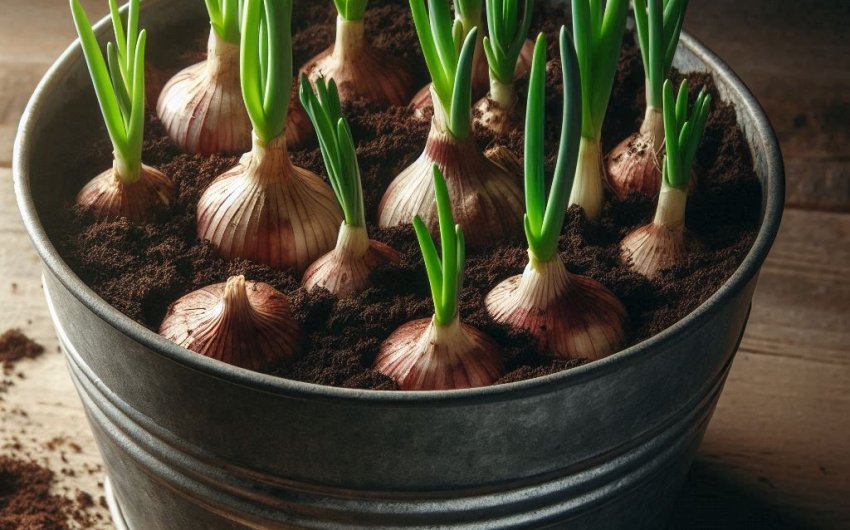
Did you know you don't need a sprawling garden to enjoy fresh, homegrown garlic? Learning how to grow garlic in containers opens up this pungent culinary delight to anyone with a patio, balcony, or even just a sunny corner. Growing your own garlic is incredibly rewarding, offering a richer flavor than store-bought varieties and the satisfaction of harvesting your own food. This comprehensive guide will walk you through every step, ensuring you cultivate plump, delicious garlic bulbs right in pots.
Why grow garlic in containers?
Container gardening is a fantastic solution for many urban gardeners or those with limited space. Garlic, surprisingly, adapts very well to this method, offering several distinct advantages over traditional in-ground planting.
What are the benefits of container-grown garlic?
- Space Saving: This is the most obvious benefit. Containers allow you to grow garlic on patios, balconies, rooftops, or even small backyards without dedicated garden beds.
- Mobility: You can move containers to optimize sun exposure throughout the seasons, protect plants from extreme weather, or even bring them indoors during harsh winters (though garlic needs a cold period).
- Soil Control: With containers, you have complete control over the soil mix. This is especially beneficial if your native garden soil is poor, heavy clay, or has drainage issues. You can create the ideal loose, well-draining environment that garlic loves.
- Pest and Disease Management: Containers can help isolate plants, potentially reducing the spread of soil-borne pests and diseases. It also makes it easier to spot and deal with individual plant issues.
- Weed Control: Weeding container gardens is significantly easier than weeding large garden beds. Fewer weeds mean less competition for nutrients and water, allowing your garlic to thrive.
- Accessibility: For gardeners with mobility challenges, elevated containers or raised beds make planting, tending, and harvesting much more accessible and comfortable.
- Aesthetics: Well-placed containers of garlic, with their upright green shoots, can add a lovely edible aesthetic to your outdoor living space.
What type of garlic is best for container growing?
Choosing the right type of garlic is crucial for container success. Garlic falls into two main categories: hardneck and softneck, each with distinct characteristics.
Which garlic varieties thrive in pots?
While both hardneck and softneck garlic can be grown in containers, some characteristics make one type more suitable for certain climates or gardening preferences.
- Softneck Garlic:
- Characteristics: Softneck varieties typically have a flexible, "soft" stalk that doesn't produce a flower stalk (scape). They tend to produce more cloves per bulb and store longer than hardneck varieties. They also form the familiar braids seen in grocery stores.
- Container Suitability: Softnecks are often more adaptable to a wider range of climates, including warmer ones, as their chilling requirements are sometimes less stringent. Their compact growth habit and lack of a central scape can make them slightly easier for containers if you're not interested in harvesting scapes.
- Popular Varieties: Inchelium Red, California Early, Silverskin varieties.
- Hardneck Garlic:
- Characteristics: Hardneck varieties produce a rigid central stalk (scape) that eventually forms a flower. They typically have fewer, larger cloves per bulb and a more intense, complex flavor profile. They also tend to store for a shorter period than softnecks.
- Container Suitability: Hardnecks generally require a longer, colder chilling period to produce good bulbs. If you live in a colder climate (USDA Zones 4-7 are ideal for many hardnecks), they will do very well. The scapes are a delicious bonus harvest that you wouldn't get from softnecks.
- Popular Varieties: Music, German White, Chesnok Red, Spanish Roja.
Recommendation: For most container gardeners, either type can work well. If you live in a colder climate and enjoy gourmet flavors and edible scapes, try hardneck. If you prefer a longer storage life and more cloves per bulb, softneck is a great choice. The most important thing is to use certified seed garlic (or garlic specifically sold for planting) from a reputable source, rather than grocery store garlic, which may be treated to prevent sprouting or carry diseases.
When is the best time to plant garlic in containers?
Timing is everything when it comes to growing garlic. It's unique because it needs a period of cold temperatures (vernalization) to trigger bulb formation.
What is the ideal planting season for container garlic?
The best time to plant garlic, whether in containers or in the ground, is generally in the fall, a few weeks before the ground freezes solid in your area. This allows the cloves to establish roots before winter sets in.
- Cold Climate (Zones 4-7): Plant in late September to early November. The goal is for roots to form before the deep cold, but not for much leafy growth to emerge.
- Milder Climate (Zones 8-10): Plant in late October to early December. Even in milder climates, garlic benefits from a chilling period, which is why planting in fall and allowing it to experience winter temperatures is crucial.
- Chilling Requirement: Garlic generally needs a period of 4-8 weeks of temperatures below 45°F (7°C) to properly form bulbs. If you live in a very warm climate (Zone 10+), you might need to "pre-chill" your garlic cloves in the refrigerator for 6-8 weeks before planting to mimic winter conditions. Place them in a paper bag or mesh bag, not airtight plastic.
Spring Planting (Suboptimal): While you can plant garlic in the spring, it usually results in smaller bulbs or "rounds" (a single, undivided bulb) because the plants don't get sufficient chilling time. If you do plant in spring, choose a softneck variety and pre-chill the cloves.
What kind of containers and soil should I use?
The success of your container garlic hinges significantly on choosing the right container and providing the perfect growing medium. These elements ensure proper drainage and nutrient availability.
What are the best containers for garlic?
- Size Matters: Garlic roots need space to develop. Choose containers that are at least 8-12 inches deep and wide enough to accommodate the desired number of cloves. A standard 5-gallon bucket (with drainage holes) is an excellent size for 3-5 cloves.
- Material:
- Terra Cotta: Porous, allows good airflow, and prevents waterlogging. Can dry out faster, requiring more frequent watering.
- Plastic: Lightweight, retains moisture well, and affordable. Ensure ample drainage holes.
- Fabric Grow Bags: Excellent for aeration, preventing root circling, and promoting healthy root growth. Fabric grow bags (like 5-10 gallon sizes) are a superb choice.
- Wooden Planters: Good drainage and aeration, but will decompose over time.
- Drainage Holes: This is non-negotiable. Whatever container you choose, it must have drainage holes at the bottom to prevent water from sitting and rotting the garlic cloves. If your container doesn't have them, drill several!
What is the ideal soil mix for container garlic?
Garlic thrives in loose, well-draining, and fertile soil. Heavy, compacted soil will stunt bulb development.
- Potting Mix: Do NOT use garden soil, which is too dense for containers and may harbor pests or diseases. Instead, use a high-quality potting mix designed for containers.
- Amendments for Drainage:
- Mix in perlite or vermiculite (about 20-30% of the total volume) to improve drainage and aeration.
- Add coarse sand (horticultural grade, not play sand) for extra drainage, if desired.
- Amendments for Fertility:
- Compost: Incorporate a generous amount of well-rotted compost (1/3 to 1/2 of your total mix) to provide slow-release nutrients and improve soil structure. Organic compost is essential.
- Balanced Organic Fertilizer: Mix in a slow-release organic granular fertilizer with a balanced N-P-K ratio (e.g., 5-5-5 or 4-6-4) at planting time, following package directions.
- Bone Meal: If your soil test indicates a phosphorus deficiency or you want to boost root development, add a handful of bone meal per container.
Example Soil Mix:
- 2 parts high-quality potting mix
- 1 part perlite or coarse sand
- 1 part well-rotted compost
This blend provides the perfect balance of drainage, aeration, and fertility for your container garlic.
How do I plant garlic cloves in containers?
Once you have your containers and soil ready, planting the garlic cloves is straightforward. Proper spacing and depth are key for good bulb development.
What are the steps for planting garlic in pots?
- Select Your Cloves: Gently break apart a healthy garlic bulb, separating individual cloves. Choose the largest, healthiest-looking outer cloves for planting. Avoid any that are soft, moldy, or damaged. Do not peel the papery skin from the cloves.
- Prepare the Container: Fill your chosen container with your prepared, well-draining potting mix, leaving about 2-3 inches from the rim.
- Place the Cloves: Plant each clove with the pointed end facing up and the flat, root end facing down.
- Spacing: Space cloves about 4-6 inches apart within the container. If your container is too small to allow this spacing, consider using a larger one or fewer cloves per pot. Overcrowding leads to smaller bulbs.
- Depth: Plant cloves about 2-3 inches deep.
- Cover and Water: Cover the cloves with soil, gently firming it down. Water the container thoroughly until water drains from the bottom.
- Label: Label your container with the garlic variety and planting date.
- Winter Protection (if applicable): If you live in an extremely cold climate, consider placing your containers in an unheated shed, garage, or cold frame for the winter. This protects them from extreme freeze-thaw cycles while still providing the necessary chilling. In milder climates, they can remain outdoors.
How do I care for container garlic throughout its growing cycle?
Growing garlic is a long game, typically taking 7-9 months from planting to harvest. Consistent care, especially watering and feeding, is essential for plump bulbs.
What are the key care requirements for container garlic?
- Sunlight: Place your containers in a spot that receives at least 6-8 hours of direct sunlight per day. More sun generally equals bigger bulbs.
- Watering:
- Winter: During the cold months, very little watering is needed. The soil should be just barely moist. Overwatering in winter can lead to rot.
- Spring/Early Summer: As temperatures warm and green shoots emerge vigorously, watering needs increase. Keep the soil consistently moist but never soggy. Water when the top inch or two of soil feels dry to the touch. Ensure excellent drainage. As the bulbs swell, consistent water is crucial.
- Late Summer (Drying Down): About 2-3 weeks before harvest, gradually reduce watering. This helps the bulbs "cure" in the ground and improves storage quality.
- Fertilizing: Garlic is a heavy feeder, especially of nitrogen in the spring for leafy growth, and then phosphorus and potassium for bulb development.
- Spring Nitrogen Boost: In early spring, once green shoots are actively growing, give them a nitrogen boost. Use a liquid organic fertilizer like fish emulsion or top-dress with a rich layer of worm castings or compost.
- Mid-Season Feeding: About a month or two later, as bulbs begin to swell (often late spring/early summer), provide a balanced organic fertilizer or one slightly higher in phosphorus and potassium.
- Mulching: Applying a 1-2 inch layer of organic mulch (like straw, shredded leaves, or wood chips) on top of the soil in your containers offers several benefits:
- Helps retain soil moisture.
- Suppresses weeds.
- Regulates soil temperature, providing insulation in winter and keeping roots cool in summer.
- Weeding: Even in containers, a few weeds might pop up. Remove them promptly, as they compete with your garlic for water and nutrients.
- Scapes (for Hardnecks): If you're growing hardneck garlic, in late spring/early summer, you'll notice a curly flower stalk called a "scape" emerging from the center of the plant.
- Harvesting Scapes: Once the scape forms a full curl, snip it off at its base. Harvesting the scape directs the plant's energy into bulb formation, resulting in larger garlic bulbs. Don't throw them away! Garlic scapes are delicious grilled, roasted, or made into pesto.
How do I know when to harvest container garlic?
Timing the garlic harvest is crucial for maximizing bulb size and ensuring good storage quality. Harvest too early, and the bulbs will be small; too late, and the wrappers may split, reducing storage life.
What are the signs of mature garlic?
Garlic is typically ready for harvest in mid-to-late summer, usually in July or August, depending on your climate and planting time. Look for these key indicators:
- Yellowing Leaves: The lower leaves of the garlic plant will start to turn yellow and brown, drying out from the bottom up.
- Top Leaves Remaining Green: Critically, wait until at least 3-5 of the top leaves are still green. These green leaves are still actively photosynthesizing and transferring energy to the developing bulb. If all leaves have yellowed, you've likely waited too long, and the protective wrappers around the bulb might have deteriorated.
- Softneck vs. Hardneck:
- Softneck: Typically ready when the bottom 2-3 leaves have yellowed and dried.
- Hardneck: Ready when the bottom 2-3 leaves have yellowed, after the scapes have been removed.
General Rule: Aim to harvest when about one-third to one-half of the leaves have turned yellow/brown, with the remaining top leaves still green.
What is the best way to harvest and cure container garlic?
Harvesting and curing garlic correctly are just as important as growing it. Curing is a critical step that toughens the papery skin, concentrates flavors, and ensures your garlic stores well for months.
What are the steps for harvesting and curing garlic?
- Stop Watering: About 2-3 weeks before your anticipated harvest date, stop watering your garlic containers. This helps the bulbs begin the curing process in the soil and prevents rot.
- Gentle Harvest:
- On a dry, sunny day, gently loosen the soil around each garlic plant with a trowel or a small hand fork. Be very careful not to damage the bulb.
- Gently pull the plant from the soil by its stem. Avoid pulling just the stem if it feels like it might break; instead, work the soil away from the bulb.
- Shake off as much loose soil as possible, but do not wash the bulbs.
- Initial Cleaning: Once harvested, resist the urge to remove all the outer wrappers. Leave the roots and stalks intact.
- Curing Process: Curing is where the magic happens.
- Location: Find a warm (75-90°F / 24-32°C), dry, airy, and shaded location. This could be a garage, shed, attic, or covered porch. Good air circulation is essential to prevent mold.
- Method: You can lay the plants out in a single layer on a wire rack or mesh screen, or tie them in bundles of 4-6 and hang them upside down from rafters or hooks. Ensure there's good airflow around each bulb.
- Duration: Curing typically takes 2-4 weeks. The exact time depends on humidity levels and temperature.
- Signs of Curing: The wrappers will become dry and papery, the neck of the bulb will shrivel and tighten, and the roots will become brittle. The strong garlic smell will lessen.
- Final Cleaning and Storage:
- Once cured, trim the roots to about 1/2 inch and cut the stalks to about 1-2 inches above the bulb for hardnecks, or leave longer for braiding softnecks.
- Brush off any remaining loose dirt, but again, avoid washing.
- Remove only the outermost, dirtiest layer of skin, leaving several clean, intact layers to protect the cloves.
- Storage: Store your cured garlic in a cool (50-60°F / 10-15°C), dark, and dry place with good air circulation. Mesh bags, paper bags, or open baskets work well. Do not store in airtight containers or the refrigerator, which can encourage sprouting.
What are common problems when growing garlic in containers?
While growing garlic in containers is relatively straightforward, you might encounter a few issues. Understanding these common problems and their solutions will help ensure a successful harvest.
How to troubleshoot container garlic problems?
- Small Bulbs:
- Cause: Insufficient sunlight, inadequate space (overcrowding), insufficient watering during bulb formation, lack of nutrients, or not removing hardneck scapes.
- Solution: Ensure at least 6-8 hours of direct sun. Use appropriately sized containers and proper spacing. Water consistently during bulb development. Fertilize in spring. Harvest hardneck scapes.
- Rotting Cloves/Bulbs:
- Cause: Overwatering, especially in winter; poor drainage in the container; heavy, compacted soil.
- Solution: Ensure containers have ample drainage holes. Use a very well-draining potting mix with plenty of perlite/compost. Allow soil to dry slightly between winter waterings.
- Yellowing Leaves (Premature):
- Cause: Could be normal as the plant matures, but if it happens too early or broadly across the plant: nutrient deficiency (especially nitrogen in spring), overwatering, or fungal issues.
- Solution: Assess watering habits. Fertilize with a nitrogen-rich organic feed in spring. Check for root rot if soil is consistently soggy.
- Pests: Garlic is relatively pest-resistant, but occasionally, you might encounter:
- Onion Thrips: Tiny, slender insects that cause silvery streaks on leaves.
- Solution: Spray with a strong stream of water or use an organic insecticidal soap.
- Bulb Mites: Microscopic mites that feed on the bulbs, leading to stunted or rotting plants. Often from infected planting material.
- Solution: Always use certified disease-free seed garlic. Remove and discard affected plants immediately.
- Onion Thrips: Tiny, slender insects that cause silvery streaks on leaves.
- Diseases: Most common garlic diseases are fungal and related to moisture.
- White Rot: Causes white fungal growth on bulbs and roots, leading to plant collapse. Spread by infected soil or cloves.
- Solution: There's no cure once present. Practice strict sanitation. Rotate crops (don't plant garlic or onions in the same container/soil for several years). Always use certified disease-free seed garlic.
- Rust: Orange-brown powdery spots on leaves, reduces vigor.
- Solution: Ensure good air circulation around plants. Avoid overhead watering late in the day. Remove and dispose of heavily infected leaves.
- Prevention is Key: Good drainage, adequate spacing, choosing healthy seed garlic, and proper watering are your best defenses against most problems.
- White Rot: Causes white fungal growth on bulbs and roots, leading to plant collapse. Spread by infected soil or cloves.
Can I reuse the soil from my garlic containers?
Reusing potting soil is a common practice for container gardeners, but it requires some consideration, especially after growing heavy feeders like garlic.
What are the considerations for reusing container soil?
- Nutrient Depletion: Garlic is a heavy feeder, so the soil will be significantly depleted of nutrients after a season.
- Disease Risk: While less common in containers than in open ground, there's always a slight risk of soil-borne diseases persisting in the soil.
- Structure Degradation: Over a growing season, potting mix can break down and become compacted or less well-draining.
Recommendations for Reusing Soil:
- Refresh with Compost: At a minimum, always amend reused soil heavily with fresh, well-rotted compost. Add about 1/3 to 1/2 new compost to the old soil volume. This replenishes nutrients and improves structure.
- Add New Potting Mix: For best results, consider mixing the old soil with an equal part of fresh, sterile potting mix.
- Amend with Perlite/Vermiculite: Add more perlite or vermiculite to ensure continued good drainage.
- Rotate Crops: Even in containers, it's wise to rotate what you plant. Avoid planting garlic or other alliums (onions, leeks, chives) in the same container soil for at least two consecutive seasons. Instead, plant something from a different family, like leafy greens, beans, or flowers.
- Sterilize (Optional): If you've had significant disease issues, you might consider solarizing the soil (spreading it thinly on a dark tarp in full sun for several weeks) or baking it in an oven to kill pathogens. However, this also kills beneficial microbes, so it's a last resort.
For peace of mind and the best chance of success, many gardeners simply start with fresh potting mix for heavy feeders like garlic, or reserve old soil for less demanding plants.
What are some creative ways to use homegrown container garlic?
Beyond simply peeling and chopping, homegrown garlic offers a world of culinary possibilities, from flavoring everyday meals to creating gourmet delights.
How to enjoy your freshly harvested garlic:
- Fresh Garlic: Nothing beats the taste of truly fresh garlic. Use it in stir-fries, pasta sauces, roasted vegetables, dressings, and dips. The flavor will be more vibrant and pungent than store-bought.
- Garlic Scapes: If you grew hardneck varieties, the scapes are a delicious bonus.
- Pesto: Blend scapes with olive oil, Parmesan, and nuts for a unique garlic scape pesto.
- Roasted/Grilled: Toss with olive oil, salt, and pepper and roast or grill until tender.
- Sautéed: Chop and sauté in butter for a mild garlic flavor in any dish.
- Black Garlic: A fermented delicacy with a sweet, molasses-like flavor and soft, chewy texture. Requires a black garlic fermenter or very low-temperature oven for several weeks.
- Garlic Confit: Gently cook peeled garlic cloves in olive oil until golden and soft. The infused oil is amazing, and the soft cloves are spreadable. Store in the fridge.
- Pickled Garlic: Preserve cloves in a vinegar brine for a tangy, crisp snack or addition to salads.
- Garlic Powder/Granules: If you have a large harvest, you can dehydrate sliced garlic and then grind it into powder for homemade garlic powder. A food dehydrator is helpful here.
- Infused Oils: Macerate crushed garlic in olive oil (use quickly or refrigerate as fresh garlic in oil can be a botulism risk at room temperature).
- Roasted Garlic: Wrap whole bulbs (tops trimmed) in foil with a drizzle of olive oil, roast until soft, then squeeze out the sweet, mellow cloves to spread on bread or add to dishes.
Growing garlic in containers is an achievable and rewarding endeavor for any gardener, regardless of space limitations. By understanding the specific needs of garlic – from proper container selection and soil mix to timing, watering, and curing – you can ensure a successful harvest of delicious, homegrown bulbs. Enjoy the journey of cultivating this essential ingredient and the amazing flavors it brings to your kitchen!