
The Best Fertilizers for Organic Gardening
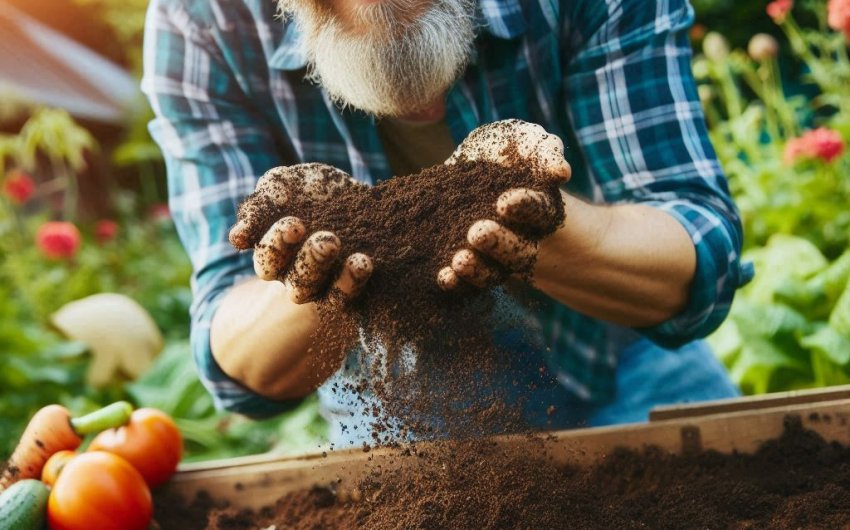
Embarking on an organic gardening journey means fostering healthy soil, which, in turn, nurtures healthy plants. Choosing the best fertilizers for organic gardening is a fundamental step in this process. Unlike synthetic fertilizers that provide quick fixes, organic options focus on improving the soil's long-term health, feeding the beneficial microbes, and slowly releasing nutrients to your plants. This guide will explore a wide array of natural choices that will help your garden thrive, yielding bountiful and healthy harvests.
Why choose organic fertilizers over synthetic ones?
The debate between organic and synthetic fertilizers often comes down to philosophy and long-term garden health. Organic gardening emphasizes working with nature, not against it, and this extends directly to how you feed your plants.
What are the main differences between organic and synthetic fertilizers?
Synthetic fertilizers are typically manufactured chemicals designed to deliver immediate, precise doses of nutrients like nitrogen, phosphorus, and potassium (N-P-K). They are water-soluble, meaning plants can absorb them quickly. While this provides a rapid boost, it can also lead to nutrient runoff, polluting waterways. Moreover, synthetic fertilizers don't contribute to soil structure or feed the beneficial microbes that are crucial for a healthy ecosystem. They essentially feed the plant directly, bypassing the soil's natural processes.
Organic fertilizers, on the other hand, are derived from natural sources, such as plant residues, animal by-products, and minerals. They aren't immediately available to plants. Instead, they require soil microbes to break them down into forms that plants can absorb. This slow-release process mimics nature, leading to a more consistent nutrient supply and less risk of nutrient burn or runoff. More importantly, organic fertilizers enhance soil structure, improve water retention, and build a thriving microbial community, creating a truly fertile environment for sustained plant growth. They feed the soil, which in turn feeds the plant.
What are the essential nutrients plants need?
Just like humans, plants require a balanced diet to grow strong and healthy. These nutrients are categorized into macronutrients (needed in larger amounts) and micronutrients (needed in smaller amounts). Understanding them helps you choose the right organic fertilizers.
What are macronutrients and micronutrients for plants?
Plants primarily need three macronutrients, often represented by the N-P-K ratio on fertilizer labels:
- Nitrogen (N): Crucial for lush, leafy growth and strong stems. It's a key component of chlorophyll, essential for photosynthesis. Think green leaves!
- Phosphorus (P): Supports healthy root development, flowering, and fruiting. It's vital for energy transfer within the plant. Think roots and blooms!
- Potassium (K): Promotes overall plant vigor, disease resistance, and helps with water regulation. It's often called the "general health" nutrient. Think overall resilience!
Beyond these primary three, plants also need secondary macronutrients like calcium, magnesium, and sulfur. Calcium is important for cell wall structure, magnesium for photosynthesis (it's at the center of the chlorophyll molecule), and sulfur for protein formation.
Micronutrients, though needed in smaller quantities, are equally vital. These include iron, manganese, boron, zinc, copper, molybdenum, and chlorine. Deficiencies in any of these can lead to stunted growth or specific plant ailments. A healthy, organically rich soil often provides a good balance of these micronutrients naturally.
What is the role of soil health in organic gardening?
In organic gardening, the soil is the star of the show, not just a medium for holding plants. Healthy soil is a living ecosystem teeming with beneficial organisms that break down organic matter, cycle nutrients, and create an ideal environment for roots.
How does healthy soil contribute to plant vitality?
Healthy soil is characterized by its structure, fertility, and biological activity.
- Structure: Good soil structure means it has a crumbly texture, allowing for excellent aeration and drainage while still retaining moisture. This is vital for root respiration and preventing waterlogging. Organic matter, added through organic fertilizers and amendments, significantly improves soil structure, making heavy clay soils lighter and sandy soils better at holding water.
- Fertility: This refers to the soil's ability to supply essential nutrients to plants. Organic matter acts like a sponge, holding onto nutrients and releasing them slowly as needed. It also has a high cation exchange capacity (CEC), meaning it can hold more positively charged nutrient ions, preventing them from leaching away.
- Biological Activity: This is perhaps the most critical aspect of organic soil health. A teaspoon of healthy soil can contain billions of microorganisms – bacteria, fungi, nematodes, protozoa, and earthworms. These microbes are the unsung heroes, breaking down organic matter into humus, making nutrients available to plants, and even suppressing plant diseases. Earthworms, for instance, aerate the soil and create nutrient-rich castings. When you apply organic fertilizers, you're not just feeding your plants; you're nourishing this entire intricate soil food web.
What are the different types of organic fertilizers?
Organic fertilizers come in various forms, each offering unique benefits and nutrient profiles. Understanding these options will help you select the best choices for your specific garden needs.
What are the main categories of organic soil amendments?
Organic fertilizers can broadly be categorized into:
- Compost and Manures: These are foundational for building soil health.
- Plant-Based Fertilizers: Derived directly from plant materials.
- Animal-Based Fertilizers: By-products from animal agriculture.
- Mineral-Based Fertilizers: Naturally occurring rock powders.
Let's dive into each category with specific examples.
Compost and Manures
These are arguably the most important organic amendments for any garden.
- Compost: Often called "black gold," compost is decomposed organic matter. It's not a direct fertilizer with a high N-P-K ratio, but it's an unparalleled soil builder. Compost improves soil structure, increases water retention, provides a slow release of a wide range of nutrients, and introduces beneficial microorganisms. You can make your own with kitchen scraps and yard waste, or buy bagged compost.
- Manure: Animal manure (from cows, chickens, horses, rabbits, etc.) is a rich source of nitrogen, phosphorus, and potassium, along with micronutrients. It also adds organic matter. Always use well-aged or composted manure to avoid burning plants with excessive nitrogen, introducing pathogens, or planting weed seeds. Fresh manure is too "hot." Composted cow manure and chicken manure are popular choices.
Plant-Based Fertilizers
These are excellent for adding specific nutrients and organic matter, often vegan-friendly options.
- Alfalfa Meal: Made from dried alfalfa plants, this is a good all-purpose fertilizer with a decent N-P-K ratio (around 2-1-2) and trace minerals. It's known for boosting microbial activity and is particularly beneficial for roses. Available as alfalfa meal.
- Compost Tea: This is a liquid fertilizer made by steeping compost in water, sometimes with an air pump to encourage microbial growth. It's essentially a liquid infusion of beneficial microbes and dissolved nutrients, great for foliar feeding or drenching the soil.
- Kelp Meal/Seaweed: Harvested from the ocean, kelp meal is rich in micronutrients, growth hormones, and potassium. It's excellent for improving overall plant vigor, stress resistance, and germination rates. It has a low N-P-K but provides a powerful boost of trace elements. Liquid seaweed extracts are also widely available.
- Soybean Meal: A high-nitrogen option (around 7-2-1), derived from ground soybeans. It's a slow-release fertilizer that feeds soil microbes. Look for organic soybean meal.
- Cover Crops: While not a fertilizer you add in a bag, planting cover crops (like clover, vetch, or rye) and then tilling them into the soil (known as "green manure") is a powerful organic practice. They add organic matter, suppress weeds, prevent erosion, and some (like legumes) fix nitrogen from the air into the soil.
Animal-Based Fertilizers
These are often by-products of the meat and fishing industries.
- Blood Meal: A potent source of nitrogen (around 12-0-0), blood meal promotes vigorous leafy growth. Use sparingly as too much can burn plants. It's often used for heavy feeders or to correct nitrogen deficiencies.
- Bone Meal: An excellent source of phosphorus (around 3-15-0) and calcium. Bone meal is perfect for root crops, flowering plants, and encouraging strong root development. It takes time to break down, so incorporate it into the soil before planting.
- Fish Emulsion/Hydrolysate: A fast-acting liquid fertilizer made from fish waste. Fish emulsion provides a balanced nutrient profile (often 5-1-1 or similar) and is great for foliar feeding or drenching. It has a strong odor, which dissipates quickly. Fish hydrolysate is a less processed form that retains more beneficial oils and amino acids.
- Feather Meal: A slow-release nitrogen source (around 12-0-0), derived from processed poultry feathers. It takes longer to break down than blood meal but provides a steady supply of nitrogen over time.
- Worm Castings: The nutrient-rich excrement of earthworms, also known as vermicompost. Worm castings are highly beneficial, containing a balanced array of nutrients, enzymes, and beneficial microbes. They are gentle enough for seedlings and can be used as a top dressing, mixed into potting soil, or brewed into compost tea.
Mineral-Based Fertilizers
These are naturally occurring rock powders that provide specific nutrients.
- Greensand: A natural mineral deposit (glauconite) that is a good source of potassium (around 0-0-3 to 0-0-7) and trace minerals. It also helps improve soil structure, especially in clay soils. Greensand has a slow-release action.
- Rock Phosphate: A mined mineral that provides a slow-release source of phosphorus (around 0-2-0 to 0-3-0) and calcium. Similar to bone meal, it's excellent for root development and flowering. It needs soil microbes and slightly acidic conditions to become available to plants.
- Gypsum: While not primarily a fertilizer (it has very low N-P-K), gypsum (calcium sulfate) is used to supply calcium and sulfur to the soil, and crucially, it helps improve drainage in compacted or sodic (high sodium) clay soils. It doesn't change soil pH significantly.
- Dolomitic Lime: Provides calcium and magnesium and raises soil pH. Use only if your soil test indicates a need to raise pH and add these nutrients.
- Epsom Salts: (Magnesium Sulfate) A quick way to provide magnesium and sulfur to plants. Often used for tomatoes and roses to prevent magnesium deficiencies. While not strictly a fertilizer in the N-P-K sense, it's a common organic supplement. You can find Epsom salts for gardening.
How do I determine which organic fertilizer is best for my garden?
Choosing the right organic fertilizer isn't about finding a single "best" product, but rather understanding your soil's needs and your plants' requirements. It's like building a balanced meal plan for your garden.
What factors should influence my fertilizer choice?
- Soil Test Results: This is hands down the most crucial step. A soil test from your local agricultural extension office will tell you your soil's pH, nutrient levels (N-P-K, calcium, magnesium, etc.), and organic matter content. This information is gold and will guide your fertilizer choices precisely. For example, if your soil is low in phosphorus, bone meal or rock phosphate would be good choices. If it's acidic, dolomitic lime might be recommended.
- Plant Needs: Different plants have different nutrient demands.
- Leafy greens (lettuce, spinach, kale): High nitrogen. Consider blood meal, fish emulsion, or well-rotted manure.
- Fruiting vegetables (tomatoes, peppers, squash): Need more phosphorus and potassium for fruit production. Bone meal, kelp meal, and greensand are good choices once flowering begins.
- Root crops (carrots, potatoes, radishes): Benefit from phosphorus for strong root development. Bone meal or rock phosphate.
- General purpose: Compost, worm castings, and balanced organic granular fertilizers are excellent for all-around health.
- Current Plant Symptoms: Are your plant leaves yellowing (possible nitrogen deficiency)? Is flowering poor (possible phosphorus deficiency)? Are older leaves showing purplish discoloration (likely phosphorus deficiency)? While a soil test is definitive, visible symptoms can offer clues.
- Fertilizer Release Rate:
- Fast-acting (liquid): Fish emulsion, compost tea. Good for quick boosts or foliar feeding.
- Slow-release (granular/meal): Bone meal, blood meal, alfalfa meal, feather meal. These break down over time, providing a steady supply of nutrients.
- Long-term soil building: Compost, well-aged manure. These amend the soil structure and fertility over years.
- Cost and Availability: Some organic fertilizers are more readily available and affordable than others. Starting with homemade compost and local well-aged manure is often the most cost-effective approach.
- Odor: Some organic fertilizers, like fish emulsion or fresh manure, can have a strong odor that dissipates after a day or two. Consider this if gardening in close quarters.
How do I apply organic fertilizers correctly?
Applying organic fertilizers effectively ensures your plants get the nutrients they need without waste or harm. The methods often differ from those used for synthetic fertilizers.
What are the best methods for applying organic fertilizers?
- Pre-Planting Soil Amendment: This is the most effective way to build long-term soil health.
- Compost: Incorporate 1-4 inches of well-rotted compost into the top 6-12 inches of your garden soil before planting. This is the ultimate foundational step.
- Granular amendments: Mix in granular organic fertilizers like bone meal, rock phosphate, or alfalfa meal into the soil before planting, especially if your soil test recommends them. Follow package directions for quantities.
- Top Dressing: Apply a layer of granular organic fertilizer, compost, or worm castings around the base of established plants. Gently scratch it into the top inch or two of soil, then water thoroughly. This provides a slow, continuous feed as the plant grows.
- Side Dressing: Similar to top dressing, but specifically for row crops or plants with specific needs. Apply granular fertilizer in a band along the side of the planting row, or in a circle around individual plants, a few inches away from the stem.
- Liquid Feed (Foliar or Soil Drench):
- Compost Tea: Brew your own compost tea and use it to water plants or spray directly onto leaves. Foliar feeding allows for quick nutrient absorption.
- Fish Emulsion/Kelp Extract: Dilute according to package directions and apply as a soil drench or foliar spray. This provides a quick boost, especially for young plants or those showing signs of deficiency.
- Planting Hole Amendment: When transplanting seedlings or larger plants, mix a handful of compost or a specific slow-release fertilizer (like bone meal for root crops) into the planting hole. This gives the new plant a nutrient boost right where its roots will be.
Important Application Tips:
- Read Labels: Always follow the application rates on fertilizer packages. Even organic fertilizers can cause issues if over-applied, though burning is less common than with synthetics.
- Water In: After applying dry granular or powdered fertilizers, always water the area thoroughly. This helps dissolve the nutrients and move them into the root zone, and also activates the microbial breakdown process.
- Timing: Apply fertilizers when plants are actively growing. For heavy feeders, consider a mid-season reapplication.
- Less is More: Start with less and add more if needed. It's easier to add nutrients than to remove them.
Can I make my own organic fertilizers?
Absolutely! Making your own organic fertilizers is a cornerstone of sustainable organic gardening. It reduces waste, saves money, and gives you complete control over what goes into your garden.
What homemade organic fertilizers can I create?
- Compost: As mentioned, a compost pile is the ultimate DIY organic fertilizer factory. It uses kitchen scraps, yard waste, and other organic materials to create nutrient-rich soil amendment. Start a compost bin or pile today.
- Compost Tea: Once you have compost, you can easily make liquid compost tea.
- Simple brew: Put a shovel-full of compost in a burlap sack or old pillowcase. Suspend it in a bucket of unchlorinated water (rainwater or tap water left out overnight to off-gas chlorine) for 1-3 days. The water should look like weak tea.
- Aerated brew: For a more potent microbial brew, use an aquarium air pump and air stone to aerate the water while brewing. This encourages beneficial aerobic microbes.
- Comfrey Tea: Comfrey leaves are rich in potassium and trace minerals. Chop up comfrey leaves and steep them in water for a few weeks (it will be smelly!). Dilute the resulting liquid and use it as a liquid feed.
- Banana Peel Fertilizer: Banana peels are high in potassium, good for fruiting and flowering plants. You can chop them and bury them near plants, or soak them in water to make a "tea" (though this is a milder effect).
- Eggshell Fertilizer: Crushed eggshells are a great source of calcium, important for preventing blossom end rot in tomatoes and peppers. Wash and dry the shells, then crush them into a fine powder before incorporating into the soil.
- Coffee Grounds: Spent coffee grounds are slightly acidic and add a small amount of nitrogen. Sprinkle them around acid-loving plants like blueberries, roses, or azaleas. Don't add huge amounts, as they can clump and shed water.
- Wood Ash: If you have a fireplace and burn un-treated wood, wood ash can provide potassium and calcium. Use sparingly, as it's alkaline and can raise soil pH. Do not use ash from treated wood, charcoal briquettes, or colored paper.
- Liquid Manure Tea: Similar to compost tea, you can steep well-aged animal manure in water to create a nutrient-rich liquid fertilizer. Always use well-aged manure to avoid burning plants.
What about organic certification for fertilizers?
For serious organic gardeners or those aiming for certified organic produce, understanding organic certification for fertilizers is important. It ensures the product meets specific standards.
How do I know if a fertilizer is truly organic?
The term "organic" can be used loosely, so it's important to look for specific certifications.
- OMRI Listed: In North America, the Organic Materials Review Institute (OMRI) is the leading non-profit organization that reviews products for use in certified organic production and processing. If a product has the "OMRI Listed" seal on its packaging, it means it has been reviewed and deemed compliant with the organic standards. This is the gold standard for organic fertilizer verification.
- USDA Organic Seal: While primarily for food products, some larger soil amendments and fertilizers might also carry the USDA Organic seal, especially if they are part of a larger organic brand. This indicates adherence to strict organic farming and processing standards.
- Local Organic Certifications: Depending on your region, there might be other local or national organic certifying bodies.
- Ingredient List: Even without a specific seal, you can scrutinize the ingredient list. True organic fertilizers will list natural sources like bone meal, kelp, compost, manures, rock powders, etc. Avoid products with terms like "urea," "ammonium nitrate," "superphosphate," or anything vaguely chemical-sounding.
While seeking out certified products is helpful, remember that even non-certified natural materials like your homemade compost or locally sourced well-aged manure are perfectly organic and often superior in quality for your home garden. The certification is mainly for commercial organic growers who need to prove compliance.
Troubleshooting common issues with organic fertilizers
While organic fertilizers offer many benefits, gardeners might encounter a few common questions or issues. Knowing how to address them will ensure your garden flourishes.
What are common problems and solutions with organic fertilizers?
- Slow Results: Organic fertilizers work slowly because they rely on microbial breakdown.
- Solution: Be patient! The long-term benefits are worth it. If you need a quicker boost, use liquid organic fertilizers like fish emulsion or compost tea for immediate nutrient availability. Apply granular fertilizers before planting or early in the growing season to give them time to work.
- Odor: Some organic fertilizers, especially fish emulsion or fresh manure, can smell unpleasant.
- Solution: The odor usually dissipates within a day or two. Apply on a calm day. For indoor plants, use less pungent options like worm castings or specific indoor organic blends. Water thoroughly after application to help nutrients move into the soil.
- Uneven Nutrient Release: Because organic materials vary, the exact nutrient content can be less precise than synthetic fertilizers.
- Solution: This is where diversity comes in. Use a combination of different organic fertilizers (e.g., compost for overall health, bone meal for phosphorus, blood meal for nitrogen). Regular soil tests can help you fine-tune your approach and prevent major deficiencies.
- Pests: While organic gardening generally promotes a balanced ecosystem, some organic fertilizers, particularly blood meal, can attract animals like raccoons or dogs.
- Solution: Bury blood meal deeper in the soil or scratch it in thoroughly. Water immediately after application. You might need to cover newly fertilized beds if animal activity is a major issue.
- Cost: Some pre-packaged organic fertilizers can be more expensive than synthetic options.
- Solution: Focus on homemade compost and local, well-aged manure as your primary soil amendments. Look for bulk options for granular organic fertilizers. Growing legumes as cover crops can naturally add nitrogen for free.
By understanding the unique properties of the best fertilizers for organic gardening, you empower your soil and plants to thrive naturally. It's a journey of nurturing the earth beneath your feet, leading to more resilient plants, richer harvests, and a healthier planet. Embrace the slow, steady power of nature's nutrients, and your garden will thank you with abundance.