
Grow a Herb Garden on Your Windowsill
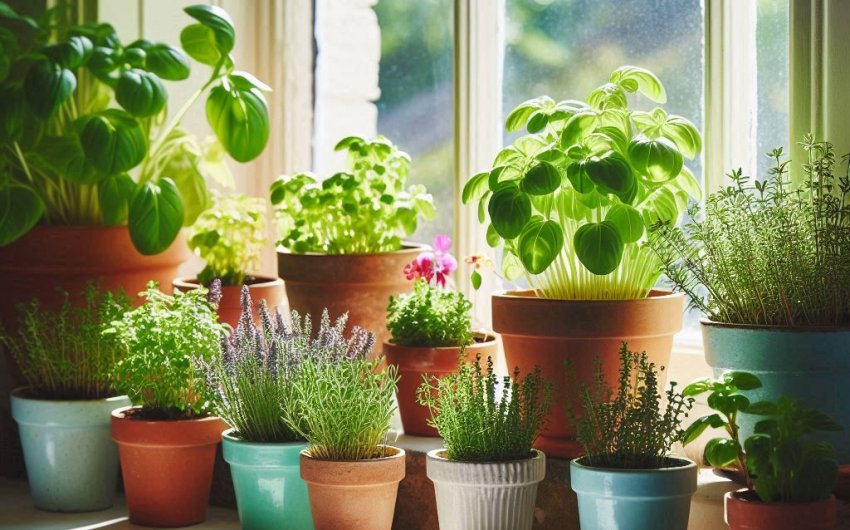
Starting a herb garden on your windowsill is a delightful way to bring fresh flavors and a touch of green into your home, even if you have limited space. Imagine adding your own homegrown basil to pasta or snipping chives for your scrambled eggs! This guide will walk you through everything you need to know to cultivate a thriving herb garden right in your kitchen window. It’s easier than you think to enjoy the benefits of fresh herbs year-round.
Why start a windowsill herb garden?
A windowsill herb garden offers numerous advantages, making it a popular choice for both seasoned gardeners and complete beginners. Beyond the sheer convenience, there are many reasons to embark on this green adventure.
What are the benefits of growing herbs indoors?
Growing herbs indoors provides a constant supply of fresh ingredients for your culinary creations. No more last-minute runs to the grocery store for a sprig of parsley! This also means you'll reduce food waste since you only harvest what you need. Furthermore, tending to plants can be incredibly therapeutic. It’s a wonderful way to connect with nature and adds a calming element to your living space. The aroma of fresh herbs can also naturally uplift your mood and even act as natural air fresheners. Plus, it’s a cost-effective alternative to continually buying packaged herbs.
What herbs are best for a windowsill garden?
Choosing the right herbs is crucial for a successful windowsill garden. Some herbs thrive indoors with less fuss than others, making them perfect for beginners. Consider your cooking habits and the amount of sunlight your windowsill receives.
Which herbs grow well indoors?
Many popular herbs adapt wonderfully to indoor conditions. Basil, with its aromatic leaves, is a favorite for pesto and Italian dishes. Mint is incredibly vigorous and perfect for teas or refreshing drinks. Chives offer a mild onion flavor and grow well in pots. Parsley, both flat-leaf and curly, is a versatile garnish. Rosemary prefers a bit more sun but can do well indoors, offering a woody, fragrant addition to roasts. Thyme is another hardy herb that thrives in pots. Oregano is surprisingly easy to grow and a staple in many cuisines. Cilantro can be a bit trickier as it prefers cooler temperatures, but it's worth trying for its unique flavor.
How much sunlight does a windowsill herb garden need?
Sunlight is the most critical factor for a thriving windowsill herb garden. Herbs are sun-loving plants, and most require ample light to grow well and produce flavorful leaves.
What is the ideal light exposure for herbs?
Ideally, your windowsill herb garden should receive at least six hours of direct sunlight per day. A south-facing window is usually best, as it gets the most intense light throughout the day. East or west-facing windows can also work, but they might require you to rotate your pots to ensure even light exposure. If your windows don't get enough natural light, don't despair! You can supplement with artificial grow lights. A simple LED grow light can make a huge difference in the health and vigor of your herbs. Look for full-spectrum lights that mimic natural sunlight.
What are the essential supplies for starting a windowsill herb garden?
Gathering the right supplies before you start will make the process smooth and enjoyable. You don't need a lot of fancy equipment, just a few basics to get your herbs off to a good start.
What materials do I need to begin?
Here’s a checklist of what you’ll need:
- Pots or containers: Choose pots with drainage holes to prevent waterlogging, which can kill your herbs. Terracotta pots are excellent because they allow the soil to breathe, but plastic or ceramic pots work too. Size matters; generally, a 6-inch pot is a good starting point for most individual herb plants.
- Potting mix: Use a good quality, well-draining potting mix specifically formulated for containers. Avoid using garden soil, as it can be too heavy and might contain pests or diseases. Look for a mix that includes perlite or vermiculite for better drainage.
- Herb seeds or small plants (starts): For beginners, starting with small plants from a nursery is often easier as they are already established. If you're up for a challenge, growing from seeds is more economical and offers a wider variety.
- Small watering can or spray bottle: A small can with a narrow spout helps direct water precisely, while a spray bottle is great for misting certain herbs that enjoy humidity.
- Small trowel or scoop: Useful for filling pots with soil.
- Plant labels: To remember which herb is which, especially when starting from seed. Simple plant markers can do the trick.
- Pruning shears or scissors: For harvesting your herbs cleanly. Small herb snips are ideal.
- Saucers or trays: To catch excess water and protect your windowsill.
How do I prepare my pots and soil for planting herbs?
Proper preparation of your containers and soil is key to providing a healthy environment for your herbs to flourish. Good drainage and the right soil mix prevent common problems like root rot.
What are the steps for potting herbs?
- Clean your pots: If reusing pots, wash them thoroughly with warm, soapy water to remove any lingering soil or pathogens. Rinse well.
- Add drainage: While pots with drainage holes are essential, you can also add a layer of pebbles or broken pottery shards at the bottom of the pot. This creates a small reservoir and helps prevent the soil from washing out.
- Fill with potting mix: Gently fill your pots with the potting mix, leaving about an inch of space from the rim. Don't compact the soil too much; you want it to be light and airy.
- Moisten the soil: Lightly water the potting mix until it's evenly moist but not soggy. This makes it easier to plant and helps settle the soil.
What is the best way to plant herb seeds or small plants?
Whether you're starting from scratch with seeds or using established plants, understanding the correct planting method will set your herbs up for success.
How to plant herb seeds:
- Read the seed packet: Each seed packet will have specific instructions regarding planting depth and spacing. This is crucial for successful germination.
- Create small indentations: Use your finger or a pencil to make small holes or shallow furrows in the moist soil, according to the packet's recommendations.
- Sow seeds: Carefully place the seeds in the indentations. For very tiny seeds, you might sprinkle them lightly over the surface.
- Cover lightly: Gently cover the seeds with a thin layer of potting mix.
- Water gently: Mist the surface with a spray bottle to avoid disturbing the seeds.
- Provide warmth: Many seeds need warmth to germinate. Placing a plastic wrap over the pot can create a mini-greenhouse effect, but remove it once sprouts appear.
- Be patient: Germination times vary. Keep the soil consistently moist.
How to plant small herb plants (starts):
- Remove from nursery pot: Gently squeeze the sides of the nursery pot and carefully slide the herb plant out. Be mindful of the roots.
- Loosen roots (if needed): If the roots are tightly coiled (root-bound), gently tease them apart with your fingers. This encourages them to grow outwards into the new soil.
- Position in new pot: Create a hole in the center of your prepared pot, large enough to accommodate the root ball. Place the plant so that the top of the root ball is at the same level as the soil in the new pot.
- Fill with soil: Backfill around the plant with more potting mix, gently firming it around the base to remove air pockets. Don't bury the stem too deeply.
- Water thoroughly: Give the newly potted herb a good watering until water drains from the bottom.
How often should I water my windowsill herbs?
Watering is one of the most common challenges for new plant parents. Overwatering is often more detrimental than underwatering for herbs. The key is consistency and checking the soil regularly.
What is the ideal watering schedule for indoor herbs?
There isn't a strict schedule for watering, as it depends on factors like the type of herb, pot size, humidity, and temperature. Instead, use the finger test:
- Stick your finger about an inch or two into the soil.
- If the soil feels dry at that depth, it’s time to water.
- If it still feels moist, wait a day or two and check again.
When you do water, water thoroughly until you see water draining from the bottom of the pot. This ensures the entire root ball gets hydrated. Empty any excess water from the saucer after about 15-30 minutes to prevent the roots from sitting in standing water, which leads to root rot. Some herbs, like rosemary and thyme, prefer slightly drier conditions between waterings, while basil and mint prefer consistently moist soil. Observe your plants; wilting leaves can be a sign of underwatering, while yellowing leaves can indicate overwatering.
Do I need to fertilize my windowsill herbs?
While outdoor herb gardens often benefit from regular fertilization, indoor herbs in containers have different needs. The potting mix typically contains some nutrients, but they will eventually be depleted.
When and how to fertilize indoor herbs?
It’s generally a good idea to fertilize your windowsill herbs sparingly. Over-fertilizing can lead to leggy growth and reduced flavor.
- Start slow: If you use a fresh potting mix, your herbs won't need fertilizer for the first month or two.
- Liquid fertilizer: Use a balanced liquid fertilizer at half the recommended strength.
- Frequency: Fertilize once every 4-6 weeks during the growing season (spring and summer). Reduce or stop fertilizing in fall and winter when growth slows down.
- Organic options: Consider organic liquid fertilizers derived from kelp or fish emulsion for a gentle boost.
How do I prune and harvest my windowsill herbs?
Pruning and harvesting are essential practices that encourage bushier growth, prolong the life of your herb plants, and provide you with fresh leaves to enjoy. Don't be afraid to snip!
What are the best practices for harvesting herbs?
- Regular harvesting: The more you harvest, the more your herb plants will produce. Don't wait until the plant is huge.
- Use sharp tools: Always use clean, sharp pruning shears or scissors to make clean cuts. This prevents damage to the plant.
- Harvest from the top: For most herbs like basil, mint, and oregano, pinch or snip off the top two sets of leaves, just above a leaf node (where leaves branch off). This encourages the plant to branch out, leading to a bushier plant rather than a tall, spindly one.
- Harvest no more than one-third: Never remove more than a third of the plant's foliage at one time. This allows the plant to recover and continue growing.
- Flowering: If your herbs start to flower (like basil "bolting"), pinch off the flower buds. While pretty, flowering often signals the end of the herb's leafy production and can make the leaves taste bitter.
- Rosemary and Thyme: For woody herbs like rosemary and thyme, you can snip off individual sprigs or small branches.
- Parsley and Cilantro: Harvest the outer leaves first, allowing the inner leaves to continue growing.
How do I deal with pests and diseases on my indoor herbs?
Even indoors, your herbs can occasionally encounter pests. Early detection and natural remedies are key to keeping your plants healthy without using harsh chemicals.
What are common indoor herb pests and how to treat them?
- Aphids: These tiny green, black, or brown insects cluster on new growth.
- Treatment: Spray with a strong stream of water or use an insecticidal soap. You can also wipe them off with a damp cloth.
- Spider Mites: Tiny arachnids that create fine webs, usually on the undersides of leaves. Leaves might look speckled or dusty.
- Treatment: Increase humidity around the plant and spray with insecticidal soap or a mixture of water and a few drops of dish soap.
- Fungus Gnats: Small, dark flying insects that resemble fruit flies. They are more annoying than harmful, but their larvae feed on roots.
- Treatment: They thrive in consistently wet soil, so allow the top inch or two of soil to dry out between waterings. Use yellow sticky traps to catch adults.
- Mealybugs: White, cottony masses found on stems and leaf joints.
- Treatment: Dab them directly with a cotton swab dipped in rubbing alcohol. Repeat as needed.
Prevention is key:
- Inspect new plants: Always check new plants for pests before bringing them into your home.
- Good air circulation: Ensure adequate airflow around your herbs.
- Proper watering: Avoid overwatering, which can create a damp environment that pests love.
- Quarantine affected plants: Isolate any infested plants immediately to prevent the spread to other herbs.
Can I grow herbs from kitchen scraps?
Yes, you can! Growing herbs from kitchen scraps, also known as propagating, is a fun and economical way to expand your herb garden. It's not guaranteed to work every time, but it's a satisfying experiment.
Which herbs can be regrown from cuttings or scraps?
- Basil: Place basil stems (with leaves removed from the bottom few inches) in a glass of water. Change the water every couple of days. Roots should appear in about 1-2 weeks. Once roots are an inch long, plant in soil.
- Mint: Similar to basil, mint stems root readily in water.
- Rosemary: Take 4-6 inch cuttings from a healthy rosemary plant. Remove leaves from the bottom inch or two and place in water or moist potting mix. Rooting can take several weeks.
- Thyme: Thyme can also be rooted in water or directly in soil.
- Cilantro: While you can regrow cilantro from the stem base in water, it often bolts (goes to seed) quickly and doesn't produce a long-lasting plant. It's generally better to grow cilantro from seed.
- Green Onions/Scallions: This is one of the easiest. Place the white end with roots attached in a small glass of water. New green shoots will emerge quickly. You can harvest the green tops repeatedly.
What are some advanced tips for a thriving windowsill herb garden?
Once you’ve mastered the basics, you might want to try some advanced techniques to keep your herbs flourishing and productive.
How to maximize your indoor herb growth:
- Rotate your plants: Rotate your pots every few days to ensure all sides of the plant receive adequate sunlight, promoting even growth.
- Consider a humidifier: Many herbs, especially those native to humid climates, appreciate a bit of extra moisture in the air, especially during dry winter months. A small room humidifier near your plants can help.
- Bottom watering: Instead of watering from the top, place your pots in a tray of water for 20-30 minutes, allowing the soil to soak up water from the bottom. This encourages stronger root growth and reduces surface evaporation. Remove once the topsoil feels moist.
- Repotting: As your herbs grow, they might become root-bound. When you see roots growing out of the drainage holes or the plant looks stunted, it's time to move it to a slightly larger pot (e.g., from a 6-inch to an 8-inch pot). Do this in spring.
- Succession planting: For herbs like basil and cilantro that have a shorter lifespan or tend to bolt, plant new seeds or starts every few weeks. This ensures a continuous harvest.
- Monitor temperature: Most herbs prefer temperatures between 65-75°F (18-24°C) during the day and slightly cooler at night. Avoid placing them near drafty windows or heating vents that can cause extreme temperature fluctuations.
- Companion planting (indoor style): While less critical indoors, certain herbs can benefit from being near each other. For example, basil is said to grow well near tomatoes (though you might not have a tomato on your windowsill!). Mostly, this applies to providing similar light and water conditions.
- Pinch for flavor: For some herbs like basil, pinching off any developing flower buds not only encourages bushier growth but can also intensify the flavor of the leaves.
How can I use my freshly harvested windowsill herbs?
The best part of growing your own herbs is enjoying their fresh flavor in your cooking. The possibilities are endless!
What are some culinary uses for fresh herbs?
- Pesto: Blend fresh basil with pine nuts, Parmesan cheese, garlic, and olive oil for a classic pesto.
- Salads: Add finely chopped chives, parsley, dill, or mint to salads for a burst of freshness.
- Soups and stews: Stir in fresh herbs like thyme, rosemary, or bay leaves during the last few minutes of cooking to brighten flavors.
- Garnishes: A sprinkle of fresh parsley or cilantro can elevate the appearance and taste of almost any dish.
- Infused oils and vinegars: Steep sprigs of rosemary or thyme in olive oil or vinegar for flavorful infusions.
- Teas: Brew fresh mint or lemon balm leaves for soothing herbal teas.
- Marinades: Combine chopped herbs with olive oil, garlic, and lemon juice for a delicious marinade for meats or vegetables.
- Herb butter: Mix finely chopped herbs (like parsley, chives, and dill) into softened butter for a savory spread.
- Cocktails: Muddle mint for mojitos or add rosemary to gin and tonics.
What should I do with excess herbs?
Sometimes, your windowsill herb garden might produce more than you can immediately use. Don't let your hard work go to waste! There are several ways to preserve your bounty.
How to preserve fresh herbs:
- Freezing: This is one of the best ways to preserve the fresh flavor and vibrant color of most herbs.
- In ice cube trays: Chop herbs finely, place them into ice cube trays, fill with a little water or olive oil, and freeze. Once frozen, transfer the herb cubes to a freezer bag. Pop one out whenever you need herbs for cooking.
- Whole leaves: Lay flat leaves (like basil) on a baking sheet and freeze until solid, then transfer to a freezer bag.
- Drying: While some herbs retain flavor well when dried, others (like basil and cilantro) lose much of their punch.
- Air drying: Tie small bundles of herbs together and hang them upside down in a warm, dark, well-ventilated area until brittle.
- Dehydrator: A food dehydrator offers a faster, more controlled drying process.
- Oven drying: Place herbs on a baking sheet in a very low oven (the lowest setting, often 170-200°F or 75-90°C) with the door slightly ajar until crisp.
- Store dried herbs in airtight containers away from light and heat.
- Making Compound Butters: As mentioned, mixing herbs with butter and freezing it in logs or individual portions is a delicious way to preserve them.
- Herb Salts or Sugars: Combine finely chopped herbs with salt or sugar to create flavored seasonings. For example, rosemary salt for roasted potatoes or mint sugar for desserts.
Starting a herb garden on your windowsill is a rewarding experience that offers fresh flavors and a calming hobby. With a little sunlight, proper watering, and consistent care, you'll be enjoying your own homegrown herbs in no time. It's a simple, enjoyable way to bring a piece of nature into your home and elevate your everyday cooking.