
Benefits of Hydroponic Gardening for Beginners
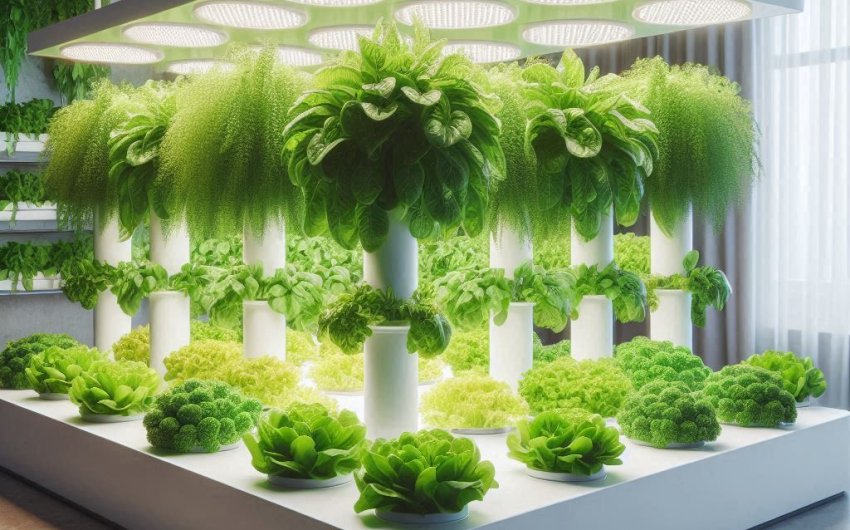
Venturing into the world of hydroponic gardening for beginners offers a wealth of advantages over traditional soil-based methods, transforming how you cultivate plants. This soilless approach provides a controlled environment where plants receive precise nutrients, leading to faster growth and often healthier yields. Discover how this innovative technique can simplify your gardening journey and open up new possibilities.
What Exactly is Hydroponic Gardening?
At its core, hydroponic gardening is a method of growing plants without soil. Instead, plants are grown with their roots directly submerged in or exposed to a nutrient-rich water solution. This solution provides all the essential minerals and elements that plants need to thrive, delivering them directly to the roots for efficient uptake.
Think of it as giving plants a perfectly balanced meal tailored just for them, without the need for dirt. This allows gardeners to grow almost anywhere, from small apartments to large commercial farms, bypassing the limitations of traditional soil-based agriculture.
Why is Hydroponics a Great Choice for Beginners?
Many newcomers to gardening might feel intimidated by the idea of growing without soil. However, the benefits of hydroponic gardening for beginners are numerous, making it an accessible and rewarding hobby that often yields quicker results than conventional methods.
Faster Growth Rates
One of the most appealing aspects of hydroponics is the significantly accelerated growth of plants.
- Direct Nutrient Access: In hydroponic systems, plant roots are constantly in direct contact with nutrient-rich water and oxygen. This means plants don't have to expend energy searching for nutrients in soil; they can absorb them immediately.
- Optimal Conditions: Hydroponic systems allow for precise control over light, temperature, pH levels, and nutrient concentration, creating ideal growing conditions that push plants to grow at their maximum potential.
- Reduced Stress: Without the stresses of soil-borne diseases, pests, and competing weeds, plants can dedicate more energy to growth and fruit production.
This rapid growth means you'll see your plants develop from seedlings to harvest much quicker, providing a satisfying and speedy gardening experience.
Space Efficiency
For those with limited outdoor space, or even no outdoor space at all, hydroponics opens up a world of possibilities.
- Vertical Gardening: Many hydroponic systems are designed to grow plants vertically, maximizing yield in a small footprint. This is perfect for apartments, balconies, or even just a corner of a room. Stackable systems or wall-mounted units allow you to grow a surprising amount of produce in a tiny area.
- Indoor Growing: Since hydroponics doesn't require soil, it's inherently clean and can be set up indoors without the mess associated with traditional potting. With the right LED grow lights, you can grow fresh produce year-round, regardless of climate or season.
- Urban Gardening: This makes hydroponics ideal for city dwellers, allowing them to produce their own food even in concrete jungles.
Water Conservation
While hydroponics uses water as its primary medium, it is remarkably efficient in its water usage compared to traditional gardening.
- Recirculating Systems: Most hydroponic setups are closed-loop systems, meaning the nutrient solution is reused and recirculated. This dramatically reduces water waste.
- Reduced Evaporation: In enclosed systems or indoor setups, less water is lost to evaporation compared to open garden beds.
- No Runoff: Unlike outdoor gardens where much water can be lost to runoff, hydroponic systems capture and reuse the water.
- Studies have shown that hydroponic systems can use up to 90% less water than traditional soil gardening, making them an environmentally friendly choice.
No Weeds
One of the most tedious and time-consuming aspects of traditional gardening is weeding. With hydroponics, this chore is virtually eliminated.
- Soilless Environment: Since there's no soil, there's no medium for weed seeds to germinate and grow.
- Clean Operation: This keeps your growing area tidy and allows your plants to receive all the nutrients without competition.
Fewer Pests and Diseases
Hydroponic systems inherently reduce many common pest and disease problems associated with soil.
- Sterile Medium: The growing mediums used (like rockwool, coco coir, or clay pebbles) are inert and sterile, meaning they don't harbor soil-borne pathogens or pest eggs.
- Controlled Environment: Indoor hydroponic setups provide a barrier against many outdoor pests. Even in outdoor or greenhouse setups, the absence of soil makes it harder for common pests like nematodes or fungus gnats to establish.
- Easier Detection: Any pests that do appear are often easier to spot and manage in a clean, contained system.
Year-Round Growing
One of the most significant benefits of hydroponic gardening for beginners is the ability to grow crops continuously, regardless of the season or external climate conditions.
- Climate Control: By using indoor setups with controlled lighting and temperature, you can create the perfect growing environment year-round. This means fresh herbs in winter or ripe tomatoes in spring.
- No Seasonal Limitations: You're no longer dependent on local weather patterns, frost dates, or specific growing seasons.
- Consistent Harvests: This allows for a steady supply of fresh produce, enhancing food security and reducing reliance on store-bought options.
What Are the Basic Hydroponic Systems for Beginners?
Understanding the different types of hydroponic systems is key to choosing the right setup when starting your hydroponic gardening for beginners journey. Each system has its own advantages and learning curve.
1. Deep Water Culture (DWC)
Often considered one of the simplest and most cost-effective systems for beginners.
- How it works: Plants are suspended in net pots with their roots directly submerged in a reservoir of nutrient solution. An air pump and air stone provide oxygen to the roots, which is crucial for preventing root rot.
- Pros: Easy to set up and maintain, low initial cost, great for leafy greens like lettuce and herbs.
- Cons: Not ideal for larger, fruit-bearing plants that need more structural support. Requires monitoring of water levels and pH.
- Setup: You'll need a container (like a plastic tote), net pots, an air pump, an air stone, and nutrient solution.
2. Nutrient Film Technique (NFT)
A popular commercial and hobby system where a thin film of nutrient solution flows over the roots.
- How it works: Plants sit in channels or tubes, and a thin film of nutrient solution continuously flows over their roots, then drains back into a reservoir to be recirculated. The roots mostly grow in air, getting plenty of oxygen.
- Pros: Excellent for leafy greens and herbs, efficient use of water and nutrients, good root aeration.
- Cons: Requires a slight slope for drainage, susceptible to power outages (roots can dry out quickly if the pump stops). Can be prone to clogging if not maintained.
- Setup: Channels or PVC pipes, a reservoir, a submersible pump, and nutrient solution. Many NFT hydroponic systems are available as kits.
3. Wick System
One of the most passive and beginner-friendly systems, requiring no pumps or electricity.
- How it works: A wick (made of felt or nylon rope) draws nutrient solution from a reservoir up into the growing medium where the plant's roots are located.
- Pros: Very simple, low cost, no electricity needed, good for small plants.
- Cons: Can be inefficient for larger plants, wicks can sometimes clog, and plants don't get as much oxygen as in active systems.
- Setup: A reservoir, a growing tray above it, a growing medium (like perlite or vermiculite), and wicks.
4. Drip System
A versatile and common system, especially for larger plants.
- How it works: A timer controls a pump that delivers nutrient solution through small drip emitters directly to the base of each plant. Excess solution can either drain to waste (non-recovery) or be collected and recirculated (recovery).
- Pros: Highly scalable, good for a variety of plants, precise control over nutrient delivery.
- Cons: Emitters can clog, requires more plumbing, timer and pump are needed.
- Setup: Reservoir, submersible pump, tubing, drip emitters, and a timer. Hydroponic drip kits are widely available.
What Do You Need to Start a Basic Hydroponic System?
To embark on your hydroponic gardening for beginners journey, you'll need a few key components. While advanced systems can be complex, a basic setup is surprisingly straightforward.
1. The System Kit or Components
- Ready-to-Use Kit: For absolute beginners, purchasing a hydroponic starter kit (like a DWC or small NFT system) is often the easiest way to begin. These usually include everything you need, from pumps to net pots.
- DIY Components: If you're handy, you can build your own system using individual components.
2. Reservoir
- This is the container that holds your nutrient solution. It needs to be opaque to block light and prevent algae growth. Food-grade plastic totes work well.
3. Air Pump and Air Stone (for DWC)
- The air pump pushes air through tubing to an air stone in the reservoir, creating bubbles that oxygenate the water.
4. Submersible Pump (for Active Systems)
- Used in systems like NFT or Drip to move the nutrient solution from the reservoir to the plants.
5. Net Pots
- These plastic mesh pots hold your plants and growing medium, allowing the roots to grow through into the nutrient solution.
6. Growing Medium (Substrate)
Since there's no soil, you need an inert material to support the plants.
- Rockwool: Common for starting seeds and seedlings, offering good aeration and water retention. Rockwool cubes are widely used.
- Coco Coir: A sustainable byproduct of coconuts, it holds water well and provides excellent aeration.
- Clay Pebbles (Hydroton): Lightweight, porous, and reusable. Great for providing support and drainage. Hydroton clay pebbles are a popular choice.
- Perlite or Vermiculite: Often used in wick systems or as an additive to other mediums for better drainage/retention.
7. Hydroponic Nutrients
This is the "food" for your plants. You cannot use regular garden fertilizer.
- Specialized Formulations: Hydroponic nutrients are specially formulated liquid or powder blends containing all macro and micronutrients plants need. They typically come in "Part A," "Part B," and sometimes a "Bloom" formula for different growth stages. Follow the instructions precisely. A good hydroponic nutrient solution is essential.
8. pH Testing Kit and Adjusters
- pH Meter: A pH testing kit or digital pH meter is crucial. Plants can only absorb nutrients when the pH of the solution is in the right range (typically between 5.5 and 6.5 for most plants).
- pH Up/pH Down: Solutions to raise or lower the pH to the optimal level.
9. Grow Lights (for Indoor Growing)
- If you're growing indoors without sufficient natural sunlight, LED grow lights are a must. They provide the necessary spectrum of light for plant photosynthesis.
10. TDS/EC Meter (Optional but Recommended)
- A TDS (Total Dissolved Solids) or EC (Electrical Conductivity) meter measures the concentration of nutrients in your solution. This helps you know when to add more nutrients or change the solution. It's not strictly necessary for a very basic setup, but highly recommended for better control.
What Are the Best Plants for Hydroponic Beginners?
Choosing the right plants to start with is key to a successful hydroponic gardening for beginners experience. Some plants are far more forgiving and easier to grow in a soilless environment than others.
Top Choices for Beginners
- Lettuce (and other leafy greens): This is by far the most popular and easiest plant for hydroponics. It grows quickly, doesn't require complex nutrient schedules, and thrives in simple DWC or NFT systems.
- Examples: Butterhead, Romaine, Loose Leaf, Arugula, Spinach, Kale.
- Herbs: Most culinary herbs do exceptionally well in hydroponic systems due to their relatively fast growth and compact size.
- Examples: Basil, Mint, Chives, Cilantro, Parsley, Oregano.
- Strawberries: While requiring a bit more attention, strawberries can be very rewarding in hydroponics, especially in vertical systems.
- Radishes: These quick-growing root vegetables can be grown hydroponically, though you'll need a system that allows their root to swell.
- Cherry Tomatoes (specific compact varieties): While full-sized tomatoes can be challenging, compact or dwarf cherry tomato varieties can be grown with success in larger hydroponic systems, particularly drip systems, with good support.
Plants to Avoid as a Beginner
- Root Vegetables (like Carrots, Potatoes): These typically need a deep, loose medium to develop properly and are generally not well-suited for most common hydroponic systems.
- Large Fruit-Bearing Plants (like Watermelons, Pumpkins): While possible, these require extensive support, very large systems, and advanced nutrient management, making them difficult for beginners.
- Corn or Grain Crops: Not practical for hobby hydroponics due to size and pollination requirements.
How Do You Maintain a Hydroponic System?
Regular maintenance is crucial for the health of your plants and the longevity of your system when you delve into hydroponic gardening for beginners. While it might seem like a lot at first, these steps quickly become routine.
1. Monitor pH Levels
- Frequency: Check the pH of your nutrient solution daily or every other day, especially in DWC systems.
- Target Range: Most plants thrive between a pH of 5.5 and 6.5.
- Adjustment: Use pH Up or pH Down solutions sparingly to adjust. Add small amounts, mix, and retest until the desired level is reached.
2. Check Nutrient Solution Levels
- Daily Check: Ensure the water level in your reservoir is adequate. Plants will absorb water, causing the level to drop.
- Topping Off: Top off with plain, pH-adjusted water (not more nutrient solution) between full solution changes. This is because plants absorb water faster than nutrients, which concentrates the remaining nutrients.
3. Change Nutrient Solution
- Frequency: Every 1-2 weeks, completely drain and replace your old nutrient solution with fresh, new solution. This prevents nutrient imbalances and buildup of harmful elements.
- Why Change? Even if the pH and EC look okay, the ratio of individual nutrients in the old solution might be off because plants absorb certain nutrients more than others.
4. Monitor EC/TDS (Optional but Recommended)
- Frequency: Check 2-3 times a week.
- Purpose: This tells you the overall concentration of nutrients in your water.
- Adjustment: If EC is too low, add more nutrient solution. If too high, dilute with pH-adjusted water.
5. Clean the System
- Between Cycles: After each crop, or every few months for continuous systems, thoroughly clean your reservoir, channels, and other components.
- Algae and Mineral Buildup: Algae can compete for nutrients, and mineral salts can build up. Use a brush and a diluted hydrogen peroxide solution or a specialized hydroponic system cleaner. Rinse thoroughly.
6. Inspect Plants Daily
- Early Detection: Look for signs of pests, diseases, or nutrient deficiencies. The earlier you catch an issue, the easier it is to fix.
- Root Health: Periodically check the roots. Healthy roots are typically white or creamy white. Brown, slimy roots indicate problems like root rot, often due to lack of oxygen or high water temperature.
What Are the Environmental Benefits of Hydroponics?
Beyond the immediate advantages for the gardener, the benefits of hydroponic gardening for beginners also extend to broader environmental impacts, making it a sustainable choice for food production.
Reduced Water Usage
As mentioned, hydroponics significantly reduces water consumption due to recirculating systems and minimized evaporation. This is critical in areas facing water scarcity.
Less Land Use
Vertical hydroponic farms can produce massive amounts of food in a fraction of the land area required for traditional farming. This helps preserve natural habitats and arable land.
No Soil Erosion or Degradation
Since no soil is used, there's no concern about soil erosion, compaction, or nutrient depletion that can plague conventional agriculture.
Reduced Need for Pesticides/Herbicides
The controlled environment of hydroponics naturally reduces pest pressure and completely eliminates the need for herbicides, leading to less chemical runoff into the environment.
Reduced Transportation Costs/Carbon Footprint
Growing food locally, even in urban environments, reduces the distance food travels from farm to plate. This means lower transportation costs and a smaller carbon footprint, as fresh produce can be grown closer to consumers.
What are the Potential Challenges for Beginners?
While the benefits of hydroponic gardening for beginners are compelling, it's also important to be aware of potential challenges. Knowing these upfront can help you prepare and avoid common pitfalls.
Initial Setup Cost
- While basic DIY systems can be inexpensive, purchasing a comprehensive hydroponic starter kit or a commercial unit can have a higher upfront cost than a few bags of soil and seeds. However, the long-term savings on water, faster growth, and continuous harvests often make up for it.
Learning Curve
- Understanding pH, nutrient ratios, and different system types requires a bit of research and learning. It's a new way of thinking about plant growth compared to traditional gardening.
- Tip: Start with a simple system and easy-to-grow plants. Read manuals thoroughly and join online communities for support.
Power Dependency (for Active Systems)
- Systems relying on pumps and air stones will stop functioning during a power outage. This can be detrimental to plants if prolonged.
- Tip: Consider a battery backup for essential pumps if power reliability is a concern, or choose passive systems like wick systems for a small portion of your garden.
Monitoring and Maintenance
- Hydroponics requires regular monitoring of water levels, pH, and nutrient concentration. Neglecting these can quickly lead to plant health issues.
- Tip: Establish a routine for checking your system, and keep a log to track readings and changes. This helps you learn what works best.
Nutrient Imbalances
- Getting the nutrient mix exactly right can sometimes be tricky. Too much or too little of a specific nutrient can cause deficiencies or toxicities.
- Tip: Always follow the manufacturer's instructions for your chosen hydroponic nutrient solution. Start with a slightly weaker solution if unsure, and observe your plants closely for any signs of distress.
Water Temperature
- The temperature of your nutrient solution can affect oxygen levels and root health. Too warm can lead to root rot; too cold can slow growth.
- Tip: Try to keep the solution between 65-72°F (18-22°C). In hot climates, you might need to use a water chiller.
Despite these potential challenges, the controlled nature of hydroponics often makes it easier to diagnose and correct problems once you understand the basics. The rewards of fresh, fast-growing produce often outweigh the initial learning curve, making hydroponic gardening for beginners a deeply satisfying pursuit.