
How to Grow Tomatoes in a Small Garden?
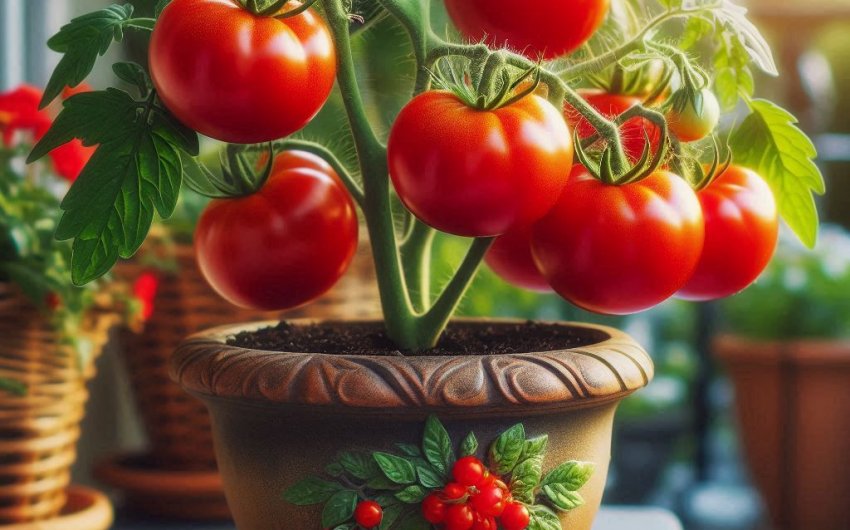
Cultivating delicious, sun-ripened tomatoes in a small garden space might seem challenging, but it's entirely achievable with the right strategies. Even if you only have a balcony, a tiny patio, or a compact backyard, you can enjoy a bountiful harvest of these beloved fruits. This comprehensive guide will show you how to maximize your limited area for tomato growing success.
What Are the Best Tomato Varieties for Small Spaces?
Choosing the correct tomato type is the first and most crucial step when learning how to grow tomatoes in a small garden. Not all tomato plants are created equal; some are much better suited for compact living than others.
Tomato plants generally fall into two main categories based on their growth habit:
- Determinate (Bush) Tomatoes: These varieties grow to a specific, predetermined size and then stop. They tend to ripen most of their fruit at once, making them ideal for canning or sauces. Their compact bush-like growth makes them perfect for small gardens and containers.
- Indeterminate (Vining) Tomatoes: These tomatoes continue to grow, vine, and produce fruit throughout the entire growing season until frost. They can get very large, sometimes reaching 10 feet or more, and require substantial support. While they offer a continuous harvest, they are less suited for truly tiny spaces unless meticulously pruned and trained.
Top Determinate Varieties for Small Gardens:
These types are excellent choices if you're aiming to grow tomatoes in a small garden because of their manageable size and generous yields.
- 'Patio Princess': A popular choice for containers, producing medium-sized slicing tomatoes.
- 'Bush Early Girl': A compact version of the popular 'Early Girl', yielding good-sized, flavorful fruits.
- 'Celebrity': A disease-resistant bush variety known for producing large, meaty tomatoes.
- 'Roma' (Plum/Paste Tomatoes): Many Roma varieties are determinate, perfect for sauces and paste, and well-suited for smaller spaces. Look for specific compact strains.
- 'Better Bush': A more compact version of 'Better Boy', offering good yields of large tomatoes on a manageable plant.
Compact Indeterminate Varieties (with Management):
If you desire the continuous harvest of an indeterminate but still need to conserve space, some smaller indeterminate types or those that respond well to aggressive pruning can work. Just be prepared for ongoing support and maintenance.
- Cherry Tomatoes: Many cherry tomato varieties, even indeterminate ones like 'Sungold' or 'Sweet 100', can be grown in large containers. While they vine, their smaller fruit size means less weight and strain on the plant, and they can be trellised vertically more easily.
- 'Tiny Tim': A true miniature determinate cherry tomato, excellent for very small pots or even indoors.
- 'Micro Tom': Perhaps the smallest tomato plant available, producing tiny cherry tomatoes on plants that are often less than a foot tall. Ideal for windowsills.
What Are the Best Containers for Tomatoes?
Container choice is critical when you grow tomatoes in a small garden or on a patio. The right pot provides adequate space for root development, drainage, and moisture retention, all vital for healthy tomato plants.
Minimum Container Size
For determinate varieties, aim for a container that holds at least 5 gallons of potting mix, which translates to a pot roughly 12-15 inches in diameter. For indeterminate varieties, even when trying to keep them small, a 15-20 gallon container (or even larger, like a half whiskey barrel) is recommended to support their extensive root system and fruit production.
Types of Containers
- Plastic Pots: Lightweight, inexpensive, and retain moisture well. Choose pots with good drainage holes. Darker colors can absorb more heat, which can be a pro or con depending on your climate.
- Terracotta Pots: Attractive and breathable, which can help prevent root rot. However, they dry out very quickly, meaning you'll need to water more frequently.
- Fabric Grow Bags: Excellent for aeration, preventing root circling (where roots grow in a continuous circle, stifling growth), and promoting healthy root systems. They come in various sizes and are relatively inexpensive. Fabric grow bags are a fantastic choice for compact spaces.
- Self-Watering Planters: These clever containers have a reservoir at the bottom, wicking water up to the roots as needed. They are excellent for reducing watering frequency and ensuring consistent moisture, which tomatoes love. A self-watering tomato planter can be a game-changer.
- Raised Beds: For small backyards, a compact raised bed offers more soil volume than individual containers, allowing for better root growth and moisture regulation, without taking up a huge footprint.
Container Checklist
- Drainage Holes: Absolutely essential! Without them, roots will rot.
- Saucers/Trays: If growing on a patio or deck, use a plant saucer to catch excess water and prevent stains.
- Portability: Consider containers with handles or wheels if you need to move your plants to optimize sunlight or protect them from bad weather.
What is the Best Soil and Location for Container Tomatoes?
Once you've selected your tomato variety and container, focusing on the right growing medium and prime location will set your tomatoes in a small garden up for success.
Potting Mix
Do NOT use garden soil in containers. Garden soil compacts too much, drains poorly, and can introduce pests and diseases. Instead, use a high-quality, well-draining potting mix specifically formulated for containers.
Look for mixes that contain:
- Peat Moss or Coco Coir: For moisture retention.
- Perlite or Vermiculite: For aeration and drainage.
- Compost: To provide nutrients and beneficial microbes.
You can also create your own mix using equal parts peat moss (or coco coir), compost, and perlite. A slightly acidic to neutral pH (6.0-6.8) is ideal for tomatoes.
Sunlight Requirements
Tomatoes are sun-loving plants. For optimal fruit production, they need a minimum of 6-8 hours of direct sunlight per day. More is always better!
- South-Facing Locations: These usually receive the most consistent sunlight throughout the day.
- Reflective Surfaces: White walls or fences can reflect additional light onto your plants, which can be beneficial in shadier spots.
- Monitor Sunlight: Observe your chosen spot throughout the day to ensure it receives adequate sun exposure.
- Moveable Containers: One of the biggest advantages of growing tomatoes in a small garden via containers is the ability to move them to follow the sun or protect them from harsh weather.
Protection from Wind and Extreme Weather
While tomatoes love sun, strong winds can damage tender stems and leaves, and heavy rains can lead to soil erosion and disease.
- Sheltered Spots: Place containers near a wall, fence, or other plants that can provide some shelter.
- Staking Early: Providing support from the beginning helps your plants withstand winds.
- Bring Indoors/Cover: If a severe storm or unseasonably cold temperatures are expected, consider moving smaller containers indoors or covering them.
How Should You Plant Tomatoes in Containers?
Proper planting techniques ensure your tomatoes in a small garden establish strong root systems, which is foundational for healthy growth and abundant fruit.
Transplanting Seedlings
If you're starting with tomato seedlings (either purchased or homegrown):
- Prepare the Container: Fill your chosen container with potting mix, leaving a few inches from the rim.
- Deep Planting: Tomatoes are unique because they can grow roots along their stems. This means you should plant seedlings deeper than they were in their original pot. Remove the bottom few sets of leaves and bury that portion of the stem. This encourages a stronger, more extensive root system.
- Water Thoroughly: After planting, water the seedling immediately and deeply until water drains from the bottom.
- Initial Support: Install your stake, cage, or trellis at the time of planting to avoid disturbing the roots later.
Starting from Seed (Direct Sowing)
While most gardeners start tomatoes from seedlings, you can direct sow determinate varieties if you have a long growing season.
- Planting Depth: Plant seeds about 1/4 to 1/2 inch deep.
- Thinning: Once seedlings emerge and have a few sets of true leaves, thin them to the strongest single plant per container.
How Do You Support Tomatoes in Containers?
Support is non-negotiable when you grow tomatoes in a small garden, especially in containers. Even determinate varieties can become top-heavy with fruit, risking stem breakage and disease if left unsupported.
Reasons for Support
- Prevents Stem Breakage: Fruit-laden branches can easily snap.
- Improves Air Circulation: Lifting plants off the ground allows for better airflow, reducing the risk of fungal diseases.
- Keeps Fruit Clean: Prevents fruit from touching the soil, which can lead to rot and pest issues.
- Maximizes Space: Especially with vertical training, support helps utilize vertical space efficiently.
Support Options for Small Spaces
- Tomato Cages: While traditional conical cages are often too small for larger tomato plants, heavy-duty, wider, or square tomato cages can work well for determinate varieties. Look for cages specifically designed for containers or those with larger diameters. Place the cage over the seedling when it's still small.
- Stakes: A single sturdy garden stake (wood, bamboo, or metal) pushed deeply into the container soil. As the plant grows, use soft ties or strips of cloth to gently secure the main stem to the stake every 6-12 inches.
- Trellises: For indeterminate varieties, or if you want to train determinate varieties vertically against a wall or fence, a garden trellis is an excellent option. Attach it securely to the container or to a nearby structure. Train the main stem and side shoots by weaving them through the trellis or tying them to it.
- Wall-Mounted Supports: If you have a sunny wall, consider attaching a modular or expanding trellis directly to it and training your tomatoes up the wall.
- Obelisk Supports: Decorative metal or bamboo obelisks can provide central support and add an aesthetic touch, particularly for determinate and smaller indeterminate varieties.
Training Techniques
- Pruning Suckers (for Indeterminate): Suckers are small shoots that grow in the "armpit" (axil) where a leaf stem meets the main stem. For indeterminate varieties, removing some suckers helps direct the plant's energy into fruit production and maintains a more manageable size for a small space. Pinch them off when they are small. For determinate varieties, suckers are generally left alone as they contribute to the plant's bushy growth and overall yield.
- Lower Leaf Removal: Once fruits begin to form, you can remove some of the lower leaves, especially those touching the soil. This improves air circulation, reduces the risk of fungal diseases, and directs more energy to the fruit.
How Should You Water and Fertilize Container Tomatoes?
Watering and feeding are crucial daily tasks when you grow tomatoes in a small garden in containers. Container plants dry out much faster than those in the ground and rely entirely on you for nutrients.
Watering
Consistency is key. Tomatoes need consistent moisture to prevent issues like blossom end rot (a dark, sunken spot on the bottom of the fruit caused by calcium deficiency, often triggered by inconsistent watering).
- Frequency: Check your containers daily, especially in hot, sunny, or windy weather. Stick your finger about an inch or two into the soil; if it feels dry, it's time to water. In peak summer, you might need to water twice a day.
- Thorough Watering: Water until excess water drains from the bottom of the pot. This ensures the entire root ball is moistened.
- Avoid Overhead Watering: Water the soil directly, not the leaves, to reduce the risk of fungal diseases. A watering can with a long spout or a drip irrigation system works well.
- Mulch: A layer of straw mulch or shredded leaves on top of the soil helps retain moisture and regulate soil temperature.
Fertilizing
Since nutrients leach out of containers with each watering, regular feeding is essential.
- Initial Feeding: Many potting mixes come with a slow-release fertilizer. If not, incorporate a balanced granular fertilizer at planting.
- Regular Feeding:
- Tomato-Specific Fertilizers: Use a fertilizer specifically formulated for tomatoes, which typically have higher phosphorus (P) and potassium (K) for flowering and fruiting, and lower nitrogen (N) to prevent excessive leafy growth at the expense of fruit.
- Liquid Feed: A diluted liquid fertilizer applied every 1-2 weeks is an easy way to provide consistent nutrients. Fish emulsion or a balanced organic liquid feed are good choices.
- Slow-Release Granules: Alternatively, incorporate slow-release granular fertilizer into the top few inches of soil every few weeks or months, following product instructions.
- Signs of Nutrient Deficiency:
- Yellowing Lower Leaves: Often indicates nitrogen deficiency.
- Purplish Undersides of Leaves: Can indicate phosphorus deficiency.
- Blossom End Rot: While often watering-related, it can also signal calcium deficiency. Ensure your fertilizer has calcium, or supplement with calcium spray.
How Can You Manage Pests and Diseases Organically?
Even when you grow tomatoes in a small garden, pests and diseases can still strike. Organic pest and disease management focuses on prevention and eco-friendly treatments to keep your plants healthy without harsh chemicals.
Common Pests and Organic Solutions
- Aphids: Tiny, soft-bodied insects that cluster on new growth.
- Organic Control: Blast them off with a strong spray of water from a hose. Use insecticidal soap if the problem persists. Encourage beneficial insects like ladybugs.
- Tomato Hornworms: Large green caterpillars that can rapidly defoliate a plant.
- Organic Control: Hand-pick them off your plants (they're camouflaged but distinctive). Look for their droppings to locate them.
- Spider Mites: Tiny arachnids that cause stippling (tiny yellow dots) on leaves and fine webbing in severe cases. They thrive in hot, dry conditions.
- Organic Control: Increase humidity around the plant with regular misting. Spray with Neem oil or insecticidal soap.
- Slugs and Snails: Leave slime trails and irregular holes in leaves and fruit.
- Organic Control: Hand-pick them at night. Set beer traps (shallow dishes filled with beer). Sprinkle diatomaceous earth around the base of plants (reapply after rain).
Common Diseases and Organic Solutions
- Early Blight/Late Blight: Fungal diseases causing dark spots on leaves, often starting from the bottom of the plant. Can lead to plant death.
- Organic Control: Ensure good air circulation (prune lower leaves). Water at the base of the plant, not overhead. Remove and discard (do not compost) affected leaves immediately. Use a preventative copper fungicide if conditions are consistently wet and humid. Choose disease-resistant varieties.
- Fusarium Wilt/Verticillium Wilt: Soil-borne fungal diseases that cause wilting and yellowing of leaves, often affecting one side of the plant.
- Organic Control: No cure once infected. Best prevention is choosing resistant varieties (look for "V" and "F" on seed packets, indicating resistance). Practice crop rotation (though difficult in containers if reusing soil). Sterilize containers if you suspect a previous infection.
- Blossom End Rot (BER): Not a disease, but a physiological disorder causing a dark, sunken spot on the bottom of the fruit.
- Organic Control: Ensure consistent watering. Maintain even soil moisture. Provide adequate calcium (good potting mix and regular tomato fertilizer usually suffice, but extreme cases may benefit from a calcium supplement).
General Organic Pest and Disease Prevention
- Choose Resistant Varieties: As mentioned, selecting varieties with natural resistance is your first line of defense.
- Good Air Circulation: Space plants appropriately, prune lower leaves, and provide support.
- Watering Wisely: Avoid overhead watering. Water early in the morning so leaves can dry.
- Sanitation: Remove any diseased plant material immediately. Clean gardening tools between plants. Use fresh potting mix each season if possible.
- Beneficial Insects: Encourage natural predators by planting nectar-rich flowers nearby, such as marigolds or dill.
- Regular Inspection: Early detection is key to managing problems before they become severe. Inspect your plants daily.
When and How Do You Harvest Tomatoes?
Harvesting your tomatoes in a small garden at the right time ensures the best flavor and encourages the plant to produce more fruit. The timing and method depend on the tomato type and your personal preference.
Signs of Ripeness
- Color: Most tomatoes will change from green to a rich, uniform red, orange, or yellow when ripe, depending on the variety. The entire fruit should be colored, not just patches.
- Firmness: Ripe tomatoes should feel firm but yield slightly when gently squeezed. If they are rock hard, they're not ready; if they are mushy, they're overripe.
- Smell: A ripe tomato will have a distinct, fragrant tomato smell, especially near the stem end.
- Ease of Detachment: A truly ripe tomato will often detach easily from the vine with a slight twist or gentle pull.
Harvesting Technique
- Grasp the Fruit: Gently hold the tomato in one hand.
- Twist or Snap: With your other hand, either twist the fruit gently at the stem joint until it separates, or use a small pair of pruning shears to snip the stem just above the fruit, leaving the green calyx (the leafy part) attached. This helps the fruit last longer.
- Avoid Pulling: Never yank the fruit off the vine, as this can damage the plant.
- Regular Harvesting: Harvest frequently, ideally daily or every other day, especially during peak season. This encourages the plant to produce more flowers and fruit.
Dealing with Unripe Tomatoes
Sometimes, you might have green tomatoes on the vine as the season ends or before a frost.
- Ripen Indoors: You can pick nearly full-sized green tomatoes and ripen them indoors. Place them in a paper bag or a box with a ripe apple or banana (which emit ethylene gas, a natural ripening agent). Store in a cool, dark place.
- Green Tomato Recipes: Green tomatoes are delicious fried, pickled, or made into chutney!
How Can You Extend Your Tomato Growing Season?
While the primary growing season for tomatoes in a small garden is summer, you can often extend it on both ends with a few clever techniques, especially when growing in containers.
Starting Early Indoors
- Seed Starting: Begin tomato seeds indoors 6-8 weeks before your last anticipated frost date. Use seed starting mix and provide ample light (grow lights are often necessary to prevent leggy seedlings).
- Hardening Off: Before transplanting outdoors, gradually acclimate your seedlings to outdoor conditions (sun, wind, cooler temperatures) over 7-10 days. This process is called "hardening off" and prevents transplant shock.
Protecting from Cold
- Moving Containers: The biggest advantage of container gardening is portability. If a late spring frost or early fall cold snap threatens, simply move your containers indoors, into a garage, or onto a covered porch.
- Frost Cloth: For plants too large to move, cover them with frost cloth or an old sheet in the evening. Remove it in the morning when temperatures rise.
- Watering: Well-watered soil retains heat better than dry soil. Water your plants thoroughly before an expected cold night.
Succession Planting (Limited Space)
While true succession planting (staggering plantings) is harder in a small space, you can still get two harvests.
- Plant an early-maturing determinate variety.
- As that plant begins to decline after its main flush of fruit, prepare another container with a new, younger plant (perhaps started from seed later in the season) to take its place.
Overwintering (in Warm Climates/Indoors)
In frost-free climates, or if you have a very sunny indoor spot, you might be able to keep a tomato plant going.
- Pruning: Cut back the plant significantly, removing all fruit and most leaves.
- Bring Indoors: Move the plant indoors to a bright, warm location (south-facing window or under grow lights).
- Reduced Care: Water less frequently and reduce fertilizer.
- Monitor for Pests: Indoor conditions can encourage pests like spider mites or whiteflies, so monitor closely.
Successfully growing your own tomatoes in a small garden or limited space is incredibly rewarding, providing fresh, flavorful produce right at your fingertips.