
Breaking News: Shredded Newspaper Revolutionizes Composting!
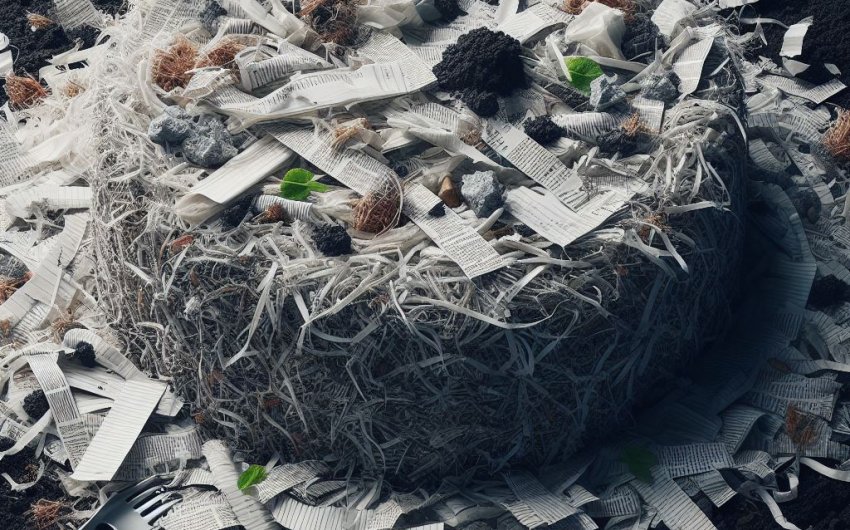
Are you constantly looking for ways to reduce waste, enrich your garden soil, and perhaps even save a little money? What if we told you that the answer might be found in your recycling bin? That's right, the humble newspaper, often discarded after a quick read, is making headlines in the world of gardening. It's not just for lining birdcages anymore; shredded newspaper is quickly becoming a composting superstar!
For years, gardeners have known the magic of compost – that rich, dark, crumbly "black gold" that turns kitchen scraps and yard waste into nutrient-packed food for plants. It's a cornerstone of organic gardening. But sometimes, finding the right balance of materials can be tricky. This is where shredded newspaper steps in, offering a simple, free, and incredibly effective solution that's set to revolutionize the way many of us think about composting.
In this comprehensive guide, we'll dive deep into the exciting potential of shredded newspaper in composting. We'll cover why it's so beneficial, how to use it safely and effectively, and how it fits into making the perfect batch of garden gold. Get ready to turn yesterday's news into tomorrow's thriving garden!
Why is Shredded Newspaper a Composting Game Changer?
To understand why shredded newspaper is such a valuable addition to your compost pile, we need to talk a little about the science of composting. It's all about balancing different types of materials to create the ideal environment for tiny microbes to do their work.
What Role Does Newspaper Play in Composting?
Composting relies on a balance of "greens" and "browns."
- Greens (Nitrogen-rich): These are fresh, moist materials like kitchen scraps (fruit and vegetable peels, coffee grounds), fresh grass clippings, and plant trimmings. They provide nitrogen, which is essential for the microbes' growth.
- Browns (Carbon-rich): These are dry, often woody materials like fallen leaves, straw, wood chips, and dried plant stalks. They provide carbon, which is the energy source for the microbes and helps create the bulk and structure of the compost pile.
This is where shredded newspaper comes in! It is an excellent source of carbon, making it a "brown" material for your compost bin.
What are the Benefits of Using Shredded Newspaper?
Adding shredded newspaper to your compost pile offers a surprising number of advantages:
- Excellent Carbon Source: It provides a readily available source of carbon, which is crucial for balancing out nitrogen-rich kitchen scraps and fresh grass clippings. Achieving the right carbon-to-nitrogen ratio (ideally around 25-30:1) is key for fast and efficient composting.
- Absorbs Excess Moisture: If your compost pile gets too wet from a lot of kitchen scraps or rain, it can become slimy and smelly. Shredded newspaper acts like a sponge, absorbing excess moisture and preventing anaerobic (without oxygen) conditions, which lead to foul odors.
- Improves Aeration: The loosely shredded pieces of newspaper create air pockets within the pile, improving aeration. Good airflow is essential for the aerobic microbes that break down organic matter efficiently and without stinky smells.
- Reduces Odors: By absorbing moisture and improving aeration, shredded newspaper helps prevent the rotting smells often associated with overly wet or unbalanced compost piles. Layering browns (like newspaper) over greens (like food scraps) also helps contain any potential odors.
- Free and Readily Available: Most households have access to newspapers, making this a cost-free way to bulk up your compost pile and divert waste from landfills. It's a win-win for your wallet and the environment.
- Breaks Down Quickly: Unlike tougher "brown" materials like wood chips or thick branches, thin shredded newspaper breaks down relatively quickly, speeding up the composting process.
- Weed Seed Suppression: When used as a layer in a no-dig garden or as mulch, newspaper (even un-shredded) can help suppress weeds. While in the compost pile, it gets fully broken down, so it won't introduce weed seeds.
These benefits combine to make shredded newspaper a top-tier choice for any composter, from beginner to expert.
Is Newspaper Safe for Composting? What About Inks?
This is a common and important question. For many years, there was concern about the safety of using newspaper in compost due to lead-based inks. However, that concern is largely outdated.
- Modern Inks are Safe: The vast majority of newspapers printed today use soy-based inks or other vegetable-based inks that are non-toxic and biodegradable. These inks do not contain heavy metals like lead.
- Black and White is Best: Stick primarily to black and white newspaper pages. While most color inks are now soy-based as well, some bright, glossy inserts or flyers might still use heavier metals. It's best to avoid these or use them very sparingly.
- Avoid Glossy Paper: Do not use glossy magazine pages, junk mail with heavy coatings, or slick advertising inserts. These often contain clay coatings, heavy inks, and other chemicals that break down slowly or could be harmful. They also don't absorb moisture well.
- Limit Overall Quantity: While safe, newspaper shouldn't be the only carbon source. Aim for a diverse mix of brown materials (leaves, straw, cardboard) for the healthiest compost.
So, in short: regular black and white newspaper is generally very safe and beneficial for composting.
How Do I Use Shredded Newspaper in My Compost Pile?
Getting started with shredded newspaper is easy. It's all about preparation and layering.
How Should I Prepare Newspaper for Composting?
Proper preparation ensures the newspaper breaks down efficiently and contributes positively to your compost.
- Shredding is Key: Do not put whole sheets of newspaper into your compost pile. They can mat together, block airflow, and slow down decomposition. Shredding increases the surface area, allowing microbes to work more effectively.
- You can tear it by hand into strips about 1-2 inches wide.
- A paper shredder (especially a cross-cut shredder) is ideal for making fine, consistent strips. If you don't have one, consider investing in a cross-cut paper shredder for easy composting prep.
- You can also lightly dampen newspaper and tear it, which sometimes makes it easier.
- Remove Staples/Tape: While small metal staples will likely rust away, it's best practice to remove any large staples, plastic tape, or labels from newspaper bundles before shredding.
- Dampen Slightly (Optional): If your shredded newspaper is bone dry, a slight pre-dampening can help it integrate better into the pile, especially if you're layering it with very wet "greens."
What is the Right Carbon-to-Nitrogen Ratio?
The ideal carbon-to-nitrogen (C:N) ratio for composting is roughly 25-30 parts carbon to 1 part nitrogen by weight. This ratio allows the microbes to work most efficiently.
- Too Much Nitrogen ("Greens"): If your pile has too many "greens" (kitchen scraps, fresh grass), it can become dense, wet, slimy, and smelly (like ammonia).
- Too Much Carbon ("Browns"): If your pile has too many "browns" (leaves, newspaper), it will decompose very slowly or not at all.
- Achieving Balance: Think of it like a recipe. A general rule of thumb is to aim for a 50/50 mix of greens and browns by volume when you're adding them. If your pile is primarily kitchen scraps, you'll need more newspaper. If it's mostly leaves, you'll need more kitchen scraps or fresh grass clippings.
Shredded newspaper helps you easily adjust this balance, especially if you have a lot of kitchen waste. Keep a bin of shredded newspaper near your compost pile to add as needed.
How Should I Layer Newspaper in My Compost Pile?
Layering is an effective way to maintain balance and encourage decomposition.
- Start with Browns: Begin your compost pile with a layer of coarser "brown" materials, such as twigs or straw, at the bottom for drainage and aeration.
- Alternate Layers:
- Add a layer of "greens" (e.g., kitchen scraps, fresh grass clippings) about 4-6 inches (10-15 cm) thick.
- Then, cover this with a layer of "browns", including a generous amount of shredded newspaper, about 4-6 inches (10-15 cm) thick.
- Repeat, alternating "greens" and "browns."
- Cover Food Scraps: Always cover new kitchen scraps with a layer of shredded newspaper or other browns. This helps to:
- Absorb moisture from the food waste.
- Reduce odors that can attract pests.
- Provide carbon for decomposition.
- Maintain Moisture: The compost pile should be consistently moist, like a wrung-out sponge. If it feels too dry, add some water (especially when adding dry newspaper). If it's too wet, add more dry shredded newspaper.
- Turn Regularly: Turning your compost pile regularly (every week or two) helps aerate it, mix the materials, and speed up decomposition. As you turn, you can add more shredded newspaper if needed to correct moisture or C:N balance.
Can I Use Newspaper in a Worm Composting Bin?
Yes! Shredded newspaper is fantastic for worm composting (vermicomposting).
- Bedding: It makes excellent bedding for your worms. They love to burrow in it, and it provides a carbon source.
- Moisture Control: It helps absorb excess moisture in the bin.
- Preparation: Shred it finely, as described above, and slightly dampen it before adding it to the worm bin.
- Balance: Remember to balance the newspaper ("brown") with your food scraps ("green") to keep your worm bin healthy and odorless. About 50/50 by volume is a good starting point.
A worm composting bin can be a great indoor or outdoor composting solution, and newspaper is a perfect addition.
What Are Some Common Challenges and Tips When Using Newspaper?
While shredded newspaper is revolutionary for composting, there are a few things to keep in mind to ensure success.
How Do I Prevent Newspaper from Matting Together?
This is the biggest potential pitfall when using newspaper in compost.
- Shred Thoroughly: The most important step is thorough shredding. Whole or large sheets of newspaper will lay flat and create dense layers that block airflow.
- Mix Well: Don't just dump a thick layer of shredded newspaper on top of your greens. Try to mix it in as much as possible, or layer it with other browns and greens so it's evenly distributed.
- Dampen if Dry: If your shredded newspaper is very dry, a light misting with water before adding can help it integrate and prevent clumping.
- Turn Regularly: Frequent turning of the compost pile will also break up any matted sections and distribute the newspaper more evenly, promoting aeration.
What if My Compost Pile Smells Bad When Using Newspaper?
If your compost pile smells like ammonia (rotting eggs) or is just generally stinky, it's usually a sign of too much nitrogen ("greens") or not enough oxygen.
- Add More Browns: This is where shredded newspaper shines! If it smells bad, immediately add a generous amount of dry shredded newspaper and other "brown" materials (dry leaves, straw).
- Turn the Pile: Once you've added the browns, turn the pile thoroughly to mix everything and introduce more oxygen.
- Check Moisture: If the pile is too wet and slimy, the bad smell is probably from anaerobic conditions. The newspaper will help absorb excess moisture.
- Layer Properly: Going forward, ensure you are consistently layering your "greens" with "browns" (including newspaper) to maintain balance and prevent odors. Always cover fresh food scraps with a layer of browns.
How Can I Get Enough Newspaper for My Composting Needs?
You might be surprised how much newspaper you accumulate!
- Save Your Own: Start by saving your own daily or weekly newspapers.
- Ask Neighbors/Friends: Let friends and neighbors know you're collecting newspaper for composting. They might be happy to contribute their discards.
- Local Businesses: Some small businesses might have clean newspaper they're willing to give away.
- Be Mindful of Supply: While newspaper is great, remember to diversify your brown sources. Leaves, straw, wood shavings, and cardboard are also excellent.
Can I Use Shredded Cardboard Instead of Newspaper?
Yes! Shredded cardboard (plain, unprinted, or with minimal black ink) is another fantastic "brown" material, very similar to newspaper.
- Benefits: Excellent carbon source, good for aeration, absorbs moisture.
- Preparation: Tear or shred cardboard into small pieces. Corrugated cardboard needs more surface area exposed for microbes. Avoid waxy or heavily printed cardboard.
- Combination: Using a mix of shredded newspaper and shredded cardboard along with other leaves and plant debris creates a very diverse and healthy compost.
What Other "Brown" Materials Pair Well with Newspaper?
For the healthiest and fastest compost, aim for a diverse mix of "brown" materials.
- Fallen Leaves: An abundant source of carbon in the fall. Shred or chop them for faster decomposition. A leaf shredder can make this easy.
- Straw/Hay: Good for bulk and aeration.
- Wood Chips/Sawdust: Use sparingly unless aged, as they are very carbon-heavy and break down slowly. Avoid treated wood.
- Dried Plant Stalks/Dead Plants: Chop them into smaller pieces.
- Paper Towel/Toilet Paper Rolls: Tear them up. Avoid paper towels with cleaning chemicals.
By embracing shredded newspaper and diversifying your "brown" materials, you're not just creating incredible compost; you're actively participating in a sustainable cycle that enriches your garden and benefits the planet. It's a true thrill to see yesterday's news transform into vibrant, healthy life in your garden!