
Beyond the Box: Unveiling Cardboard's Compost Power!
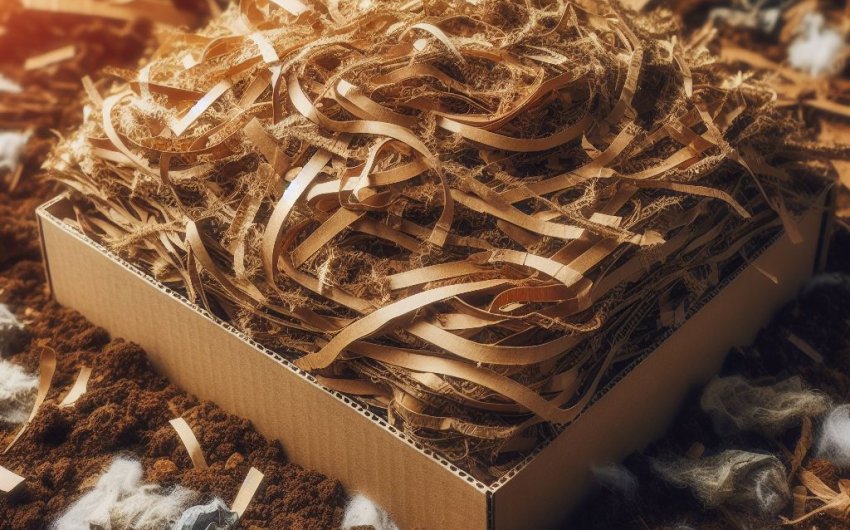
You just ordered something online, and now you're left with a pile of cardboard boxes. Your recycling bin is full, and you're wondering if there's another sustainable way to dispose of this ubiquitous material. What if this everyday packaging held a hidden power for your garden, a secret to creating rich, nutrient-dense compost?
The truth is, cardboard is a composting superstar! Far from being mere trash, it's a fantastic source of "brown" material, providing essential carbon to your compost pile. This unsung hero can help balance out your nitrogen-rich "greens," improve aeration, and manage moisture, all while diverting waste from landfills. It's truly a marvel that goes beyond the box!
This guide will unveil cardboard's compost power. We'll demystify why it's so valuable in the decomposition process, clarify which types are safe to use, and give you pro tips for preparing and incorporating it into your "black gold" factory. Get ready to transform your packing waste into garden treasure and make your composting efforts more efficient and sustainable!
Why Cardboard is a Composting Superstar (The "Brown" Gold!)
At first glance, cardboard might seem too sturdy or processed to break down easily in a compost pile. But once you understand its composition and its role in the composting process, you'll realize it's truly a superstar, offering significant benefits as a "brown" material.
1. Cardboard as a Carbon Source
The magic of composting hinges on a balanced diet for the microorganisms that do all the work. This diet is all about the Carbon-to-Nitrogen (C:N) ratio.
- Carbon's Role: Carbon is the primary energy source for the bacteria, fungi, and other microbes that break down organic waste. Without enough carbon, the decomposition process slows dramatically, and your compost pile can start to smell unpleasant.
- Cardboard's Contribution: Cardboard is predominantly made of cellulose, which is a complex carbohydrate. This makes it an excellent source of carbon – a classic "brown" material. It has a high C:N ratio, making it invaluable for balancing out nitrogen-rich "greens" (like kitchen scraps and fresh grass clippings) that many home composters tend to have in abundance.
- Balance is Key: When you have too many "greens," your pile can become too wet, compacted, and smelly due to excess nitrogen. Adding cardboard helps restore that ideal 25-30:1 C:N ratio, ensuring efficient and odorless decomposition.
2. Enhancing Aeration and Structure
- Prevents Compaction: Cardboard, especially corrugated cardboard, has an open structure (the wavy flutes) even when it breaks down. When shredded or torn, it creates a fluffy, loose texture that helps prevent your compost pile from becoming too dense and compacted. This is crucial for avoiding anaerobic (oxygen-lacking) conditions.
- Improves Airflow: The structural integrity provided by cardboard creates vital air pockets throughout the pile. Adequate oxygen is essential for the hardworking aerobic microbes, which are the ones that break down waste quickly and without foul odors. Without enough air, decomposition slows dramatically and produces methane gas.
- "Bulking Agent": Cardboard acts as a "bulking agent," adding volume to the pile and preventing wet materials from clumping together into a slimy mass.
3. Moisture Management
- Absorbent Qualities: Cardboard is highly absorbent. If your compost pile becomes too wet from kitchen scraps, rain, or overly moist "greens," adding shredded cardboard can quickly soak up the excess moisture. This brings the pile back to the ideal "wrung-out sponge" consistency that microbes love.
- Prevents Leaching: By absorbing excess liquid, cardboard can also help prevent valuable nutrients from leaching out of the bottom of your compost bin.
4. Weed Suppression (when used as a layer)
While our primary focus is composting, it's worth noting that entire sheets of cardboard can be used as a layer in sheet mulching or "lasagna gardening" to suppress weeds and build new garden beds, further demonstrating cardboard's compost power.
5. Waste Diversion and Sustainability
- Reduces Landfill Waste: Cardboard boxes, paper towels rolls, and other paper products make up a significant portion of household waste. By composting them, you divert them from landfills, where they would decompose anaerobically and produce potent greenhouse gases like methane.
- Sustainable Resource: You're taking a resource that often comes into your home already (packaging) and giving it a second, valuable life as a soil amendment, reducing your reliance on purchased compost or amendments.
In summary, cardboard is far more than just packaging waste. When added to your compost pile, it becomes a mighty "brown" powerhouse, balancing nutrients, improving aeration, managing moisture, and contributing to a more sustainable gardening practice. It truly goes beyond the box to enrich your garden!
The Crucial Rule: Only Uncoated, Untreated Cardboard!
Just like with sawdust, the absolute most important cardboard secret for safe composting is to only use uncoated, untreated cardboard. Not all cardboard is compost-friendly, and putting the wrong types into your pile can introduce harmful chemicals that contaminate your compost and potentially your garden.
What is "Untreated, Uncoated" Cardboard?
This refers to cardboard that is primarily composed of natural wood fibers and has not been processed with non-biodegradable or toxic coatings, inks, or glues.
- Common Examples (SAFE to Compost):
- Corrugated Cardboard Boxes: The most common type. Look for plain brown cardboard. This is typically what comes from online deliveries.
- Paper Towel Rolls / Toilet Paper Rolls: Made from plain paper pulp.
- Plain Brown Paper Bags: Like grocery bags.
- Paper Egg Cartons: (The non-styrofoam kind).
- Plain Paperboard (Cereal Boxes - inside only): Remove any glossy outer layers, wax paper liners, or plastic windows.
- Shredded Newspaper (Black Ink Only): Also a great brown.
What Types of Cardboard (and Paper Products) to AVOID (The Danger Zone!)
These materials either don't break down, leach chemicals, or attract pests.
- Glossy or Coated Cardboard/Paper:
- Examples: Shiny magazine pages, glossy flyers, coated cereal boxes (the colorful outer layer), waxy cardboard milk/juice cartons, photo paper, some frozen food boxes.
- Why to Avoid: These often have plastic coatings (polyethylene), heavy metal inks, clay coatings, or other synthetic finishes that do not break down in a home compost pile or can leach undesirable chemicals into your compost.
- Heavily Printed or Colored Cardboard:
- Examples: Boxes with bright, vibrant colors or extensive printing.
- Why to Avoid: While soy-based inks are becoming more common, older or cheaper inks can contain heavy metals. It's best to err on the side of caution. Black and white newspaper print (soy-based) is generally considered safe.
- Waxed Cardboard:
- Examples: Some fruit/vegetable boxes, fast food containers, some shipping boxes that are extra water-resistant.
- Why to Avoid: The wax coating (often petroleum-based paraffin) breaks down very slowly, if at all, and can leave waxy residue in your compost.
- Stickers, Labels, and Tape:
- Why to Avoid: These are usually plastic or synthetic and will not break down. They'll be left as annoying plastic bits in your finished compost. Always peel them off!
- Plastic Windows/Liners:
- Examples: Windows on cereal boxes, plastic liners inside some food packaging.
- Why to Avoid: Plastic doesn't break down.
- Food-Contaminated Cardboard (with Grease/Oil):
- Examples: Pizza boxes with grease stains, fast food wrappers.
- Why to Avoid: Oil and grease can attract pests (rodents, flies), slow down decomposition, and create greasy pockets in your compost. Small amounts are fine if very well mixed, but large amounts are problematic.
- Particleboard/MDF:
- Why to Avoid: These are engineered wood products that contain glues (like formaldehyde resins) and binders that are toxic and should not be composted.
How to Check if Cardboard is Compost-Safe:
- The "Tear Test": If you can easily tear the cardboard, it's generally uncoated and compost-safe. If it resists tearing or peels away in layers (like plastic), it's likely coated.
- The "Water Test": Place a small piece of cardboard in water. If it quickly absorbs water and becomes soggy, it's likely uncoated. If water beads up on the surface or it takes a long time to absorb, it's probably coated.
- When in Doubt, Leave It Out: If you're unsure, it's always best to err on the side of caution and recycle it (or dispose of it) rather than risk contaminating your compost.
By strictly adhering to the rule of only uncoated, untreated cardboard, you can safely unleash cardboard's compost power and enjoy rich, chemical-free "black gold" for your garden. This cardboard secret is crucial for organic and sustainable gardening.
The Science of Cardboard in Your Compost Pile: C:N Ratios & Decomposition
Understanding the science behind cardboard's compost power will help you maximize its benefits. It's all about balancing the diet of your compost's microscopic workforce and ensuring optimal conditions for decomposition.
The Carbon-to-Nitrogen (C:N) Ratio: Cardboard's Core Contribution
As mentioned before, the C:N ratio is fundamental. Microorganisms need both carbon (energy) and nitrogen (protein) to break down organic matter effectively. The ideal ratio for hot, fast composting is around 25-30 parts carbon to 1 part nitrogen (25-30:1).
- Cardboard's C:N Ratio: Cardboard is extremely high in carbon. Its C:N ratio is typically very high, often estimated around 100:1 to 200:1. This makes it a powerful "brown" component.
- Balancing Your "Greens": Most home composters generate a lot of nitrogen-rich "greens":
- Kitchen scraps (fruit/veg peels, coffee grounds): C:N 15-20:1
- Fresh grass clippings: C:N 10-20:1
- When you have an excess of these greens without enough browns, the C:N ratio becomes too low. The microbes consume nitrogen too quickly, release excess nitrogen as ammonia gas (leading to a rotten-egg smell), and the decomposition process slows down. The pile also gets wet and slimy.
- Cardboard's Solution: By adding shredded cardboard, you introduce a significant amount of carbon, helping to bring the overall C:N ratio of your compost pile back into the ideal range. This provides a balanced meal for the microbes, ensuring efficient breakdown.
How Cardboard Improves Compost Aeration and Structure
Beyond its C:N contribution, cardboard's physical properties are incredibly beneficial.
- Structural Integrity: Corrugated cardboard has layers and flutes. When torn or shredded, these pieces retain some of their open structure. This prevents fine "green" materials (like food scraps) from compacting into a dense, airless mass.
- Creating Air Pockets: The irregular shapes of shredded cardboard create numerous small air pockets throughout the compost pile.
- Oxygen for Aerobic Microbes: These air pockets are vital for aerobic decomposition, the fast, efficient, and odorless process driven by oxygen-loving microbes. Without enough oxygen, anaerobic decomposition takes over, which is slow, smelly (producing methane and hydrogen sulfide), and less efficient.
- Bulking Agent: Cardboard adds significant bulk and volume to your pile without adding much weight. This "fluffiness" helps maintain an open structure, even as materials start to break down and settle.
Moisture Management: The Cardboard Sponge
- High Absorbency: Cardboard is highly absorbent. This makes it an excellent tool for regulating moisture in your compost pile.
- Soaking Up Excess: If your pile gets too wet (from excessive "greens," rain, or too much watering), adding a layer of shredded cardboard can quickly soak up the excess liquid. This brings the pile back to the ideal "wrung-out sponge" consistency (damp, but not dripping).
- Preventing Leaching: By absorbing excess moisture, cardboard also helps prevent valuable nutrients from leaching out of the bottom of your compost bin, ensuring they remain in your finished compost.
Decomposition Rate
- Patience with Lignin: Like all wood-based materials, cardboard contains lignin, a tough polymer that is more resistant to decomposition than cellulose. This means cardboard will break down slower than soft greens.
- Smaller Pieces = Faster Breakdown: The smaller you shred your cardboard, the more surface area is exposed to microbial action, and the faster it will decompose.
In essence, cardboard's compost power stems from its ideal carbon content, its structural properties that enhance aeration, and its absorbency. By understanding these scientific principles, you can confidently integrate this often-overlooked material into your composting efforts for a healthier, more productive garden.
Pro Tips for Incorporating Cardboard into Your Compost Pile
Now that you know cardboard's compost power and which types are safe, let's dive into the practical pro tips for preparing and adding it to your compost pile to create the best "black gold."
1. Shred or Tear Cardboard into Small Pieces
This is arguably the most important preparation step.
- Why it Matters: The smaller the pieces, the more surface area is exposed to microbial action, and the faster the cardboard will decompose. Large chunks of cardboard will take a very long time to break down.
- How to Do It:
- Hand Tearing: For thin cardboard (cereal boxes, paper towel rolls), simply tear it into small (1-2 inch) pieces.
- Shredding: For corrugated cardboard, you can get a powerful paper shredder that handles cardboard, or use a manual cardboard shredder. This creates uniform, fluffy pieces that are ideal for composting.
- Lawnmower: For large quantities, lay cardboard out on your lawn and run over it with a mulching lawnmower (remove any plastic tape/labels first!). This is surprisingly effective.
- Avoid Large Sheets: Never just throw a whole box into the compost pile. It will take forever to break down and can create anaerobic pockets.
2. Balance with "Greens" (Layering is Key)
Because cardboard is a carbon powerhouse, it needs plenty of nitrogen-rich "greens" to balance it out.
- The Lasagna Method: Build your compost pile in layers:
- Start with a thin layer of browns (shredded cardboard).
- Add a thicker layer of greens (kitchen scraps, fresh grass clippings).
- Add another thin layer of browns on top to "cap" the greens. This helps manage odors and deters pests.
- Mix Thoroughly: When adding new materials, especially if you're not strictly layering, try to mix the shredded cardboard throughout the pile with your "greens." Don't let large clumps of just cardboard form.
- Ratio Reminder: Aim for roughly 2-3 parts brown (including cardboard) to 1 part green by volume. If you add a lot of cardboard, be prepared to add more greens.
3. Moisten As You Add Dry Cardboard
- Why it Matters: Microbes need moisture to thrive and begin breaking down dry materials. Dry cardboard acts like a sponge, and if not moistened, it will wick moisture away from other parts of the pile.
- How to Do It: As you add a layer of shredded cardboard, lightly spray it with water from a garden hose. The overall pile should feel like a wrung-out sponge – damp but not soggy.
- Pre-soak (Optional): For very dry or thick cardboard, you can briefly soak it in water before adding it to the pile, but ensure it's not dripping wet.
4. Remove All Non-Compostable Elements
- Stickers, Labels, Tape: Absolutely essential. These are typically plastic and will not break down, leaving unsightly contaminants in your finished compost. Peel them off diligently.
- Plastic Windows/Liners: Cut out and discard.
- Metal Staples: Remove staples from boxes.
5. Aerate (Turn) Your Pile Regularly
Cardboard helps with aeration, but manual turning is still crucial for fast composting.
- Why it Matters: Turning mixes materials, distributes moisture, and brings fresh oxygen to the hardworking aerobic microbes. This speeds up decomposition and prevents odors.
- Frequency: For "hot" composting, turn your pile every few days to once a week. For "cold" composting (slower), turn less often, but still aim for at least once a month. Use a compost aerator tool or a pitchfork.
6. Be Patient
While shredded cardboard will break down, it generally takes longer than softer "green" materials.
- Expect Some Visible Traces: Don't be surprised if you still see small, dark flecks of cardboard in your finished compost. As long as the majority of the material is dark, crumbly, and smells earthy, it's ready to use. The remaining cardboard will continue to break down in your garden soil.
By following these pro tips, you'll effectively integrate cardboard into your composting routine, transforming common waste into a valuable resource that significantly enhances the quality and efficiency of your "black gold." It's truly a secret to successful composting that goes beyond the box!
Beyond the Compost Bin: Other Uses for Cardboard in the Garden
While its primary role is as a compost powerhouse, cardboard (untreated and uncoated, of course!) has several other incredibly valuable uses directly in your garden. These methods are fantastic for building soil, suppressing weeds, and contributing to a more sustainable gardening practice, truly demonstrating cardboard's compost power in diverse ways.
1. Sheet Mulching / "Lasagna Gardening"
This is one of the most popular and effective no-dig gardening methods, where cardboard plays a starring role.
- What it is: Instead of digging, you build a new garden bed by layering different organic materials directly on top of an existing lawn or weed-infested area. The layers eventually break down to form rich soil.
- How Cardboard Helps: Large sheets of cardboard form the crucial base layer in lasagna gardening.
- Weed Barrier: The cardboard effectively smothers existing grass and weeds, blocking light and preventing them from growing through.
- Decomposition: Over time, the cardboard will break down, adding valuable carbon and organic matter to your new garden bed.
- Application: Lay down overlapping sheets of plain, flattened cardboard directly onto the area you want to convert into a garden bed. Wet the cardboard thoroughly. Then, layer "greens" (food scraps, grass clippings, manure) and "browns" (shredded leaves, straw) on top. Plant directly into this layered bed.
- Benefits: Suppresses weeds, builds soil, saves digging, and creates fertile new planting areas without removing existing turf.
2. Weed Barrier Under Mulch
- How it Works: Similar to sheet mulching, but often used as a more temporary solution. Lay flattened sheets of cardboard directly on the soil surface of an established garden bed or around new plantings.
- Weed Suppression: The cardboard blocks sunlight, preventing weed seeds from germinating and existing weeds from growing through.
- Then Mulch: Cover the cardboard with a layer of aesthetically pleasing organic mulch (wood chips, shredded bark, straw) to hold it down, help it break down, and improve appearance.
- Benefits: Reduces weeding significantly, retains soil moisture, and eventually breaks down to add organic matter to the soil.
3. Creating Garden Paths
- Eco-Friendly Path: For temporary or informal garden paths, lay down layers of flattened cardboard.
- Weed Control: This acts as a weed barrier under your path material.
- Path Material: Cover the cardboard with a thick layer of wood chips, straw, or pine needles for a soft, natural path.
- Benefits: Inexpensive, eco-friendly, helps delineate garden areas, and provides excellent weed control for pathways.
4. Protecting Garden Beds in Winter
- Winter Mulch: After clearing out spent annuals in the fall, you can lay down a layer of flattened cardboard over your empty garden beds.
- Benefits:
- Weed Prevention: Keeps winter weeds from sprouting.
- Soil Protection: Protects bare soil from erosion due to winter rains or winds.
- Decomposition: The cardboard will slowly begin to break down over winter, enriching the soil for spring planting.
- Suppresses Pests: Can help deter some winter pests from overwintering in the soil.
5. Fire Pit Kindling (Safe, Untreated Cardboard Only!)
- Ignition: If you have plain, untreated cardboard scraps (no ink, no tape), they can be excellent for getting a fire pit or bonfire started.
- Safety First: Ensure it's absolutely free of any coatings, inks, or residues that could release toxic fumes when burned. Always use in a well-ventilated outdoor area.
By embracing these alternative uses for cardboard, you're not just expanding your composting capabilities; you're adopting a truly holistic, resourceful, and sustainable approach to gardening that brings tangible benefits directly to your soil and landscape. It truly demonstrates how valuable this humble material can be, going beyond the box in every sense.